Structured Prompt for Archaeological Dig Scene with 3D Data Overlay
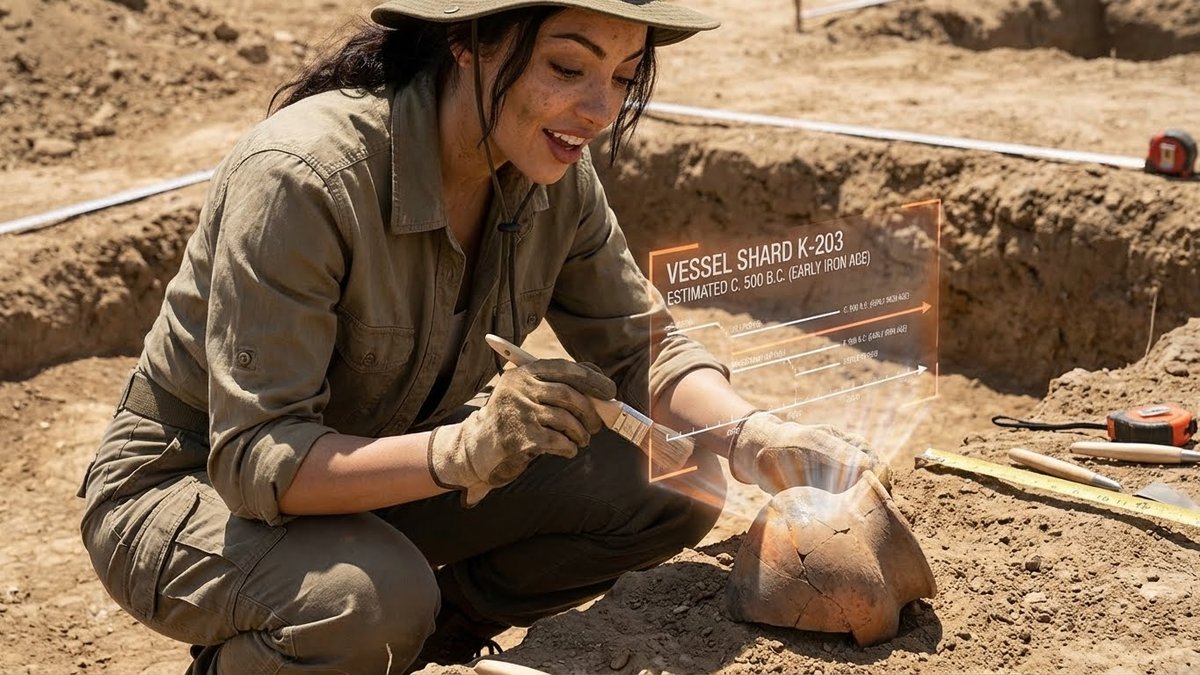
Structured Prompt for Archaeological Dig Scene with 3D Data Overlay

Eingabeaufforderung

{ "promptDetails": { "description": "An archaeological dig scene where the subject is viewing a 3D timeline and data overlay projected onto a recently uncovered artifact.", "styleTags": [ "Archeology", "Earthy Textures", "Academic/Documentary", "Dry and Dusty" ] }, "scene": { "background": { "setting": "An active archaeological trench in a dusty, sun-baked desert environment", "details": "Brushes and small tools visible, measuring tapes and grid markers in the soil, exposed layers of earth, a recently uncovered ceramic shard/pot." }, "subject": { "description": "The person defined by `[UPLOADED IMAGE]`, wearing field clothes and perhaps a brimmed hat, looking excited and careful.", "pose": "Crouching down in the trench, holding a small brush near the artifact, looking intently at the projection.", "focus": "The artifact and the projection are the key points of visual interest." } }, "overlayObject": { "type": "3D Timeline and Data Projection", "relationshipToEnvironment": "A semi-transparent, three-dimensional graphic emanating directly from the surface of the ceramic pot, showing its timeline.", "transform": "A series of floating text labels and lines showing dates and cultural periods, seemingly anchored to the artifact.", "surfaceInteraction": "Faint, slightly flickering orange/white text and lines that look 'hot' or energized, contrasting with the dry earth.", "components": { "artifactID": "Vessel Shard K-203", "dating": "Estimated C. 500 B.C. (Early Iron Age)", "position": "Emanating from and hovering around the pot." } }, "technicalStyle": { "aspectRatio": "5:4 (Portrait)", "photographyStyle": "Documentary, High Contrast", "camera": { "shotType": "Close-Up", "angle": "Low to the ground, capturing the detail of the soil and the artifact.", "depthOfField": "Shallow, focusing tightly on the subject's hands, the artifact, and the projection." }, "lighting": { "type": "Harsh, Overhead Daylight", "description": "Strong, high-angle sun casting short, dark shadows, emphasizing the dry, dusty nature of the scene." }, "color": { "palette": "Monochromatic earth tones (browns, tans, desaturated oranges), contrasted by the bright white/orange of the projection." } } }

Läuft auf 20 Modellen

  • Flux
  • Flux 2
  • Flux Kontext
  • GPT-4o Image
  • GPT Image
  • GPT Image 2
  • GPT Image 2.5
  • GPT Image 2.6
  • Grok Imagine
  • Ideogram V3
  • Imagen 4
  • Kling
  • +8 mehr

Was dieser Prompt erzeugt

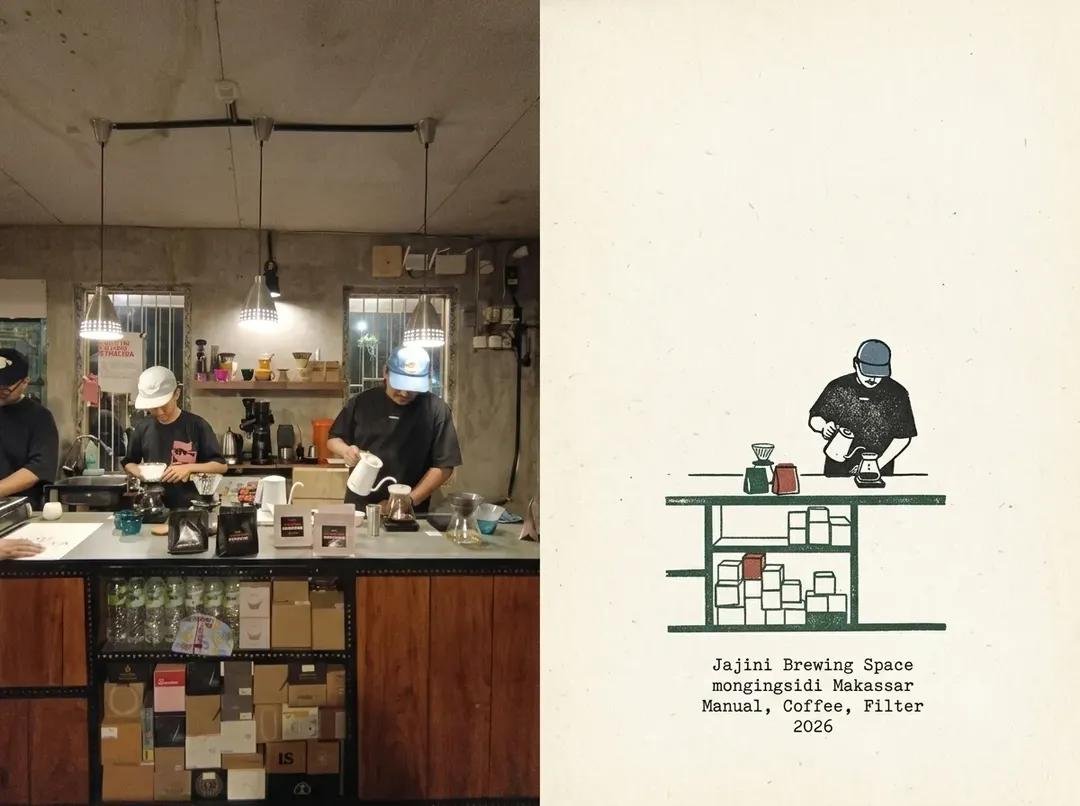
Split-Page Coffee Shop Travel Journal Nicht angegeben gpt-image-2
Cute Chibi Characters in a Sweet Playful Moment Nicht angegeben gpt-image-2
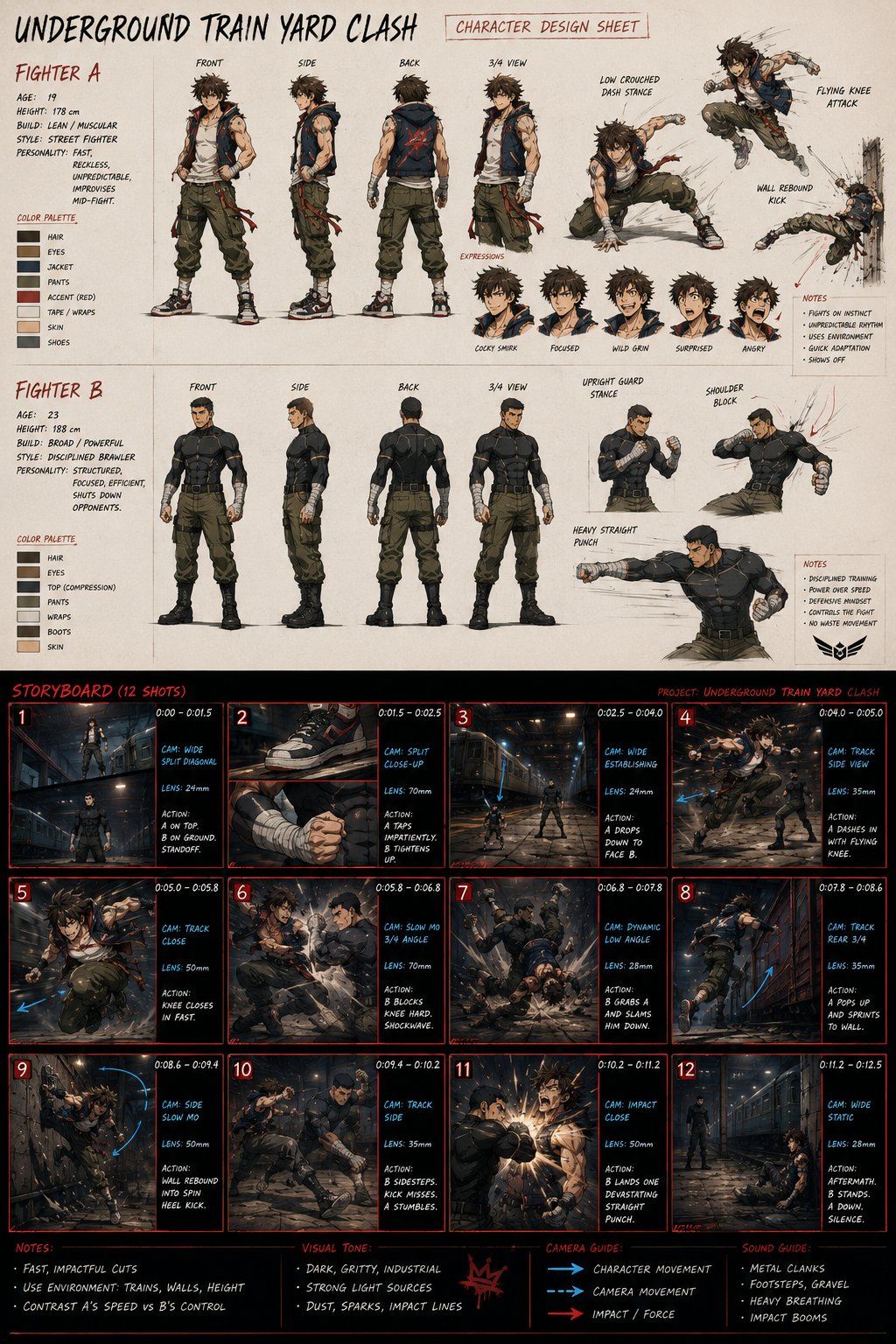
Underground Train Yard Clash Anime Development Board Nicht angegeben gpt-image-2
Realistic Group Selfie with Smartphone Flash Effect Nicht angegeben nano-banana-pro
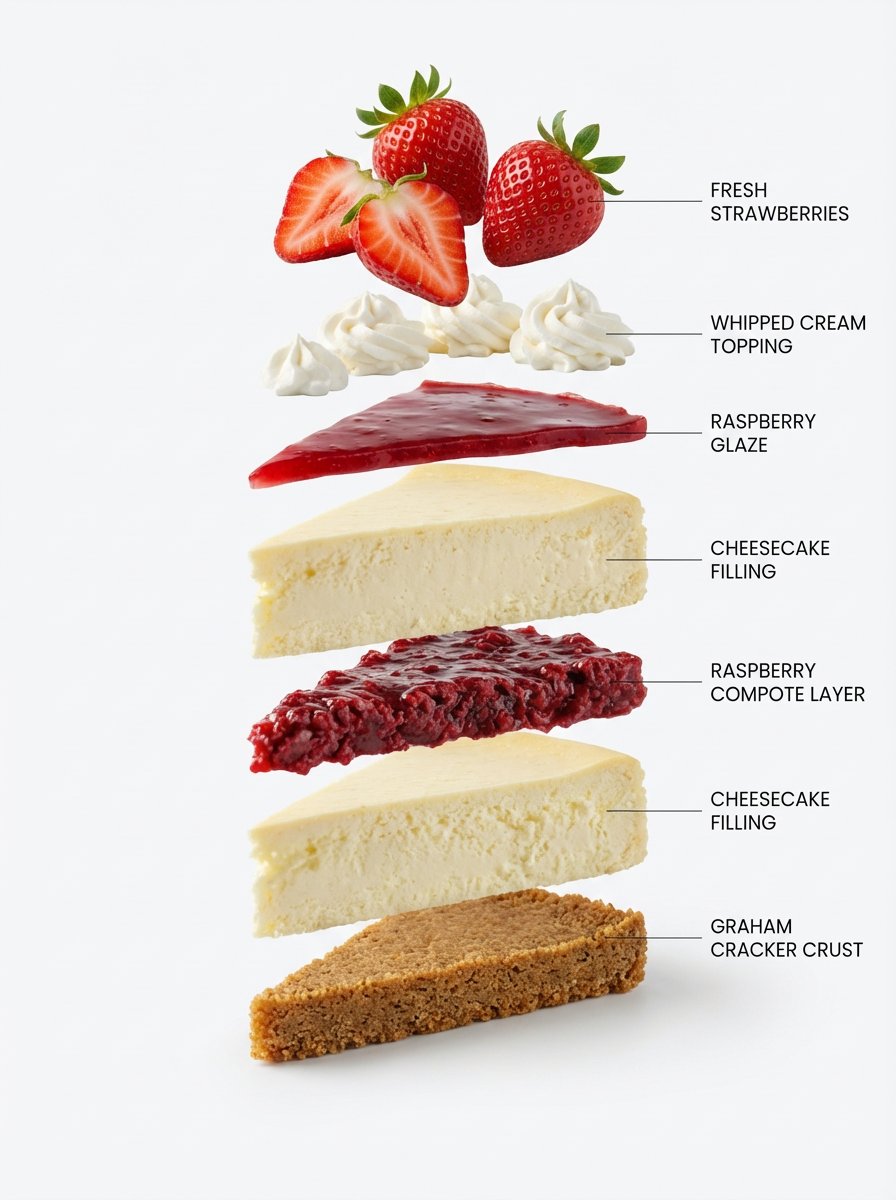
Exploded-View Structural Cutaway for Food Photography Nicht angegeben nano-banana-pro
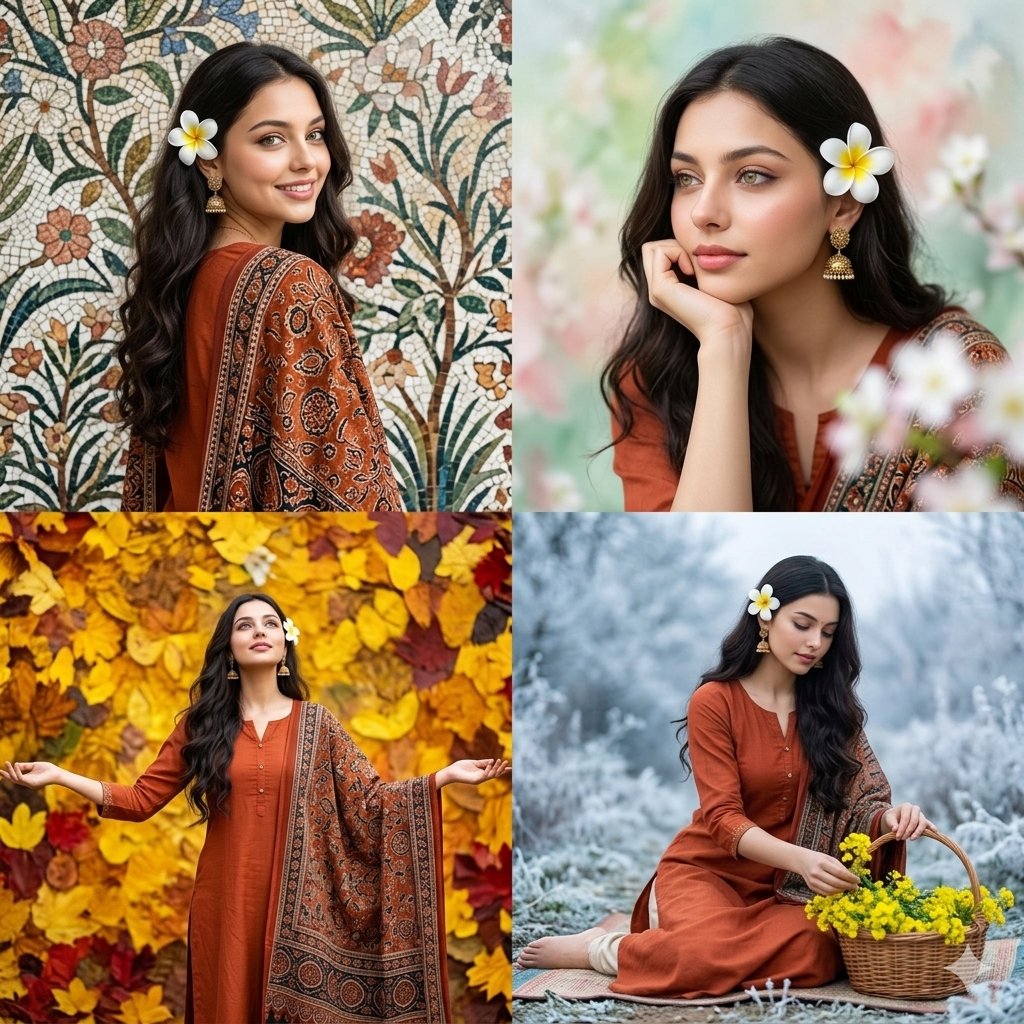
Four Seasons Portrait Collage Nicht angegeben nano-banana-pro

Führen Sie diese Eingabeaufforderung mit der API aus

Die folgende Anforderung sendet diese Eingabeaufforderung mit den ausgefüllten Standardwerten an das erste Modell, auf dem sie ausgeführt wird. Tauschen Sie den Modellnamen gegen ein anderes oben aufgeführtes Modell aus.

Prompt API-Dokumente
/api/v1/nano_banana/text_to_image
curl -X POST https://runapi.ai/api/v1/nano_banana/text_to_image \
  -H "Authorization: Bearer $RUNAPI_API_KEY" \
  -H "Content-Type: application/json" \
  --data-binary @- <<'JSON'
{
  "model": "nano-banana-pro",
  "prompt": "{\n \"promptDetails\": {\n \"description\": \"An archaeological dig scene where the subject is viewing a 3D timeline and data overlay projected onto a recently uncovered artifact.\",\n \"styleTags\": [\n \"Archeology\",\n \"Earthy Textures\",\n \"Academic/Documentary\",\n \"Dry and Dusty\"\n ]\n },\n \"scene\": {\n \"background\": {\n \"setting\": \"An active archaeological trench in a dusty, sun-baked desert environment\",\n \"details\": \"Brushes and small tools visible, measuring tapes and grid markers in the soil, exposed layers of earth, a recently uncovered ceramic shard/pot.\"\n },\n \"subject\": {\n \"description\": \"The person defined by `[UPLOADED IMAGE]`, wearing field clothes and perhaps a brimmed hat, looking excited and careful.\",\n \"pose\": \"Crouching down in the trench, holding a small brush near the artifact, looking intently at the projection.\",\n \"focus\": \"The artifact and the projection are the key points of visual interest.\"\n }\n },\n \"overlayObject\": {\n \"type\": \"3D Timeline and Data Projection\",\n \"relationshipToEnvironment\": \"A semi-transparent, three-dimensional graphic emanating directly from the surface of the ceramic pot, showing its timeline.\",\n \"transform\": \"A series of floating text labels and lines showing dates and cultural periods, seemingly anchored to the artifact.\",\n \"surfaceInteraction\": \"Faint, slightly flickering orange/white text and lines that look 'hot' or energized, contrasting with the dry earth.\",\n \"components\": {\n \"artifactID\": \"Vessel Shard K-203\",\n \"dating\": \"Estimated C. 500 B.C. (Early Iron Age)\",\n \"position\": \"Emanating from and hovering around the pot.\"\n }\n },\n \"technicalStyle\": {\n \"aspectRatio\": \"5:4 (Portrait)\",\n \"photographyStyle\": \"Documentary, High Contrast\",\n \"camera\": {\n \"shotType\": \"Close-Up\",\n \"angle\": \"Low to the ground, capturing the detail of the soil and the artifact.\",\n \"depthOfField\": \"Shallow, focusing tightly on the subject's hands, the artifact, and the projection.\"\n },\n \"lighting\": {\n \"type\": \"Harsh, Overhead Daylight\",\n \"description\": \"Strong, high-angle sun casting short, dark shadows, emphasizing the dry, dusty nature of the scene.\"\n },\n \"color\": {\n \"palette\": \"Monochromatic earth tones (browns, tans, desaturated oranges), contrasted by the bright white/orange of the projection.\"\n }\n }\n}"
}
JSON

Probier‘s mal mit einer Anfrage

Geschätzt: $0.04 / Bild

Zum Generieren mit RunAPI einloggen.

Anmelden zum Generieren

Melde dich an, um mit deinen verfügbaren Sprachmodellen zu beginnen.