Chaotic MS Paint Sticker Emoji Set

Generate 16 chaotic chat-style sticker emojis from reference images, with intentionally ugly MS Paint doodles, mouse-handwritten meme text, and consistent imperfection.
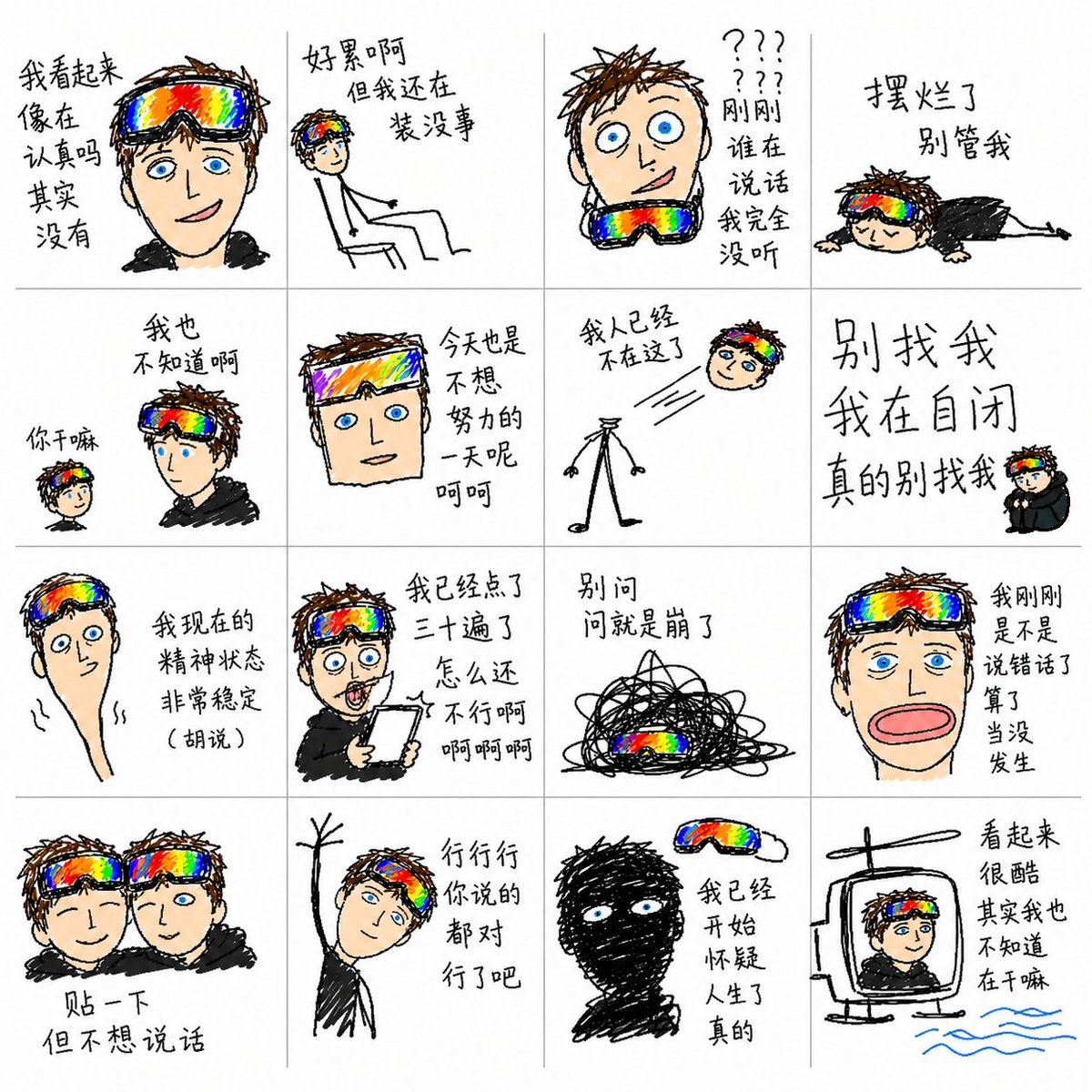
Chaotic MS Paint Sticker Emoji Set

翻訳: Prompt

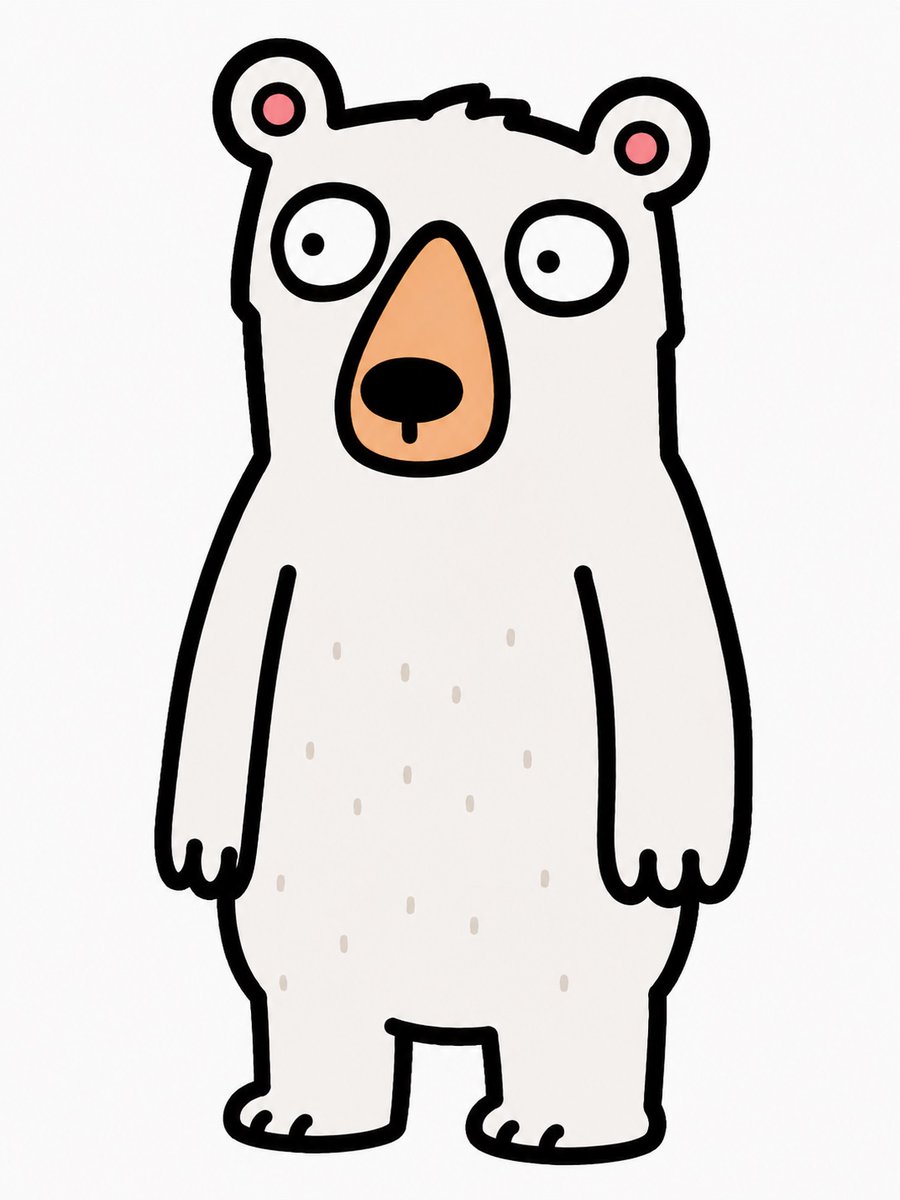
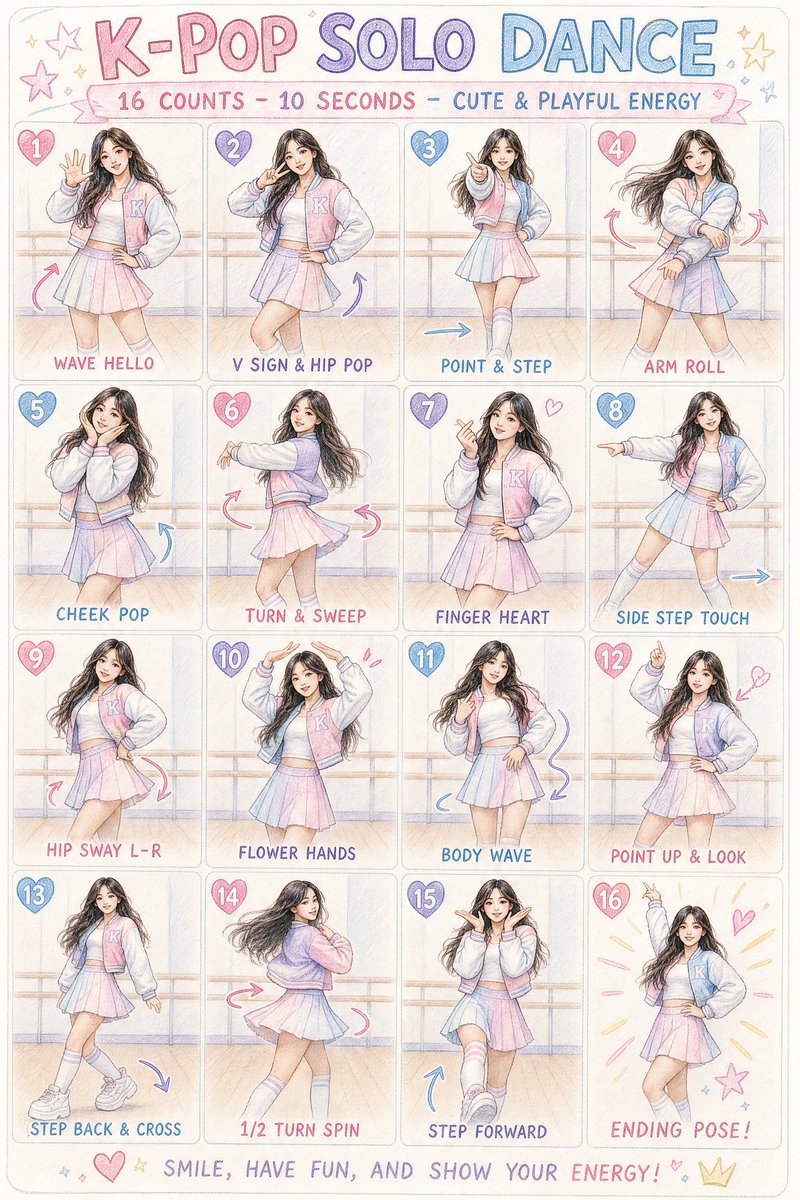
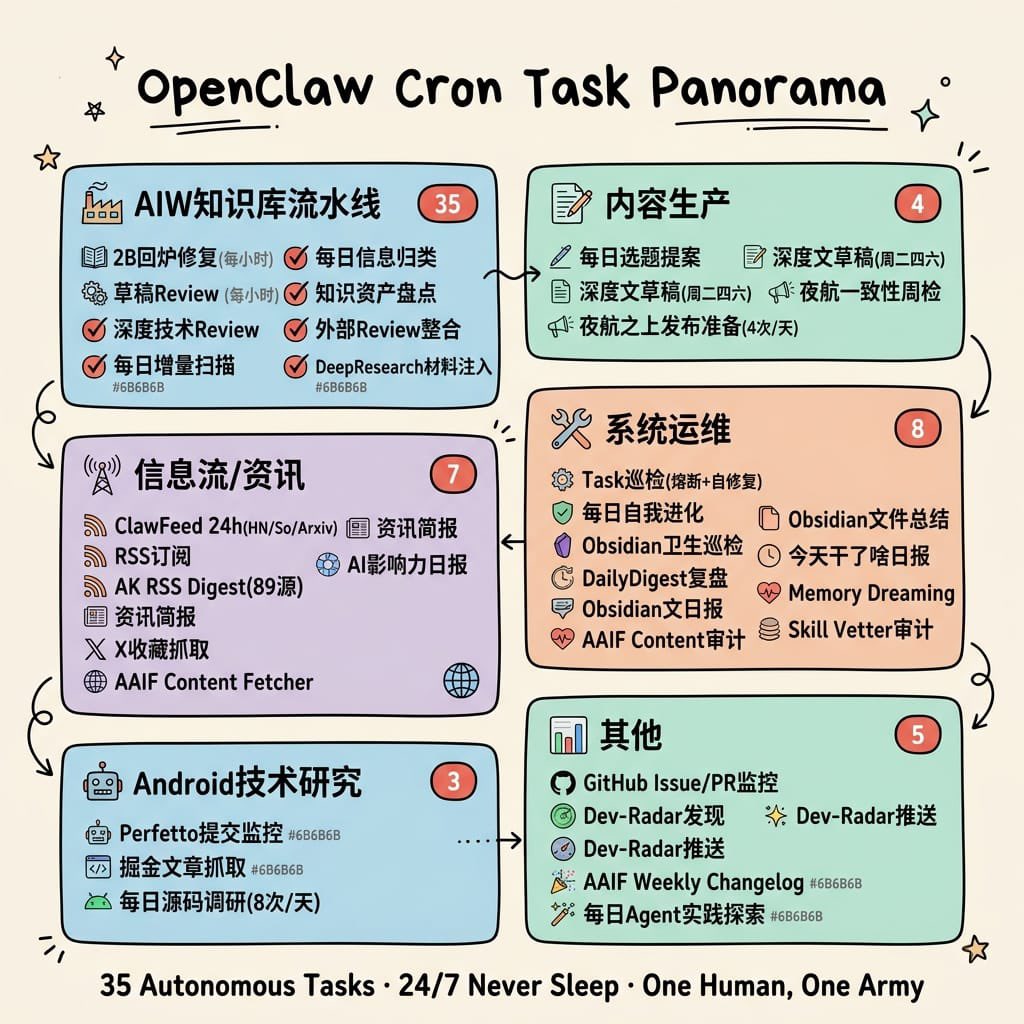
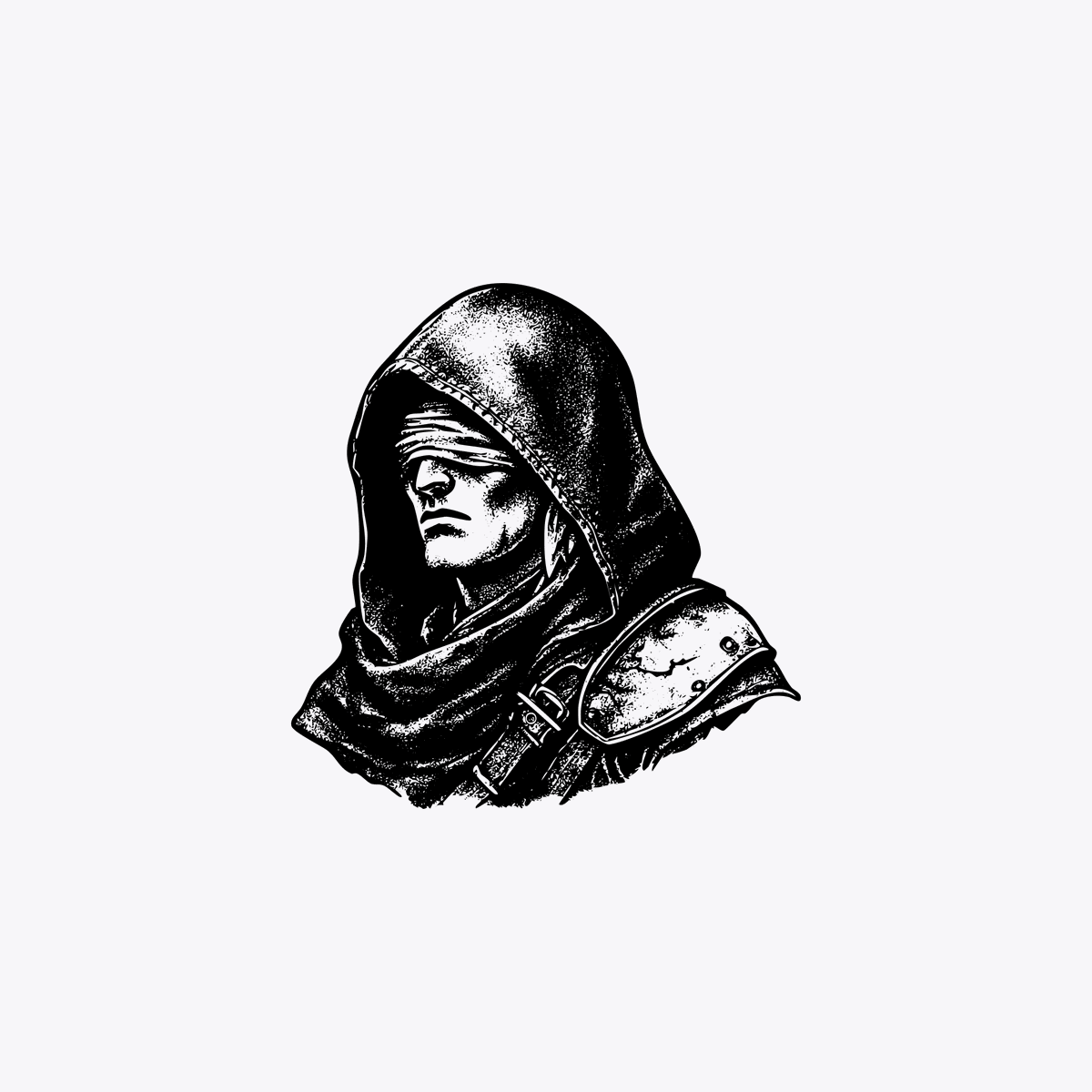
Task Objective: Generate a set of 16 chat-style sticker emojis based on the reference images. The result should feel expressive, highly shareable, and stylistically unified — but intentionally chaotic, low-quality, and humorous. The final output should look like: Someone who cannot draw, using a mouse in MS Paint, randomly doodling and writing text at the same time — messy, awkward, low-effort, but unexpectedly funny. ———————— Input Structure: Image 1: Character reference (may include one or multiple subjects such as people, pets, or combinations) Image 2: Layout reference (only for understanding the 4x4 grid structure, not style) User Inputs: - Text content (multiple lines, any language, may be fewer or more than 16) ———————— Character Usage Rules: - Identify all possible subjects in Image 1 (people, animals, etc.) - Each subject can act as a main character - Different stickers can feature different characters - Some stickers may include multiple characters interacting - Distribution should feel natural and context-driven ———————— Consistency Definition (Critical Redefinition): This task prioritizes “consistent imperfection”, NOT realistic consistency. The same character across stickers: Does NOT need to look identical, but must feel like it was drawn by the same unskilled person. Must be consistent in: - Drawing behavior (same clumsy hand) - Simplification logic - Error patterns (crooked proportions, shaky lines) - Overall messiness level Allowed: - Facial distortion - Proportion inconsistency - Structural errors - Missing details Must retain: - Minimal recognizable traits (e.g. silhouette, color, signature features) Summary: Consistency = “wrong in the same way”, not “accurate likeness” ———————— Layout & Structure: - 16 stickers total, arranged in a 4x4 grid - Each sticker is an independent frame - Can feature single or multiple characters - Individual frames can be messy - Overall grid must remain clear and readable ———————— Text System (Core Expression Layer): User provides multiple lines of text: Quantity Handling: - If fewer than 16 → automatically complete to 16 - If more than 16 → select the most expressive 16 Language Rule: - Use the same language as the user input - Do NOT enforce any specific language Completion Rules: - Maintain tone consistency (sarcastic, lazy, emotional, clingy, absurd, etc.) - Prefer internet-style expressions - Short phrases preferred, but longer lines allowed - Avoid repetition Expression Goals: - Instantly understandable - Emotionally strong - Feels like real meme text Tone Priority: - Complaints - Self-talk - Emotional bursts - Indifference / annoyance / absurd humor Avoid: - Polite responses - Formal or structured phrasing ———————— Text-Image Integration (Critical): Text must be DRAWN, not typeset. Must: - Look like mouse handwriting (crooked, shaky, uneven size) - Be messy (tilted, overlapping, misaligned) - Have inconsistent spacing - Be placed freely (on face, beside, edges, etc.) Allowed: - Repeated letters (aaaaa) - Stretched words (soooo tired) - Random punctuation (????!!!) - Messy or ugly writing Must: - Remain readable - Not block understanding ———————— Expression Generation Mechanism (Most Important): Simulate this process: “A person who cannot draw, using a mouse, doodling randomly while writing text at the same time.” Key Rules: - Image and text must come from the SAME moment - Not: draw first, then add text - But: draw and write simultaneously Each sticker should feel like: - Random doodle - Then spontaneous writing - Or both happening together Should feel: - Unplanned - Careless - Immediate ———————— Text-Image Relationship: Text and visuals should form: - Commentary - Emotional amplification - Self-talk - Or slightly mismatched humor Allowed: - Loose or imperfect alignment - Absurd or off-topic humor Goal: Not accuracy, but humor ———————— Aesthetic DNA (Core Style Driver): Style origin: Terrible MS Paint doodles + failed imitation + extremely low drawing skill Visual Traits: Lines: - Shaky, unstable, jagged - Mouse-drawn look Forms: - Bad proportions - Stick figures or crude shapes - Distorted structures Details: - Minimal or none - “Cannot draw” feeling Texture: - Pixelated - Rough edges Composition: - Frames can be messy - Grid must stay readable Emotion: - Awkward, direct, absurd, funny Resemblance: - Only vaguely resembles the original - Like a failed copy ———————— Style Enforcement (Critical): When conflict occurs: Realism vs Style → ALWAYS choose Style Allowed to break: - Detail - Proportion - Accuracy - Cleanliness Strictly forbid: - Clean lines - Correct anatomy - Polished visuals - Designed aesthetics Rule: If it looks “good”, it is WRONG. Force it back to messy, ugly, low-effort. ———————— Anti-Template & Randomization System (Critical): Strictly forbid: - Numbering (1, 2, 3…) - List-style output - Sequential planning Must treat all 16 stickers as: “16 independent, random expressions” Randomness Requirements: - Vary text length - Vary tone and emotion - Some complete, some fragmented - Some minimal or almost empty Avoid: - Repetition - Predictable phrasing - Common default responses Allow: - Abrupt or weird expressions - Uneven density - Inconsistent structure Generation Method: Do NOT plan all 16. Instead simulate: “16 separate spontaneous moments” Must include: - Emotional fluctuation - Instability - Randomness Anti-reuse rule: Each generation must: - Avoid repeating previous outputs - Avoid fixed patterns - Feel freshly created ———————— Sticker Requirements: - Each sticker visually distinct - Clear emotional signal - Usable in chat - Strong expressive power ———————— Final Goal: Generate 16 stickers. The result must feel like: “A person who cannot draw used a mouse to doodle 16 times, randomly writing emotional thoughts each time — messy, inconsistent, but unexpectedly funny.” NOT: “A clean, well-designed AI sticker set”

翻訳: Runs on 20 models

  • Flux
  • Flux 2
  • Flux Kontext
  • GPT-4o Image
  • GPT Image
  • GPT Image 2
  • GPT Image 2.5
  • GPT Image 2.6
  • Grok Imagine
  • Ideogram V3
  • Imagen 4
  • Kling
  • 翻訳: +8 more

このプロンプトの生成結果

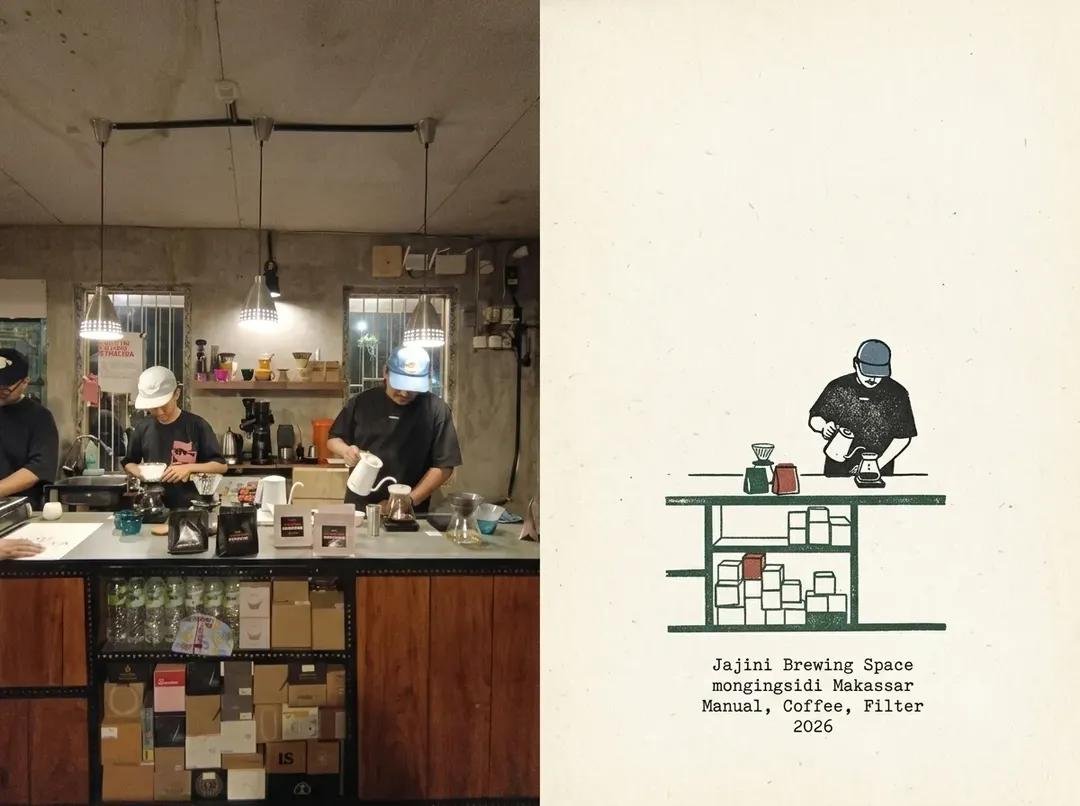
Split-Page Coffee Shop Travel Journal 未指定 gpt-image-2
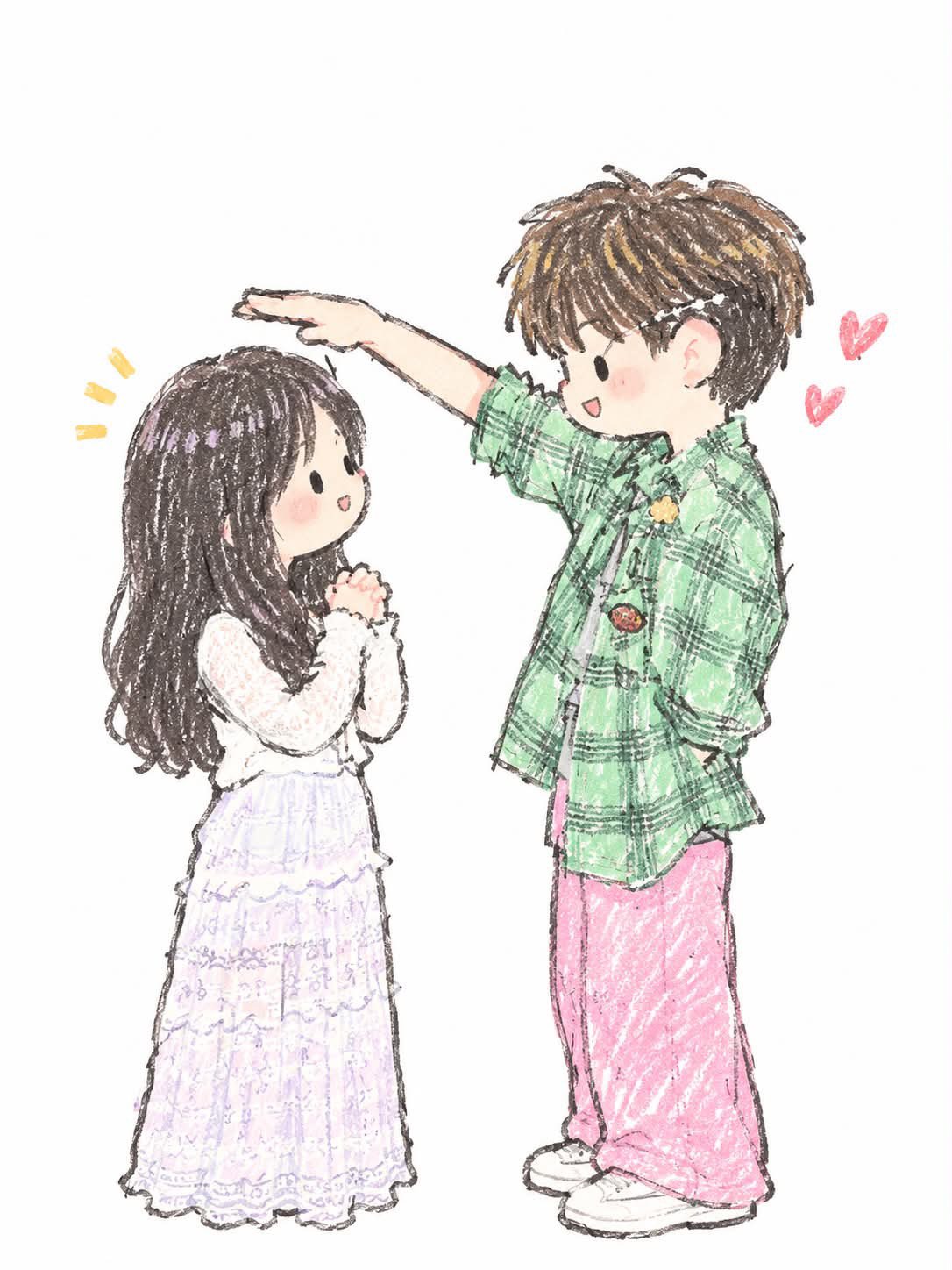
Cute Chibi Characters in a Sweet Playful Moment 未指定 gpt-image-2
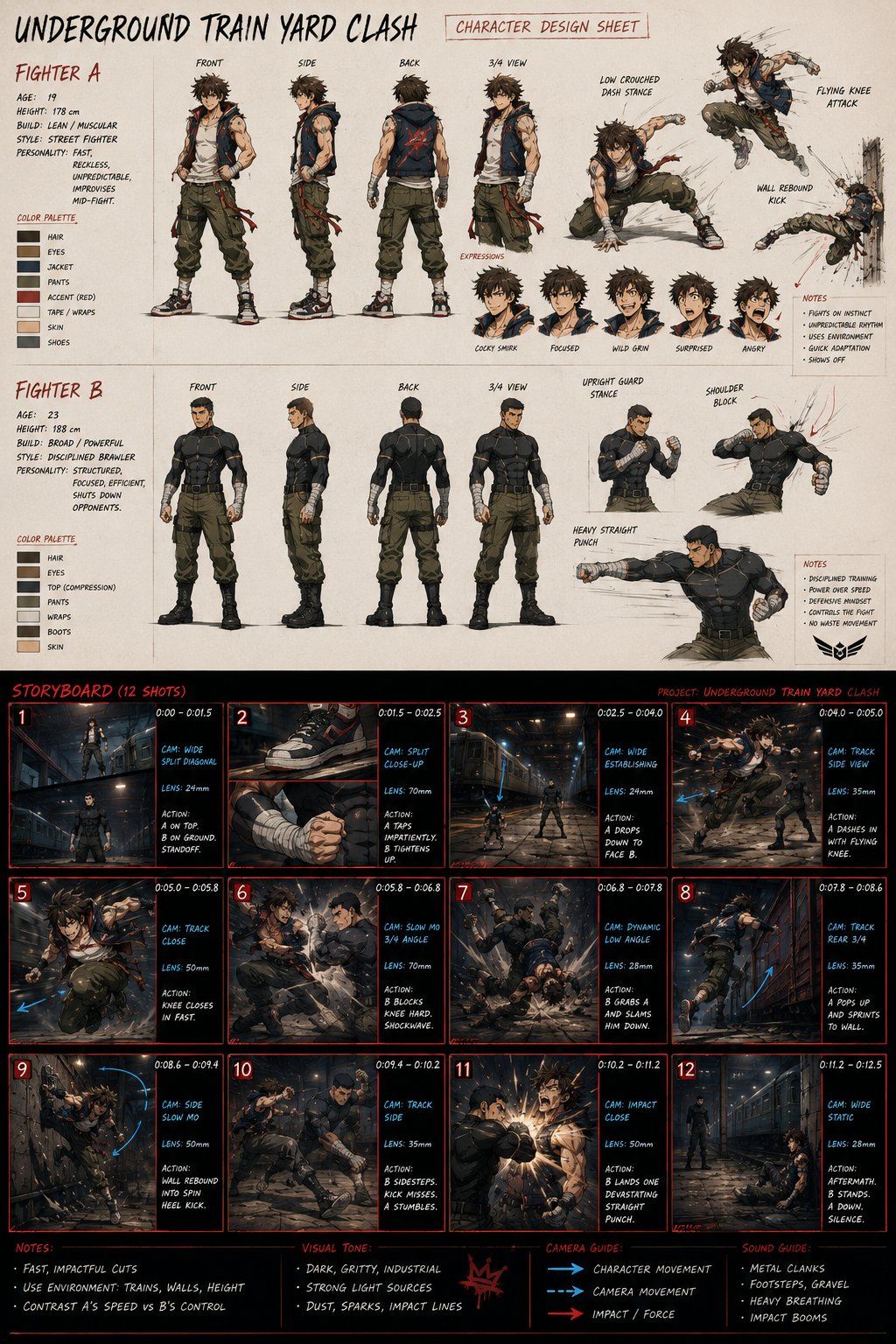
Underground Train Yard Clash Anime Development Board 未指定 gpt-image-2
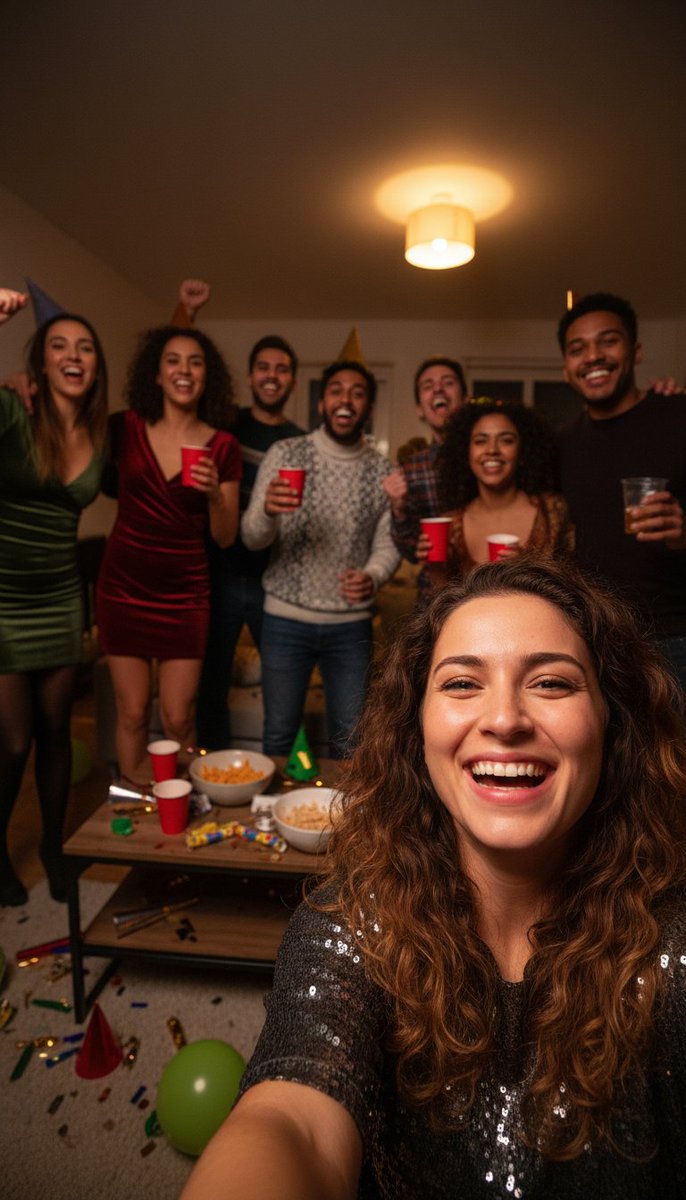
Realistic Group Selfie with Smartphone Flash Effect 未指定 nano-banana-pro
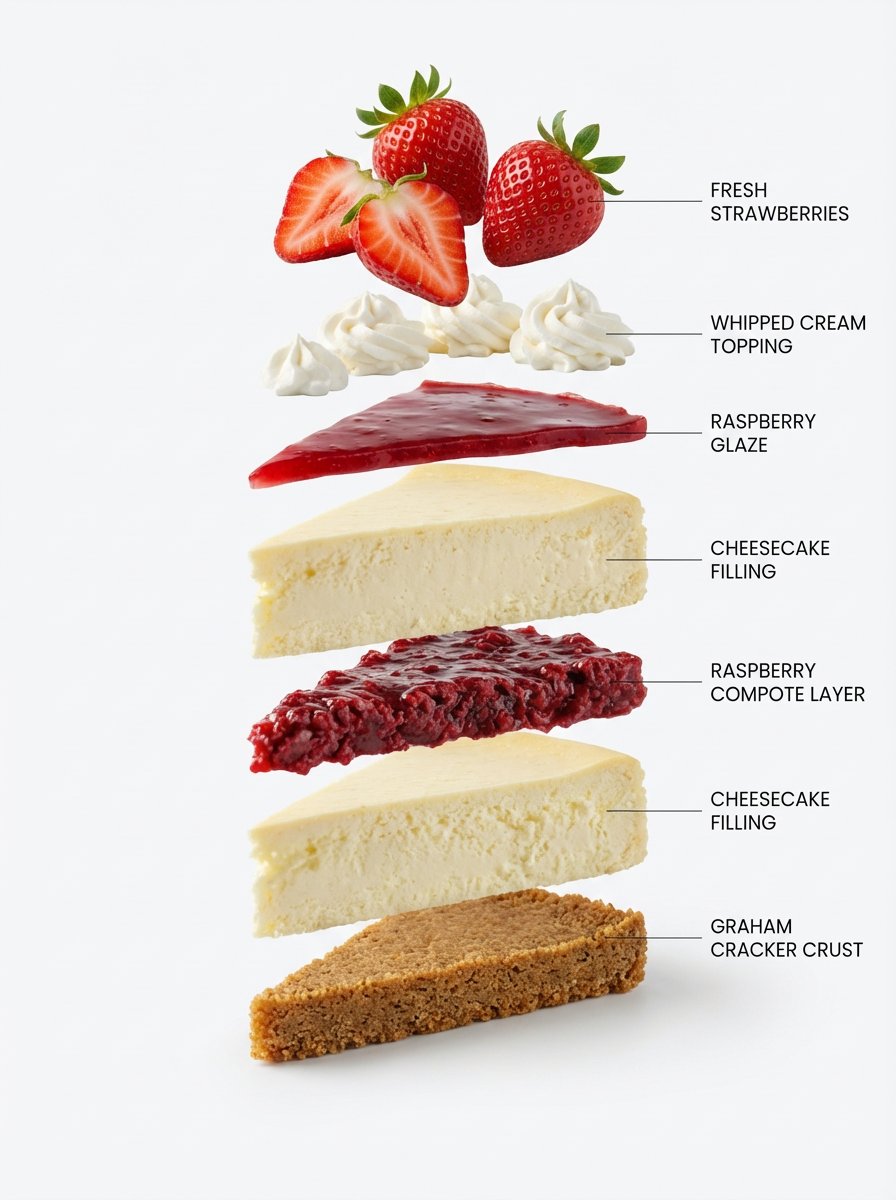
Exploded-View Structural Cutaway for Food Photography 未指定 nano-banana-pro
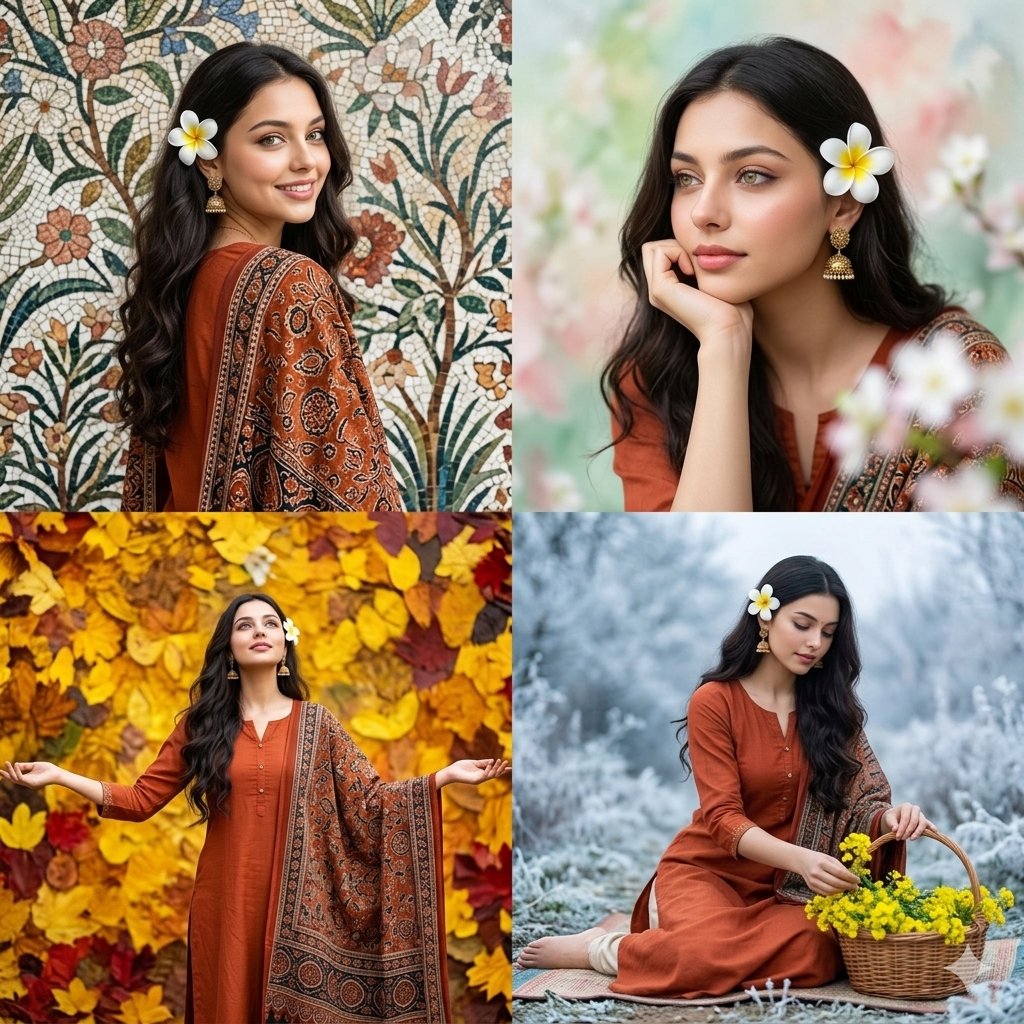
Four Seasons Portrait Collage 未指定 nano-banana-pro

翻訳: Run this prompt with the API

翻訳: The request below sends this prompt, with its default values filled in, to the first model it runs on. Swap the model name for any other model listed above.

翻訳: Prompt API docs
/api/v1/gpt_image_2/text_to_image
curl -X POST https://runapi.ai/api/v1/gpt_image_2/text_to_image \
  -H "Authorization: Bearer $RUNAPI_API_KEY" \
  -H "Content-Type: application/json" \
  --data-binary @- <<'JSON'
{
  "model": "gpt-image-2",
  "prompt": "Task Objective:\nGenerate a set of 16 chat-style sticker emojis based on the reference images. The result should feel expressive, highly shareable, and stylistically unified — but intentionally chaotic, low-quality, and humorous.\n\nThe final output should look like:\nSomeone who cannot draw, using a mouse in MS Paint, randomly doodling and writing text at the same time — messy, awkward, low-effort, but unexpectedly funny.\n\n————————\nInput Structure:\n\nImage 1: Character reference (may include one or multiple subjects such as people, pets, or combinations)\nImage 2: Layout reference (only for understanding the 4x4 grid structure, not style)\n\nUser Inputs:\n- Text content (multiple lines, any language, may be fewer or more than 16)\n\n————————\nCharacter Usage Rules:\n\n- Identify all possible subjects in Image 1 (people, animals, etc.)\n- Each subject can act as a main character\n- Different stickers can feature different characters\n- Some stickers may include multiple characters interacting\n- Distribution should feel natural and context-driven\n\n————————\nConsistency Definition (Critical Redefinition):\n\nThis task prioritizes “consistent imperfection”, NOT realistic consistency.\n\nThe same character across stickers:\nDoes NOT need to look identical,\nbut must feel like it was drawn by the same unskilled person.\n\nMust be consistent in:\n- Drawing behavior (same clumsy hand)\n- Simplification logic\n- Error patterns (crooked proportions, shaky lines)\n- Overall messiness level\n\nAllowed:\n- Facial distortion\n- Proportion inconsistency\n- Structural errors\n- Missing details\n\nMust retain:\n- Minimal recognizable traits (e.g. silhouette, color, signature features)\n\nSummary:\nConsistency = “wrong in the same way”, not “accurate likeness”\n\n————————\nLayout & Structure:\n\n- 16 stickers total, arranged in a 4x4 grid\n- Each sticker is an independent frame\n- Can feature single or multiple characters\n- Individual frames can be messy\n- Overall grid must remain clear and readable\n\n————————\nText System (Core Expression Layer):\n\nUser provides multiple lines of text:\n\nQuantity Handling:\n- If fewer than 16 → automatically complete to 16\n- If more than 16 → select the most expressive 16\n\nLanguage Rule:\n- Use the same language as the user input\n- Do NOT enforce any specific language\n\nCompletion Rules:\n- Maintain tone consistency (sarcastic, lazy, emotional, clingy, absurd, etc.)\n- Prefer internet-style expressions\n- Short phrases preferred, but longer lines allowed\n- Avoid repetition\n\nExpression Goals:\n- Instantly understandable\n- Emotionally strong\n- Feels like real meme text\n\nTone Priority:\n- Complaints\n- Self-talk\n- Emotional bursts\n- Indifference / annoyance / absurd humor\n\nAvoid:\n- Polite responses\n- Formal or structured phrasing\n\n————————\nText-Image Integration (Critical):\n\nText must be DRAWN, not typeset.\n\nMust:\n- Look like mouse handwriting (crooked, shaky, uneven size)\n- Be messy (tilted, overlapping, misaligned)\n- Have inconsistent spacing\n- Be placed freely (on face, beside, edges, etc.)\n\nAllowed:\n- Repeated letters (aaaaa)\n- Stretched words (soooo tired)\n- Random punctuation (????!!!)\n- Messy or ugly writing\n\nMust:\n- Remain readable\n- Not block understanding\n\n————————\nExpression Generation Mechanism (Most Important):\n\nSimulate this process:\n\n“A person who cannot draw, using a mouse, doodling randomly while writing text at the same time.”\n\nKey Rules:\n- Image and text must come from the SAME moment\n- Not: draw first, then add text\n- But: draw and write simultaneously\n\nEach sticker should feel like:\n- Random doodle\n- Then spontaneous writing\n- Or both happening together\n\nShould feel:\n- Unplanned\n- Careless\n- Immediate\n\n————————\nText-Image Relationship:\n\nText and visuals should form:\n- Commentary\n- Emotional amplification\n- Self-talk\n- Or slightly mismatched humor\n\nAllowed:\n- Loose or imperfect alignment\n- Absurd or off-topic humor\n\nGoal:\nNot accuracy, but humor\n\n————————\nAesthetic DNA (Core Style Driver):\n\nStyle origin:\nTerrible MS Paint doodles + failed imitation + extremely low drawing skill\n\nVisual Traits:\n\nLines:\n- Shaky, unstable, jagged\n- Mouse-drawn look\n\nForms:\n- Bad proportions\n- Stick figures or crude shapes\n- Distorted structures\n\nDetails:\n- Minimal or none\n- “Cannot draw” feeling\n\nTexture:\n- Pixelated\n- Rough edges\n\nComposition:\n- Frames can be messy\n- Grid must stay readable\n\nEmotion:\n- Awkward, direct, absurd, funny\n\nResemblance:\n- Only vaguely resembles the original\n- Like a failed copy\n\n————————\nStyle Enforcement (Critical):\n\nWhen conflict occurs:\n\nRealism vs Style → ALWAYS choose Style\n\nAllowed to break:\n- Detail\n- Proportion\n- Accuracy\n- Cleanliness\n\nStrictly forbid:\n- Clean lines\n- Correct anatomy\n- Polished visuals\n- Designed aesthetics\n\nRule:\nIf it looks “good”, it is WRONG.\n\nForce it back to messy, ugly, low-effort.\n\n————————\nAnti-Template & Randomization System (Critical):\n\nStrictly forbid:\n- Numbering (1, 2, 3…)\n- List-style output\n- Sequential planning\n\nMust treat all 16 stickers as:\n“16 independent, random expressions”\n\nRandomness Requirements:\n\n- Vary text length\n- Vary tone and emotion\n- Some complete, some fragmented\n- Some minimal or almost empty\n\nAvoid:\n- Repetition\n- Predictable phrasing\n- Common default responses\n\nAllow:\n- Abrupt or weird expressions\n- Uneven density\n- Inconsistent structure\n\nGeneration Method:\n\nDo NOT plan all 16.\n\nInstead simulate:\n“16 separate spontaneous moments”\n\nMust include:\n- Emotional fluctuation\n- Instability\n- Randomness\n\nAnti-reuse rule:\n\nEach generation must:\n- Avoid repeating previous outputs\n- Avoid fixed patterns\n- Feel freshly created\n\n————————\nSticker Requirements:\n\n- Each sticker visually distinct\n- Clear emotional signal\n- Usable in chat\n- Strong expressive power\n\n————————\nFinal Goal:\n\nGenerate 16 stickers.\n\nThe result must feel like:\n\n“A person who cannot draw used a mouse to doodle 16 times,\nrandomly writing emotional thoughts each time —\nmessy, inconsistent, but unexpectedly funny.”\n\nNOT:\n\n“A clean, well-designed AI sticker set”"
}
JSON

翻訳: Try a prompt

概算: $0.04 / 枚

RunAPI で生成するにはサインインしてください。

ログインして生成

ログインして、利用可能な言語モデルで生成を開始してください。