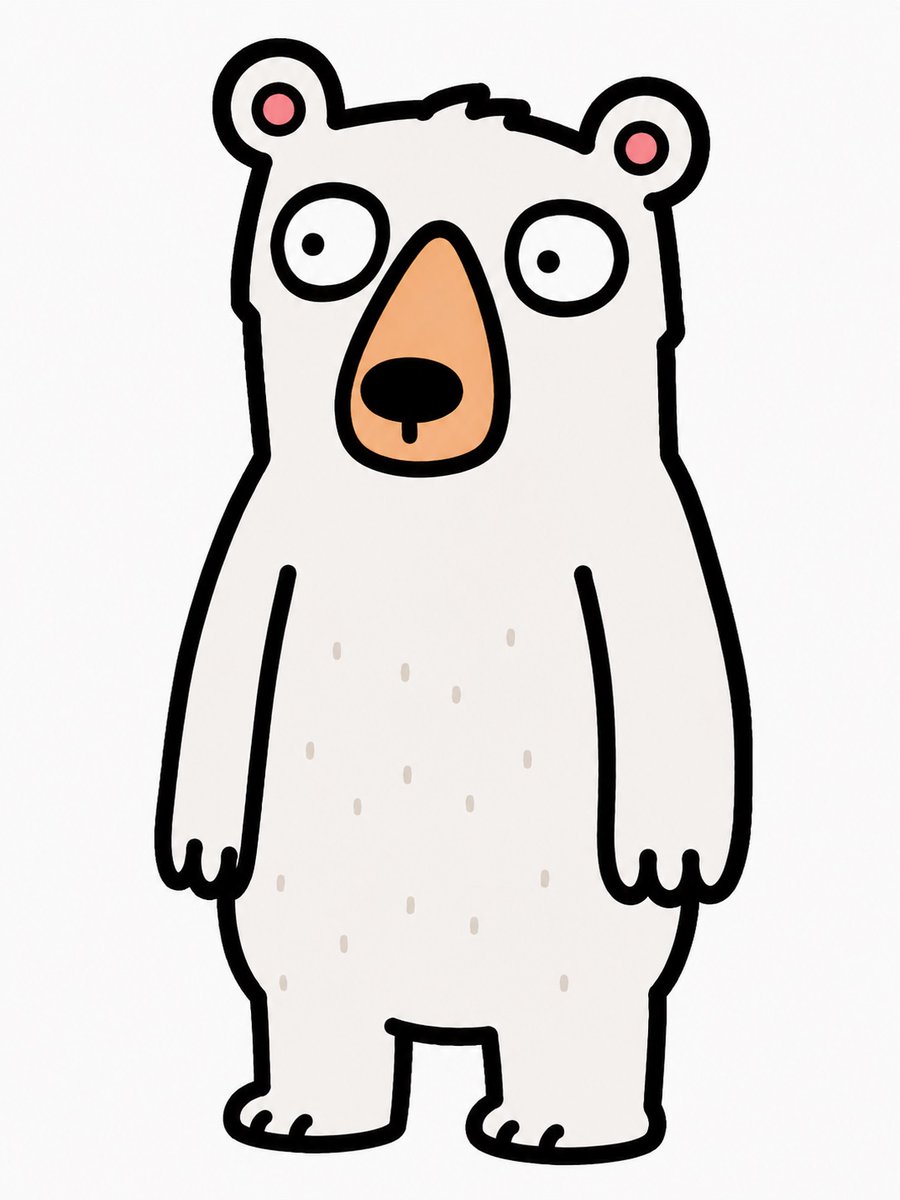
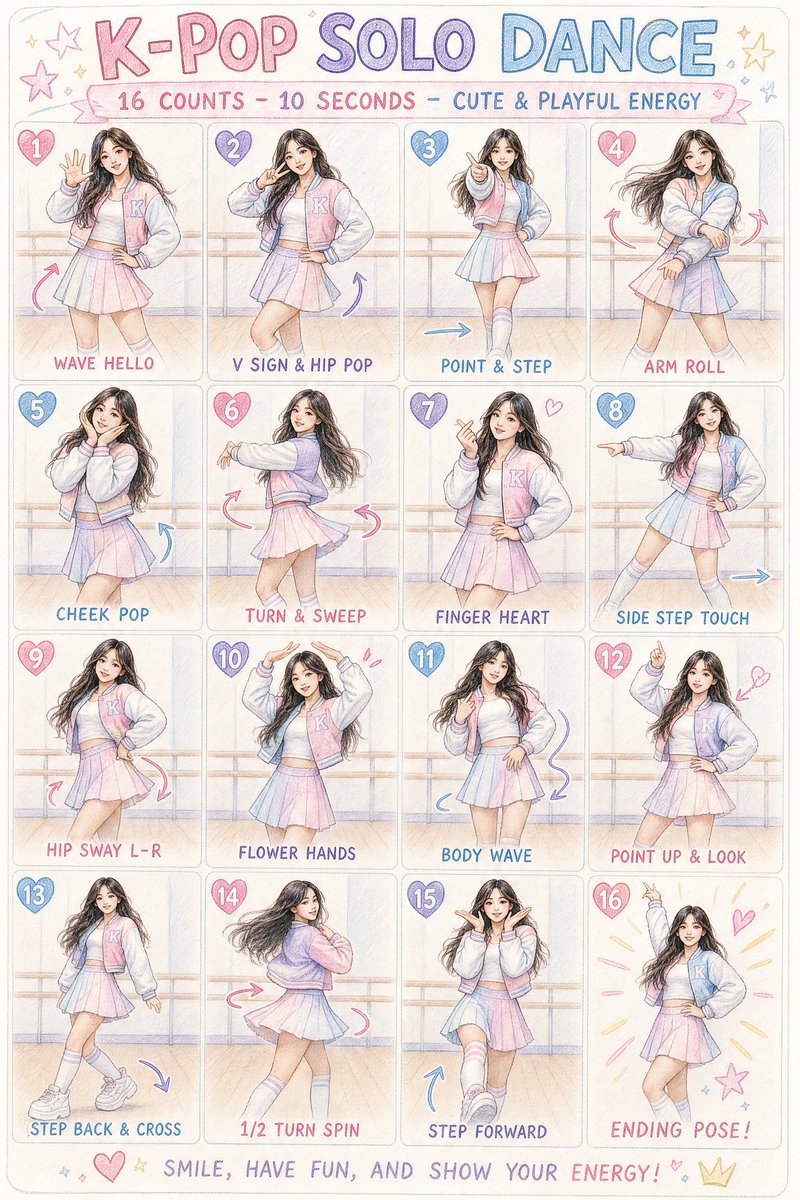
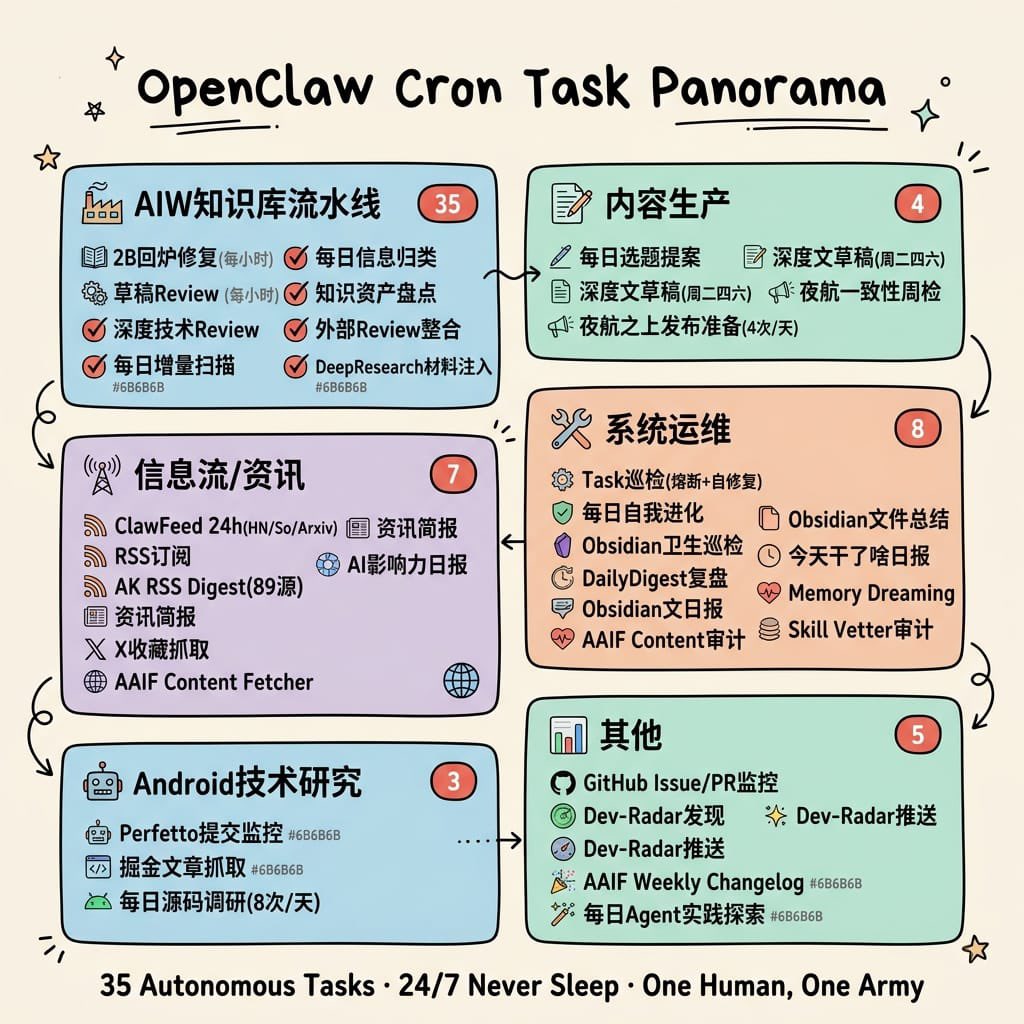
Chaotic MS Paint Sticker Emoji Set

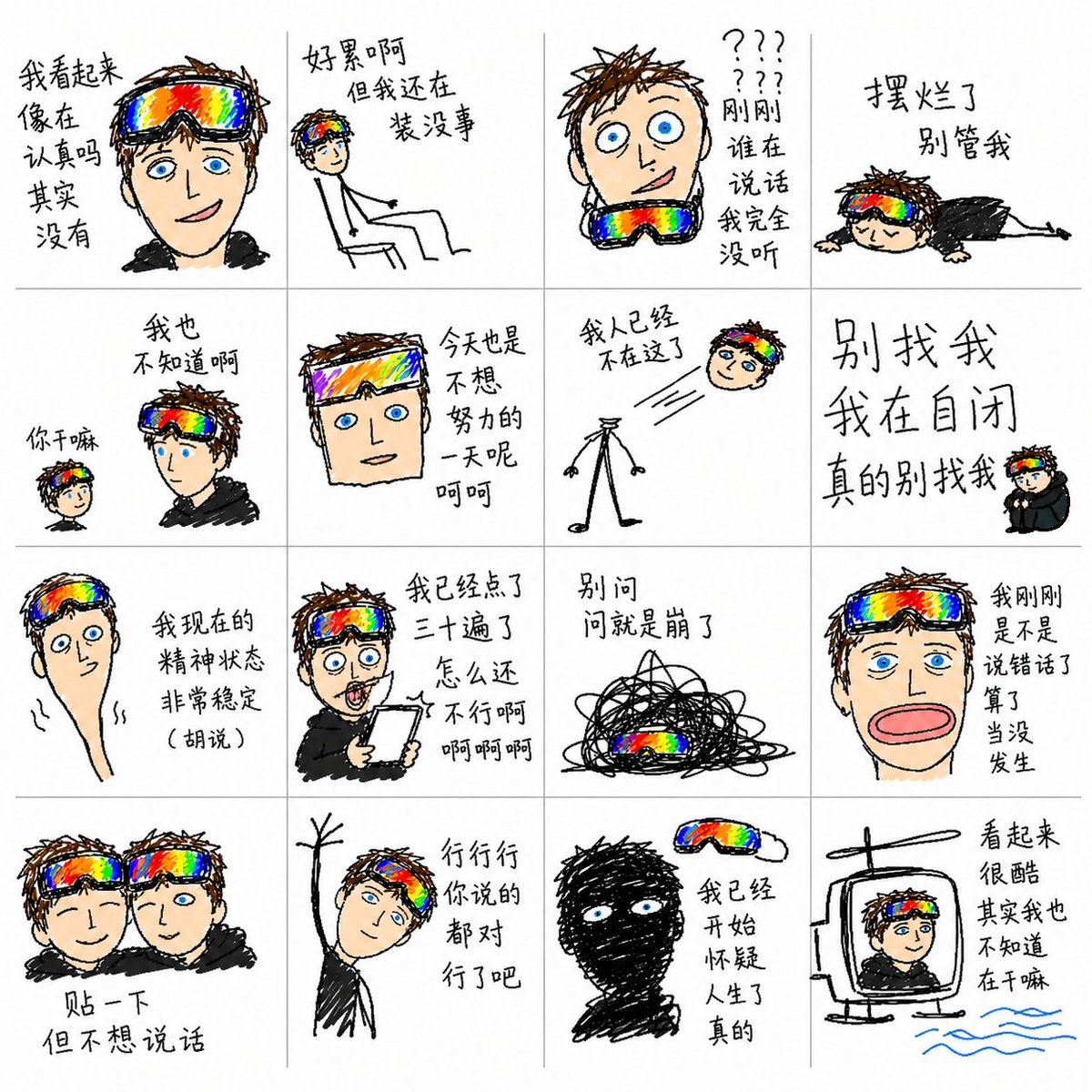
Generate 16 chaotic chat-style sticker emojis from reference images, with intentionally ugly MS Paint doodles, mouse-handwritten meme text, and consistent imperfection.
Chaotic MS Paint Sticker Emoji Set

الأمر

Task Objective: Generate a set of 16 chat-style sticker emojis based on the reference images. The result should feel expressive, highly shareable, and stylistically unified — but intentionally chaotic, low-quality, and humorous. The final output should look like: Someone who cannot draw, using a mouse in MS Paint, randomly doodling and writing text at the same time — messy, awkward, low-effort, but unexpectedly funny. ———————— Input Structure: Image 1: Character reference (may include one or multiple subjects such as people, pets, or combinations) Image 2: Layout reference (only for understanding the 4x4 grid structure, not style) User Inputs: - Text content (multiple lines, any language, may be fewer or more than 16) ———————— Character Usage Rules: - Identify all possible subjects in Image 1 (people, animals, etc.) - Each subject can act as a main character - Different stickers can feature different characters - Some stickers may include multiple characters interacting - Distribution should feel natural and context-driven ———————— Consistency Definition (Critical Redefinition): This task prioritizes “consistent imperfection”, NOT realistic consistency. The same character across stickers: Does NOT need to look identical, but must feel like it was drawn by the same unskilled person. Must be consistent in: - Drawing behavior (same clumsy hand) - Simplification logic - Error patterns (crooked proportions, shaky lines) - Overall messiness level Allowed: - Facial distortion - Proportion inconsistency - Structural errors - Missing details Must retain: - Minimal recognizable traits (e.g. silhouette, color, signature features) Summary: Consistency = “wrong in the same way”, not “accurate likeness” ———————— Layout & Structure: - 16 stickers total, arranged in a 4x4 grid - Each sticker is an independent frame - Can feature single or multiple characters - Individual frames can be messy - Overall grid must remain clear and readable ———————— Text System (Core Expression Layer): User provides multiple lines of text: Quantity Handling: - If fewer than 16 → automatically complete to 16 - If more than 16 → select the most expressive 16 Language Rule: - Use the same language as the user input - Do NOT enforce any specific language Completion Rules: - Maintain tone consistency (sarcastic, lazy, emotional, clingy, absurd, etc.) - Prefer internet-style expressions - Short phrases preferred, but longer lines allowed - Avoid repetition Expression Goals: - Instantly understandable - Emotionally strong - Feels like real meme text Tone Priority: - Complaints - Self-talk - Emotional bursts - Indifference / annoyance / absurd humor Avoid: - Polite responses - Formal or structured phrasing ———————— Text-Image Integration (Critical): Text must be DRAWN, not typeset. Must: - Look like mouse handwriting (crooked, shaky, uneven size) - Be messy (tilted, overlapping, misaligned) - Have inconsistent spacing - Be placed freely (on face, beside, edges, etc.) Allowed: - Repeated letters (aaaaa) - Stretched words (soooo tired) - Random punctuation (????!!!) - Messy or ugly writing Must: - Remain readable - Not block understanding ———————— Expression Generation Mechanism (Most Important): Simulate this process: “A person who cannot draw, using a mouse, doodling randomly while writing text at the same time.” Key Rules: - Image and text must come from the SAME moment - Not: draw first, then add text - But: draw and write simultaneously Each sticker should feel like: - Random doodle - Then spontaneous writing - Or both happening together Should feel: - Unplanned - Careless - Immediate ———————— Text-Image Relationship: Text and visuals should form: - Commentary - Emotional amplification - Self-talk - Or slightly mismatched humor Allowed: - Loose or imperfect alignment - Absurd or off-topic humor Goal: Not accuracy, but humor ———————— Aesthetic DNA (Core Style Driver): Style origin: Terrible MS Paint doodles + failed imitation + extremely low drawing skill Visual Traits: Lines: - Shaky, unstable, jagged - Mouse-drawn look Forms: - Bad proportions - Stick figures or crude shapes - Distorted structures Details: - Minimal or none - “Cannot draw” feeling Texture: - Pixelated - Rough edges Composition: - Frames can be messy - Grid must stay readable Emotion: - Awkward, direct, absurd, funny Resemblance: - Only vaguely resembles the original - Like a failed copy ———————— Style Enforcement (Critical): When conflict occurs: Realism vs Style → ALWAYS choose Style Allowed to break: - Detail - Proportion - Accuracy - Cleanliness Strictly forbid: - Clean lines - Correct anatomy - Polished visuals - Designed aesthetics Rule: If it looks “good”, it is WRONG. Force it back to messy, ugly, low-effort. ———————— Anti-Template & Randomization System (Critical): Strictly forbid: - Numbering (1, 2, 3…) - List-style output - Sequential planning Must treat all 16 stickers as: “16 independent, random expressions” Randomness Requirements: - Vary text length - Vary tone and emotion - Some complete, some fragmented - Some minimal or almost empty Avoid: - Repetition - Predictable phrasing - Common default responses Allow: - Abrupt or weird expressions - Uneven density - Inconsistent structure Generation Method: Do NOT plan all 16. Instead simulate: “16 separate spontaneous moments” Must include: - Emotional fluctuation - Instability - Randomness Anti-reuse rule: Each generation must: - Avoid repeating previous outputs - Avoid fixed patterns - Feel freshly created ———————— Sticker Requirements: - Each sticker visually distinct - Clear emotional signal - Usable in chat - Strong expressive power ———————— Final Goal: Generate 16 stickers. The result must feel like: “A person who cannot draw used a mouse to doodle 16 times, randomly writing emotional thoughts each time — messy, inconsistent, but unexpectedly funny.” NOT: “A clean, well-designed AI sticker set”

يعمل على موديلات 20

  • Flux
  • Flux 2
  • Flux Kontext
  • GPT-4o Image
  • GPT Image
  • GPT Image 2
  • GPT Image 2.5
  • GPT Image 2.6
  • Grok Imagine
  • Ideogram V3
  • Imagen 4
  • Kling
  • +8 المزيد

ما الذي ينتجه هذا الـ prompt؟

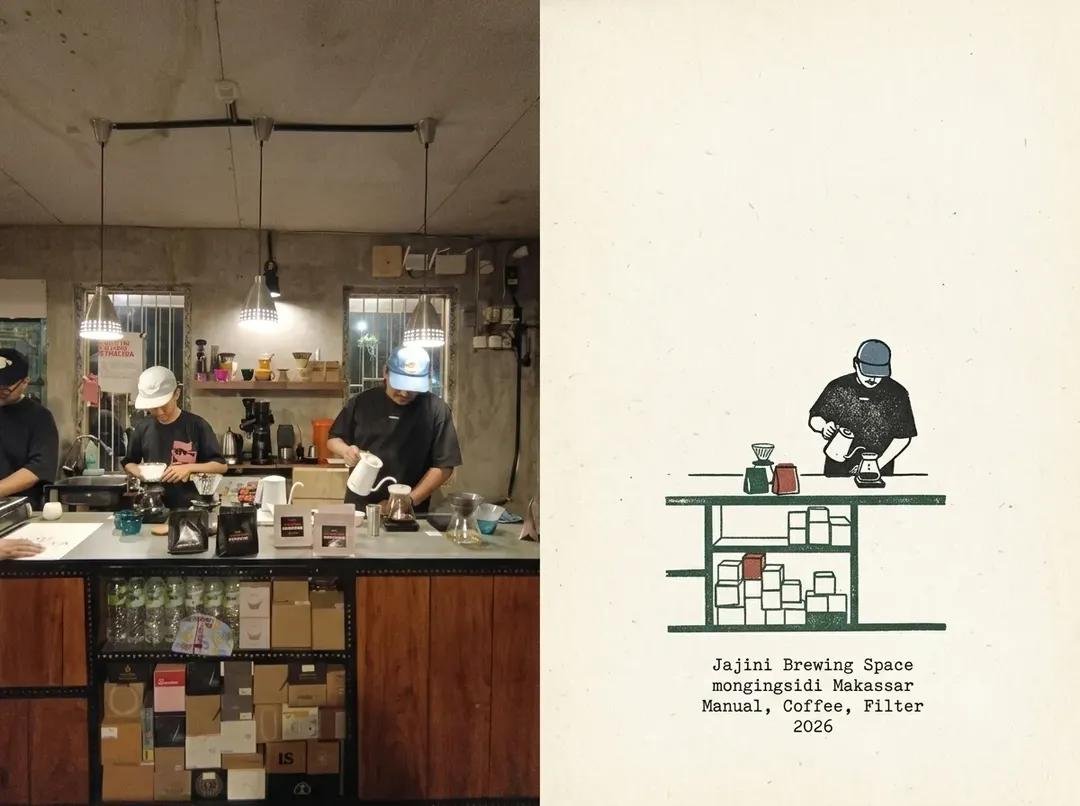
Split-Page Coffee Shop Travel Journal غير محدد gpt-image-2
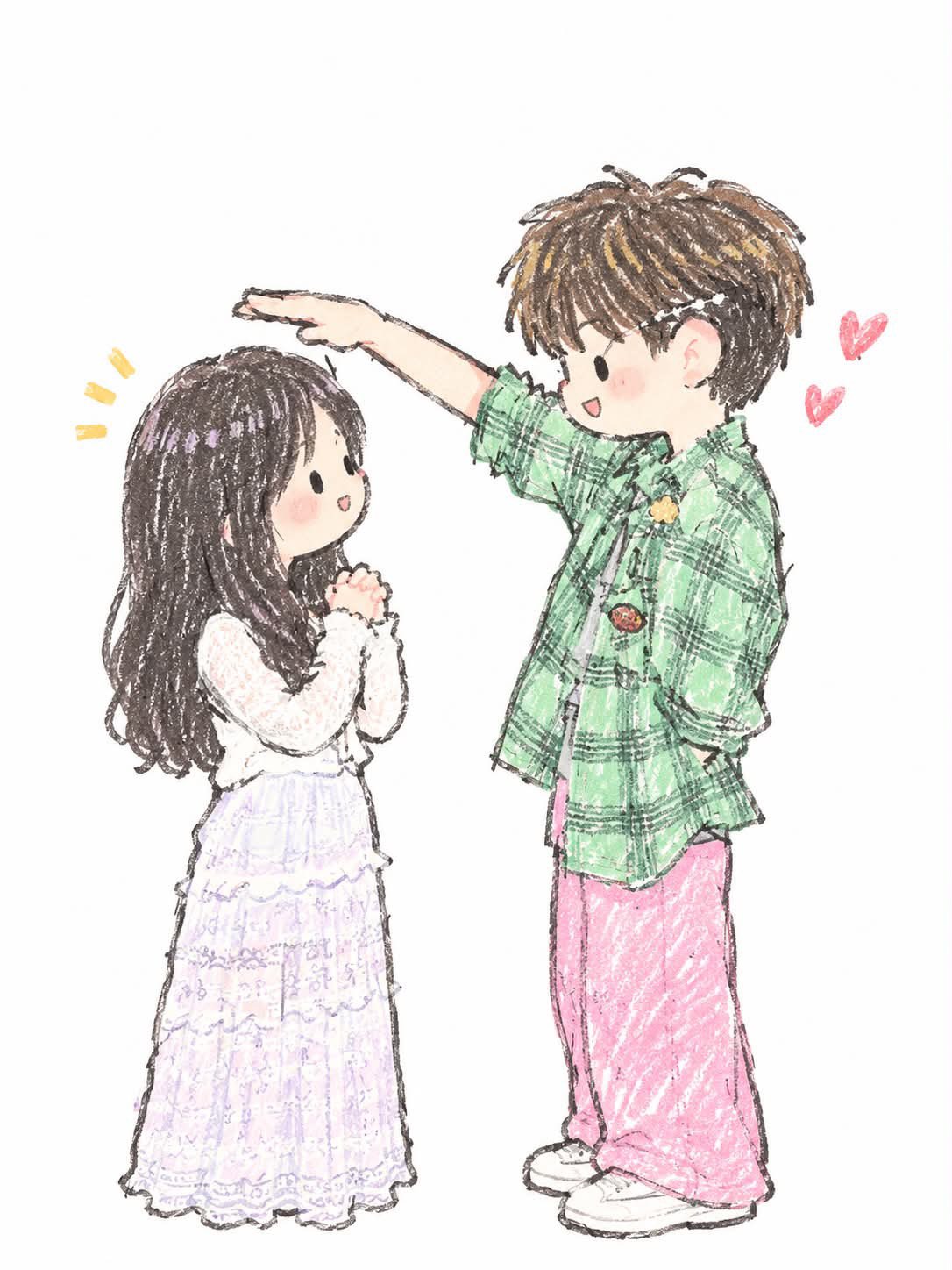
Cute Chibi Characters in a Sweet Playful Moment غير محدد gpt-image-2
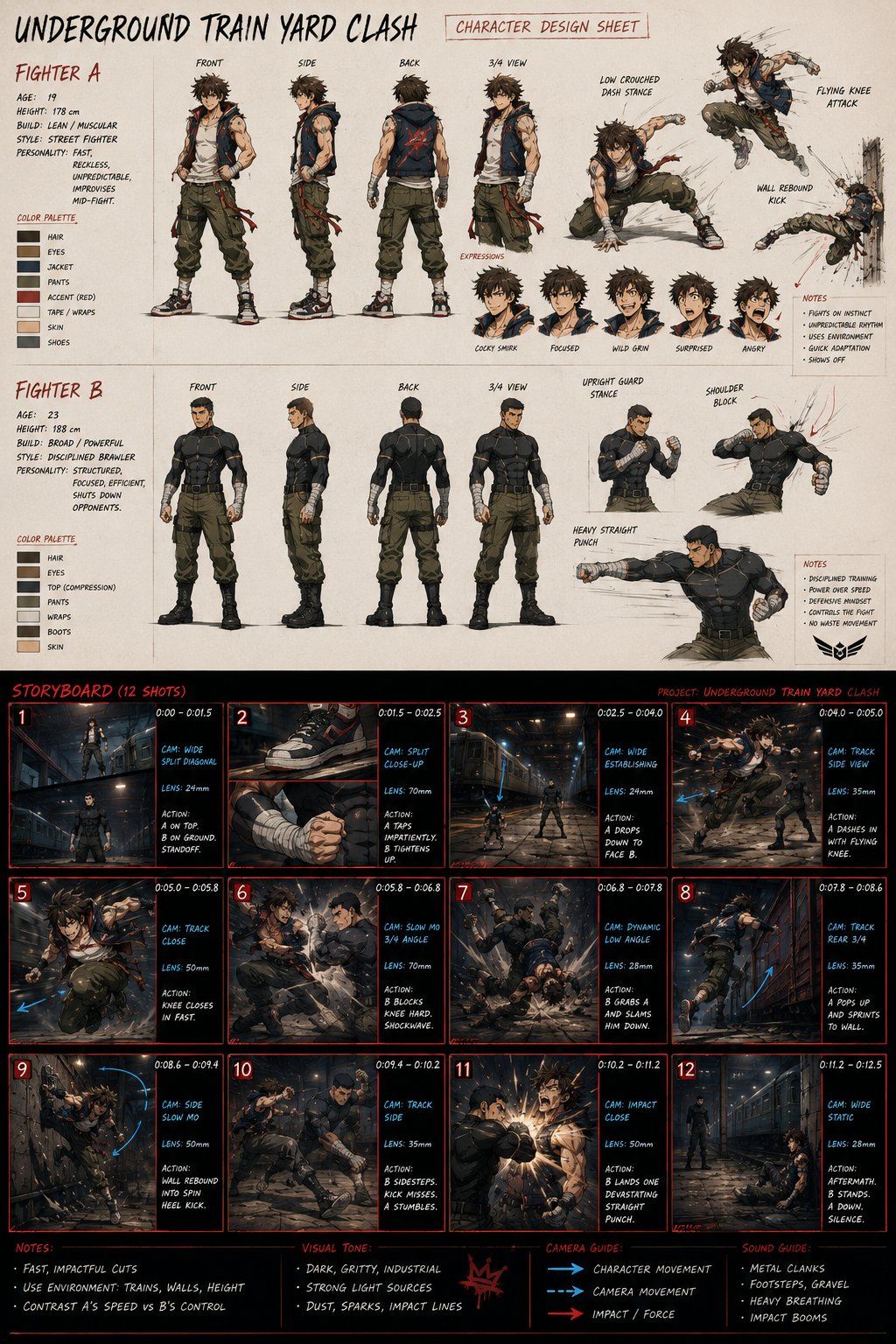
Underground Train Yard Clash Anime Development Board غير محدد gpt-image-2
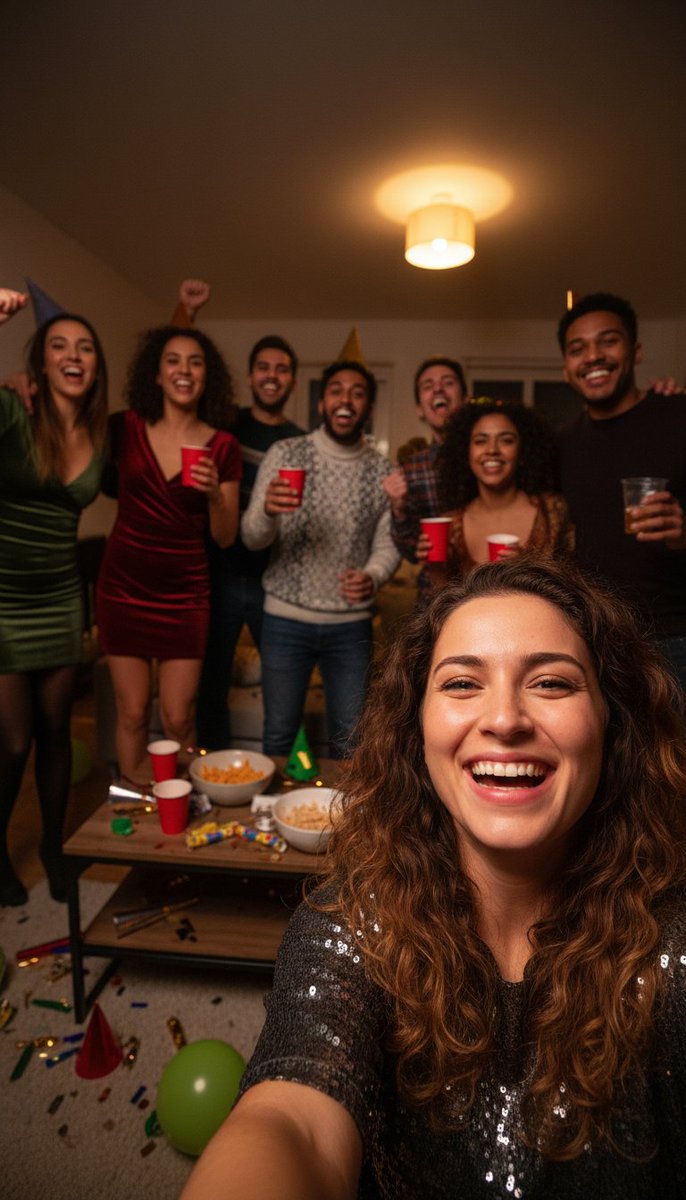
Realistic Group Selfie with Smartphone Flash Effect غير محدد nano-banana-pro
Exploded-View Structural Cutaway for Food Photography غير محدد nano-banana-pro
Four Seasons Portrait Collage غير محدد nano-banana-pro

قم بتشغيل هذه المطالبة باستخدام واجهة برمجة التطبيقات

يرسل الطلب أدناه هذه المطالبة، مع ملء قيمها الافتراضية، إلى النموذج الأول الذي تعمل عليه. استبدل اسم الطراز بأي طراز آخر مذكور أعلاه.

مستندات واجهة برمجة التطبيقات الفورية
/api/v1/gpt_image_2/text_to_image
curl -X POST https://runapi.ai/api/v1/gpt_image_2/text_to_image \
  -H "Authorization: Bearer $RUNAPI_API_KEY" \
  -H "Content-Type: application/json" \
  --data-binary @- <<'JSON'
{
  "model": "gpt-image-2",
  "prompt": "Task Objective:\nGenerate a set of 16 chat-style sticker emojis based on the reference images. The result should feel expressive, highly shareable, and stylistically unified — but intentionally chaotic, low-quality, and humorous.\n\nThe final output should look like:\nSomeone who cannot draw, using a mouse in MS Paint, randomly doodling and writing text at the same time — messy, awkward, low-effort, but unexpectedly funny.\n\n————————\nInput Structure:\n\nImage 1: Character reference (may include one or multiple subjects such as people, pets, or combinations)\nImage 2: Layout reference (only for understanding the 4x4 grid structure, not style)\n\nUser Inputs:\n- Text content (multiple lines, any language, may be fewer or more than 16)\n\n————————\nCharacter Usage Rules:\n\n- Identify all possible subjects in Image 1 (people, animals, etc.)\n- Each subject can act as a main character\n- Different stickers can feature different characters\n- Some stickers may include multiple characters interacting\n- Distribution should feel natural and context-driven\n\n————————\nConsistency Definition (Critical Redefinition):\n\nThis task prioritizes “consistent imperfection”, NOT realistic consistency.\n\nThe same character across stickers:\nDoes NOT need to look identical,\nbut must feel like it was drawn by the same unskilled person.\n\nMust be consistent in:\n- Drawing behavior (same clumsy hand)\n- Simplification logic\n- Error patterns (crooked proportions, shaky lines)\n- Overall messiness level\n\nAllowed:\n- Facial distortion\n- Proportion inconsistency\n- Structural errors\n- Missing details\n\nMust retain:\n- Minimal recognizable traits (e.g. silhouette, color, signature features)\n\nSummary:\nConsistency = “wrong in the same way”, not “accurate likeness”\n\n————————\nLayout & Structure:\n\n- 16 stickers total, arranged in a 4x4 grid\n- Each sticker is an independent frame\n- Can feature single or multiple characters\n- Individual frames can be messy\n- Overall grid must remain clear and readable\n\n————————\nText System (Core Expression Layer):\n\nUser provides multiple lines of text:\n\nQuantity Handling:\n- If fewer than 16 → automatically complete to 16\n- If more than 16 → select the most expressive 16\n\nLanguage Rule:\n- Use the same language as the user input\n- Do NOT enforce any specific language\n\nCompletion Rules:\n- Maintain tone consistency (sarcastic, lazy, emotional, clingy, absurd, etc.)\n- Prefer internet-style expressions\n- Short phrases preferred, but longer lines allowed\n- Avoid repetition\n\nExpression Goals:\n- Instantly understandable\n- Emotionally strong\n- Feels like real meme text\n\nTone Priority:\n- Complaints\n- Self-talk\n- Emotional bursts\n- Indifference / annoyance / absurd humor\n\nAvoid:\n- Polite responses\n- Formal or structured phrasing\n\n————————\nText-Image Integration (Critical):\n\nText must be DRAWN, not typeset.\n\nMust:\n- Look like mouse handwriting (crooked, shaky, uneven size)\n- Be messy (tilted, overlapping, misaligned)\n- Have inconsistent spacing\n- Be placed freely (on face, beside, edges, etc.)\n\nAllowed:\n- Repeated letters (aaaaa)\n- Stretched words (soooo tired)\n- Random punctuation (????!!!)\n- Messy or ugly writing\n\nMust:\n- Remain readable\n- Not block understanding\n\n————————\nExpression Generation Mechanism (Most Important):\n\nSimulate this process:\n\n“A person who cannot draw, using a mouse, doodling randomly while writing text at the same time.”\n\nKey Rules:\n- Image and text must come from the SAME moment\n- Not: draw first, then add text\n- But: draw and write simultaneously\n\nEach sticker should feel like:\n- Random doodle\n- Then spontaneous writing\n- Or both happening together\n\nShould feel:\n- Unplanned\n- Careless\n- Immediate\n\n————————\nText-Image Relationship:\n\nText and visuals should form:\n- Commentary\n- Emotional amplification\n- Self-talk\n- Or slightly mismatched humor\n\nAllowed:\n- Loose or imperfect alignment\n- Absurd or off-topic humor\n\nGoal:\nNot accuracy, but humor\n\n————————\nAesthetic DNA (Core Style Driver):\n\nStyle origin:\nTerrible MS Paint doodles + failed imitation + extremely low drawing skill\n\nVisual Traits:\n\nLines:\n- Shaky, unstable, jagged\n- Mouse-drawn look\n\nForms:\n- Bad proportions\n- Stick figures or crude shapes\n- Distorted structures\n\nDetails:\n- Minimal or none\n- “Cannot draw” feeling\n\nTexture:\n- Pixelated\n- Rough edges\n\nComposition:\n- Frames can be messy\n- Grid must stay readable\n\nEmotion:\n- Awkward, direct, absurd, funny\n\nResemblance:\n- Only vaguely resembles the original\n- Like a failed copy\n\n————————\nStyle Enforcement (Critical):\n\nWhen conflict occurs:\n\nRealism vs Style → ALWAYS choose Style\n\nAllowed to break:\n- Detail\n- Proportion\n- Accuracy\n- Cleanliness\n\nStrictly forbid:\n- Clean lines\n- Correct anatomy\n- Polished visuals\n- Designed aesthetics\n\nRule:\nIf it looks “good”, it is WRONG.\n\nForce it back to messy, ugly, low-effort.\n\n————————\nAnti-Template & Randomization System (Critical):\n\nStrictly forbid:\n- Numbering (1, 2, 3…)\n- List-style output\n- Sequential planning\n\nMust treat all 16 stickers as:\n“16 independent, random expressions”\n\nRandomness Requirements:\n\n- Vary text length\n- Vary tone and emotion\n- Some complete, some fragmented\n- Some minimal or almost empty\n\nAvoid:\n- Repetition\n- Predictable phrasing\n- Common default responses\n\nAllow:\n- Abrupt or weird expressions\n- Uneven density\n- Inconsistent structure\n\nGeneration Method:\n\nDo NOT plan all 16.\n\nInstead simulate:\n“16 separate spontaneous moments”\n\nMust include:\n- Emotional fluctuation\n- Instability\n- Randomness\n\nAnti-reuse rule:\n\nEach generation must:\n- Avoid repeating previous outputs\n- Avoid fixed patterns\n- Feel freshly created\n\n————————\nSticker Requirements:\n\n- Each sticker visually distinct\n- Clear emotional signal\n- Usable in chat\n- Strong expressive power\n\n————————\nFinal Goal:\n\nGenerate 16 stickers.\n\nThe result must feel like:\n\n“A person who cannot draw used a mouse to doodle 16 times,\nrandomly writing emotional thoughts each time —\nmessy, inconsistent, but unexpectedly funny.”\n\nNOT:\n\n“A clean, well-designed AI sticker set”"
}
JSON

جرب المطالبة

التقدير: $0.04 / صورة

سجّل دخولك للتوليد عبر RunAPI.

سجّل دخولك للتوليد

سجّل الدخول لبدء التوليد باستخدام النماذج اللغوية المتاحة لك.