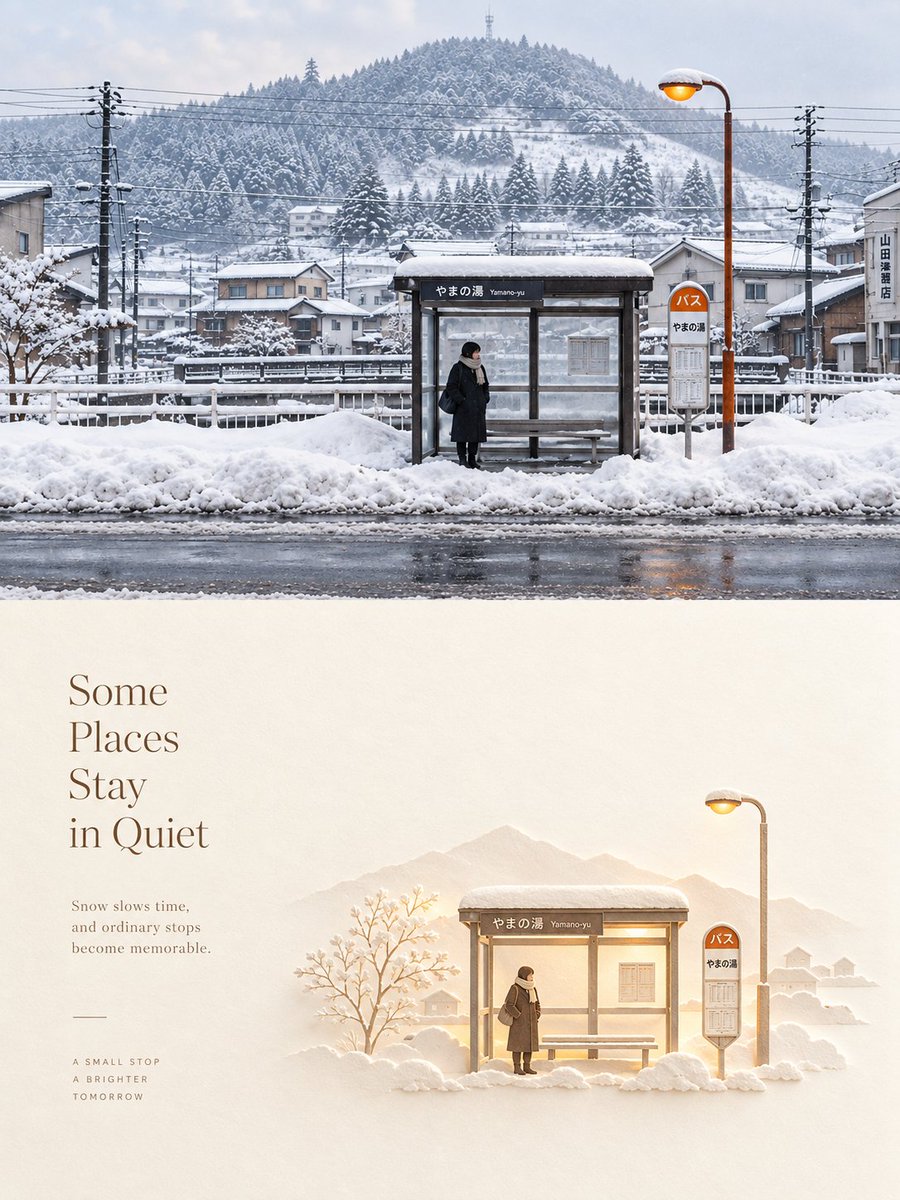
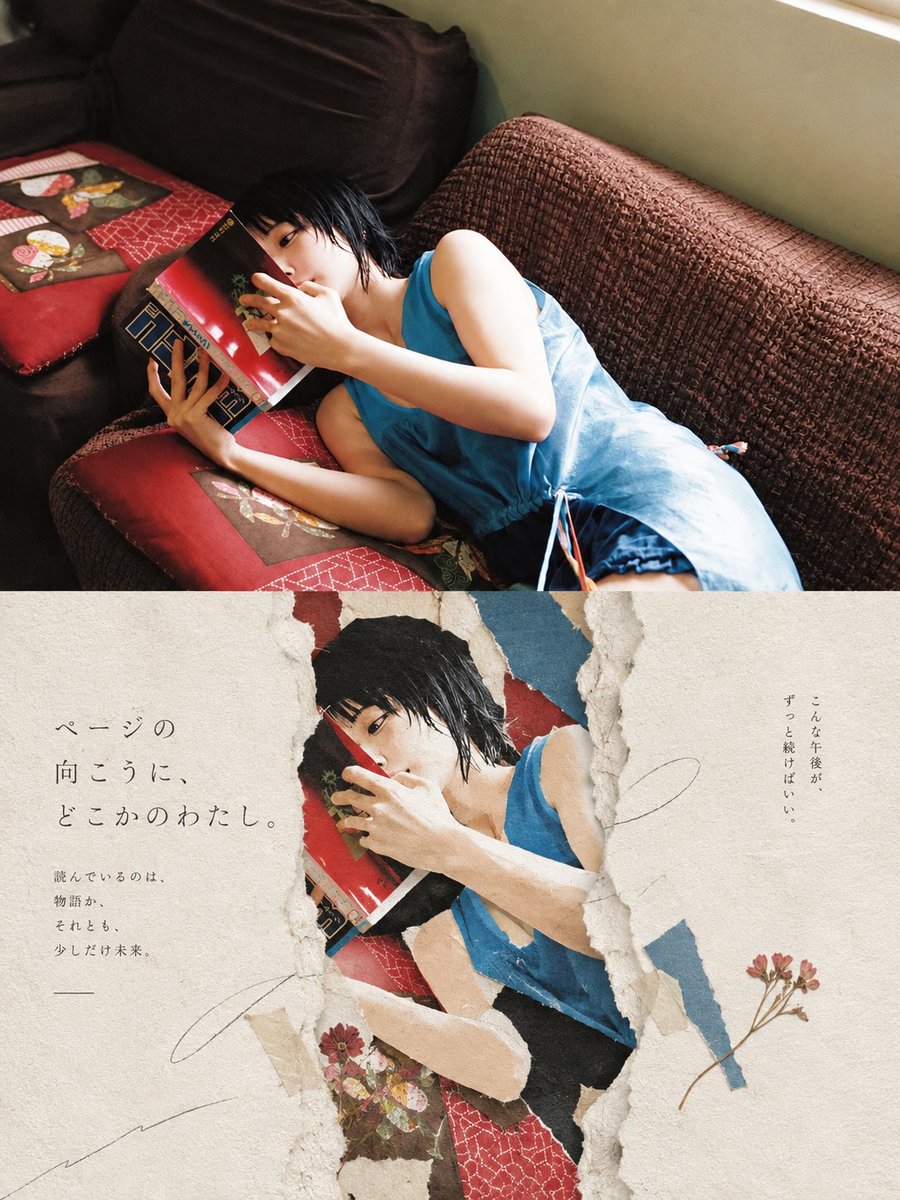
Brush-Painted Poster Illustration
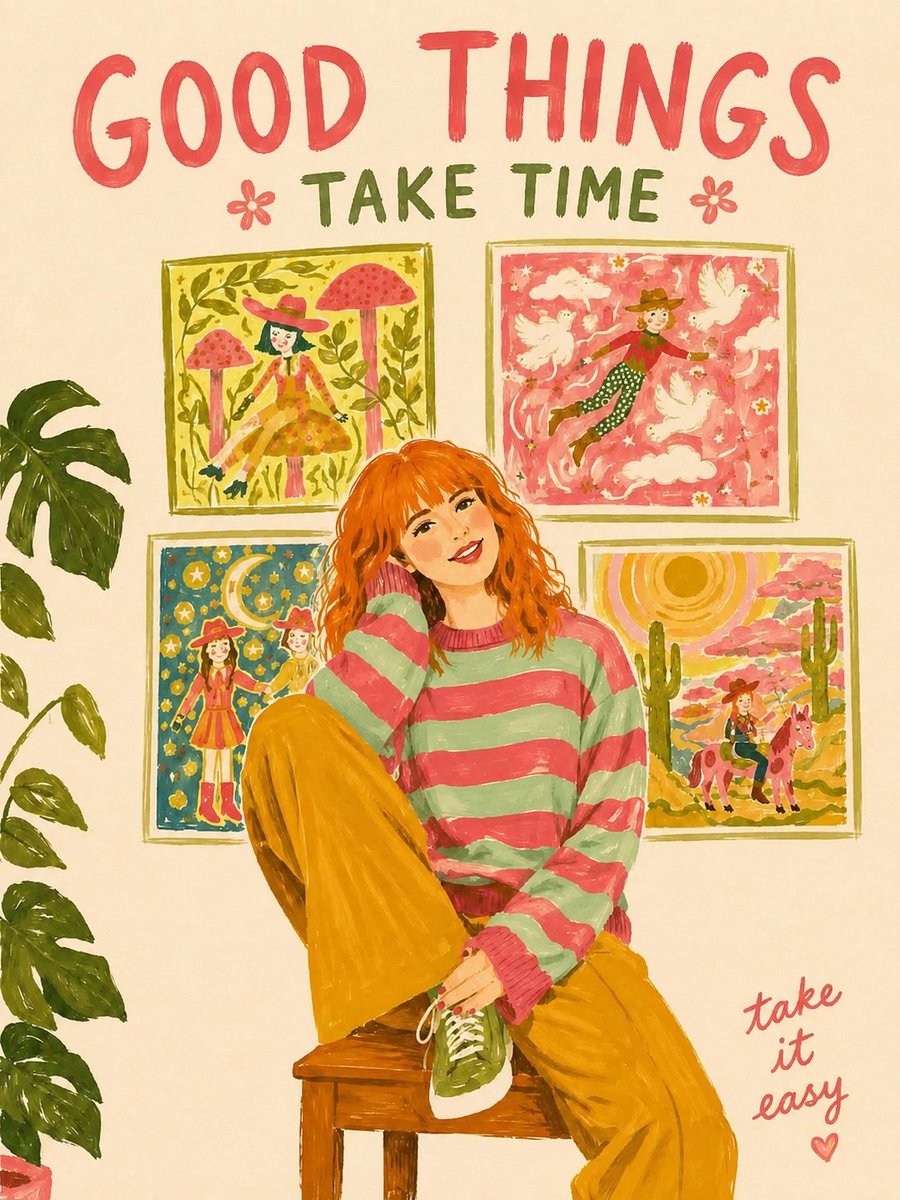
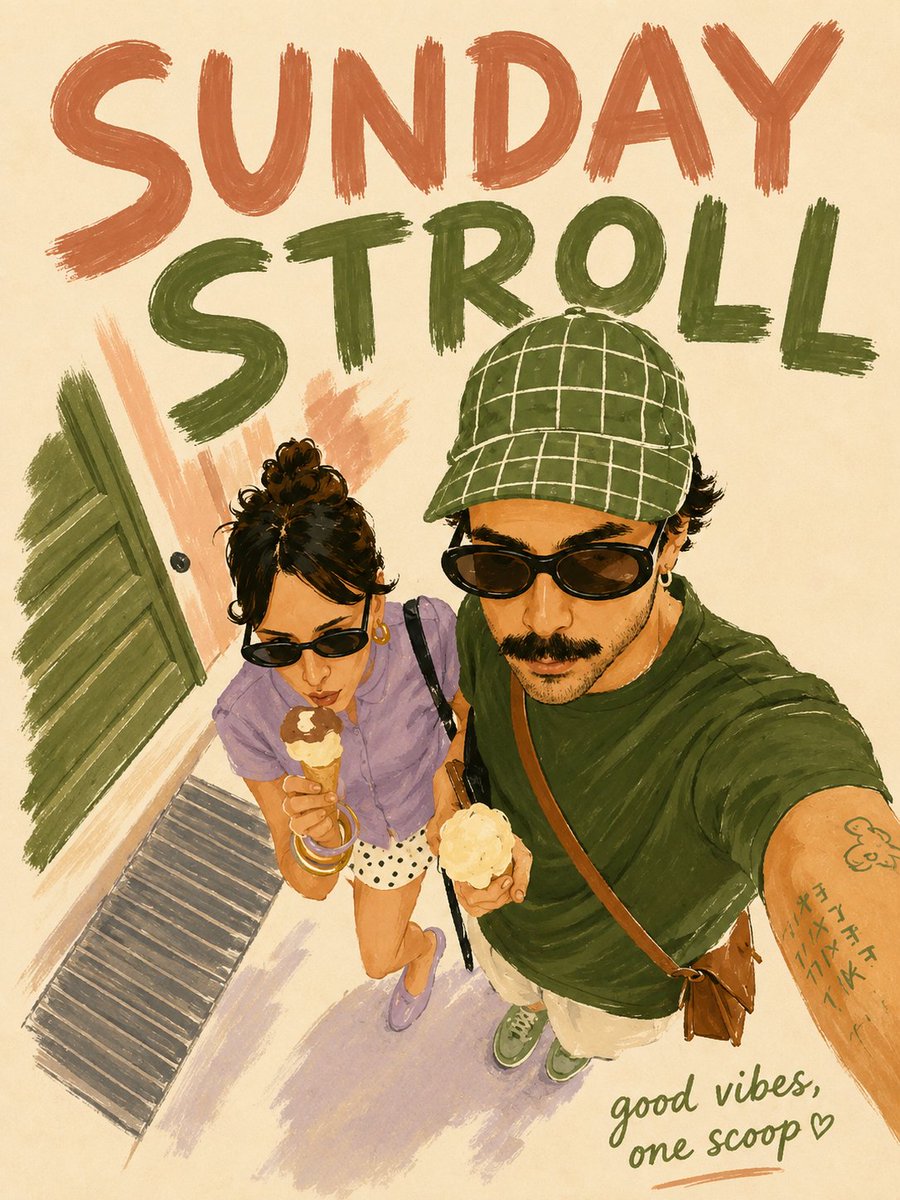
Brush-Painted Poster Illustration

prompt

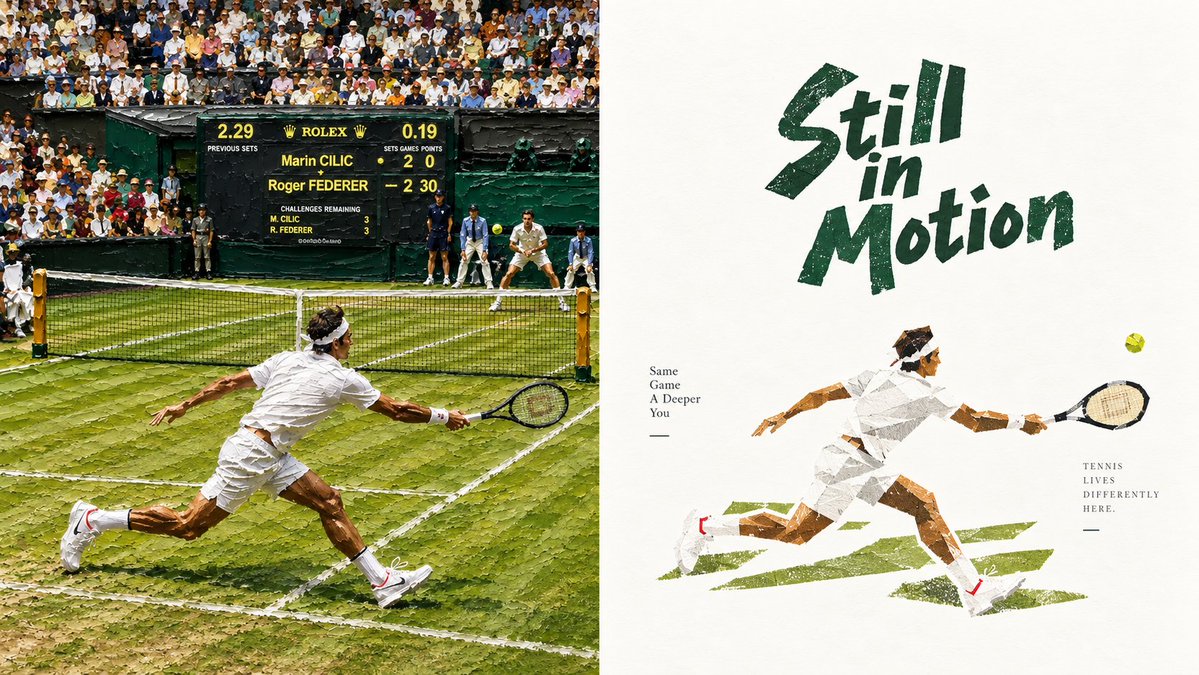
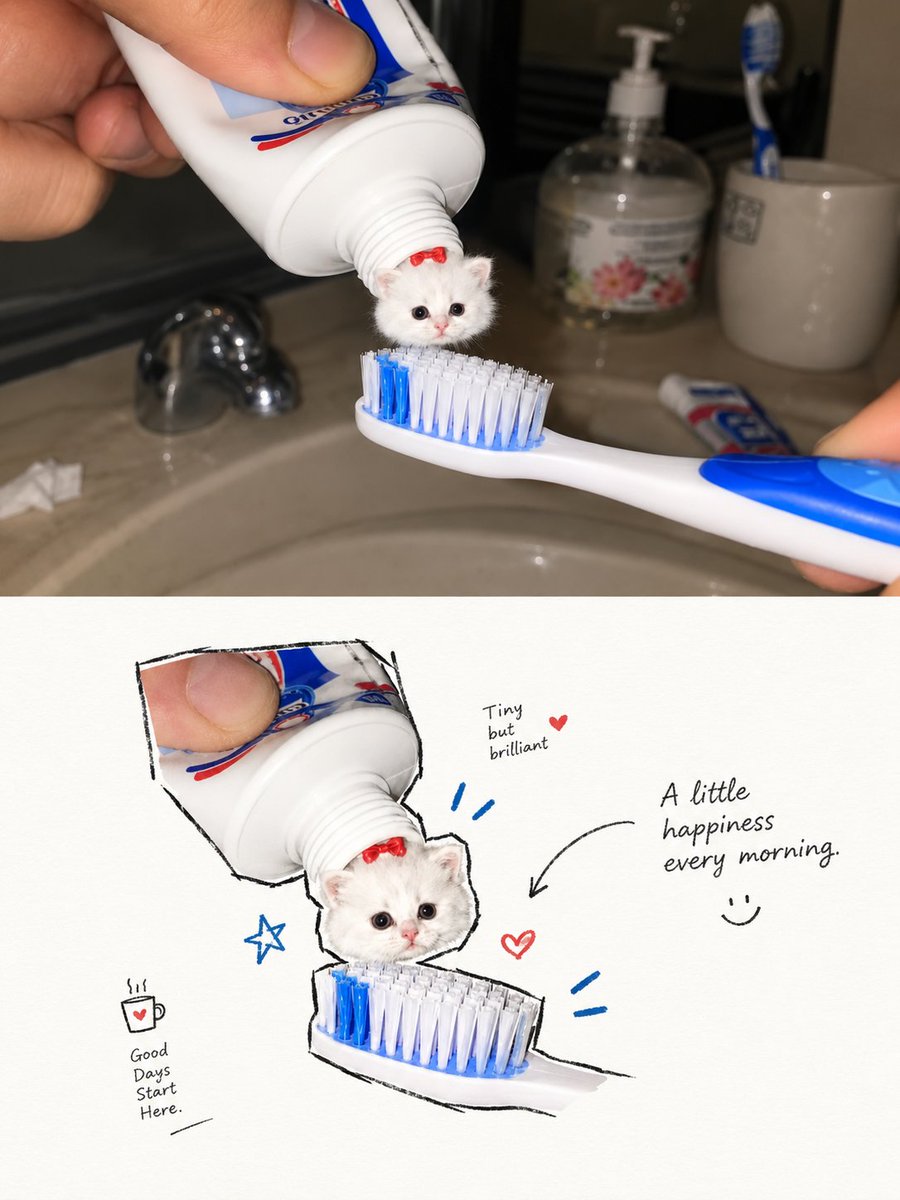
Transform the attached photo into a brush-painted illustration poster. The subject in the photo can be food, another product, a landscape, an animal, a person, or any object you want to feature as the main subject. [Aspect Ratio] Vertical 3:4 [Style] Digital painting / brush-painted effect. Visible brush strokes, uneven edges, slightly stretched paint marks. Hand-painted appearance that feels untouched and authentic. Interpret the image as a flat illustration with a simple arrangement of shapes rather than a realistic depiction. No gradients, shadows, 3D rendering, or detailed textures. Keep everything completely flat. Use a thin, irregular brush-painted outline that varies slightly from the painted areas. [Color] Background should be cream / off-white paper. Use only 3–4 colors taken from the attached photo: 1 dark primary color 1 bright primary color 1–2 supporting colors Slightly desaturated vintage tone. Never increase the number of colors. [Composition] The subject should be large and centered, occupying approximately 50–55% of the canvas. Extend the composition vertically with more space above and below, while also increasing the left and right margins. At the top: place 1–2 English uppercase words describing the subject, in very large hand-painted brush lettering. Use very wide letter spacing; the text may wrap around the illustration or extend toward the right/downward. At the bottom right: add a short handwritten English phrase of 3–5 words in an accent color. [Text] Look at the photo and choose suitable top and bottom phrases. Do not use the actual subject name as the top text. Choose words based on the atmosphere, location, season, time of day, or emotion shown in the photo. The bottom phrase should feel casual, lighthearted, and slightly playful—not overly serious or explanatory. [Forbidden] Realistic rendering 3D Shadows Reflections Logos Watermarks Border frames Excessive enlargement of the subject

Funciona em 21 modelos

  • Flux
  • Flux 2
  • Flux Kontext
  • GPT-4o Image
  • GPT Image
  • GPT Image 2
  • GPT Image 2.5
  • GPT Image 2.6
  • Grok Imagine
  • Ideogram V3
  • Imagen 4
  • Kling
  • +9 Mais

O que este prompt produz

Seedream 5 prompt: male Não especificado v2
FLUX prompt: witch characher Não especificado flux-2-pro
FLUX prompt: comic Não especificado flux-2-pro
Hero prompt: woman with man in head lock Não especificado 1.0
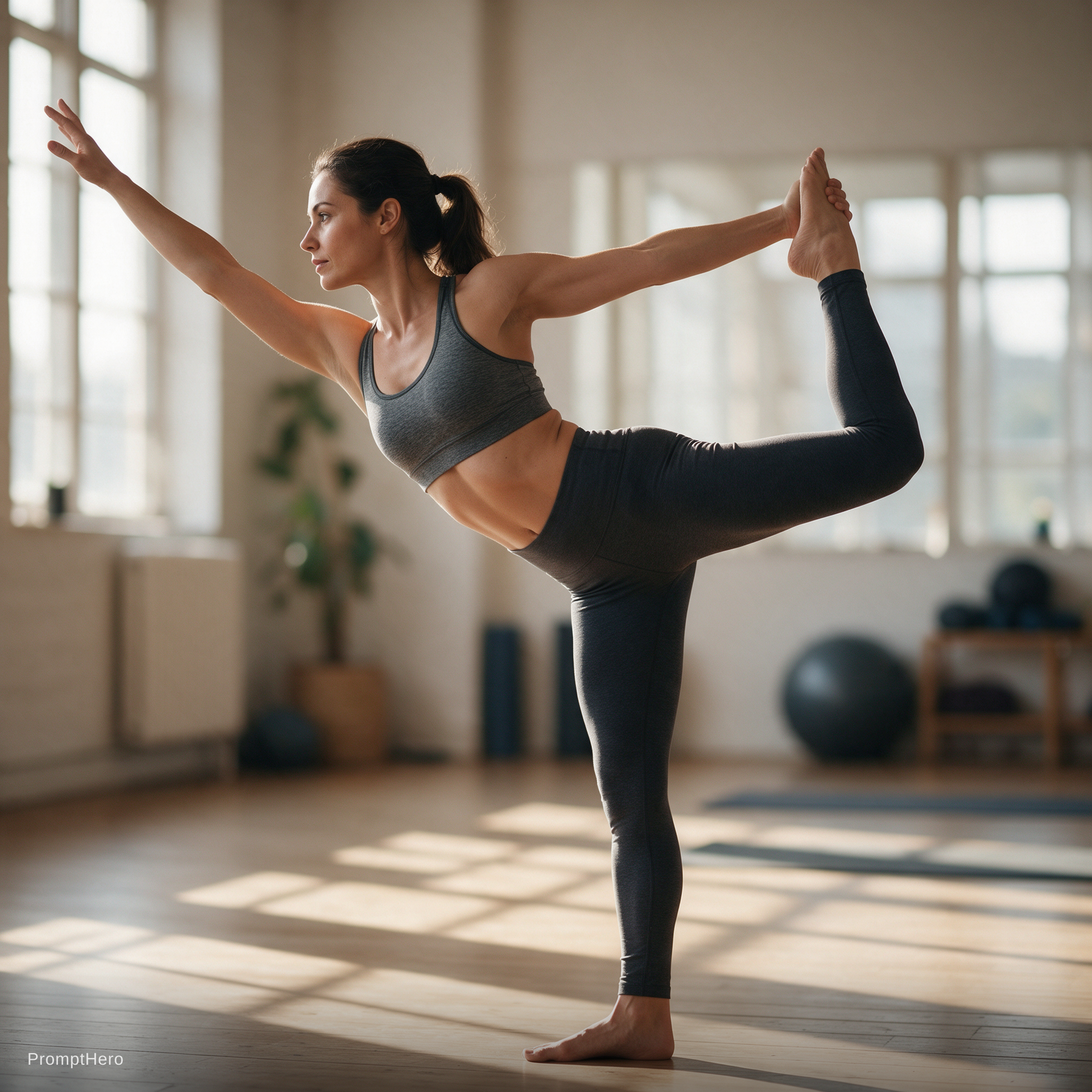
Seedream 5 prompt: Yoga in a sunlit studio, a woman in a sports bra a... Não especificado seedream-5-pro
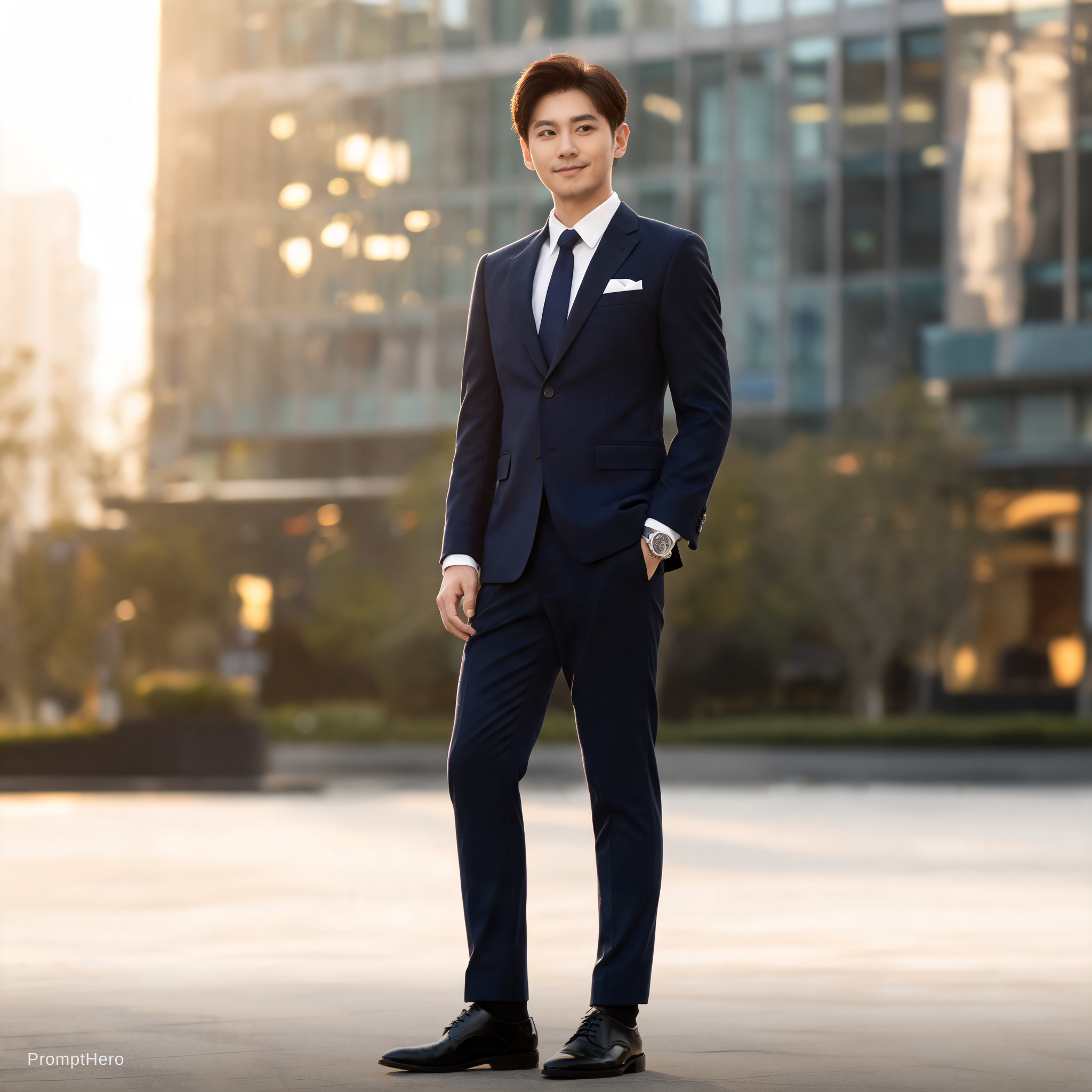
Seedream 5 prompt: master prompt for a man in suit Não especificado v2

Run este prompt com o API

A solicitação abaixo envia esse prompt, com seus valores padrão preenchidos, para o primeiro modelo em que é executado. Troque o nome do modelo por qualquer outro modelo listado acima.

Documentação da prompt API
/api/v1/gpt_image_2/text_to_image
curl -X POST https://runapi.ai/api/v1/gpt_image_2/text_to_image \
  -H "Authorization: Bearer $RUNAPI_API_KEY" \
  -H "Content-Type: application/json" \
  --data-binary @- <<'JSON'
{
  "model": "gpt-image-2",
  "prompt": "Transform the attached photo into a brush-painted illustration poster. The subject in the photo can be food, another product, a landscape, an animal, a person, or any object you want to feature as the main subject.\n[Aspect Ratio]\nVertical 3:4\n[Style]\nDigital painting / brush-painted effect.\nVisible brush strokes, uneven edges, slightly stretched paint marks.\nHand-painted appearance that feels untouched and authentic.\nInterpret the image as a flat illustration with a simple arrangement of shapes rather than a realistic depiction.\nNo gradients, shadows, 3D rendering, or detailed textures. Keep everything completely flat.\nUse a thin, irregular brush-painted outline that varies slightly from the painted areas.\n[Color]\nBackground should be cream / off-white paper.\nUse only 3–4 colors taken from the attached photo:\n1 dark primary color\n1 bright primary color\n1–2 supporting colors\nSlightly desaturated vintage tone.\nNever increase the number of colors.\n[Composition]\nThe subject should be large and centered, occupying approximately 50–55% of the canvas.\nExtend the composition vertically with more space above and below, while also increasing the left and right margins.\nAt the top: place 1–2 English uppercase words describing the subject, in very large hand-painted brush lettering. Use very wide letter spacing; the text may wrap around the illustration or extend toward the right/downward.\nAt the bottom right: add a short handwritten English phrase of 3–5 words in an accent color.\n[Text]\nLook at the photo and choose suitable top and bottom phrases.\nDo not use the actual subject name as the top text.\nChoose words based on the atmosphere, location, season, time of day, or emotion shown in the photo.\nThe bottom phrase should feel casual, lighthearted, and slightly playful—not overly serious or explanatory.\n[Forbidden]\nRealistic rendering\n3D\nShadows\nReflections\nLogos\nWatermarks\nBorder frames\nExcessive enlargement of the subject"
}
JSON

Experimentar a prompt