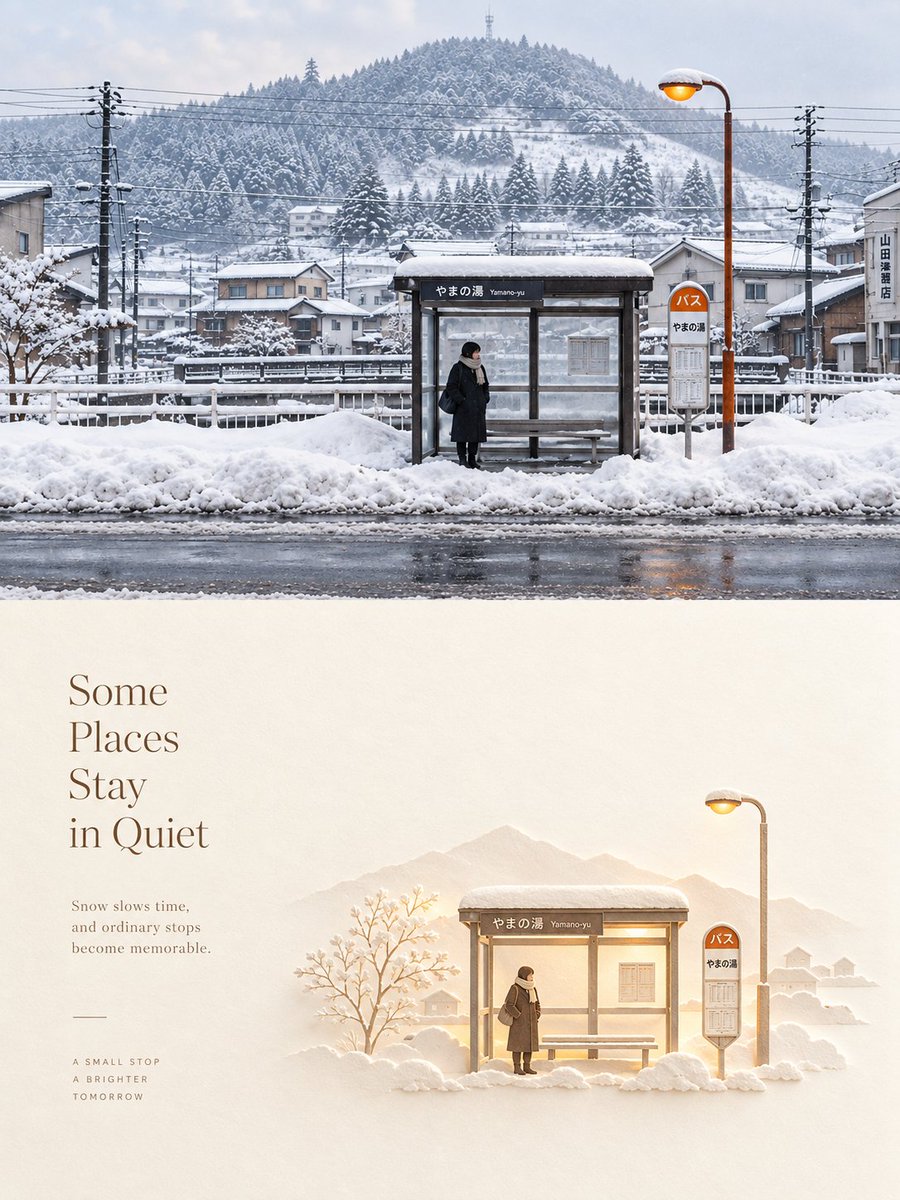
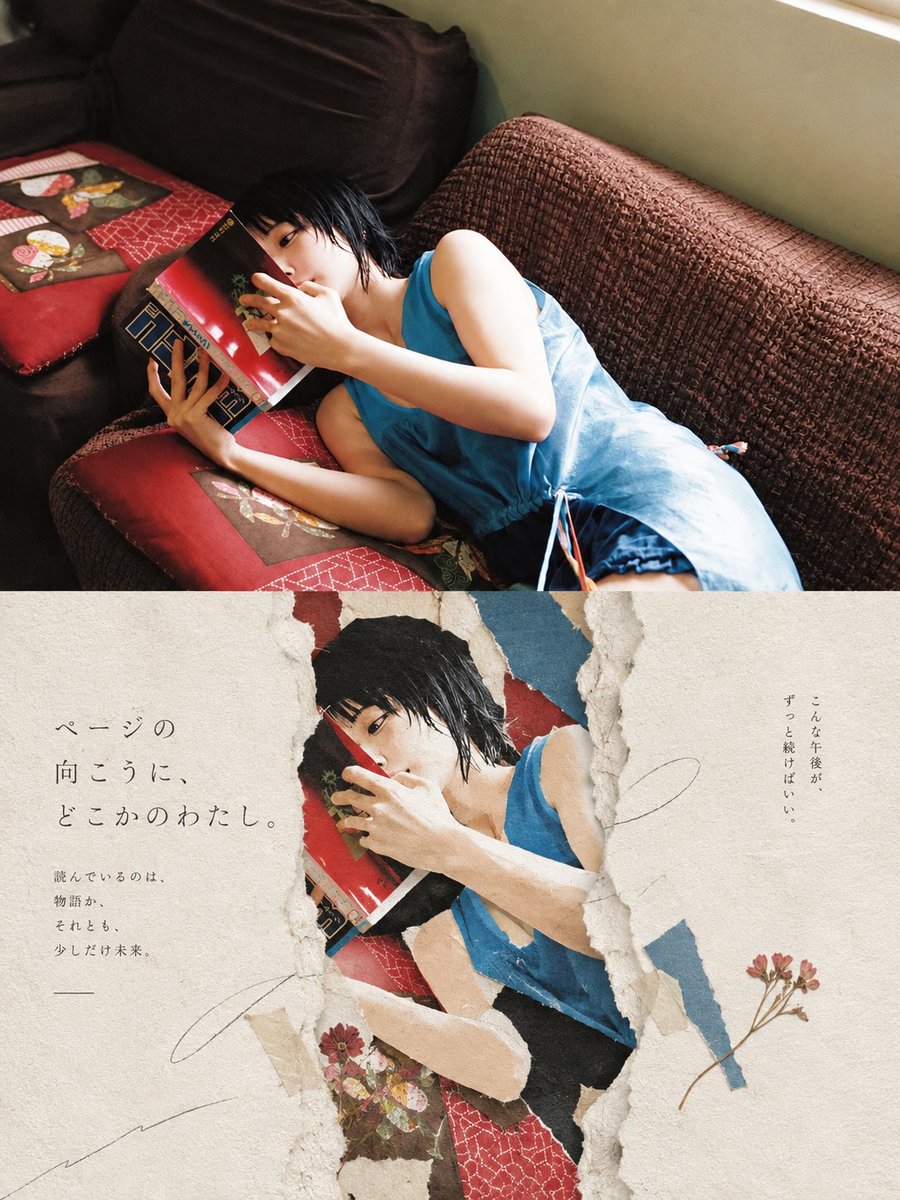
Contemporary Graphic Design Poster
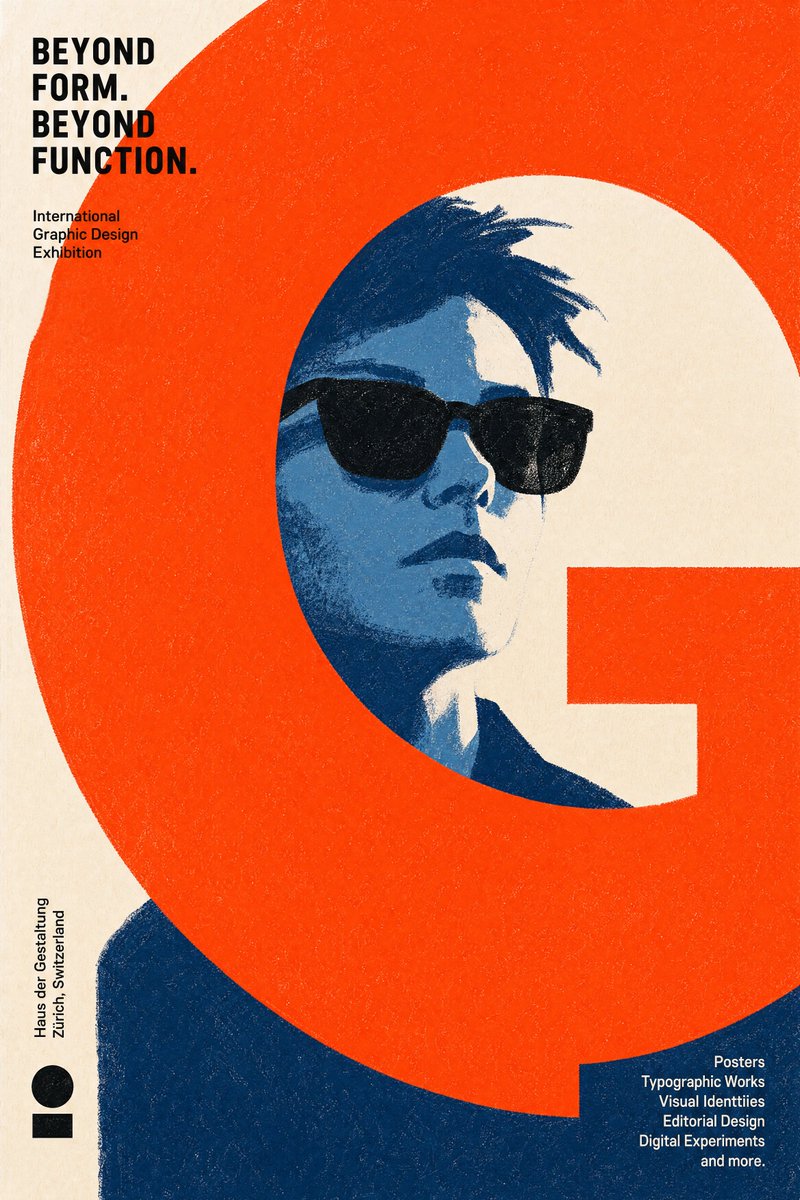
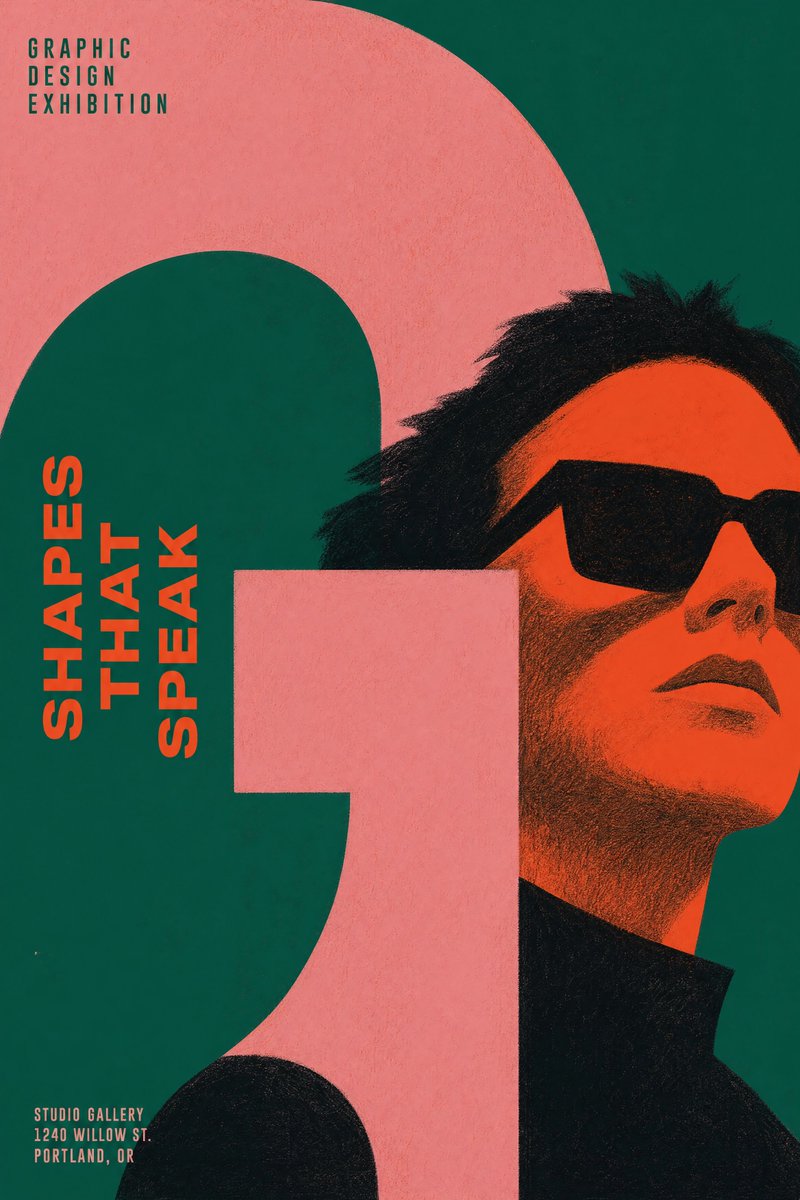
Contemporary Graphic Design Poster

즉각적인

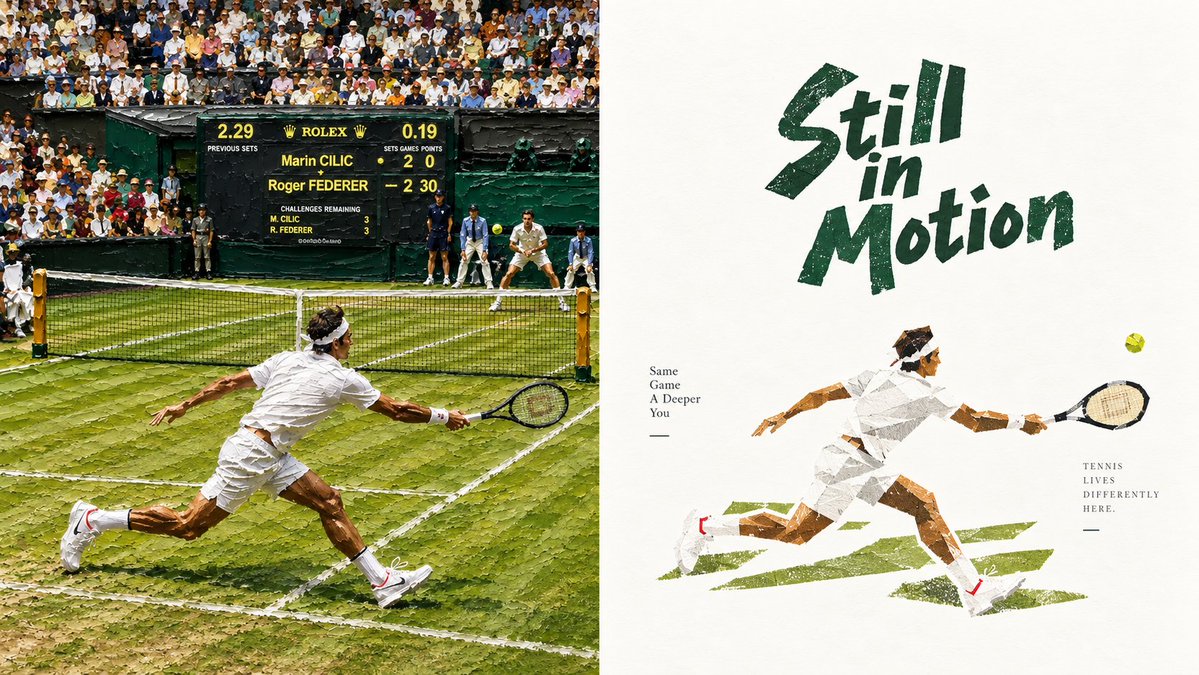
Create an original contemporary graphic design exhibition poster. The poster should feel suitable for an international contemporary graphic design exhibition. Think like a graphic designer, not a portrait painter. The graphic design is the artwork. The illustration exists to support the design. REQUIRED ELEMENTS A recognizable character. Wearing sunglasses. One dominant graphic design element. If a reference image is provided, preserve the person's recognizable identity. Otherwise, use the same character established throughout the conversation. These are the only required visual elements. Everything else should be freely reinvented for every poster. GRAPHIC DESIGN ELEMENT The dominant graphic element may be geometric, typographic, architectural, abstract, organic, or entirely original. It may consist of a single bold shape, oversized typography, bands, frames, grids, blocks, lines, curves, cut-outs, negative space, or any other graphic device. Choose the single visual element that creates the strongest overall graphic composition for this specific poster. VISUAL STYLE No lineart. Construct the image entirely from flat graphic color shapes. Large simplified shapes. Minimal details. Visible dry crayon texture. Limited color palette. Bold negative space. Minimalist editorial poster. Embrace bold simplification. Reduce details whenever possible. Communicate through shape before texture. Design with confidence, not accuracy. GRAPHIC COMPOSITION The composition should be determined entirely by the art director. The portrait may be cropped, offset, scaled, partially hidden, or extend beyond the frame whenever it strengthens the design. The dominant graphic element may intersect, crop, frame, hide, divide, surround, interrupt, or visually balance the portrait. Treat typography, negative space, geometric balance, and composition as equally important as the portrait. Avoid centered composition. Avoid symmetrical balance. Avoid conventional portrait layouts. Prioritize bold graphic design over realistic illustration. COLOR Use bold, unexpected color combinations inspired by professional color design references rather than natural colors. Avoid realistic color choices. Allow every poster to explore a completely different palette. CREATIVE FREEDOM The illustration style, composition, color palette, graphic language, shape design, texture, typography, and visual storytelling should be freely interpreted by the illustrator. Never repeat the same visual solution twice. Do not establish a recurring signature motif. Each poster should invent its own visual language from scratch. Every poster should look as though it was created by a different world-class graphic designer while still belonging to the same exhibition.

21 모델에서 실행됩니다.

  • Flux
  • Flux 2
  • Flux Kontext
  • GPT-4o Image
  • GPT Image
  • GPT Image 2
  • GPT Image 2.5
  • GPT Image 2.6
  • Grok Imagine
  • Ideogram V3
  • Imagen 4
  • Kling
  • +9 이상

이 프롬프트의 출력

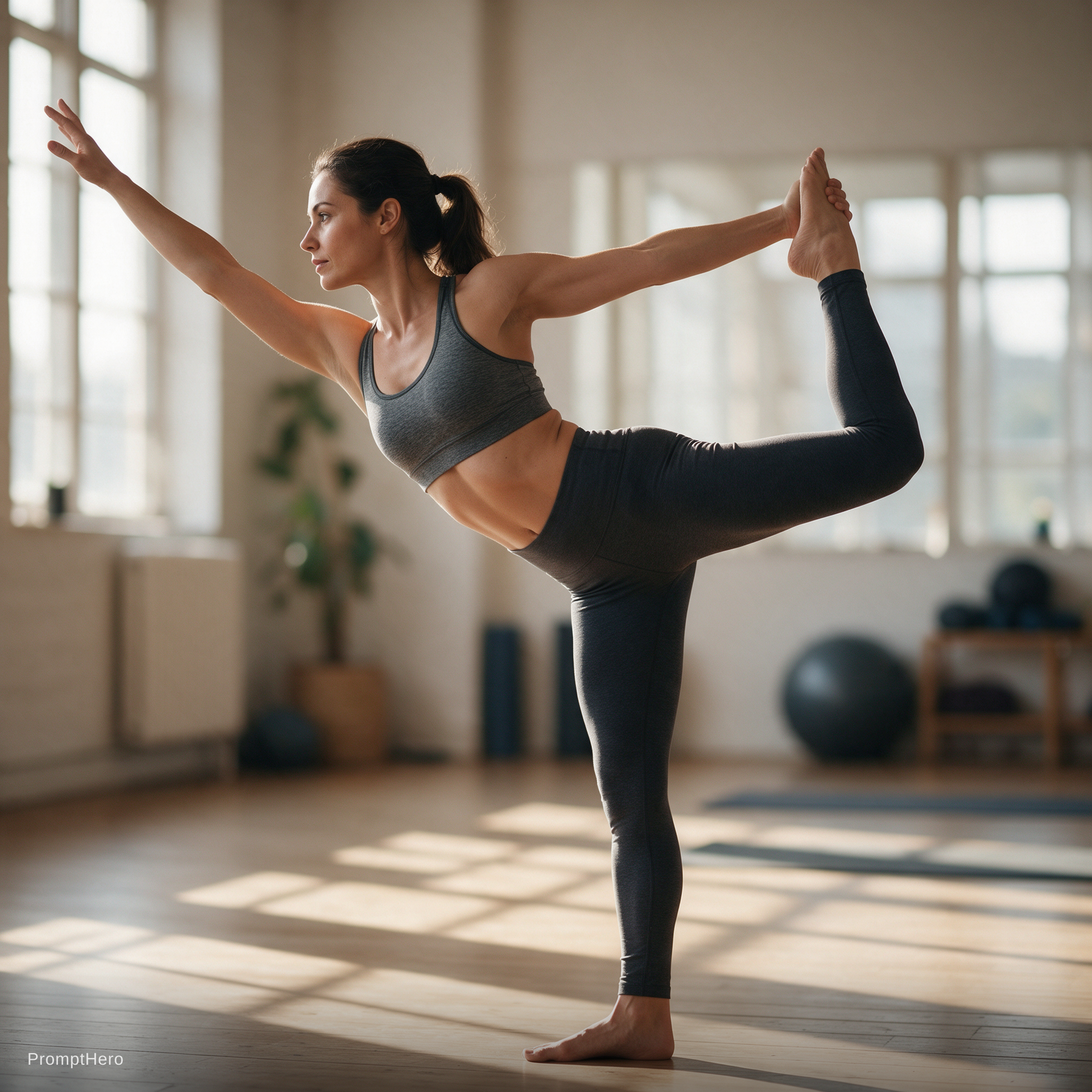
Seedream 5 prompt: Yoga in a sunlit studio, a woman in a sports bra a... 지정되지 않음 seedream-5-pro
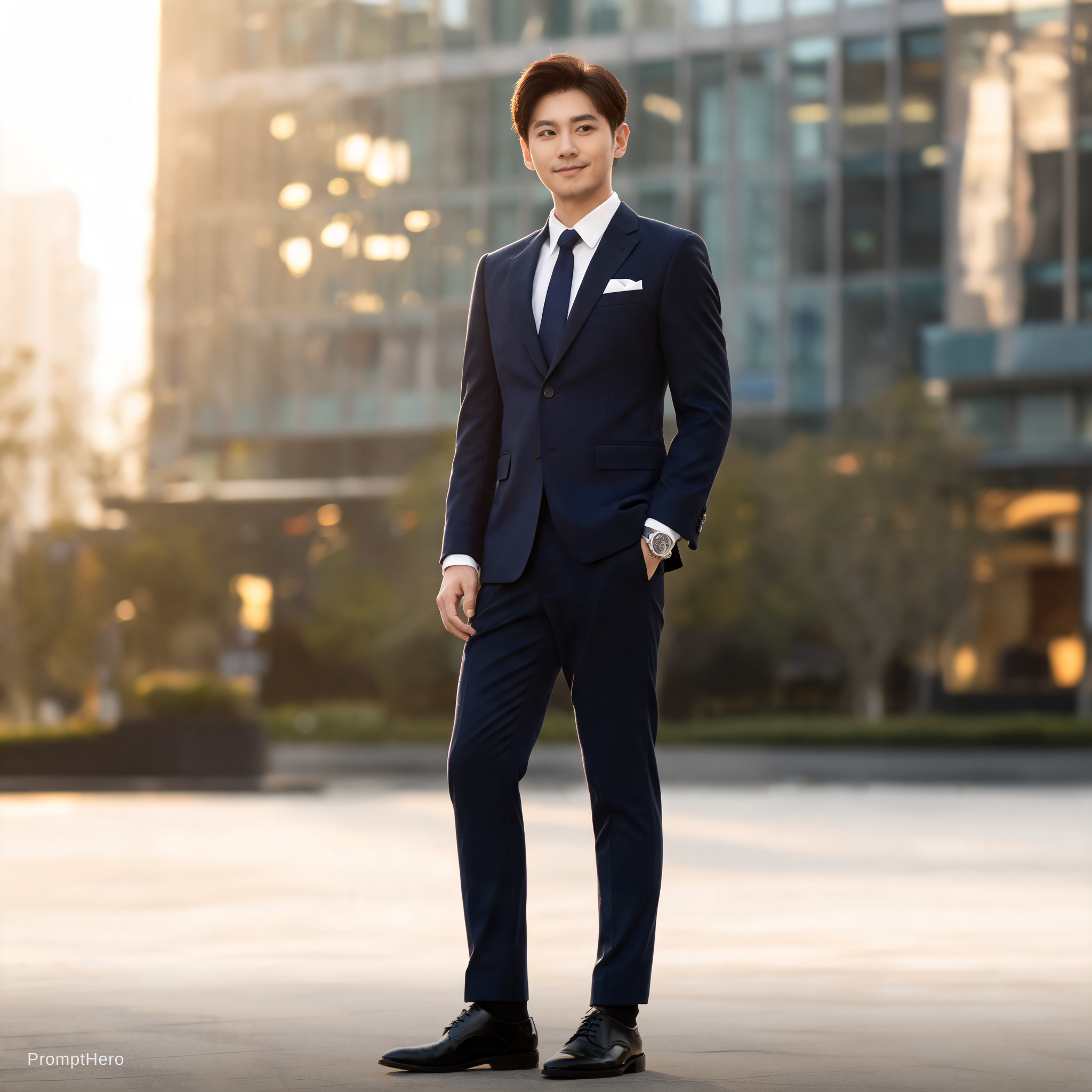
Seedream 5 prompt: master prompt for a man in suit 지정되지 않음 v2
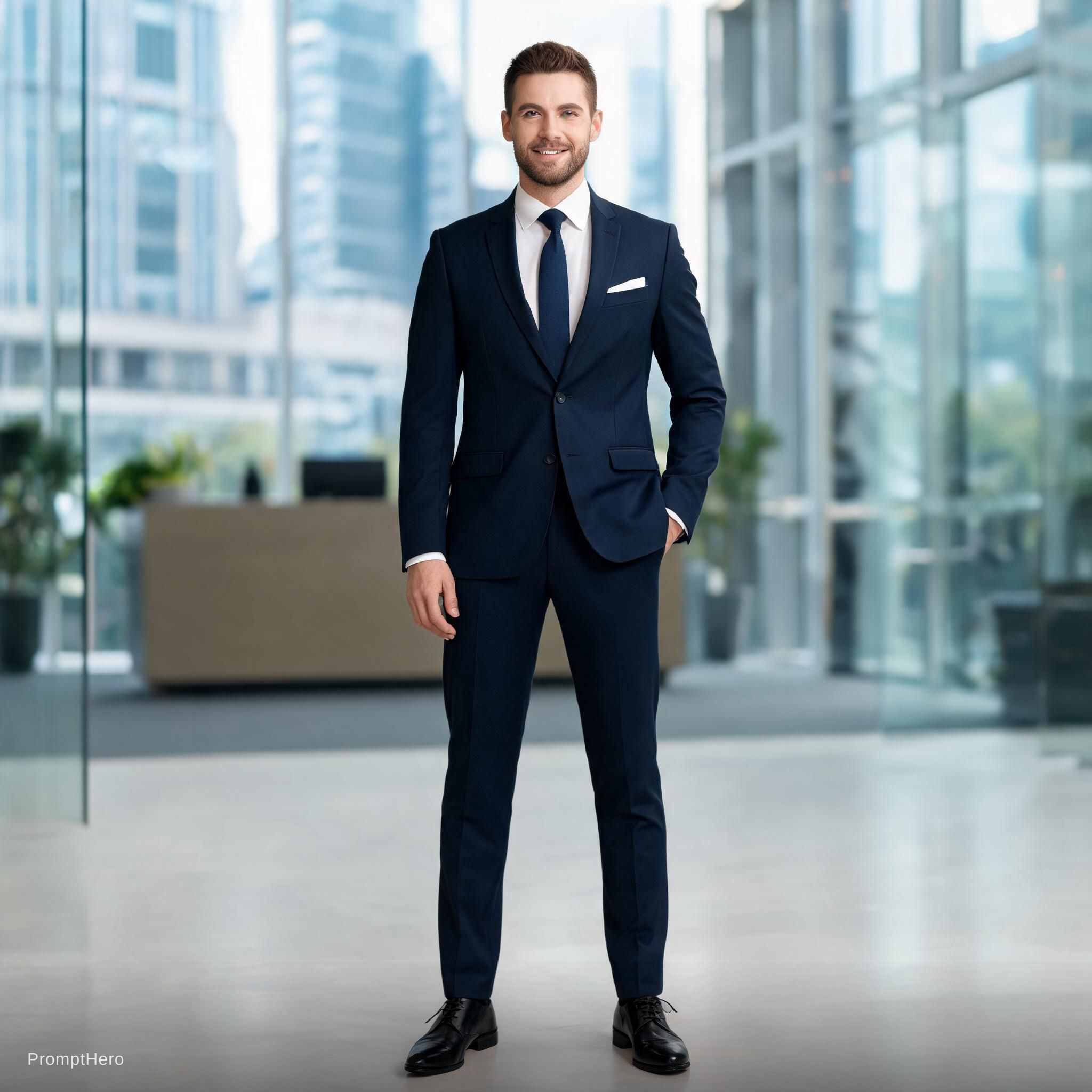
Seedream 5 prompt: Master prompt for a man in a suit 지정되지 않음 v2
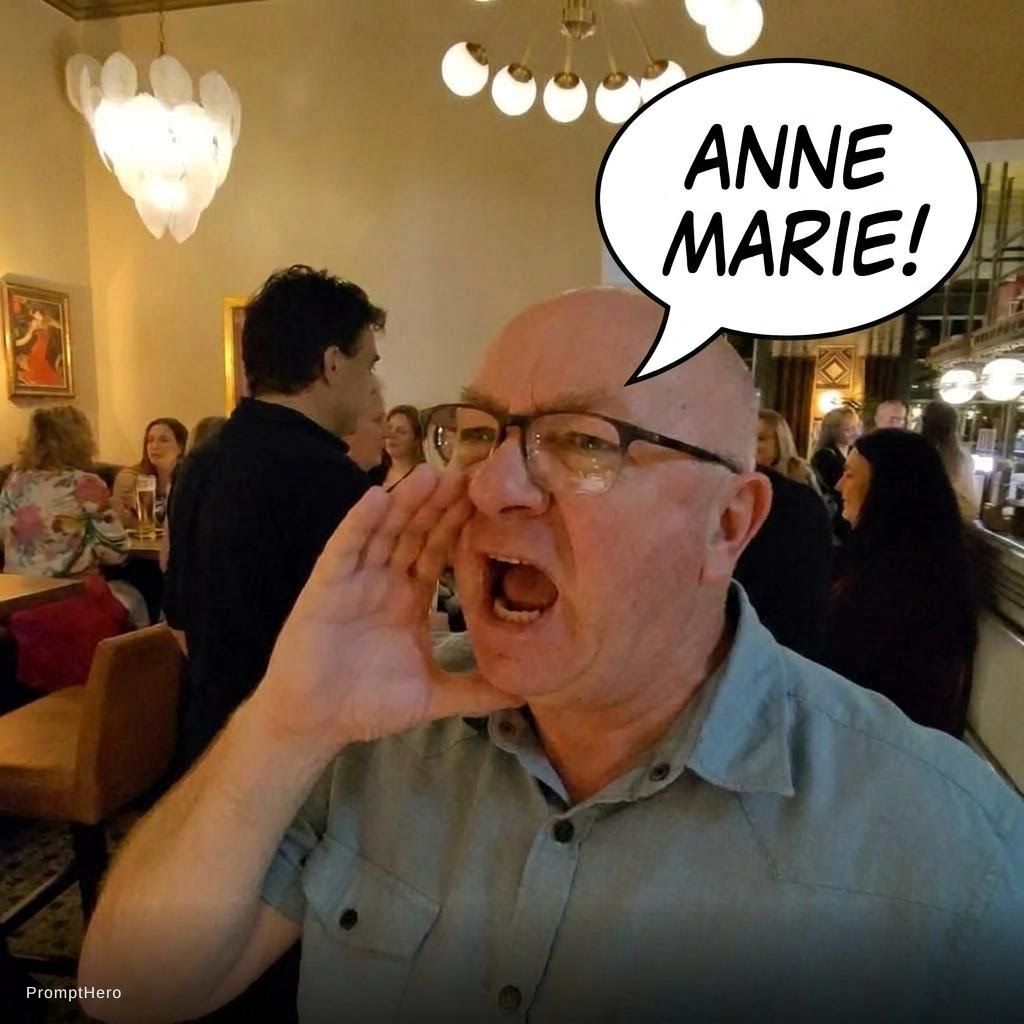
Hero prompt: add speach bubble 

ANNE MARIE 지정되지 않음 1.0
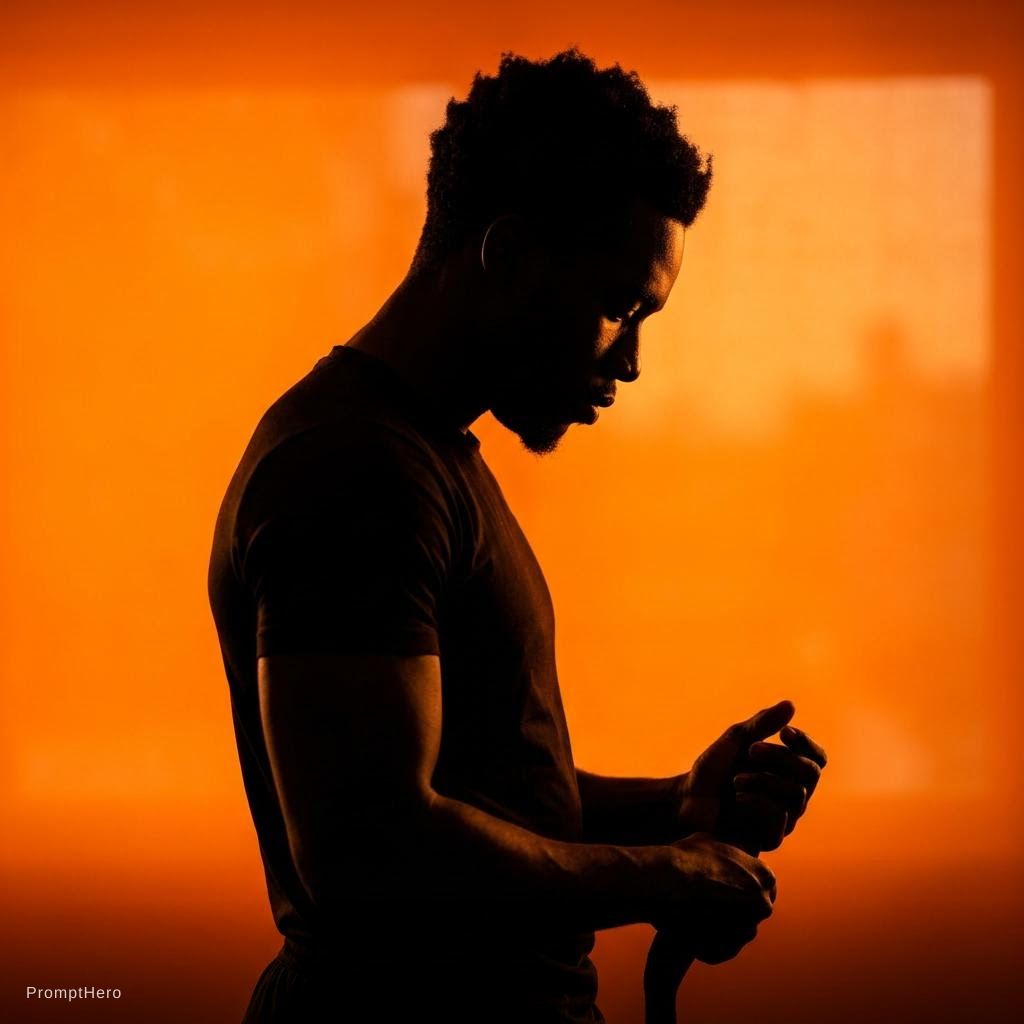
Hero prompt: photography, portrait of contrast, profile silhoue... 지정되지 않음 1.0
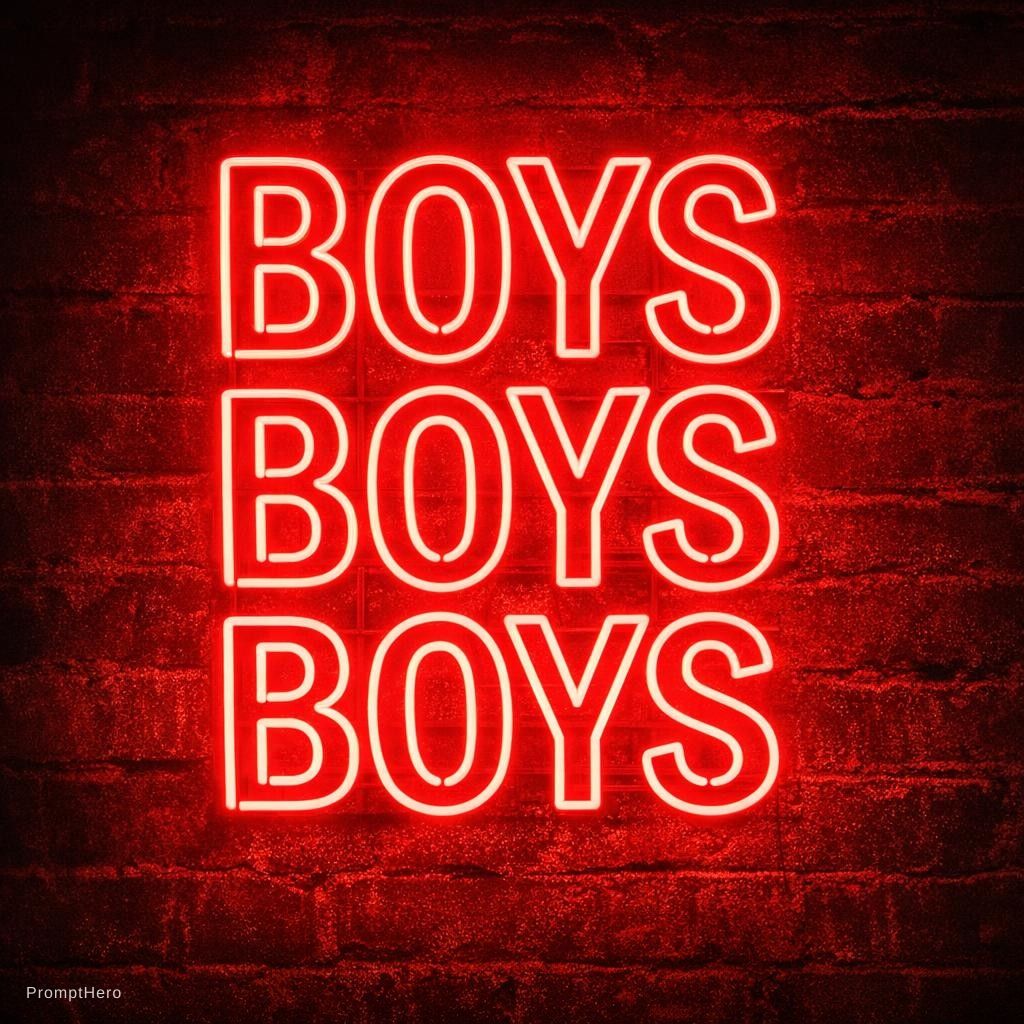
ChatGPT Image prompt: red neon sign that says 'BOYS BOYS BOYS' 지정되지 않음 v1

API를 사용하여 이 프롬프트를 실행하세요.

아래 요청은 기본값이 채워진 이 프롬프트를 실행되는 첫 번째 모델로 보냅니다. 위에 나열된 다른 모델의 모델 이름을 바꾸십시오.

프롬프트 API 문서
/api/v1/gpt_image_2/text_to_image
curl -X POST https://runapi.ai/api/v1/gpt_image_2/text_to_image \
  -H "Authorization: Bearer $RUNAPI_API_KEY" \
  -H "Content-Type: application/json" \
  --data-binary @- <<'JSON'
{
  "model": "gpt-image-2",
  "prompt": "Create an original contemporary graphic design exhibition poster. The poster should feel suitable for an international contemporary graphic design exhibition. Think like a graphic designer, not a portrait painter. The graphic design is the artwork. The illustration exists to support the design. REQUIRED ELEMENTS A recognizable character. Wearing sunglasses. One dominant graphic design element. If a reference image is provided, preserve the person's recognizable identity. Otherwise, use the same character established throughout the conversation. These are the only required visual elements. Everything else should be freely reinvented for every poster. GRAPHIC DESIGN ELEMENT The dominant graphic element may be geometric, typographic, architectural, abstract, organic, or entirely original. It may consist of a single bold shape, oversized typography, bands, frames, grids, blocks, lines, curves, cut-outs, negative space, or any other graphic device. Choose the single visual element that creates the strongest overall graphic composition for this specific poster. VISUAL STYLE No lineart. Construct the image entirely from flat graphic color shapes. Large simplified shapes. Minimal details. Visible dry crayon texture. Limited color palette. Bold negative space. Minimalist editorial poster. Embrace bold simplification. Reduce details whenever possible. Communicate through shape before texture. Design with confidence, not accuracy. GRAPHIC COMPOSITION The composition should be determined entirely by the art director. The portrait may be cropped, offset, scaled, partially hidden, or extend beyond the frame whenever it strengthens the design. The dominant graphic element may intersect, crop, frame, hide, divide, surround, interrupt, or visually balance the portrait. Treat typography, negative space, geometric balance, and composition as equally important as the portrait. Avoid centered composition. Avoid symmetrical balance. Avoid conventional portrait layouts. Prioritize bold graphic design over realistic illustration. COLOR Use bold, unexpected color combinations inspired by professional color design references rather than natural colors. Avoid realistic color choices. Allow every poster to explore a completely different palette. CREATIVE FREEDOM The illustration style, composition, color palette, graphic language, shape design, texture, typography, and visual storytelling should be freely interpreted by the illustrator. Never repeat the same visual solution twice. Do not establish a recurring signature motif. Each poster should invent its own visual language from scratch. Every poster should look as though it was created by a different world-class graphic designer while still belonging to the same exhibition."
}
JSON

메시지를 보내보세요