Second World Editorial Photography Poster
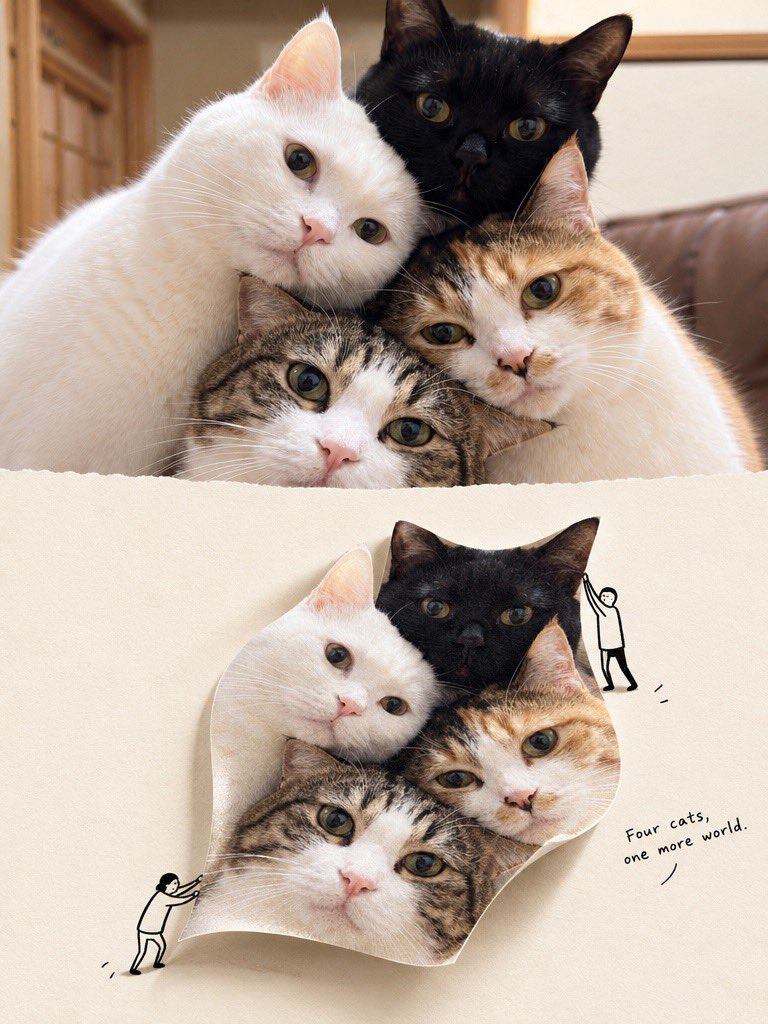
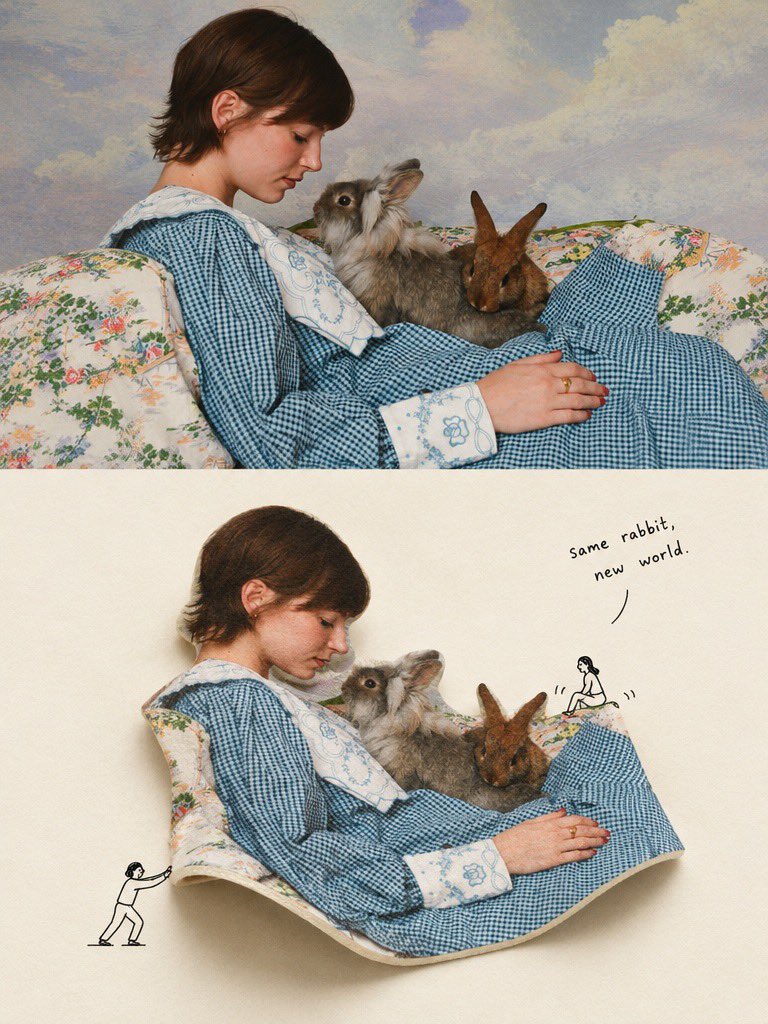
Second World Editorial Photography Poster
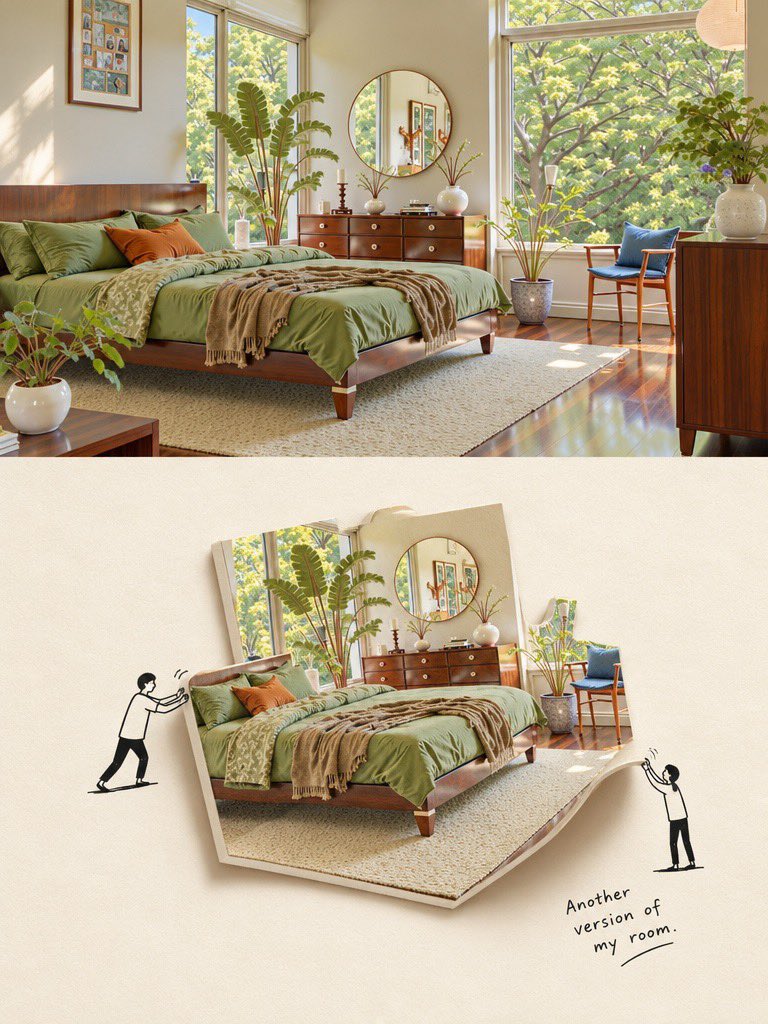

prompt

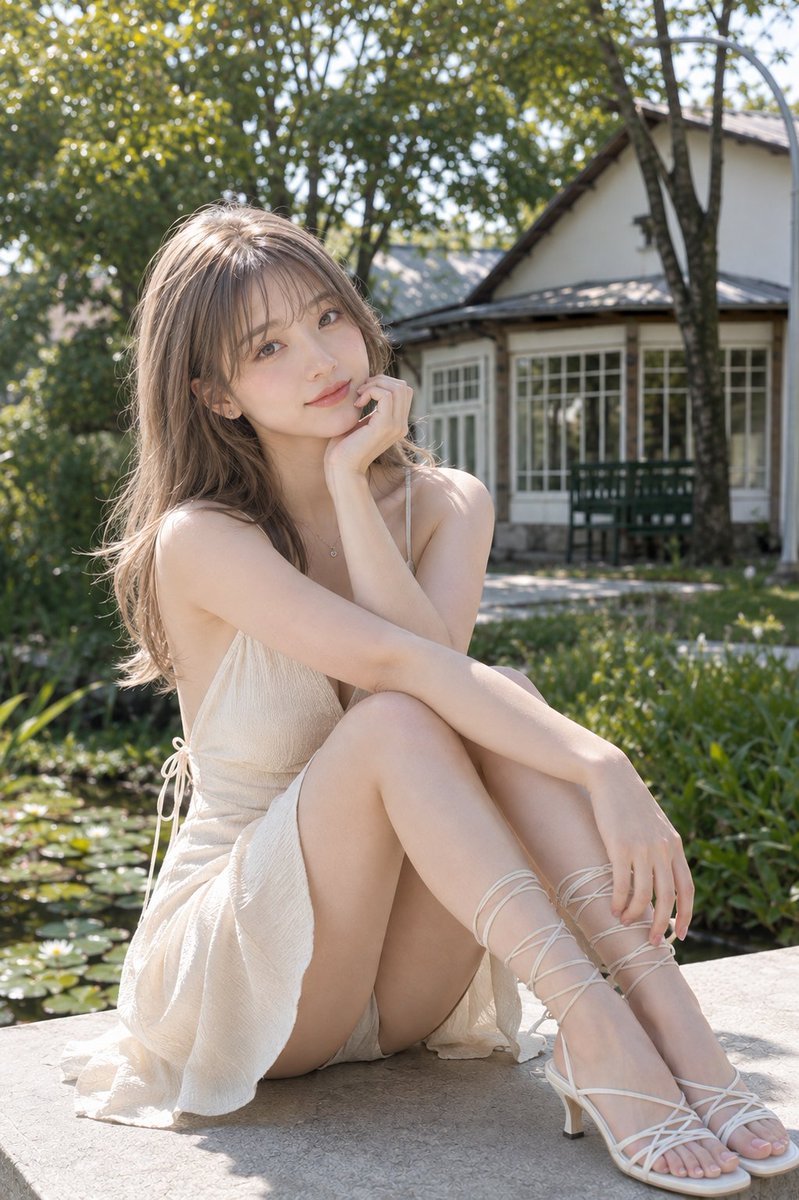
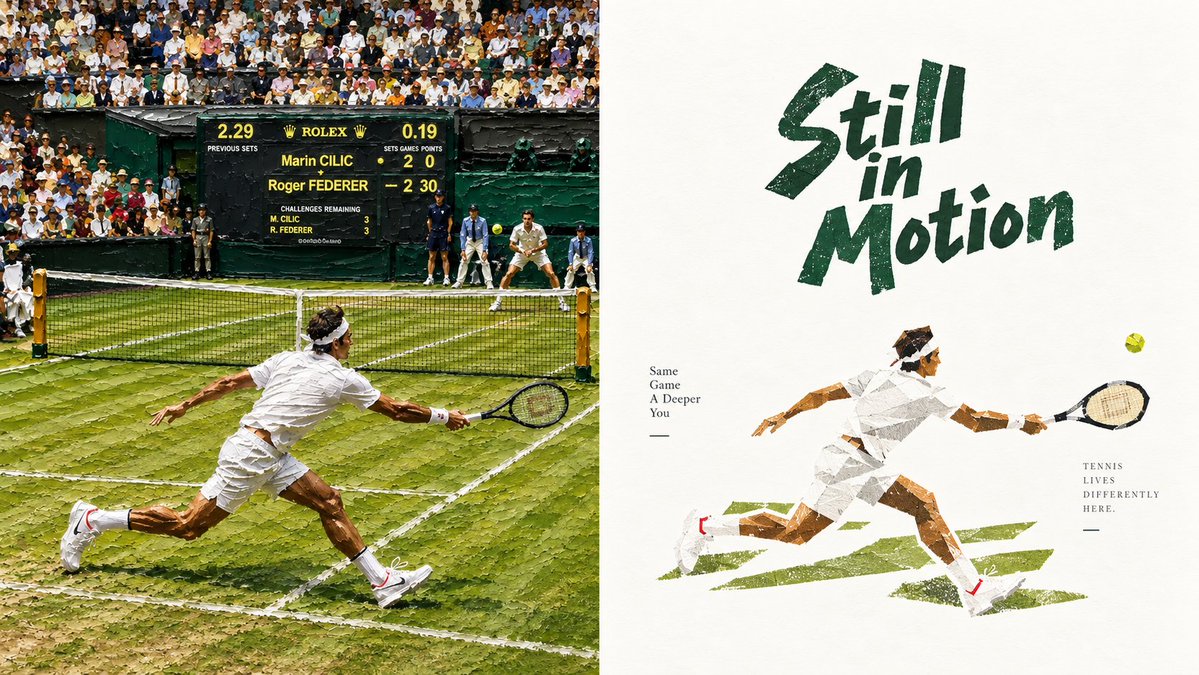
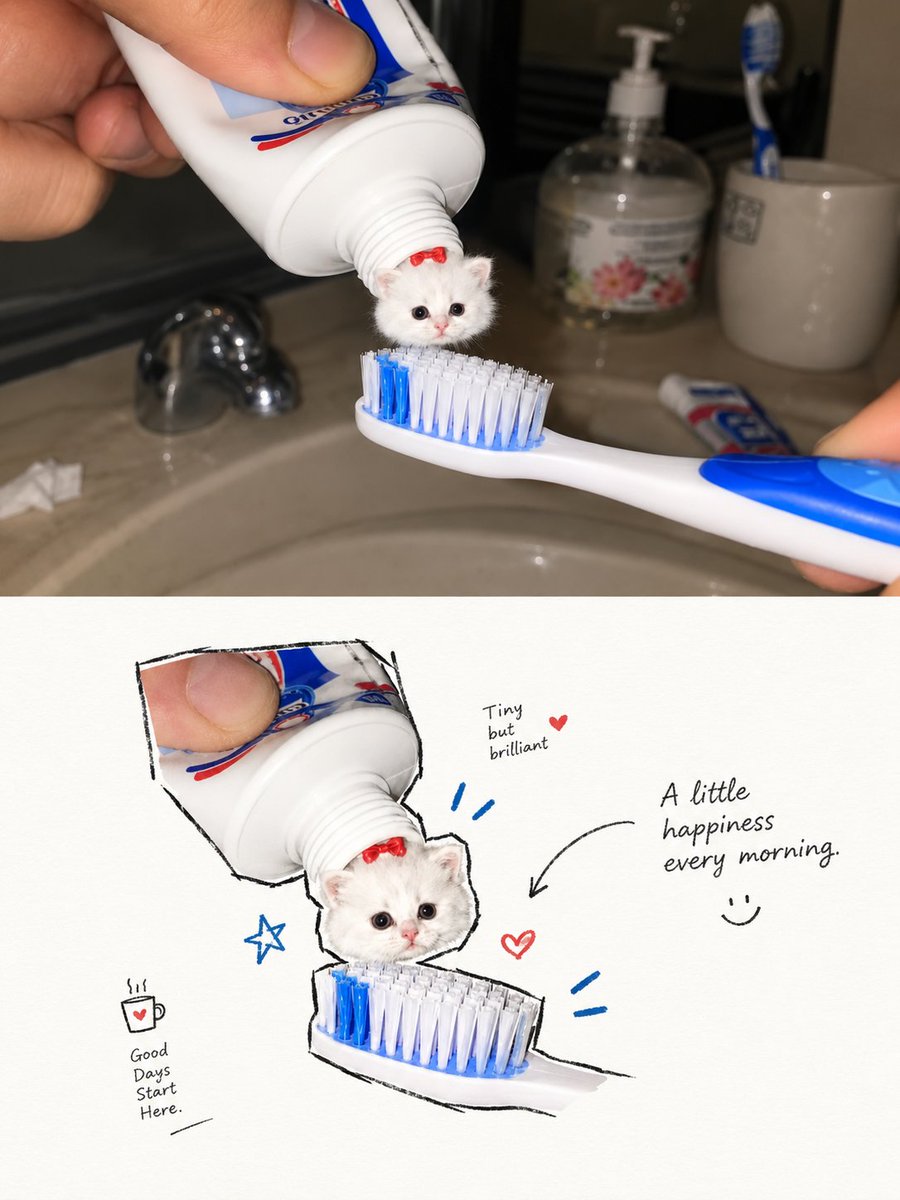
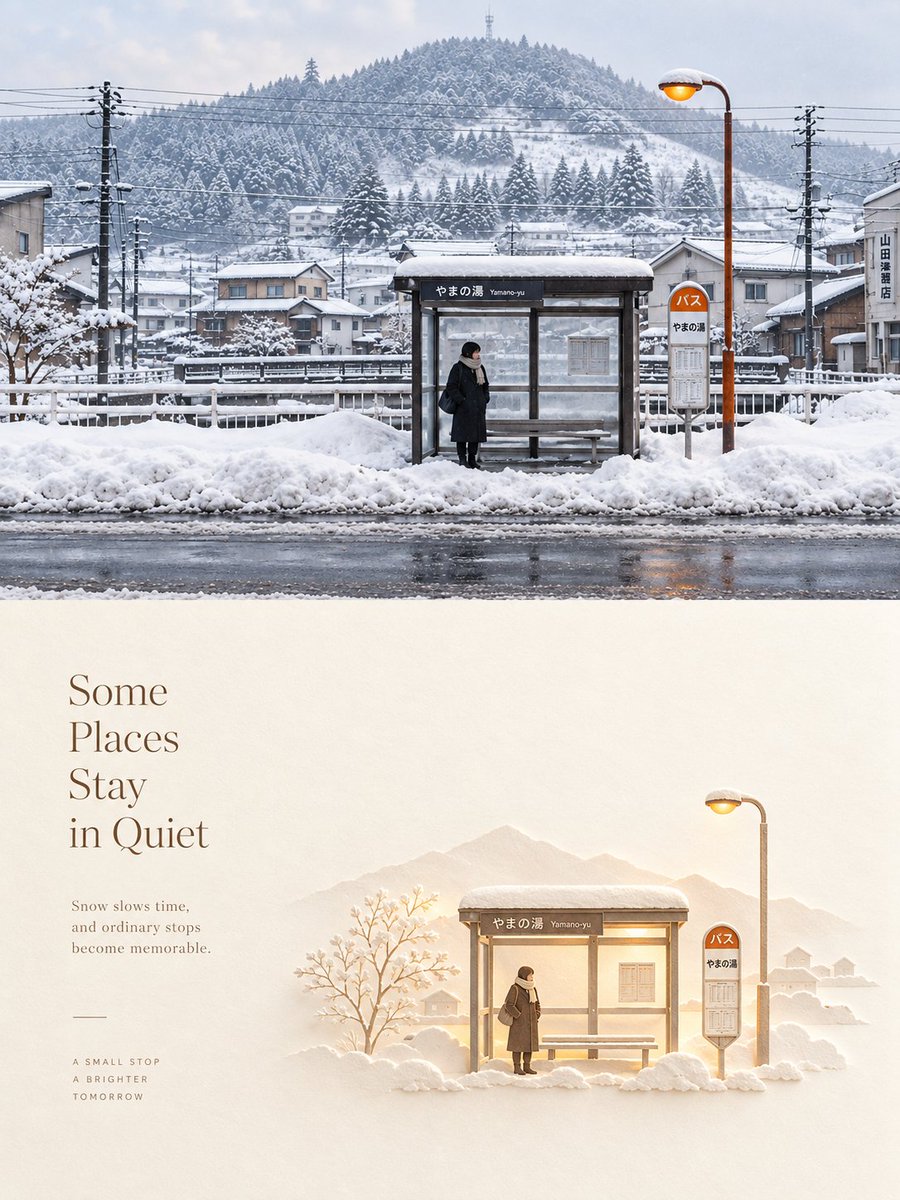
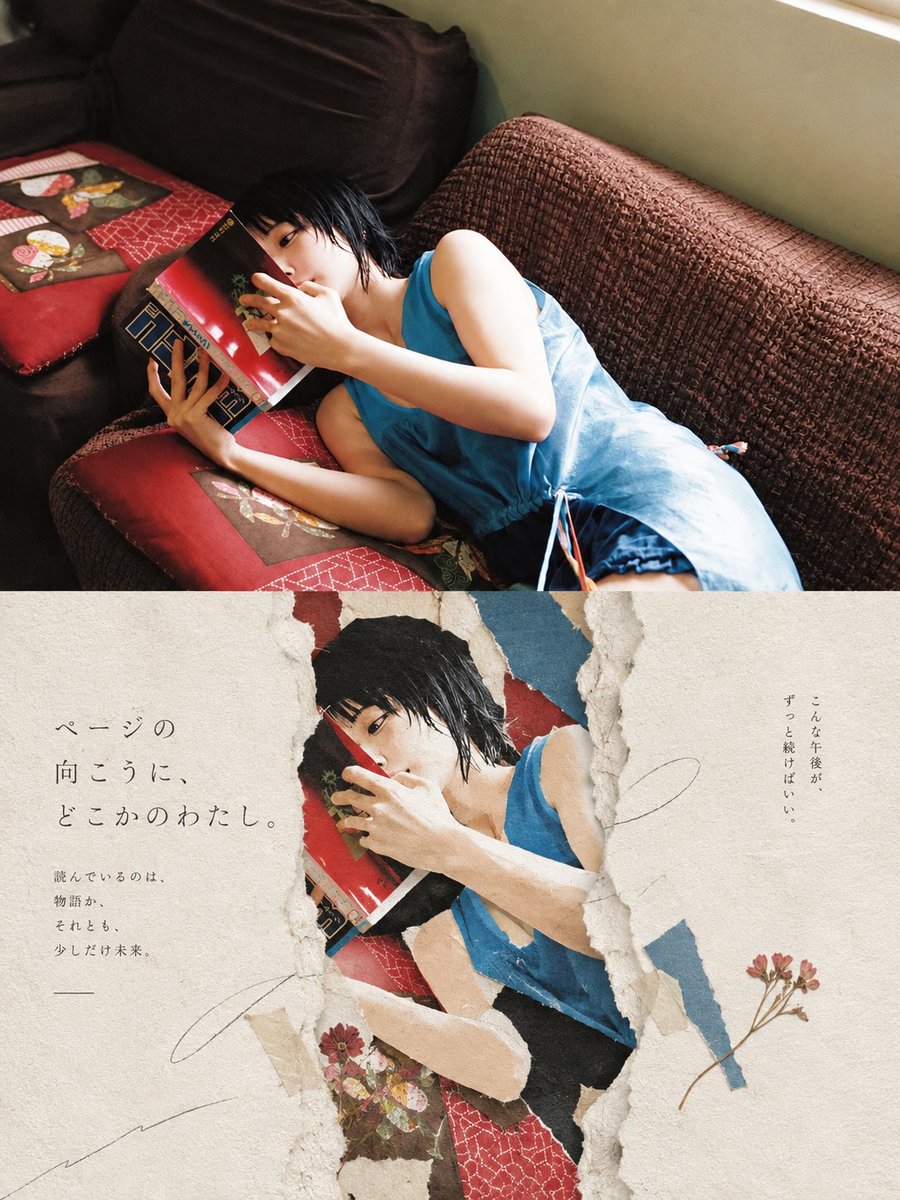
Create a vertical 3:4 “Second World” editorial photography poster based on the uploaded photo. ### COMPOSITION Divide the image into two perfectly equal horizontal halves. Upper Half: Preserve the original photograph exactly, allowing only proportional cropping. Keep the original subject, colors, composition, natural lighting, and realistic textures. No redraws or illustrations. Lower Half: Use a warm ivory-white paper background with generous negative space. ### CORE CONCEPT Identify the photograph’s most recognizable visual structure and transform it into a tangible, three-dimensional photographic object in the lower half. The object must retain the original photographic textures and look physically real, with visible thickness, subtle folds or curves, natural shadows, perspective, and realistic contact with the paper. Subject preservation is essential: If the photo contains a recognizable person, building, animal, landmark, or distinct object, make it the centerpiece of the lower half. Preserve its identity, realistic texture, and most of its complete silhouette. Never replace the main subject with background elements. The lower half must clearly display a substantial photographic object, not merely torn paper or a tiny character. ### CHARACTERS & CAPTION Include 0–2 minimalist black line-art characters interacting meaningfully with the photographic object, such as lifting, unfolding, pushing, repairing, or entering it. Add one short, casual, slightly humorous handwritten English caption. Avoid motivational quotes and clichés. ### VISUAL STYLE Realistic photography + warm ivory paper + minimalist black doodles + subtle handmade collage + independent magazine aesthetics. Keep the design clean, bright, minimal, and visually striking. ### AVOID Full-image illustration, generic torn-paper templates, tiny decorative characters, unrelated ornaments, clutter, complex illustrations, and commercial aesthetics. FINAL RULE: The lower half must feel like a real, three-dimensional piece of the original photograph brought into a second world. The main subject must remain immediately recognizable at first glance, even if its physical properties are creatively transformed.

Fonctionne avec 20 modèles

  • Flux
  • Flux 2
  • Flux Kontext
  • GPT-4o Image
  • GPT Image
  • GPT Image 2
  • GPT Image 2.5
  • GPT Image 2.6
  • Grok Imagine
  • Ideogram V3
  • Imagen 4
  • Kling
  • +8 Plus

Résultats de ce prompt

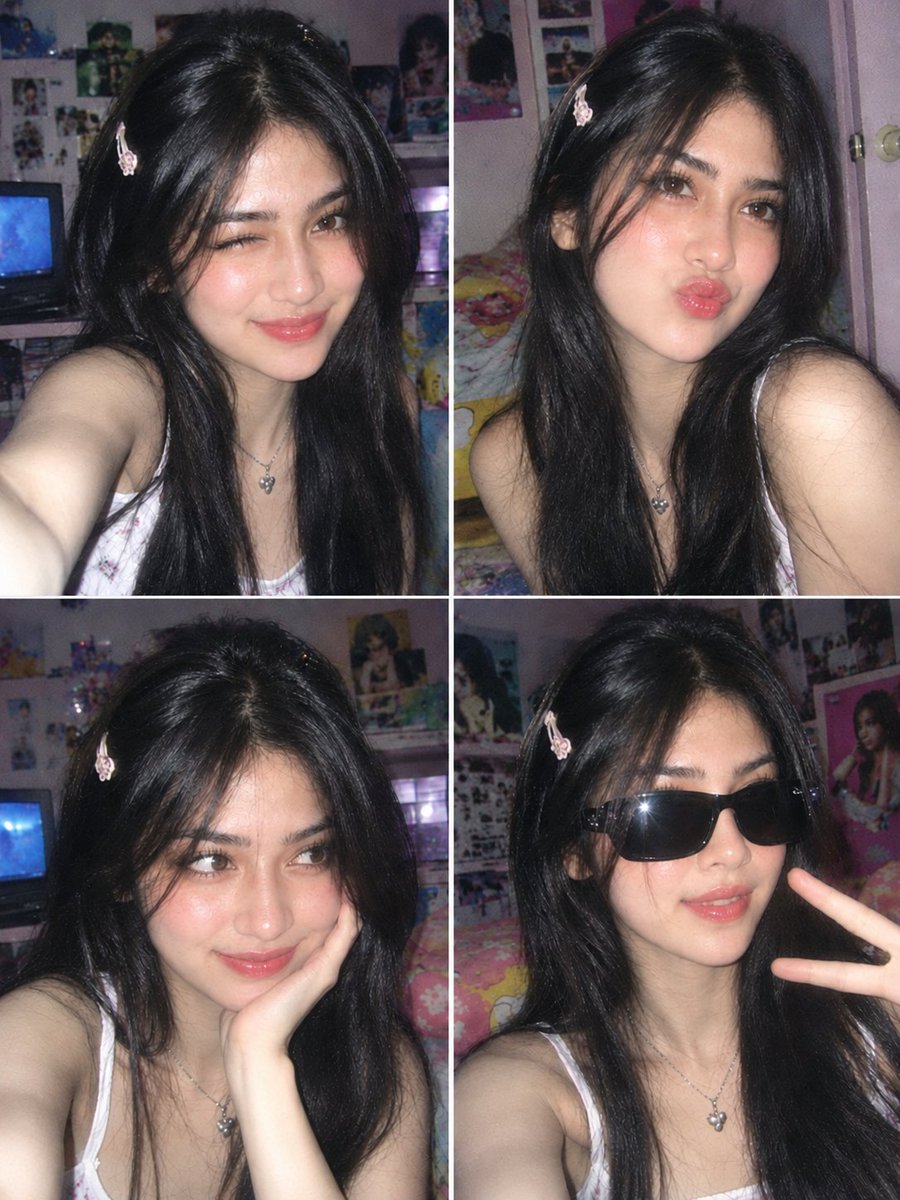
Y2K Photo Booth Collage Prompt Non précisé gpt-image-2
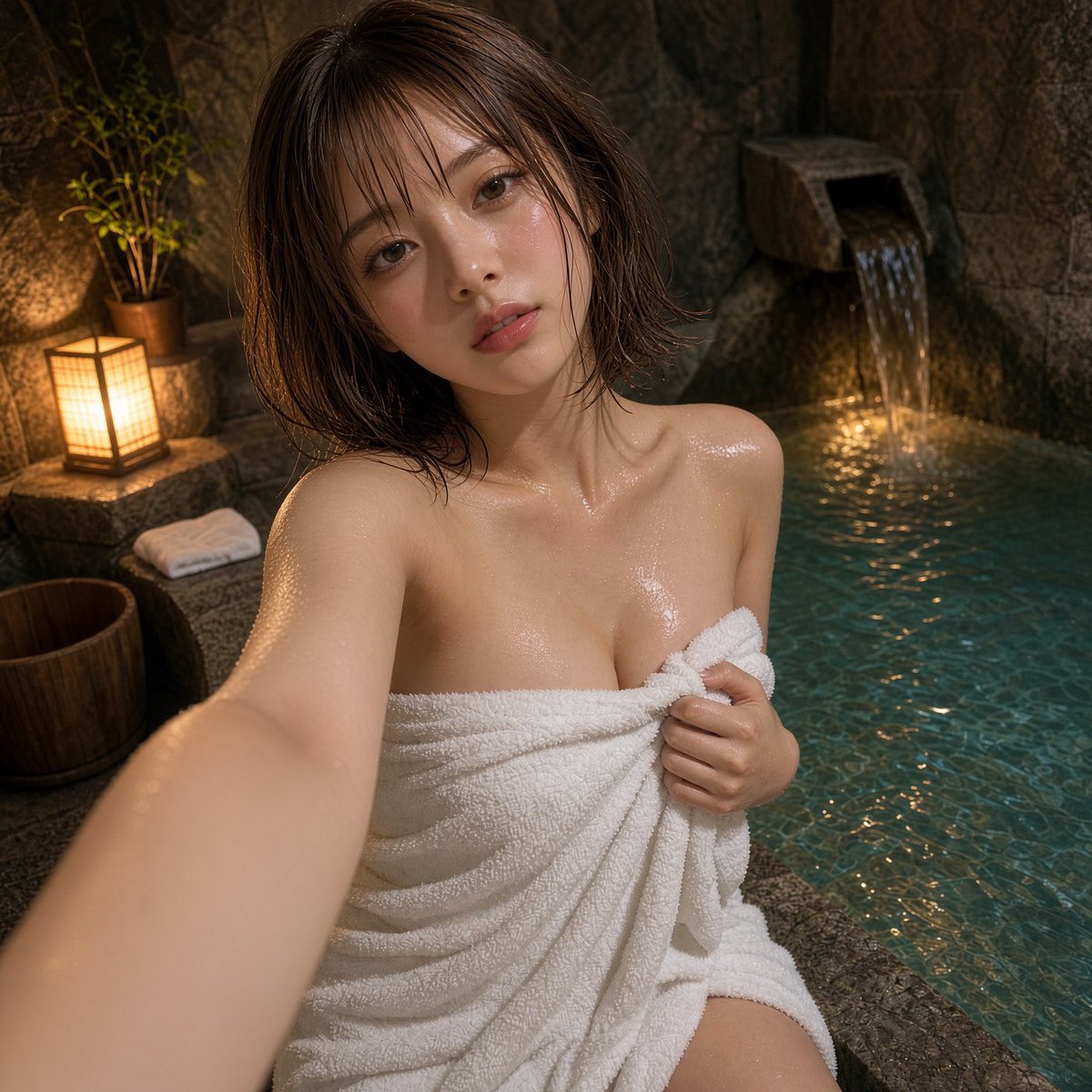
Onsen Selfie with White Towel Non précisé gpt-image-2
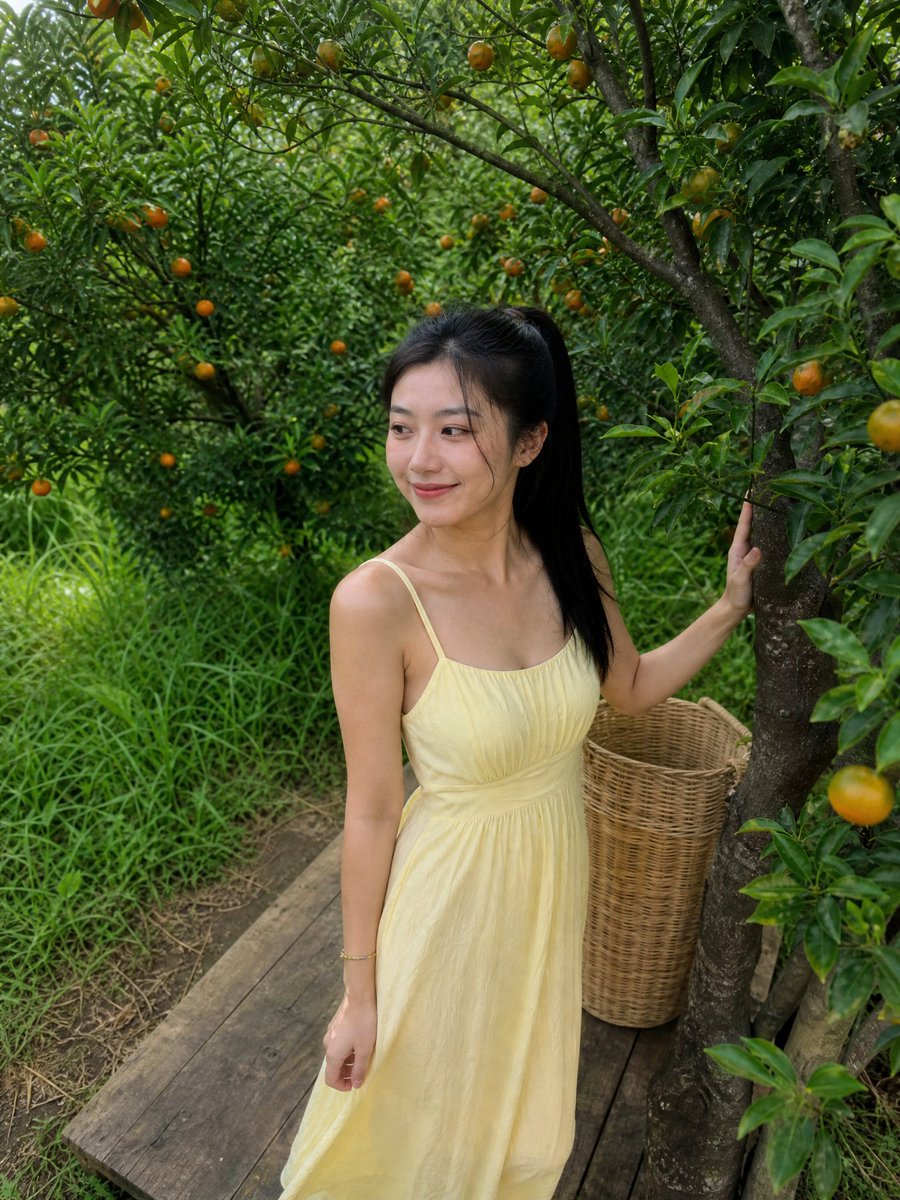
Citrus Garden Candid Portrait Prompt Non précisé gpt-image-2
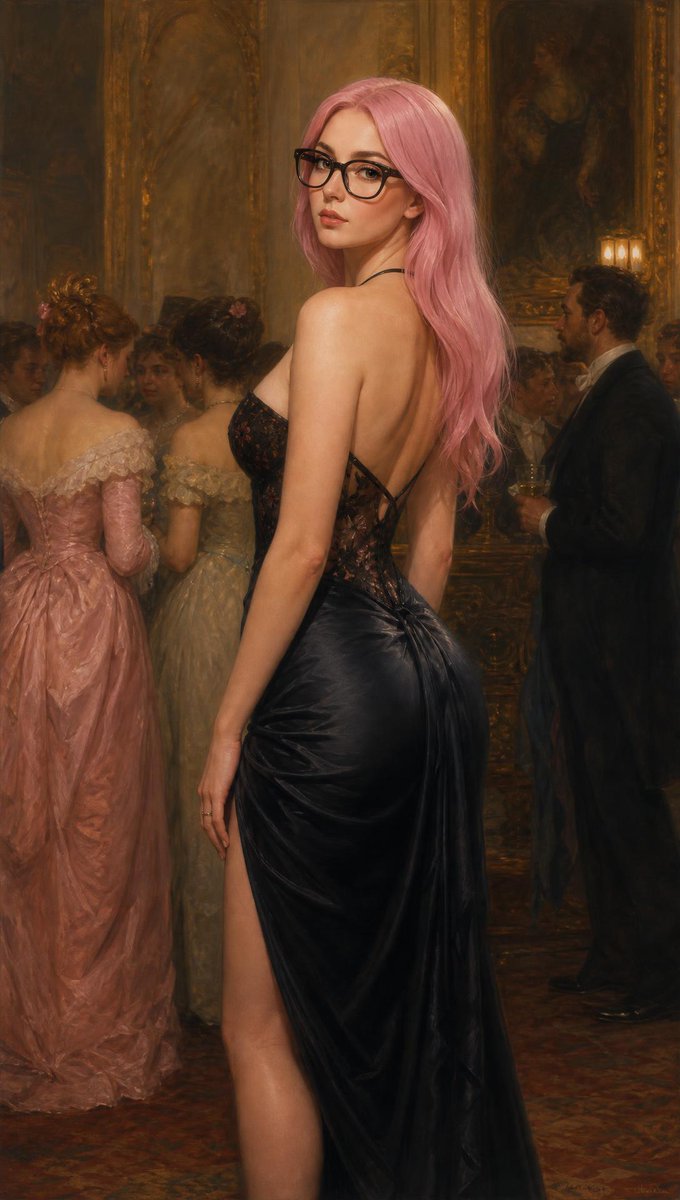
Pink-Haired Woman in Black Gown Non précisé gpt-image-2
GPT Image 2 Prompt: Garden Dappled Light Non précisé gpt-image-2
Cinematic Portrait of Man in Suit Non précisé gpt-image-2

Run ce prompt avec le API

le request below sends ce prompt, avec its default values filled in, to le first modèle it runs on. Swap le modèle name pour any other modèle listed above.

Documentation de l’API prompt
/api/v1/gpt_image_2/text_to_image
curl -X POST https://runapi.ai/api/v1/gpt_image_2/text_to_image \
  -H "Authorization: Bearer $RUNAPI_API_KEY" \
  -H "Content-Type: application/json" \
  --data-binary @- <<'JSON'
{
  "model": "gpt-image-2",
  "prompt": "Create a vertical 3:4 “Second World” editorial photography poster based on the uploaded photo.\n\n### COMPOSITION\nDivide the image into two perfectly equal horizontal halves.\n\nUpper Half: Preserve the original photograph exactly, allowing only proportional cropping. Keep the original subject, colors, composition, natural lighting, and realistic textures. No redraws or illustrations.\n\nLower Half: Use a warm ivory-white paper background with generous negative space.\n\n### CORE CONCEPT\nIdentify the photograph’s most recognizable visual structure and transform it into a tangible, three-dimensional photographic object in the lower half.\n\nThe object must retain the original photographic textures and look physically real, with visible thickness, subtle folds or curves, natural shadows, perspective, and realistic contact with the paper.\n\nSubject preservation is essential: If the photo contains a recognizable person, building, animal, landmark, or distinct object, make it the centerpiece of the lower half. Preserve its identity, realistic texture, and most of its complete silhouette. Never replace the main subject with background elements.\n\nThe lower half must clearly display a substantial photographic object, not merely torn paper or a tiny character.\n\n### CHARACTERS & CAPTION\nInclude 0–2 minimalist black line-art characters interacting meaningfully with the photographic object, such as lifting, unfolding, pushing, repairing, or entering it.\n\nAdd one short, casual, slightly humorous handwritten English caption. Avoid motivational quotes and clichés.\n\n### VISUAL STYLE\nRealistic photography + warm ivory paper + minimalist black doodles + subtle handmade collage + independent magazine aesthetics.\n\nKeep the design clean, bright, minimal, and visually striking.\n\n### AVOID\nFull-image illustration, generic torn-paper templates, tiny decorative characters, unrelated ornaments, clutter, complex illustrations, and commercial aesthetics.\n\nFINAL RULE: The lower half must feel like a real, three-dimensional piece of the original photograph brought into a second world. The main subject must remain immediately recognizable at first glance, even if its physical properties are creatively transformed."
}
JSON

Essayer a prompt