Second World Editorial Photography Poster
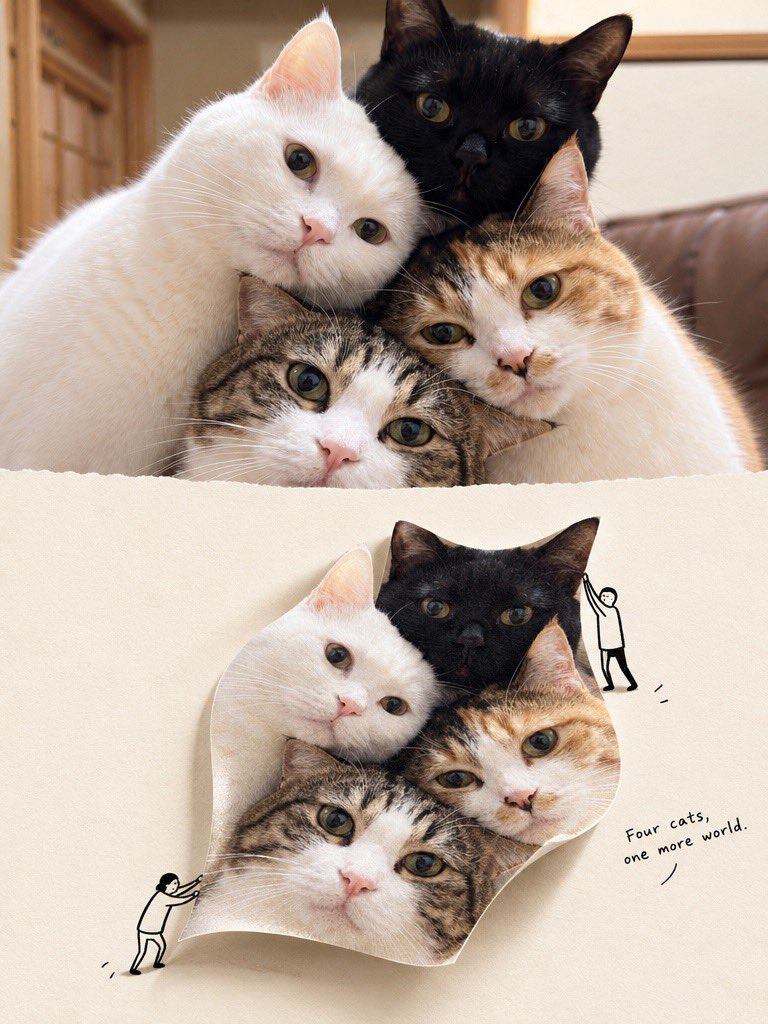
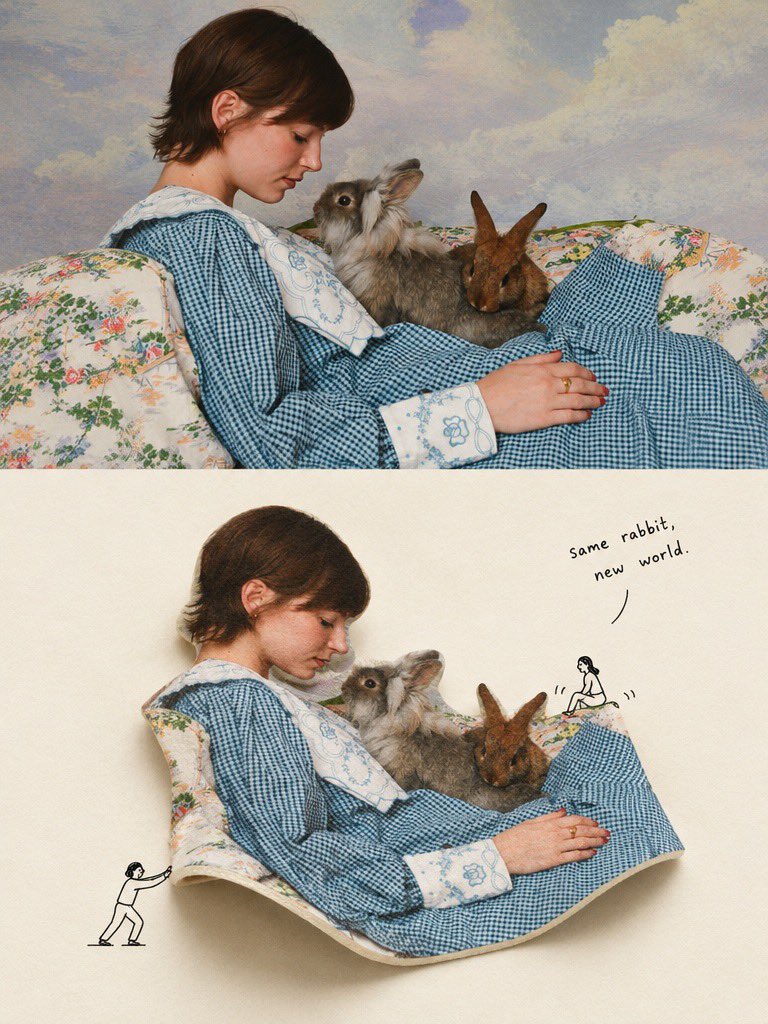
Second World Editorial Photography Poster
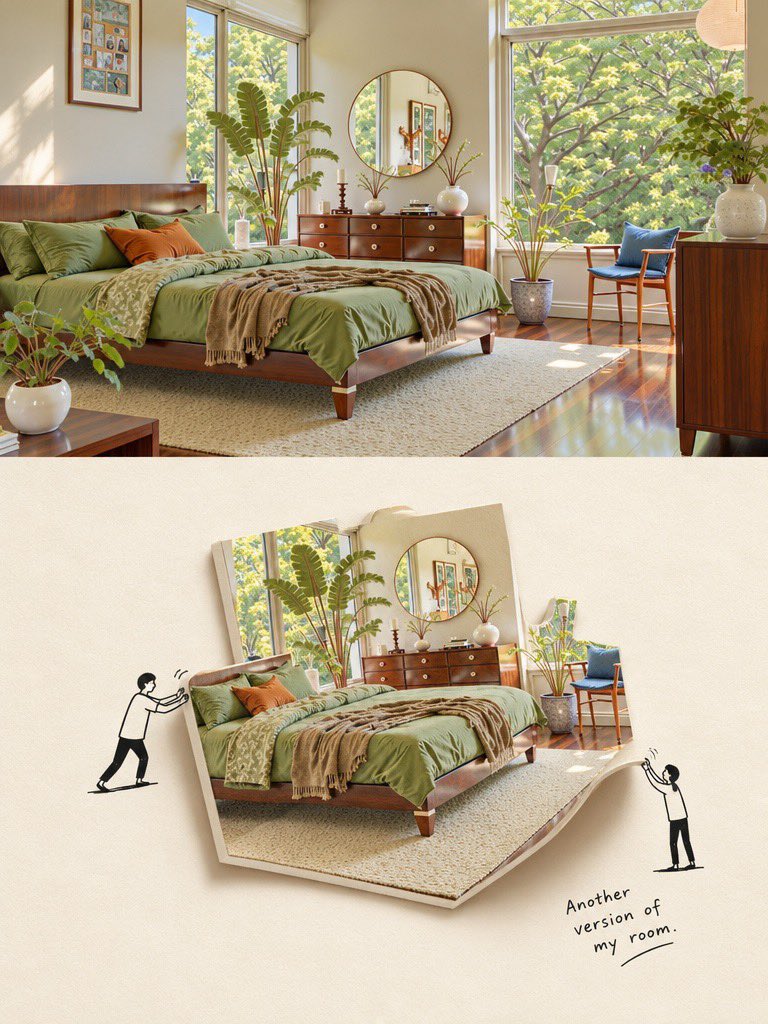

prompt

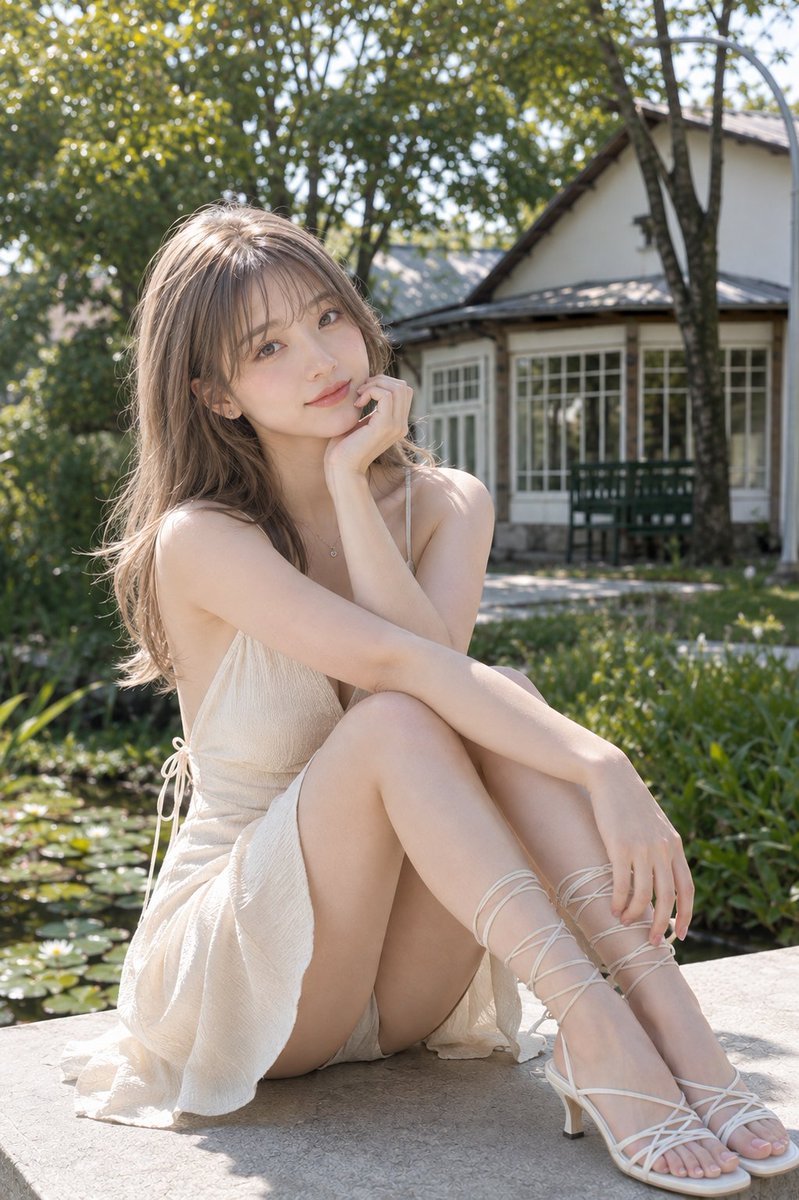
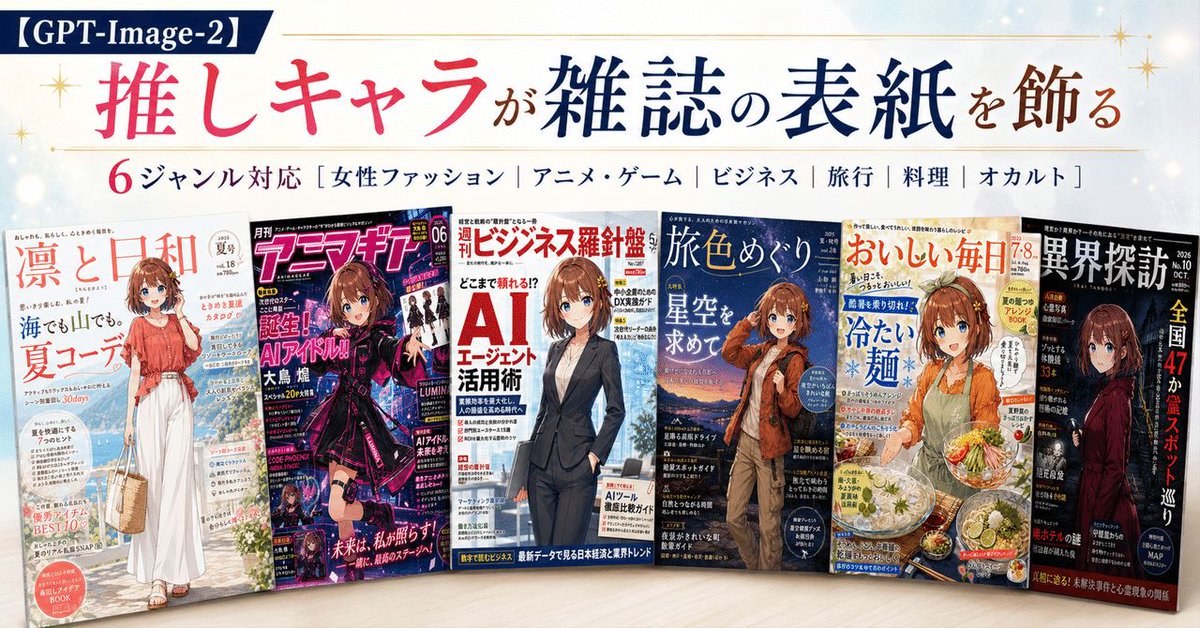
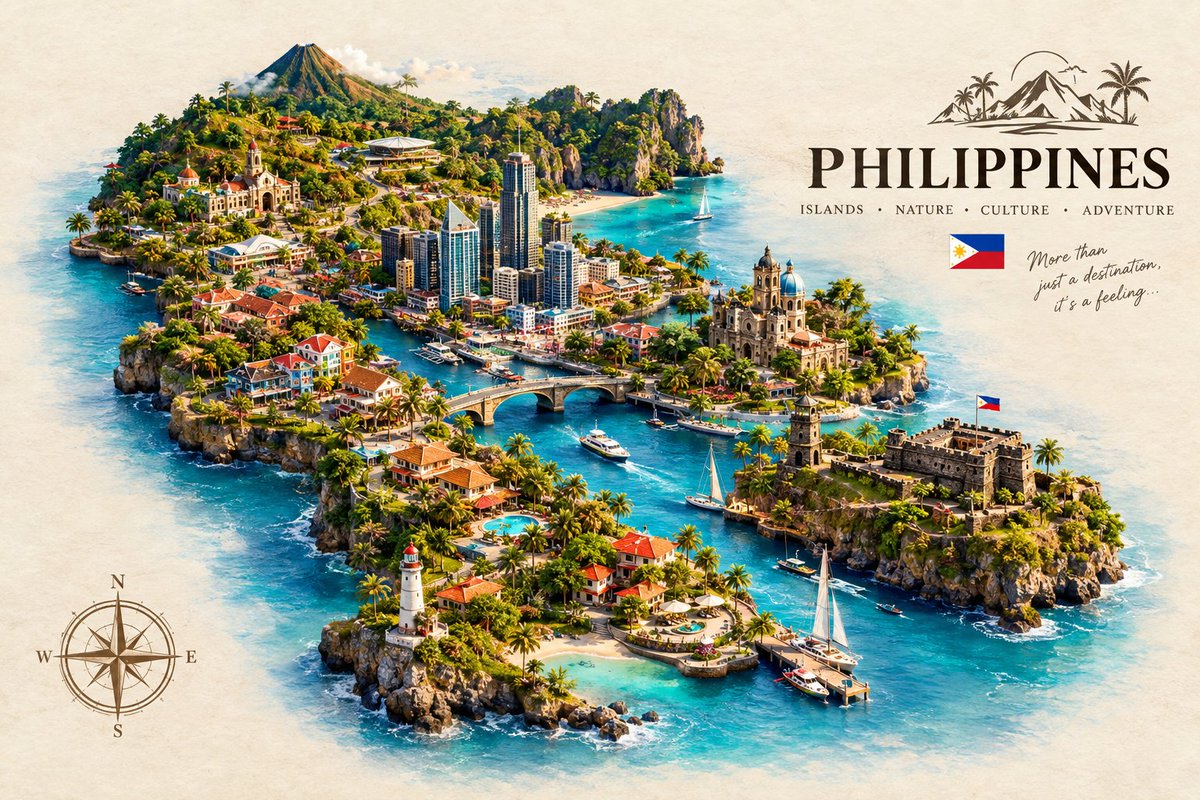
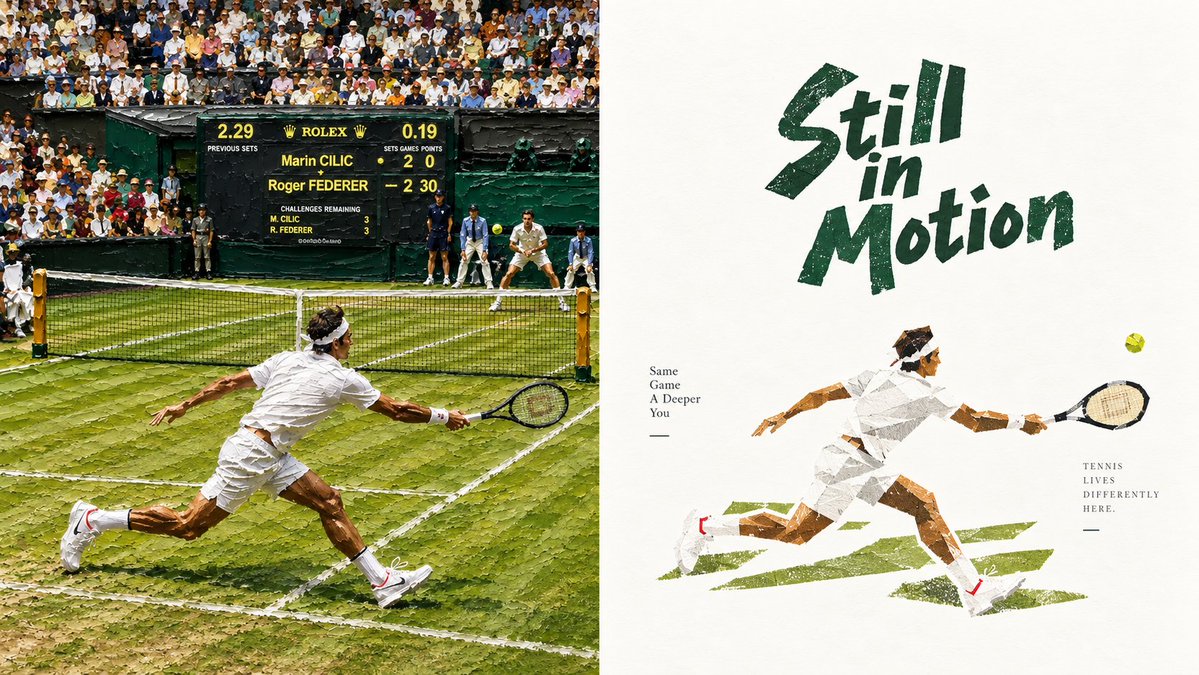
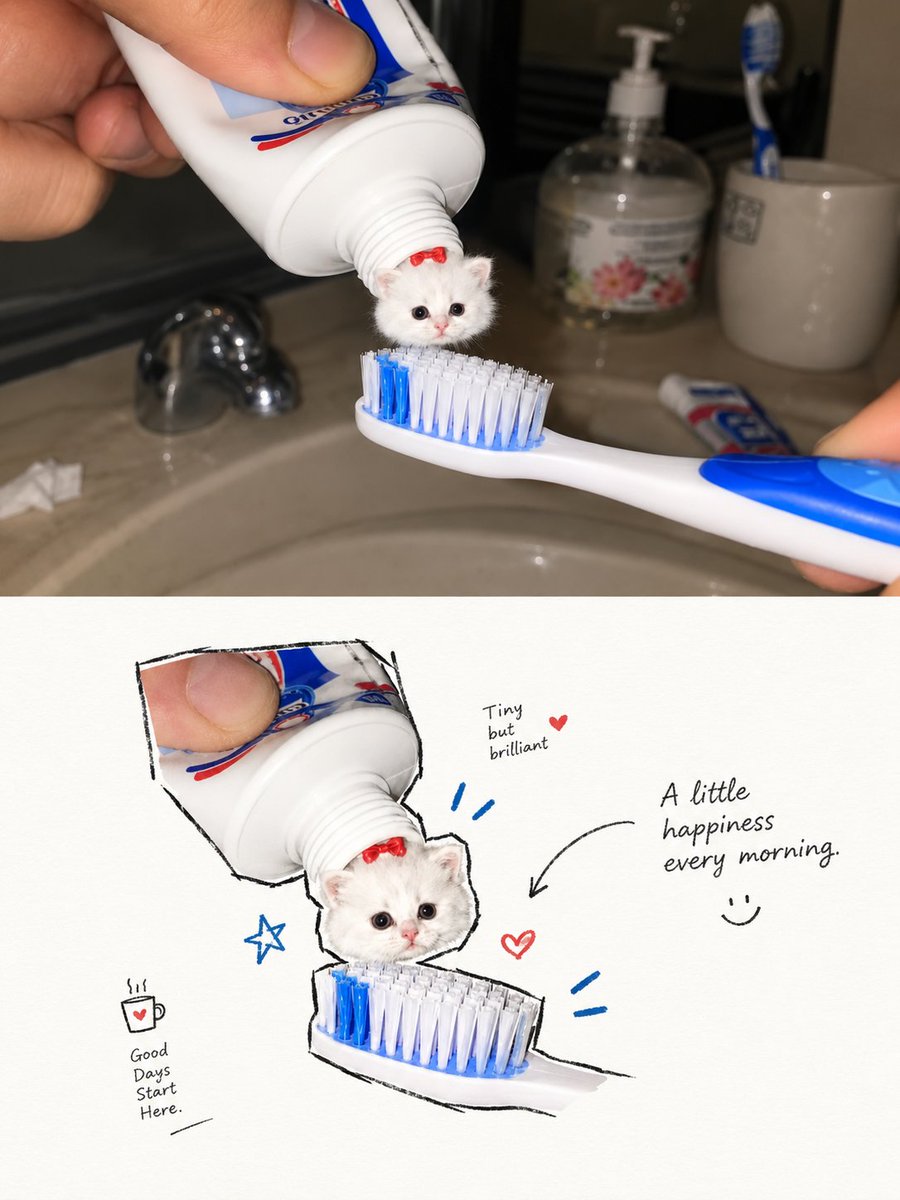
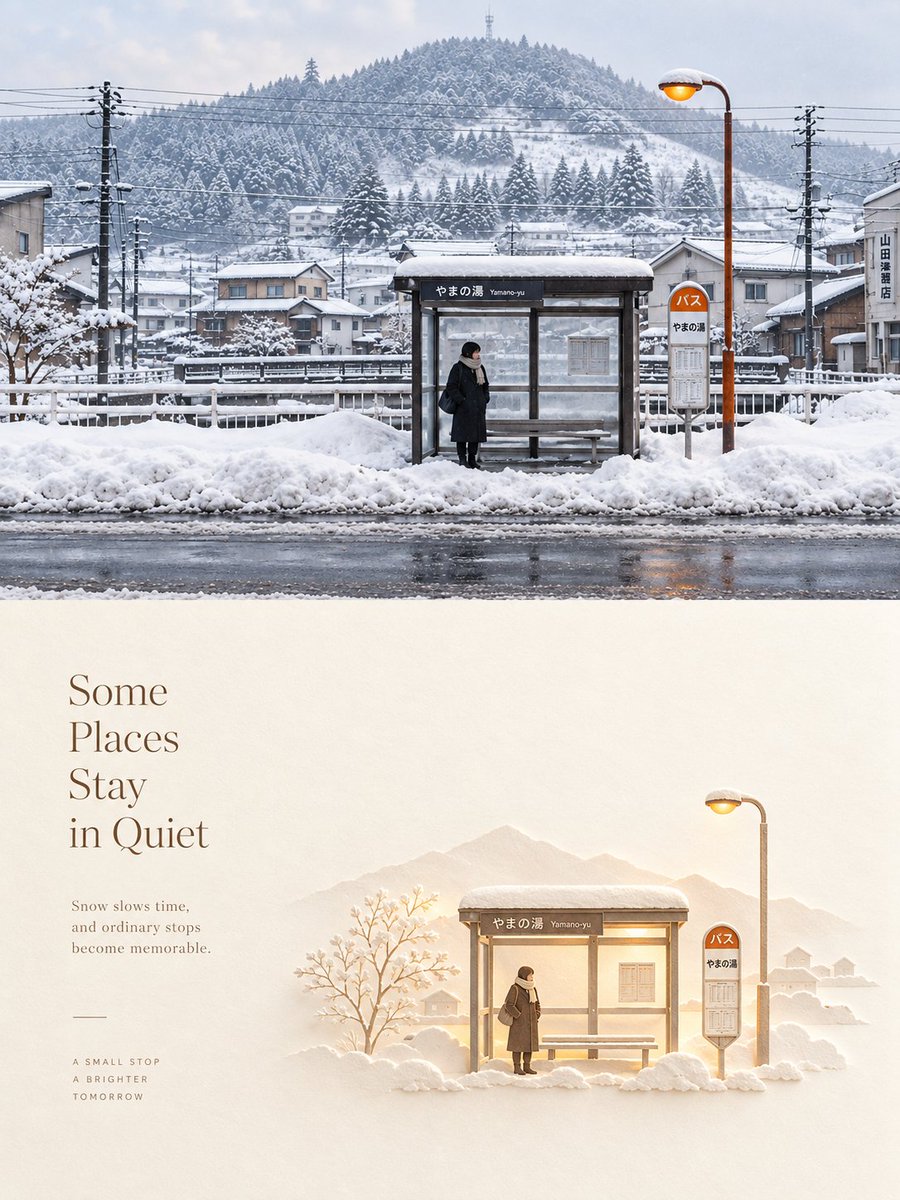
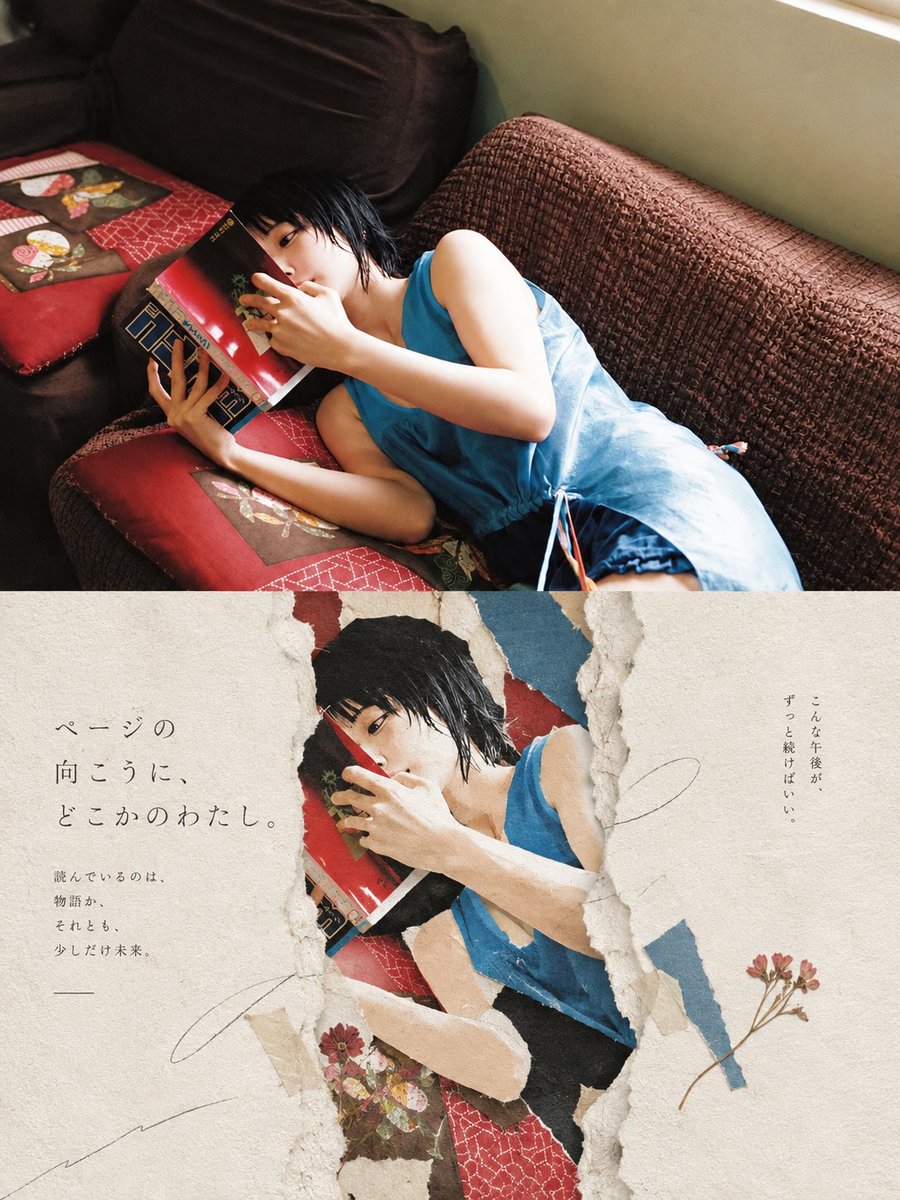
Create a vertical 3:4 “Second World” editorial photography poster based on the uploaded photo. ### COMPOSITION Divide the image into two perfectly equal horizontal halves. Upper Half: Preserve the original photograph exactly, allowing only proportional cropping. Keep the original subject, colors, composition, natural lighting, and realistic textures. No redraws or illustrations. Lower Half: Use a warm ivory-white paper background with generous negative space. ### CORE CONCEPT Identify the photograph’s most recognizable visual structure and transform it into a tangible, three-dimensional photographic object in the lower half. The object must retain the original photographic textures and look physically real, with visible thickness, subtle folds or curves, natural shadows, perspective, and realistic contact with the paper. Subject preservation is essential: If the photo contains a recognizable person, building, animal, landmark, or distinct object, make it the centerpiece of the lower half. Preserve its identity, realistic texture, and most of its complete silhouette. Never replace the main subject with background elements. The lower half must clearly display a substantial photographic object, not merely torn paper or a tiny character. ### CHARACTERS & CAPTION Include 0–2 minimalist black line-art characters interacting meaningfully with the photographic object, such as lifting, unfolding, pushing, repairing, or entering it. Add one short, casual, slightly humorous handwritten English caption. Avoid motivational quotes and clichés. ### VISUAL STYLE Realistic photography + warm ivory paper + minimalist black doodles + subtle handmade collage + independent magazine aesthetics. Keep the design clean, bright, minimal, and visually striking. ### AVOID Full-image illustration, generic torn-paper templates, tiny decorative characters, unrelated ornaments, clutter, complex illustrations, and commercial aesthetics. FINAL RULE: The lower half must feel like a real, three-dimensional piece of the original photograph brought into a second world. The main subject must remain immediately recognizable at first glance, even if its physical properties are creatively transformed.

Werkt met 20 modellen

  • Flux
  • Flux 2
  • Flux Kontext
  • GPT-4o Image
  • GPT Image
  • GPT Image 2
  • GPT Image 2.5
  • GPT Image 2.6
  • Grok Imagine
  • Ideogram V3
  • Imagen 4
  • Kling
  • +8 Meer

Wat deze prompt oplevert

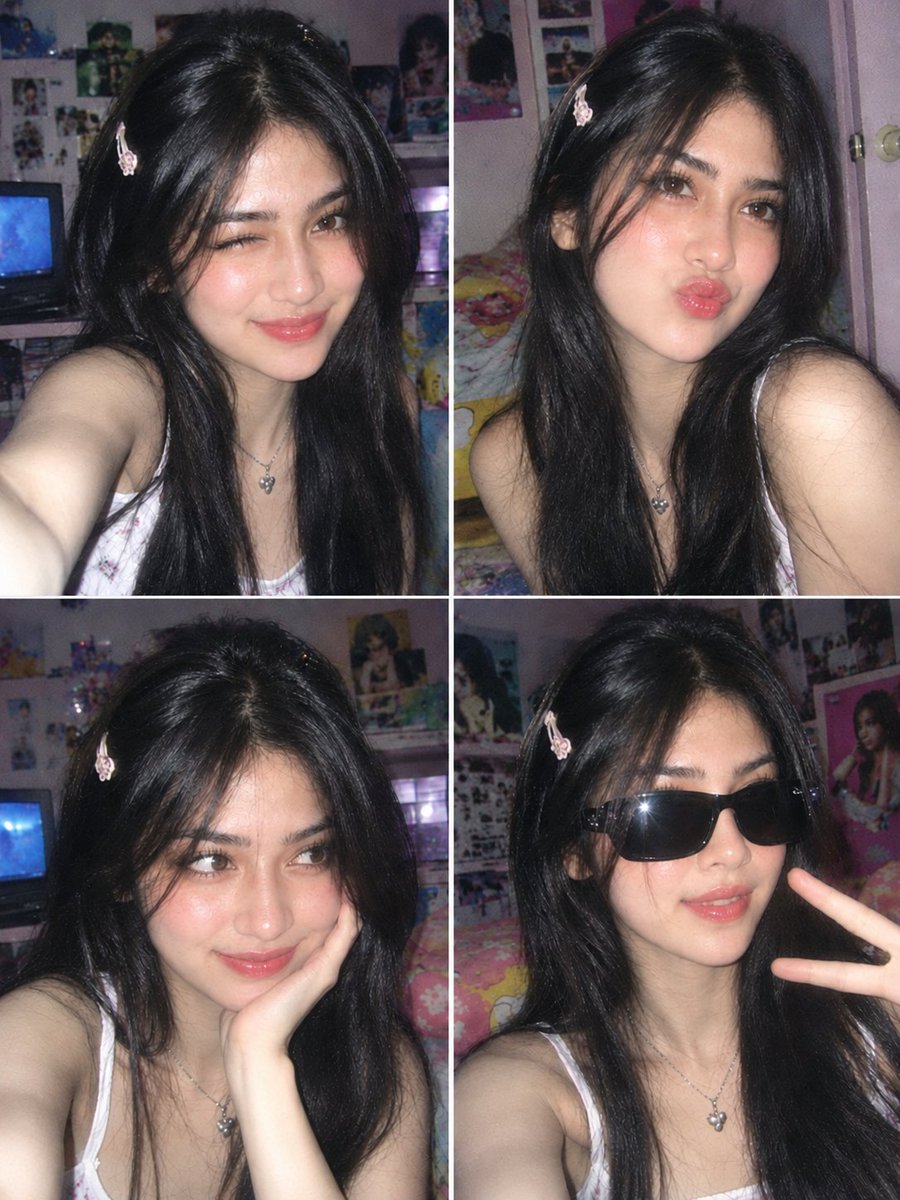
Y2K Photo Booth Collage Prompt Niet opgegeven gpt-image-2
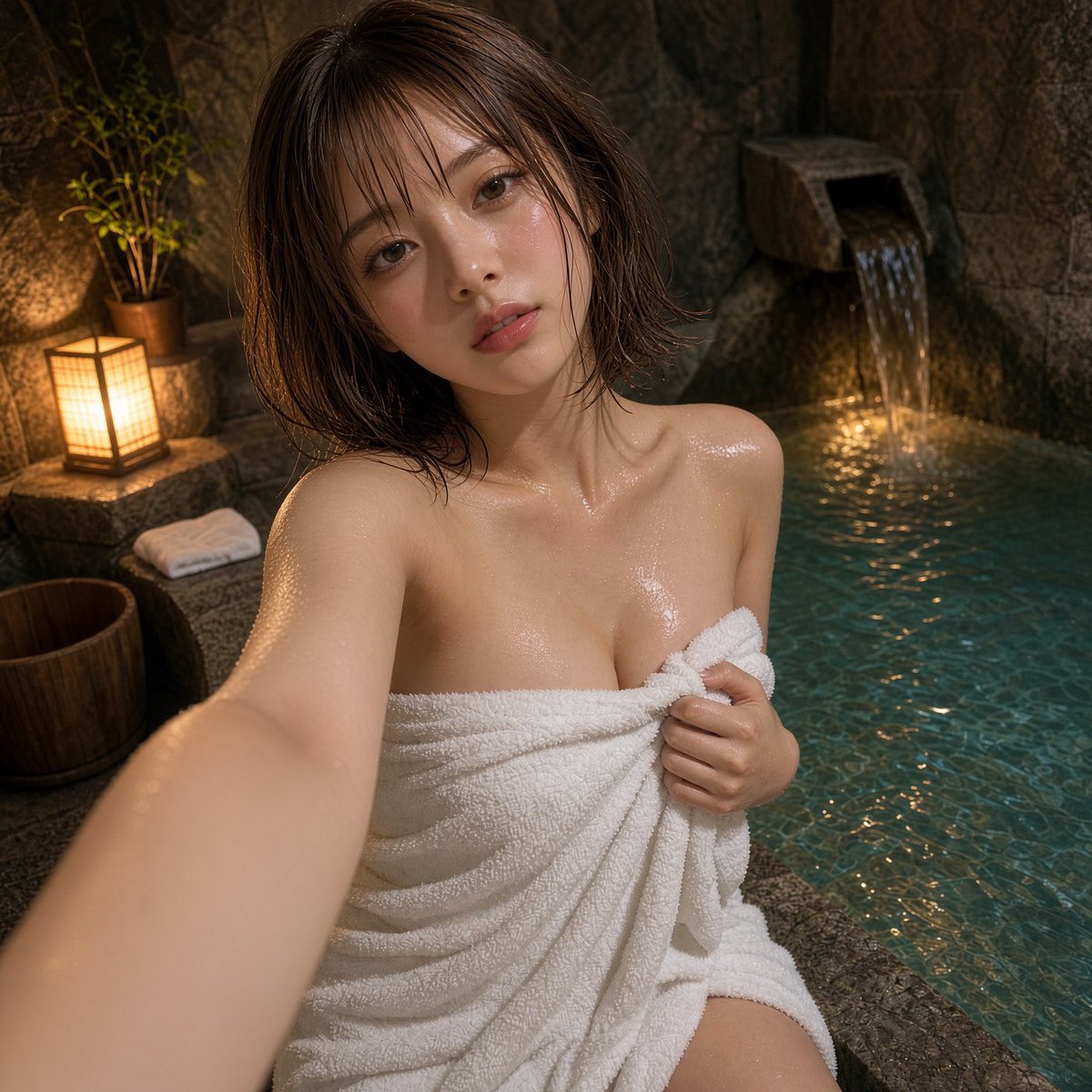
Onsen Selfie with White Towel Niet opgegeven gpt-image-2
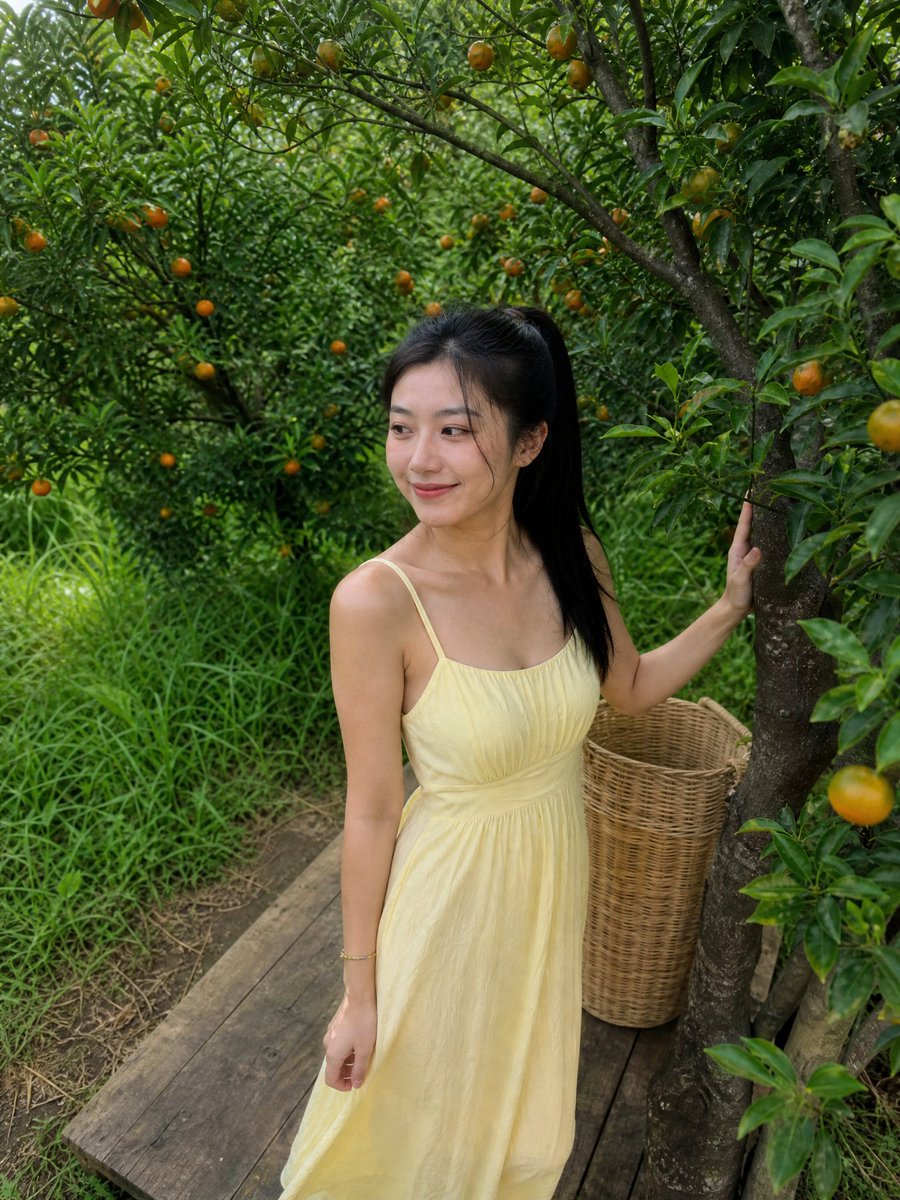
Citrus Garden Candid Portrait Prompt Niet opgegeven gpt-image-2
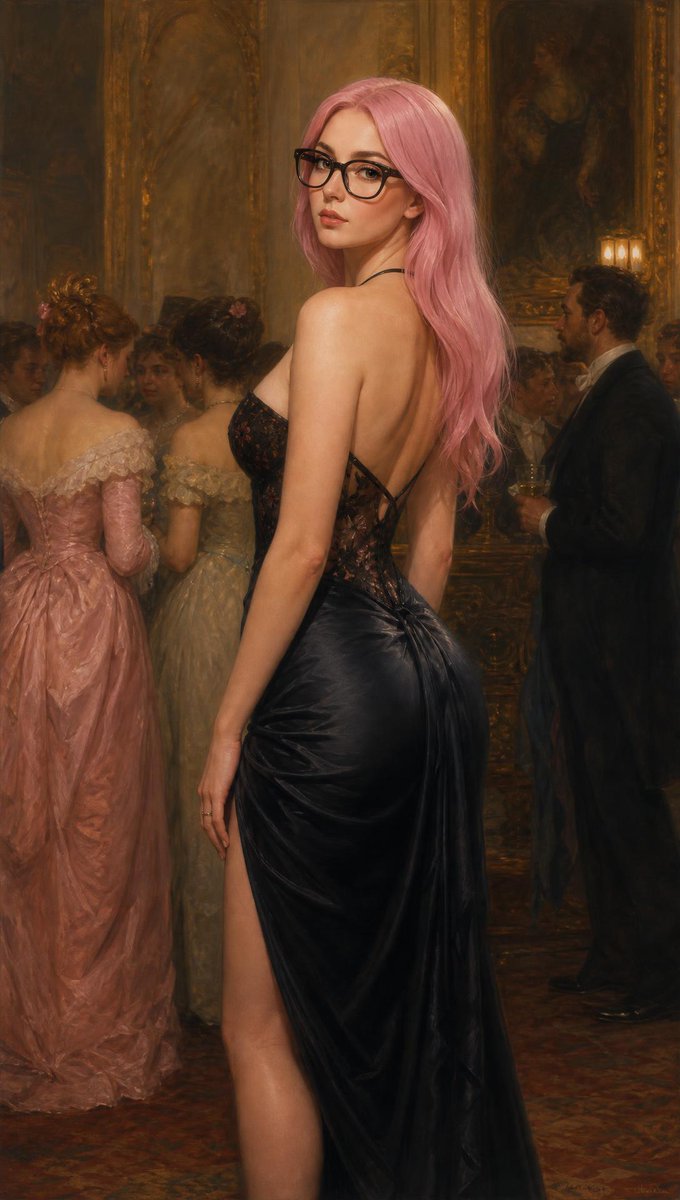
Pink-Haired Woman in Black Gown Niet opgegeven gpt-image-2
GPT Image 2 Prompt: Garden Dappled Light Niet opgegeven gpt-image-2
Cinematic Portrait of Man in Suit Niet opgegeven gpt-image-2

Run deze prompt met de API

Het onderstaande verzoek stuurt deze prompt, met de standaardwaarden ingevuld, naar het eerste model waarop het draait. Verwissel de modelnaam voor een ander hierboven vermeld model.

prompt API-documentatie
/api/v1/gpt_image_2/text_to_image
curl -X POST https://runapi.ai/api/v1/gpt_image_2/text_to_image \
  -H "Authorization: Bearer $RUNAPI_API_KEY" \
  -H "Content-Type: application/json" \
  --data-binary @- <<'JSON'
{
  "model": "gpt-image-2",
  "prompt": "Create a vertical 3:4 “Second World” editorial photography poster based on the uploaded photo.\n\n### COMPOSITION\nDivide the image into two perfectly equal horizontal halves.\n\nUpper Half: Preserve the original photograph exactly, allowing only proportional cropping. Keep the original subject, colors, composition, natural lighting, and realistic textures. No redraws or illustrations.\n\nLower Half: Use a warm ivory-white paper background with generous negative space.\n\n### CORE CONCEPT\nIdentify the photograph’s most recognizable visual structure and transform it into a tangible, three-dimensional photographic object in the lower half.\n\nThe object must retain the original photographic textures and look physically real, with visible thickness, subtle folds or curves, natural shadows, perspective, and realistic contact with the paper.\n\nSubject preservation is essential: If the photo contains a recognizable person, building, animal, landmark, or distinct object, make it the centerpiece of the lower half. Preserve its identity, realistic texture, and most of its complete silhouette. Never replace the main subject with background elements.\n\nThe lower half must clearly display a substantial photographic object, not merely torn paper or a tiny character.\n\n### CHARACTERS & CAPTION\nInclude 0–2 minimalist black line-art characters interacting meaningfully with the photographic object, such as lifting, unfolding, pushing, repairing, or entering it.\n\nAdd one short, casual, slightly humorous handwritten English caption. Avoid motivational quotes and clichés.\n\n### VISUAL STYLE\nRealistic photography + warm ivory paper + minimalist black doodles + subtle handmade collage + independent magazine aesthetics.\n\nKeep the design clean, bright, minimal, and visually striking.\n\n### AVOID\nFull-image illustration, generic torn-paper templates, tiny decorative characters, unrelated ornaments, clutter, complex illustrations, and commercial aesthetics.\n\nFINAL RULE: The lower half must feel like a real, three-dimensional piece of the original photograph brought into a second world. The main subject must remain immediately recognizable at first glance, even if its physical properties are creatively transformed."
}
JSON

Probeer a prompt