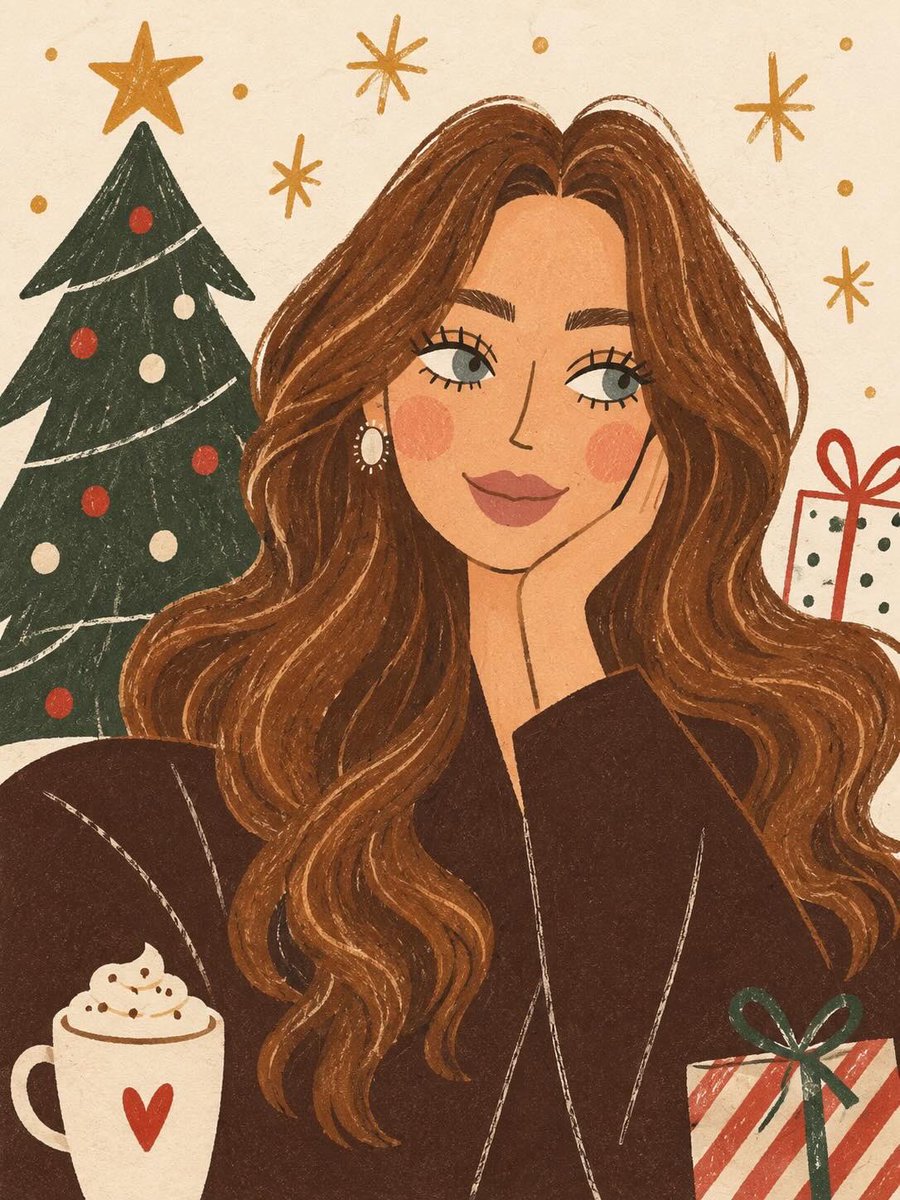
GPT Image 2 Prompt: Naïve Folk Art Transformation
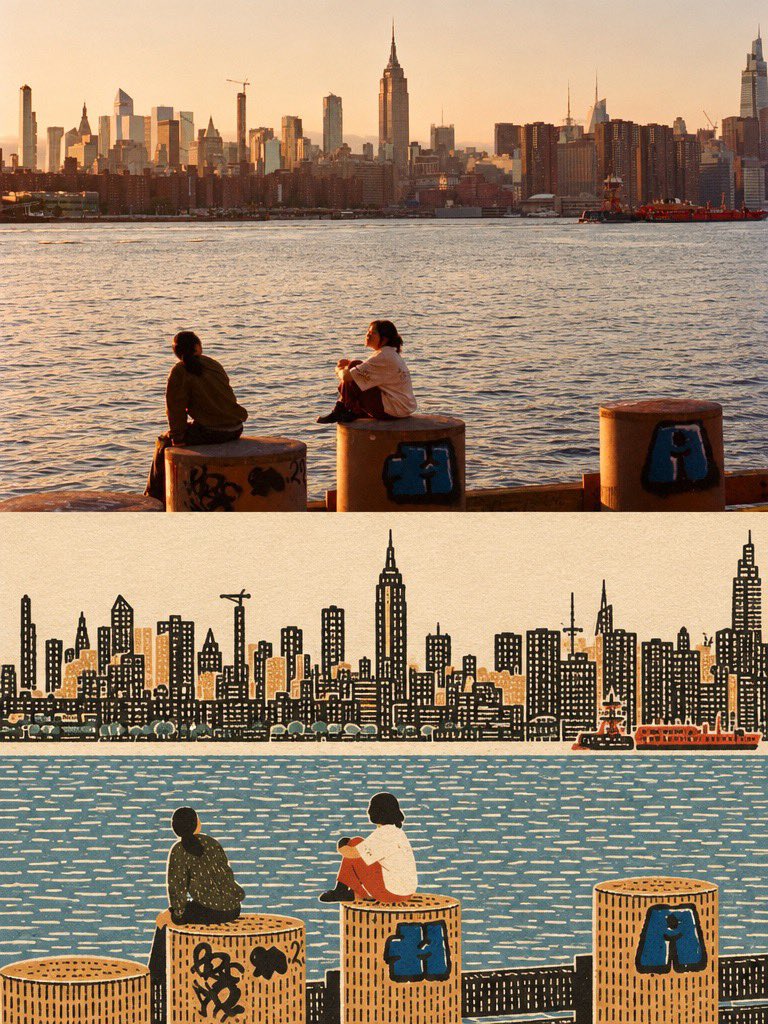
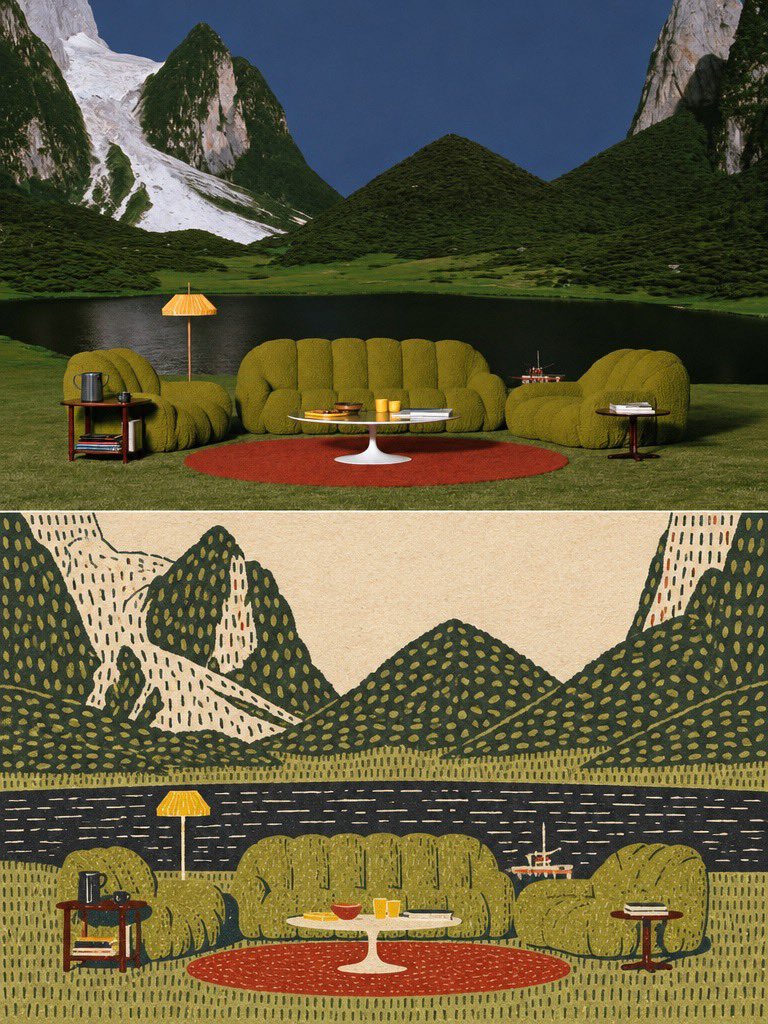
GPT Image 2 Prompt: Naïve Folk Art Transformation
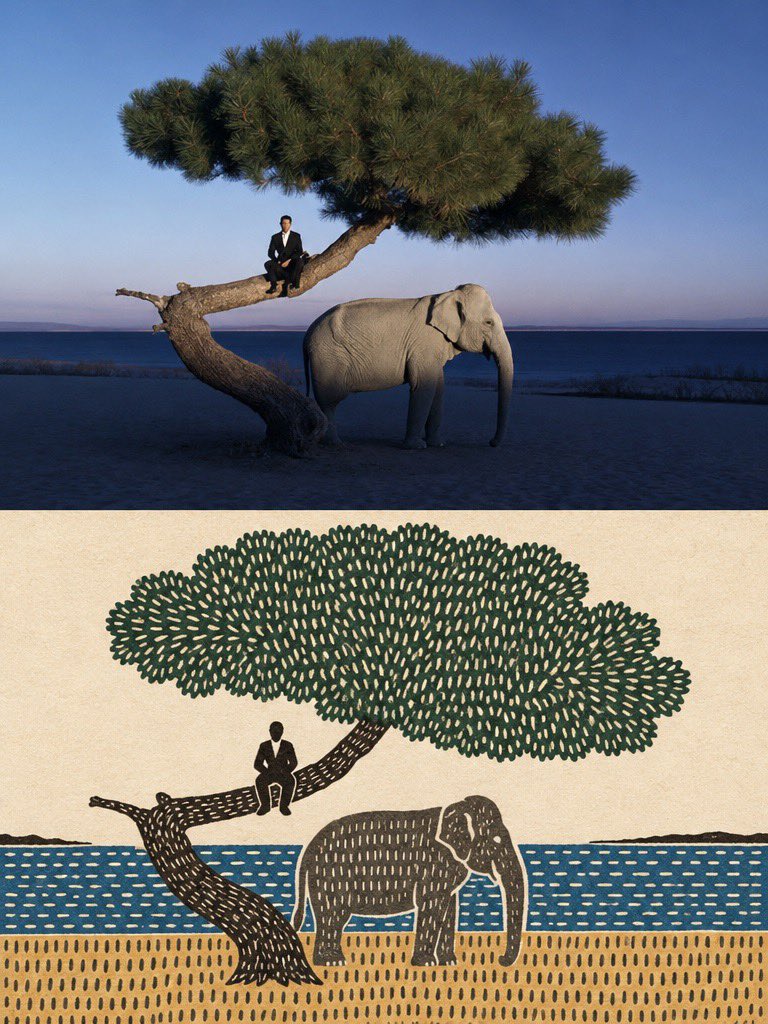

prompt

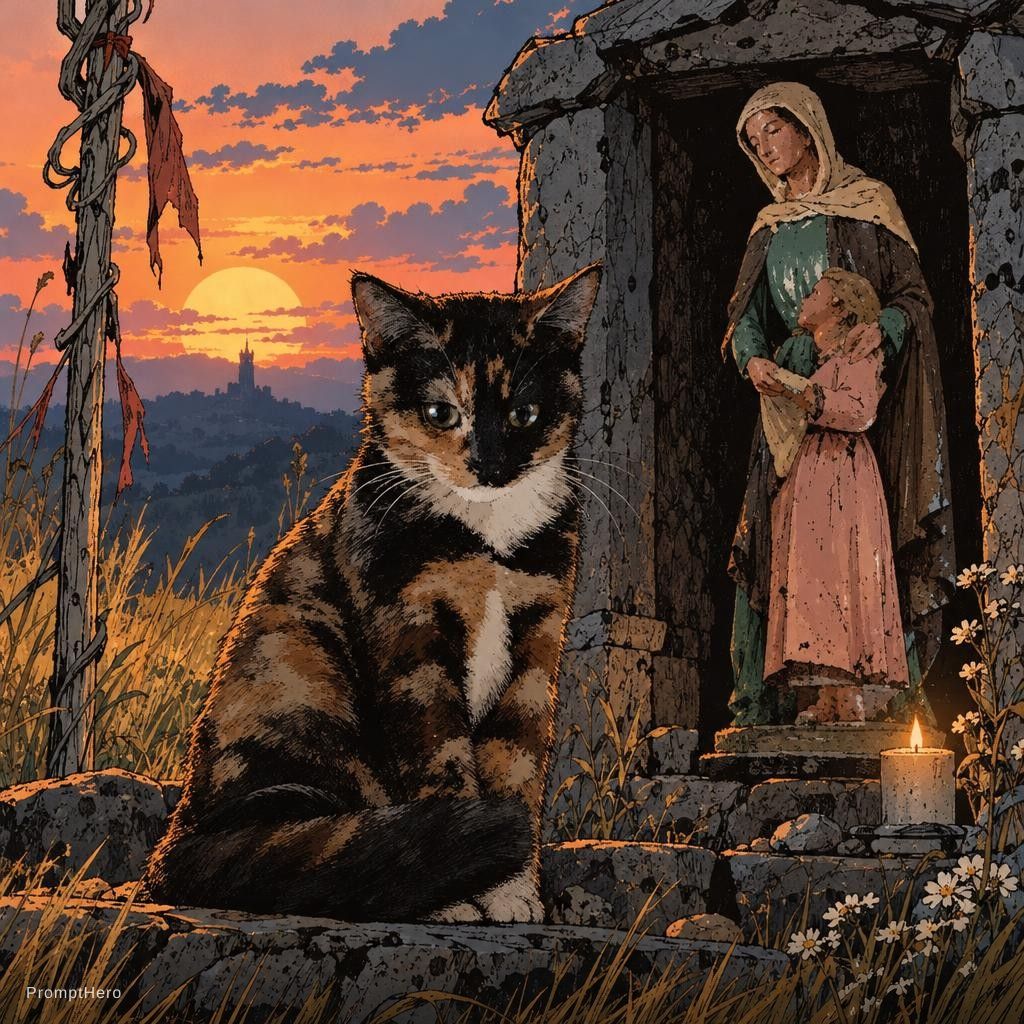
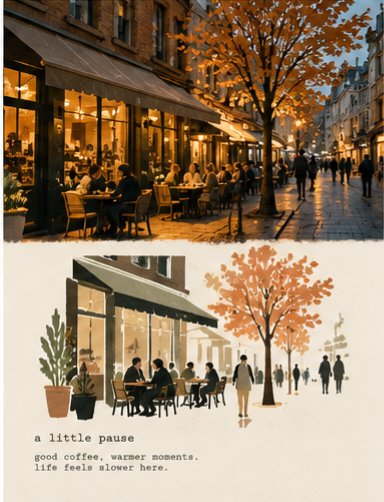
Create one vertically stacked before-and-after comparison using the supplied image as the only source. LAYOUT:Exactly two equal-height panels: original image on top, transformed image on bottom. Both panels have the source image's aspect ratio and identical width. The complete canvas is twice the source image's height. Join the panels directly at a clean horizontal seam. No thick divider, extra panel, decorative frame, labels, or added text. TOP PANEL — ORIGINAL:Place the supplied image unchanged in the upper half. Preserve its full composition, original colors, lighting, details, existing text, and crop. Do not redraw, retouch, stylize, or apply texture to this panel. BOTTOM PANEL — OUTSIDER ART:Redraw the same scene as a flat, densely textured naïve folk-art print. Preserve the main subject, recognizable silhouettes, relative positions, important objects, and overall composition. Do not invent additional subjects or props. Flatten the ground into map-like color zones, with people, trees, buildings, and objects shown in simple frontal or side elevation. Remove converging perspective, photographic depth, directional lighting, and cast shadows.Use warm paper white, warm ink black, and two to four subdued colors derived from the source. Choose one existing object or connected detail as the only saturated accent. Give each large zone one consistent handmade texture: stitch marks, irregular window grids, or dense foliage marks. Keep the texture dense, rhythmic, and slightly imperfect. Where people appear, use small, solid, faceless figures with filled clothing and limbs of visible width. Render every surface as opaque printed ink on matte paper, with no photographic remnants.Keep all illustration, paper texture, and color changes strictly inside the lower panel. No gradients, glossy vector finish, watercolor, stick figures, cute cartoon proportions, invented lettering, or watermark.

Funciona con 20 modelos

  • Flux
  • Flux 2
  • Flux Kontext
  • GPT-4o Image
  • GPT Image
  • GPT Image 2
  • GPT Image 2.5
  • GPT Image 2.6
  • Grok Imagine
  • Ideogram V3
  • Imagen 4
  • Kling
  • +8 Más

Lo que produce este prompt

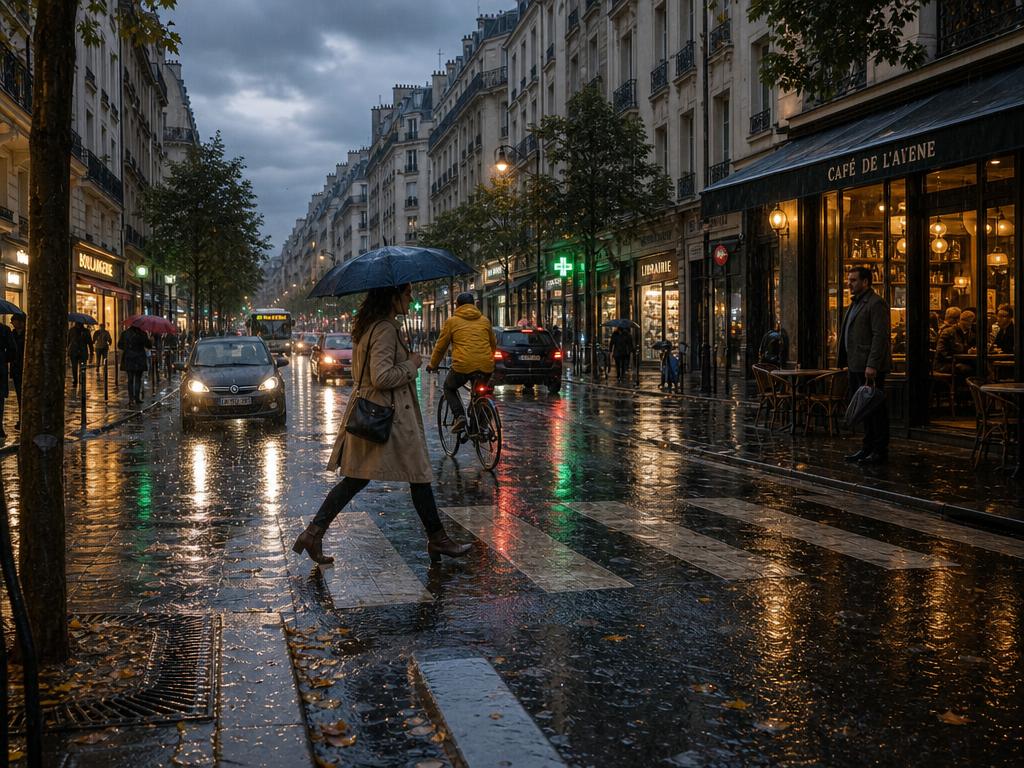
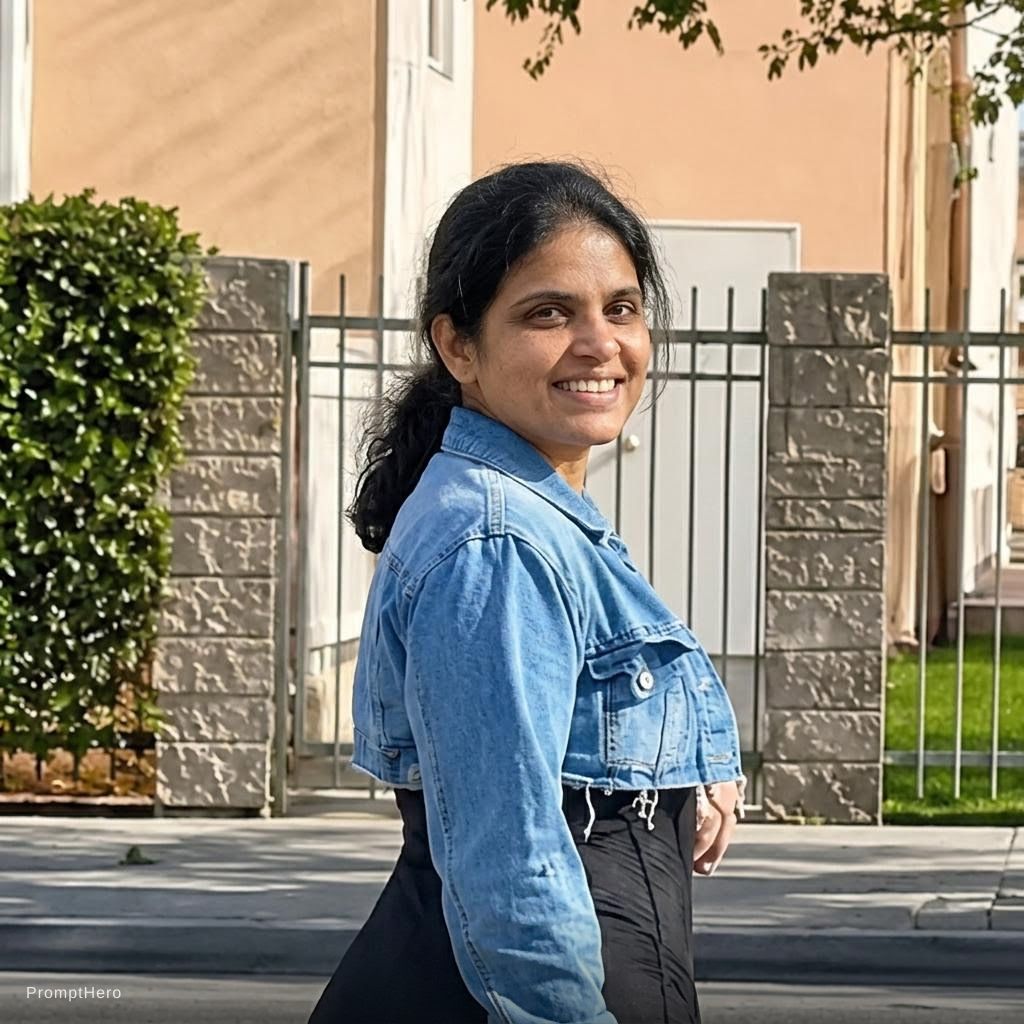
Rainy French Street at Night No especificado gpt-image-2
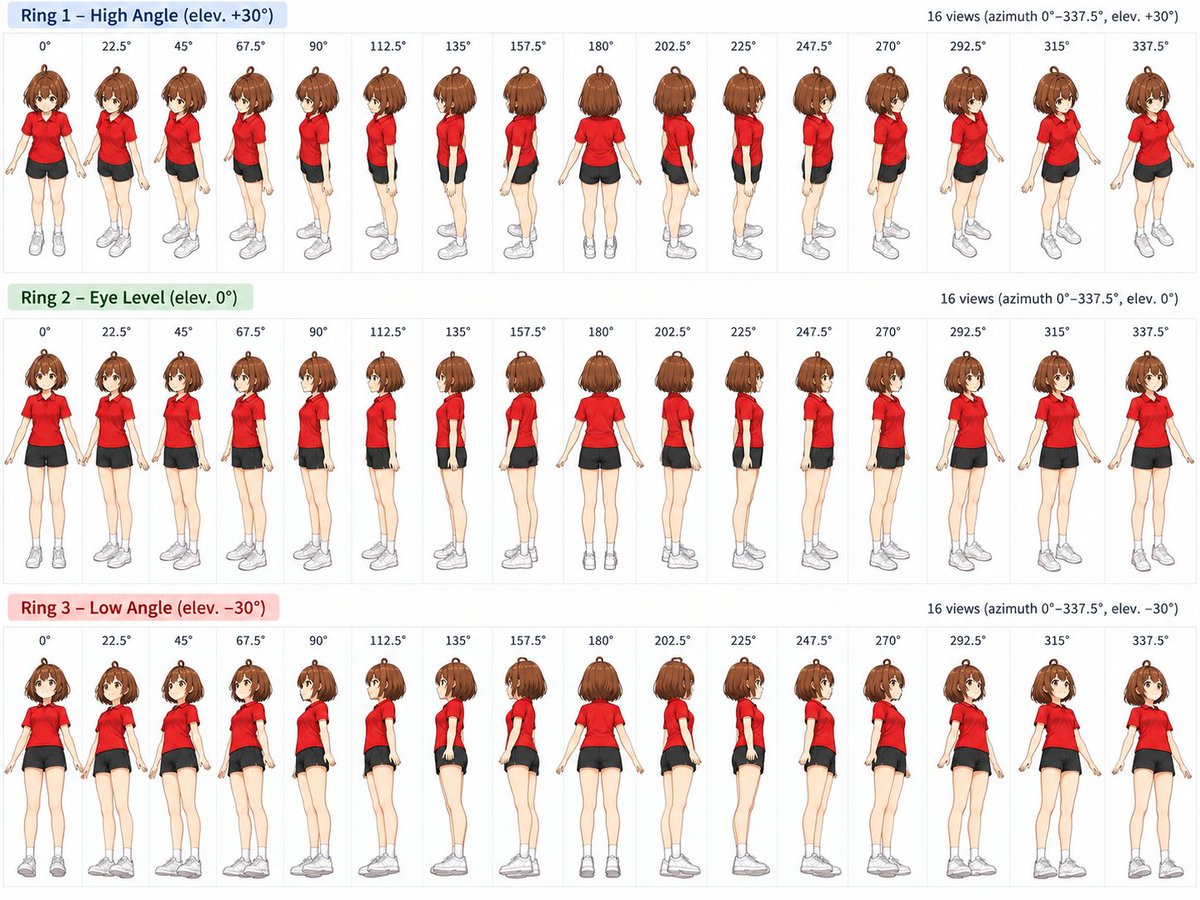
Camera Dome 48-Point View Setup No especificado gpt-image-2
Seedream 5 prompt: Preteen cheerleaders, very pretty, around 11 years... No especificado v2
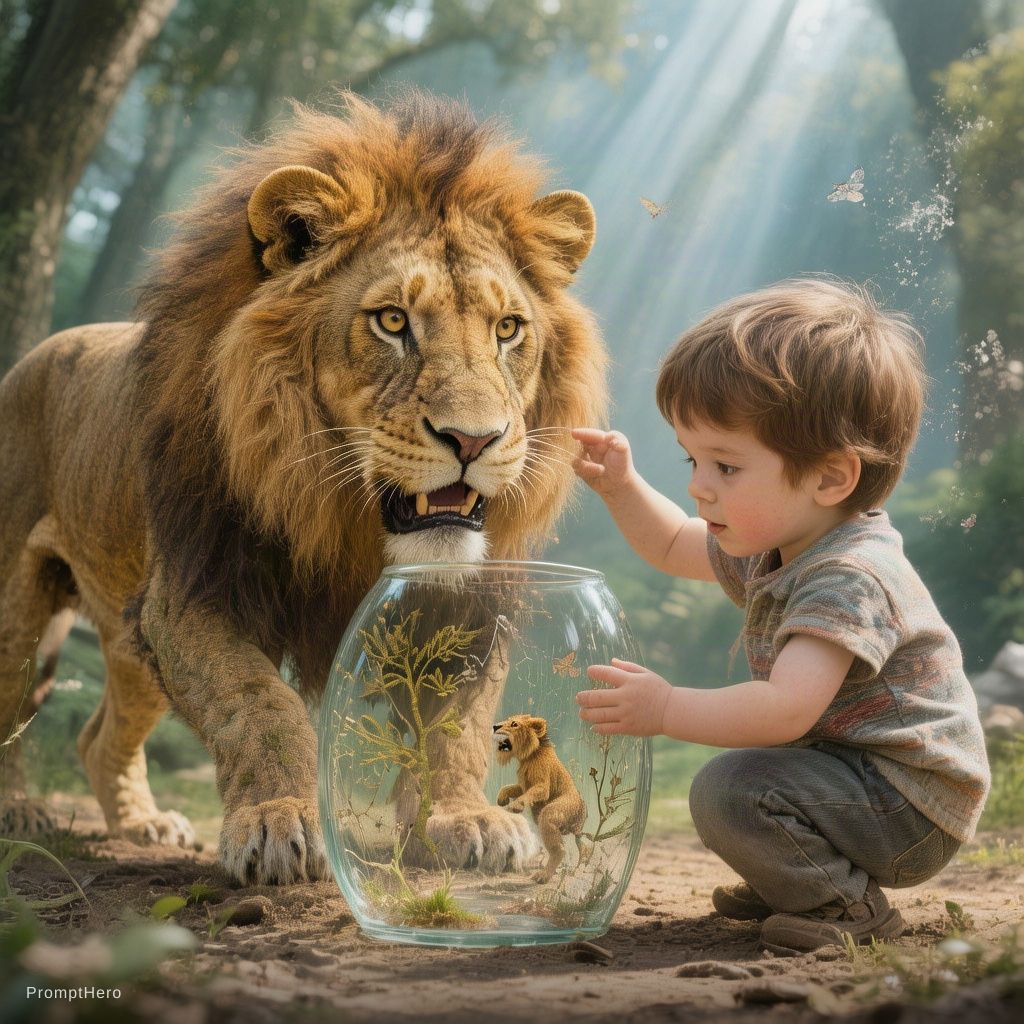
Hunyuan  prompt: make a prompt in which a small boy playing with th... No especificado hunyuan-3
Hero prompt: Base Image (Template): Image 1. Retain the exact o... No especificado 1.0
Seedream 5 prompt: Una mujer No especificado v2

Run este prompt con el API

La siguiente solicitud envía este mensaje, con sus valores predeterminados completados, al primer modelo en el que se ejecuta. Cambie el nombre del modelo por cualquier otro modelo enumerado anteriormente.

Documentación de la API de prompts
/api/v1/gpt_image_2/text_to_image
curl -X POST https://runapi.ai/api/v1/gpt_image_2/text_to_image \
  -H "Authorization: Bearer $RUNAPI_API_KEY" \
  -H "Content-Type: application/json" \
  --data-binary @- <<'JSON'
{
  "model": "gpt-image-2",
  "prompt": "Create one vertically stacked before-and-after comparison using the supplied image as the only source.\nLAYOUT:Exactly two equal-height panels: original image on top, transformed image on bottom. Both panels have the source image's aspect ratio and identical width. The complete canvas is twice the source image's height. Join the panels directly at a clean horizontal seam. No thick divider, extra panel, decorative frame, labels, or added text.\nTOP PANEL — ORIGINAL:Place the supplied image unchanged in the upper half. Preserve its full composition, original colors, lighting, details, existing text, and crop. Do not redraw, retouch, stylize, or apply texture to this panel.\nBOTTOM PANEL — OUTSIDER ART:Redraw the same scene as a flat, densely textured naïve folk-art print. Preserve the main subject, recognizable silhouettes, relative positions, important objects, and overall composition. Do not invent additional subjects or props.\nFlatten the ground into map-like color zones, with people, trees, buildings, and objects shown in simple frontal or side elevation. Remove converging perspective, photographic depth, directional lighting, and cast shadows.Use warm paper white, warm ink black, and two to four subdued colors derived from the source. Choose one existing object or connected detail as the only saturated accent. Give each large zone one consistent handmade texture: stitch marks, irregular window grids, or dense foliage marks. Keep the texture dense, rhythmic, and slightly imperfect.\nWhere people appear, use small, solid, faceless figures with filled clothing and limbs of visible width. Render every surface as opaque printed ink on matte paper, with no photographic remnants.Keep all illustration, paper texture, and color changes strictly inside the lower panel. No gradients, glossy vector finish, watercolor, stick figures, cute cartoon proportions, invented lettering, or watermark."
}
JSON

Probar a prompt