Historical Era Visualization Cube
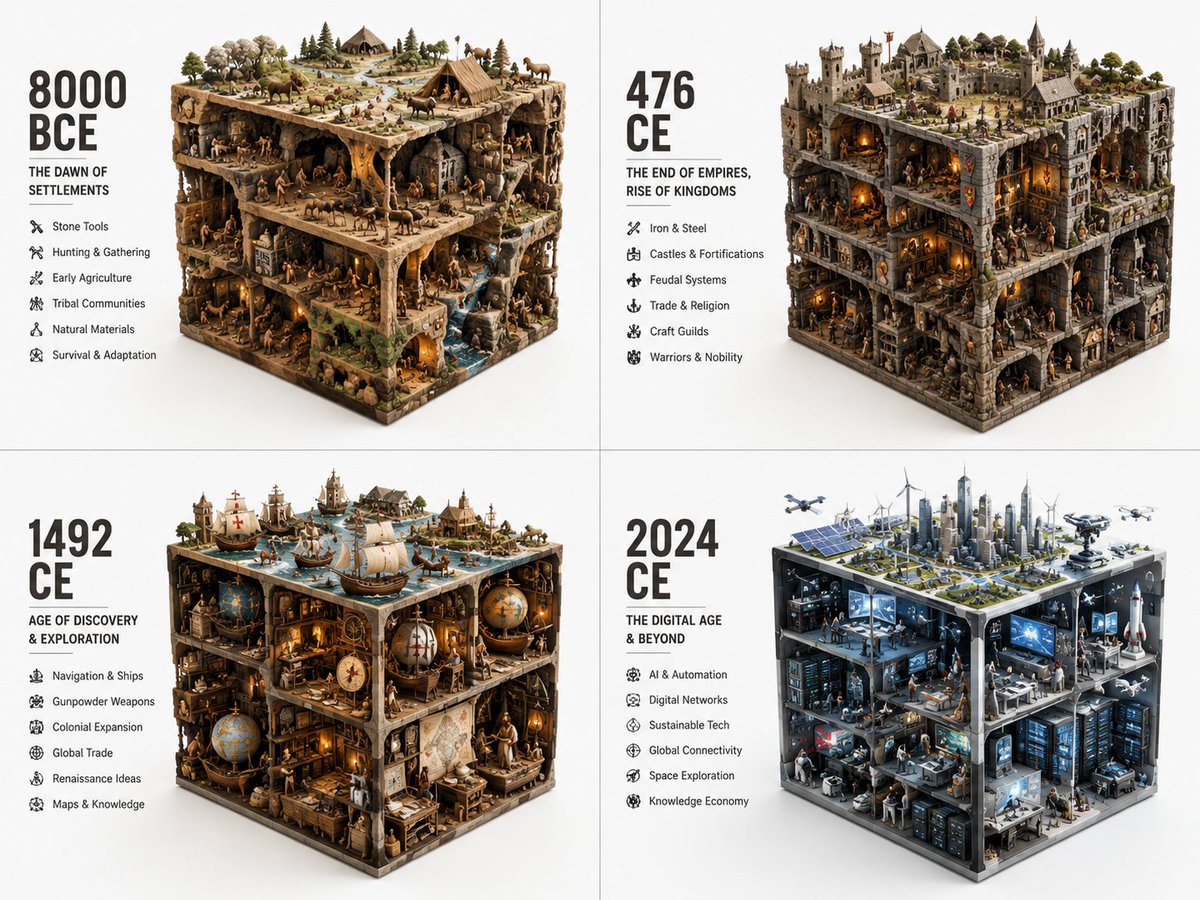
Historical Era Visualization Cube

prompt

2x2 grid, do this for different years of vastly different eras: ERA_TO_CUBE_SOLVER INPUT ::= [TOPIC], [ERA] STEP_1 :: infer era identity - time period or stage - dominant materials - key tools or artifacts - social/technical/cultural context - built environment or natural environment - representative agents or figures if relevant STEP_2 :: compress into cube - large objects define cuboid edges - medium objects build internal scenes - small objects fill gaps - top, side, and front faces remain visible - everything stays inside a strict rectangular volume STEP_3 :: create module text - large era label - short subtitle - compact bullet list - no fixed facts unless supplied STEP_4 :: repeat across eras - preserve identical visual grammar - increase or transform complexity chronologically

Działa z 21 modelami

  • Flux
  • Flux 2
  • Flux Kontext
  • GPT-4o Image
  • GPT Image
  • GPT Image 2
  • GPT Image 2.5
  • GPT Image 2.6
  • Grok Imagine
  • Ideogram V3
  • Imagen 4
  • Kling
  • +9 Więcej

Wynik tego promptu

Hunyuan  prompt: wine Nie określono hunyuan-3
Hunyuan  prompt: can beer Nie określono hunyuan-3
Hunyuan  prompt: ربات Nie określono hunyuan-3
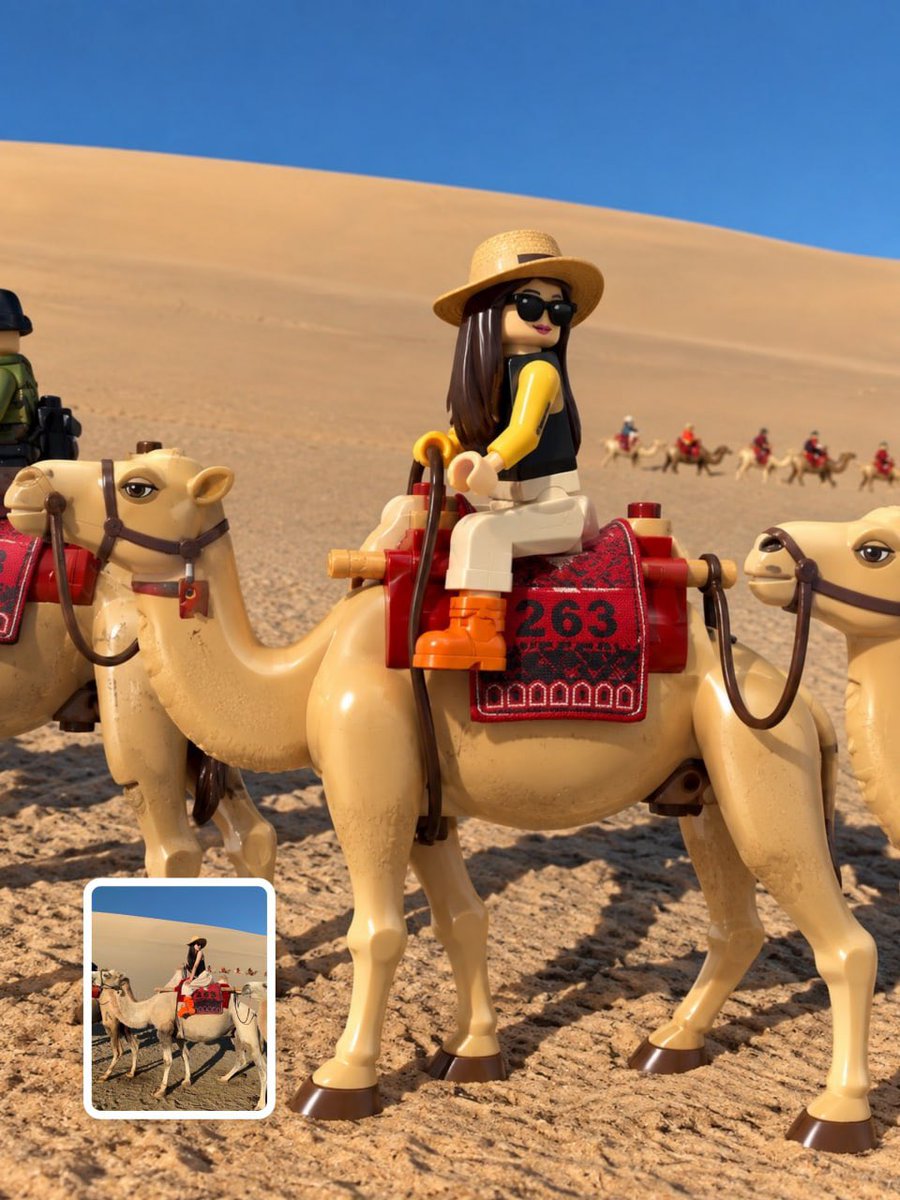
Hero prompt: recreate image 1 (close up indoor portrait of a wo... Nie określono 1.0
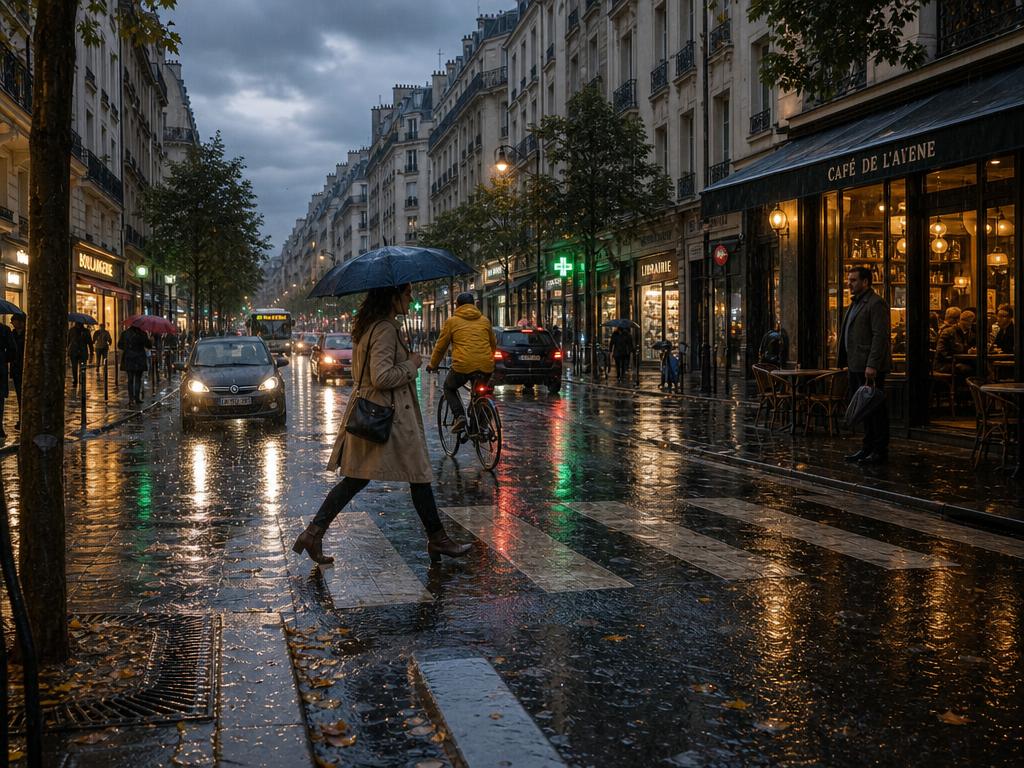
Rainy French Street at Night Nie określono gpt-image-2
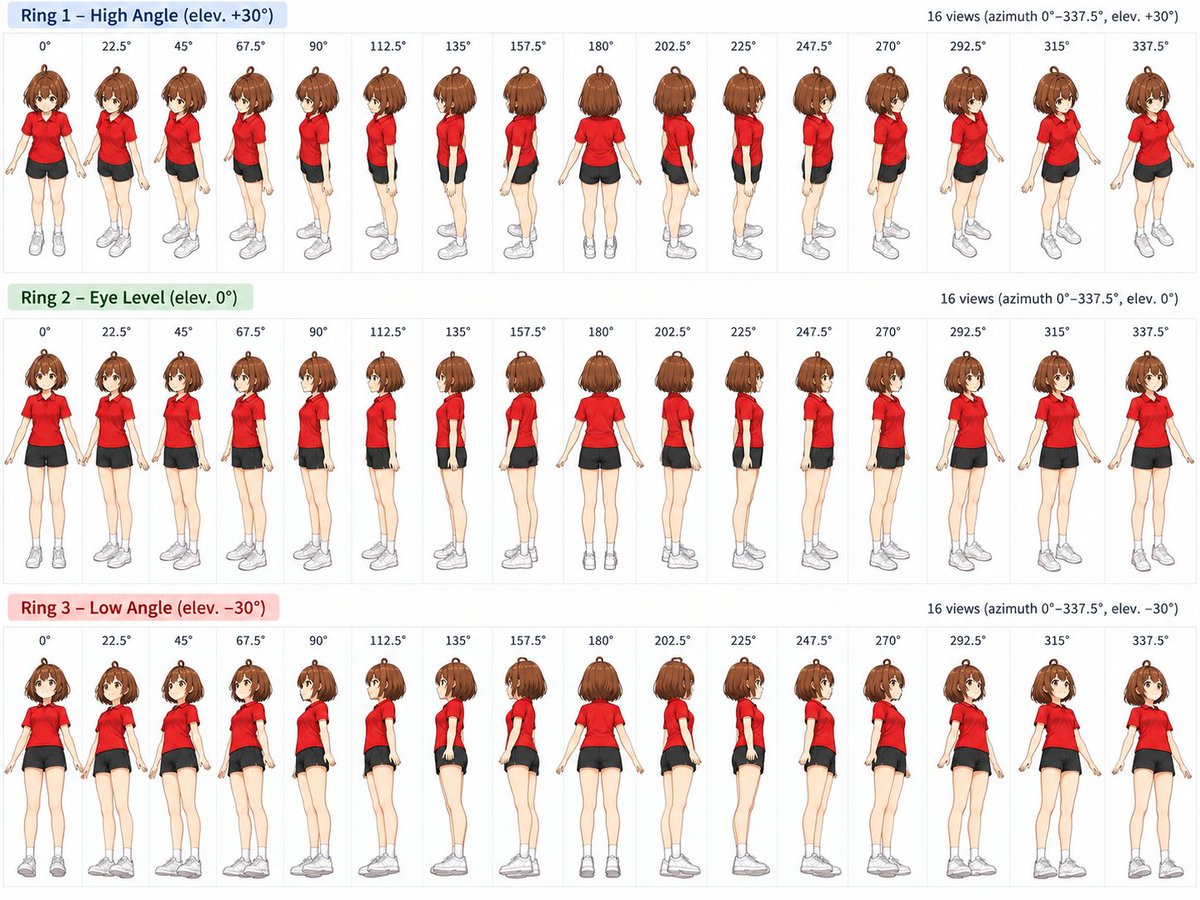
Camera Dome 48-Point View Setup Nie określono gpt-image-2

Run ten prompt z ten API

Poniższe żądanie wysyła ten monit z wypełnionymi wartościami domyślnymi do pierwszego modelu, na którym działa. Zamień nazwę modelu na dowolny inny model wymieniony powyżej.

Dokumentacja prompt API
/api/v1/gpt_image_2/text_to_image
curl -X POST https://runapi.ai/api/v1/gpt_image_2/text_to_image \
  -H "Authorization: Bearer $RUNAPI_API_KEY" \
  -H "Content-Type: application/json" \
  --data-binary @- <<'JSON'
{
  "model": "gpt-image-2",
  "prompt": "2x2 grid, do this for different years of vastly different eras: ERA_TO_CUBE_SOLVER  INPUT ::= [TOPIC], [ERA]  STEP_1 :: infer era identity - time period or stage - dominant materials - key tools or artifacts - social/technical/cultural context - built environment or natural environment - representative agents or figures if relevant  STEP_2 :: compress into cube - large objects define cuboid edges - medium objects build internal scenes - small objects fill gaps - top, side, and front faces remain visible - everything stays inside a strict rectangular volume  STEP_3 :: create module text - large era label - short subtitle - compact bullet list - no fixed facts unless supplied  STEP_4 :: repeat across eras - preserve identical visual grammar - increase or transform complexity chronologically"
}
JSON

Wypróbuj a prompt