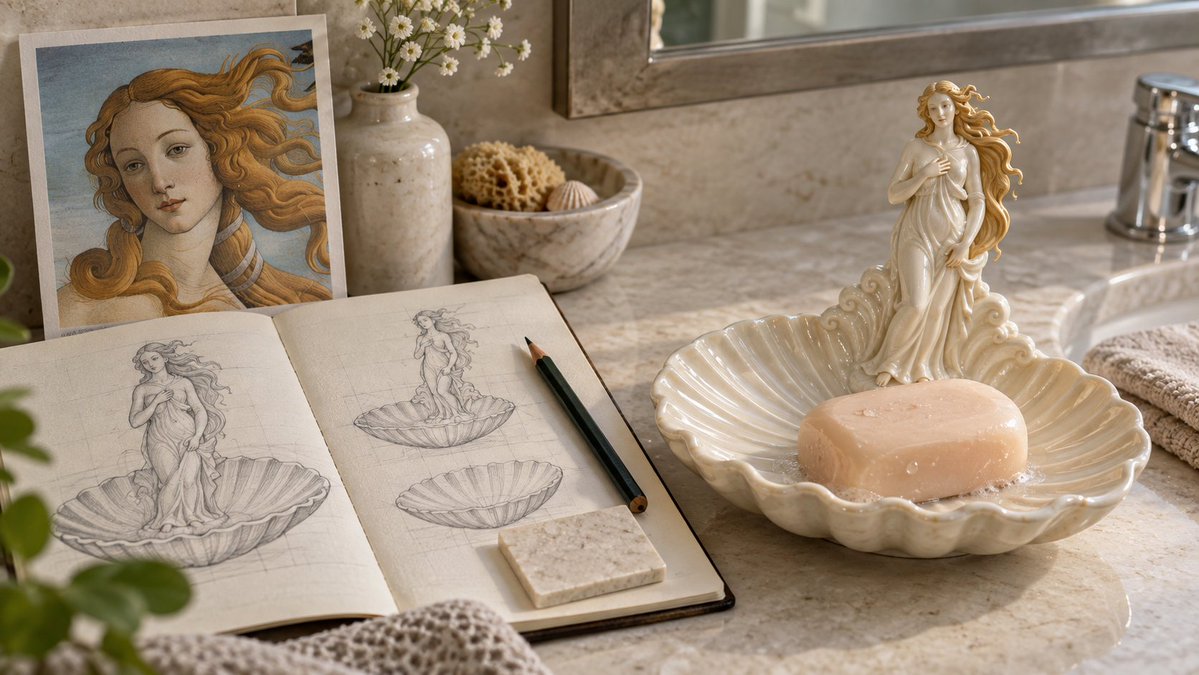
Historical Era Visualization Cube
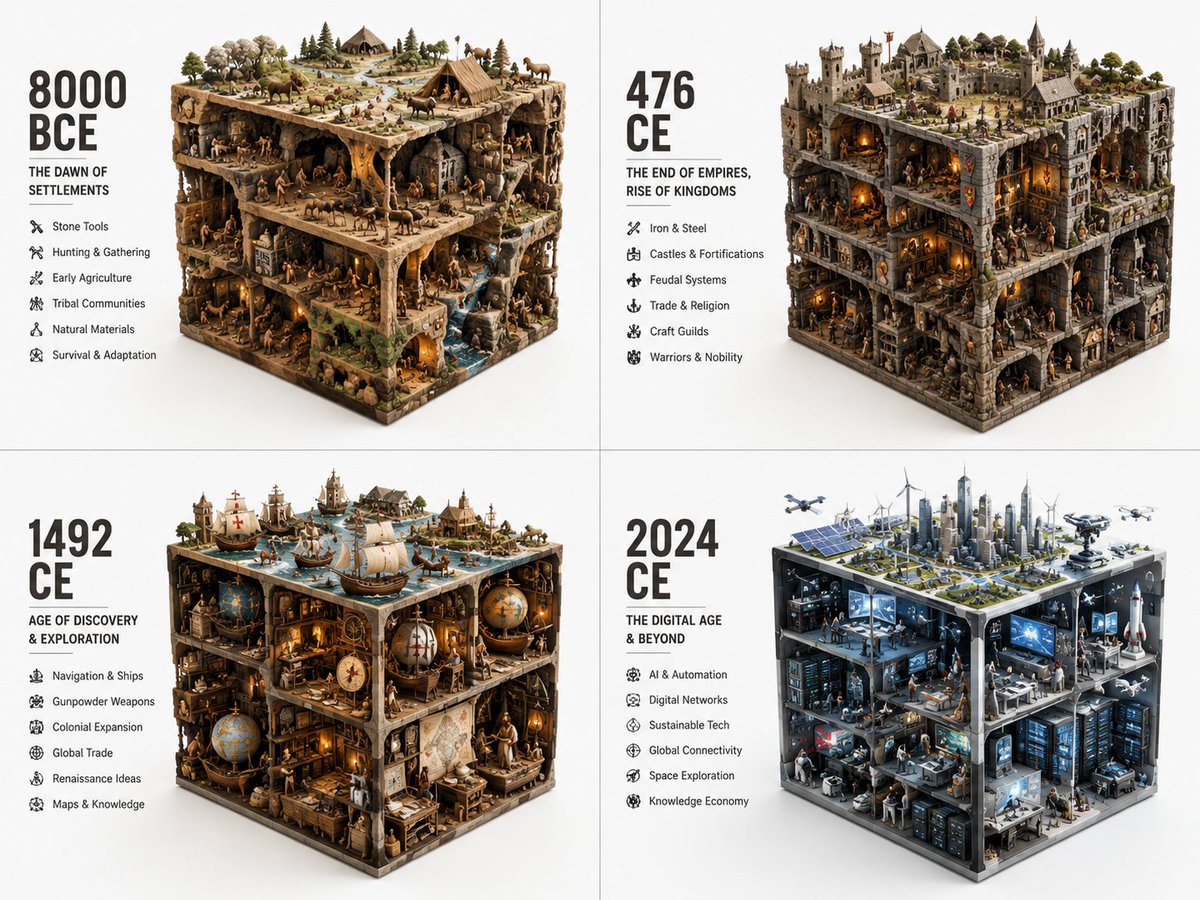
Historical Era Visualization Cube

Prompt

2x2 grid, do this for different years of vastly different eras: ERA_TO_CUBE_SOLVER INPUT ::= [TOPIC], [ERA] STEP_1 :: infer era identity - time period or stage - dominant materials - key tools or artifacts - social/technical/cultural context - built environment or natural environment - representative agents or figures if relevant STEP_2 :: compress into cube - large objects define cuboid edges - medium objects build internal scenes - small objects fill gaps - top, side, and front faces remain visible - everything stays inside a strict rectangular volume STEP_3 :: create module text - large era label - short subtitle - compact bullet list - no fixed facts unless supplied STEP_4 :: repeat across eras - preserve identical visual grammar - increase or transform complexity chronologically

Runs on 20 models

  • Flux
  • Flux 2
  • Flux Kontext
  • GPT-4o Image
  • GPT Image
  • GPT Image 2
  • GPT Image 2.5
  • GPT Image 2.6
  • Grok Imagine
  • Ideogram V3
  • Imagen 4
  • Kling
  • +8 more

What this prompt produces

Rainy French Street at Night Not specified gpt-image-2
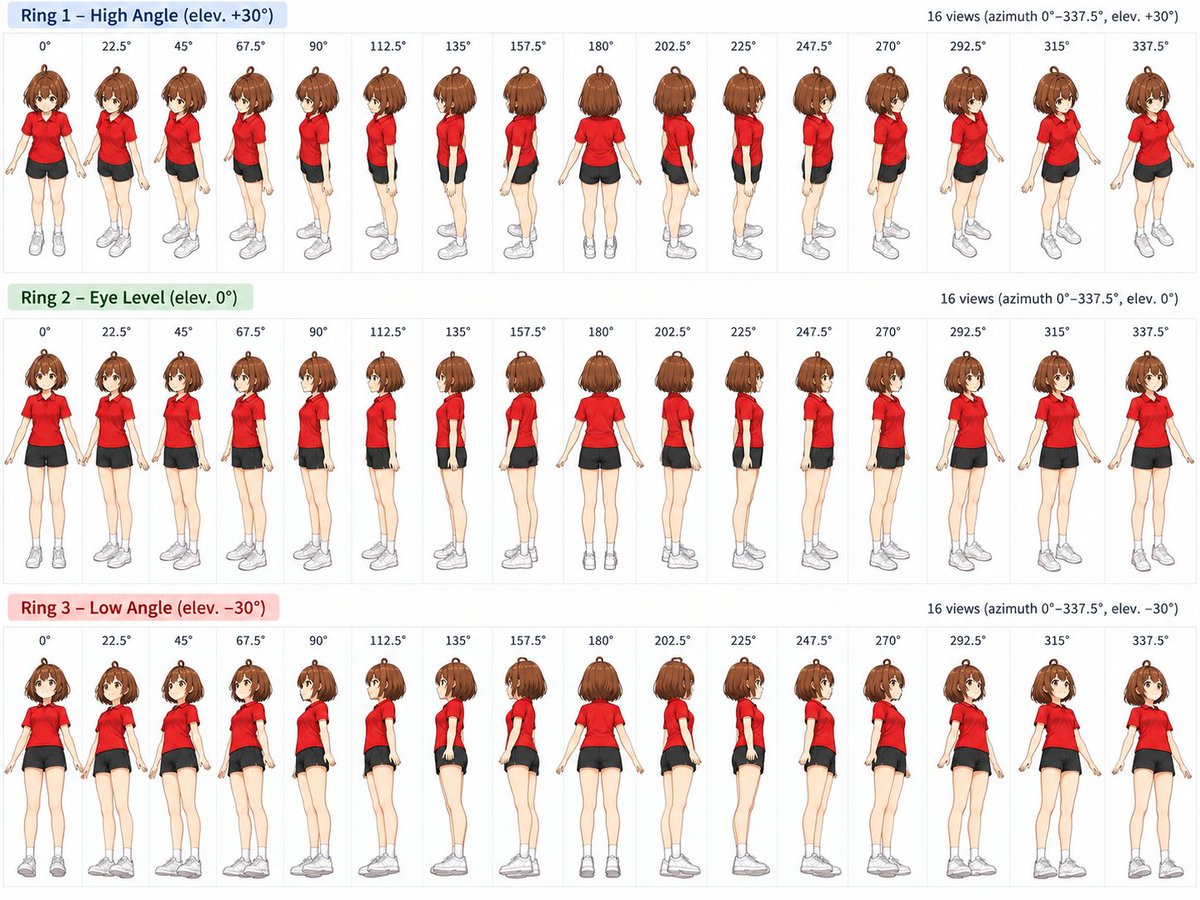
Camera Dome 48-Point View Setup Not specified gpt-image-2
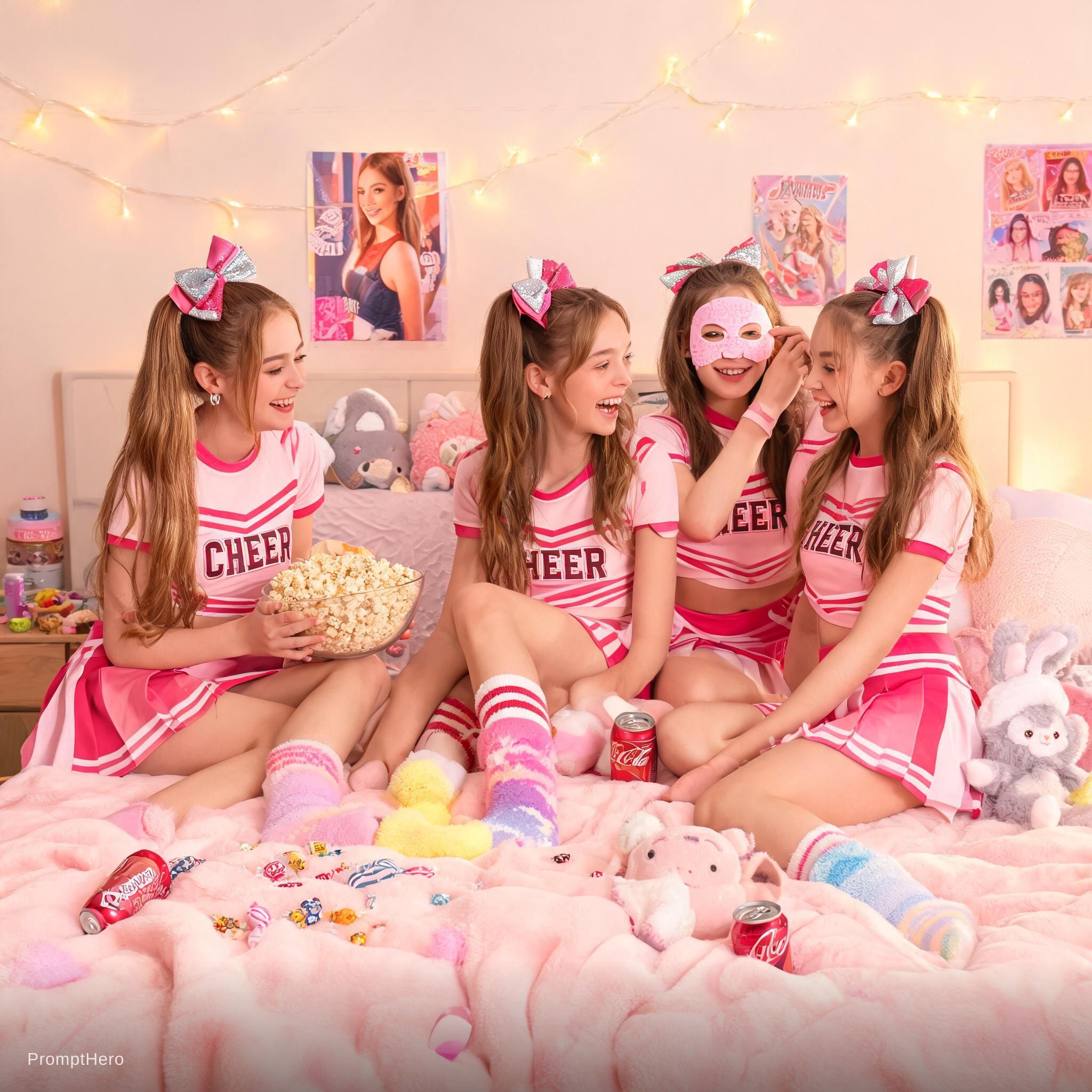
Seedream 5 prompt: Preteen cheerleaders, very pretty, around 11 years... Not specified v2
Hunyuan  prompt: make a prompt in which a small boy playing with th... Not specified hunyuan-3
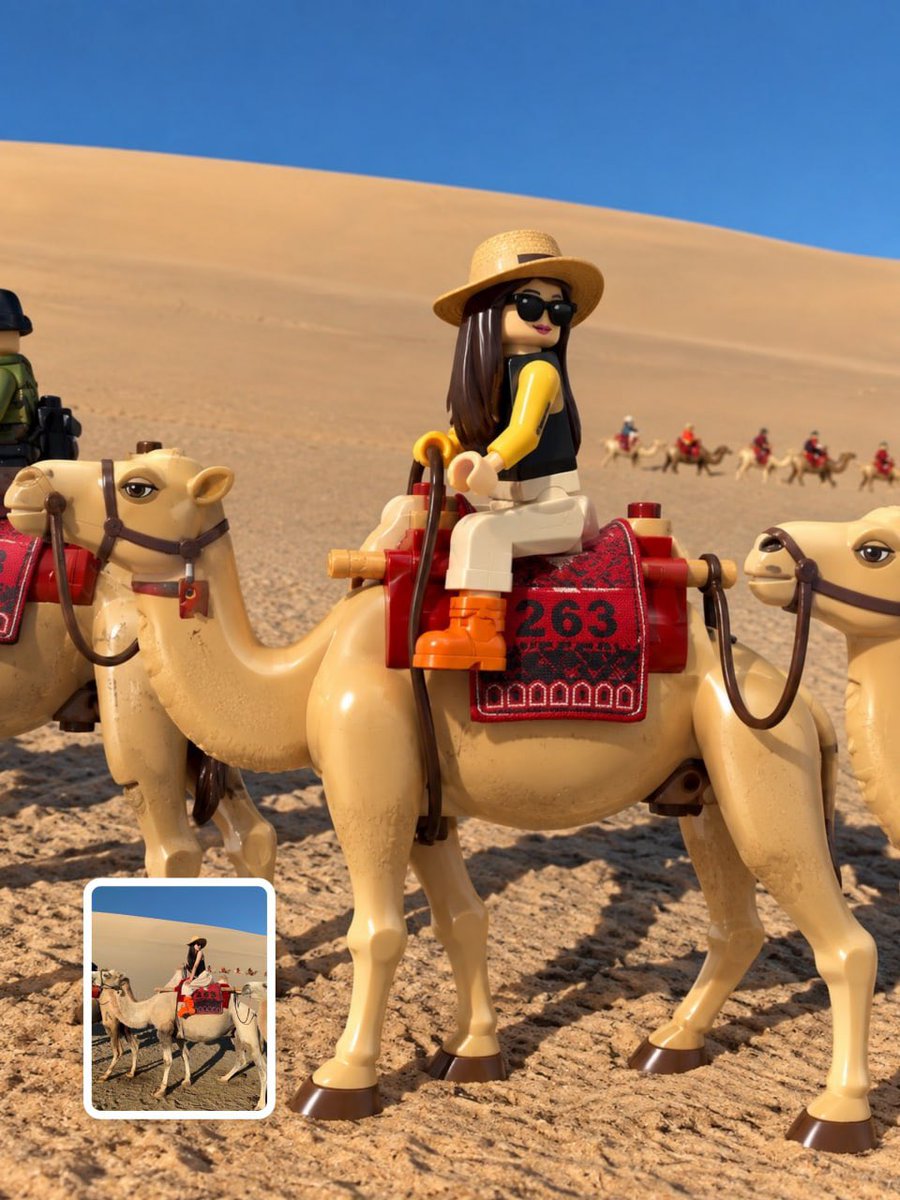
Hero prompt: Base Image (Template): Image 1. Retain the exact o... Not specified 1.0
Seedream 5 prompt: Una mujer Not specified v2

Run this prompt with the API

The request below sends this prompt, with its default values filled in, to the first model it runs on. Swap the model name for any other model listed above.

Prompt API docs
/api/v1/gpt_image_2/text_to_image
curl -X POST https://runapi.ai/api/v1/gpt_image_2/text_to_image \
  -H "Authorization: Bearer $RUNAPI_API_KEY" \
  -H "Content-Type: application/json" \
  --data-binary @- <<'JSON'
{
  "model": "gpt-image-2",
  "prompt": "2x2 grid, do this for different years of vastly different eras: ERA_TO_CUBE_SOLVER  INPUT ::= [TOPIC], [ERA]  STEP_1 :: infer era identity - time period or stage - dominant materials - key tools or artifacts - social/technical/cultural context - built environment or natural environment - representative agents or figures if relevant  STEP_2 :: compress into cube - large objects define cuboid edges - medium objects build internal scenes - small objects fill gaps - top, side, and front faces remain visible - everything stays inside a strict rectangular volume  STEP_3 :: create module text - large era label - short subtitle - compact bullet list - no fixed facts unless supplied  STEP_4 :: repeat across eras - preserve identical visual grammar - increase or transform complexity chronologically"
}
JSON

Try a prompt