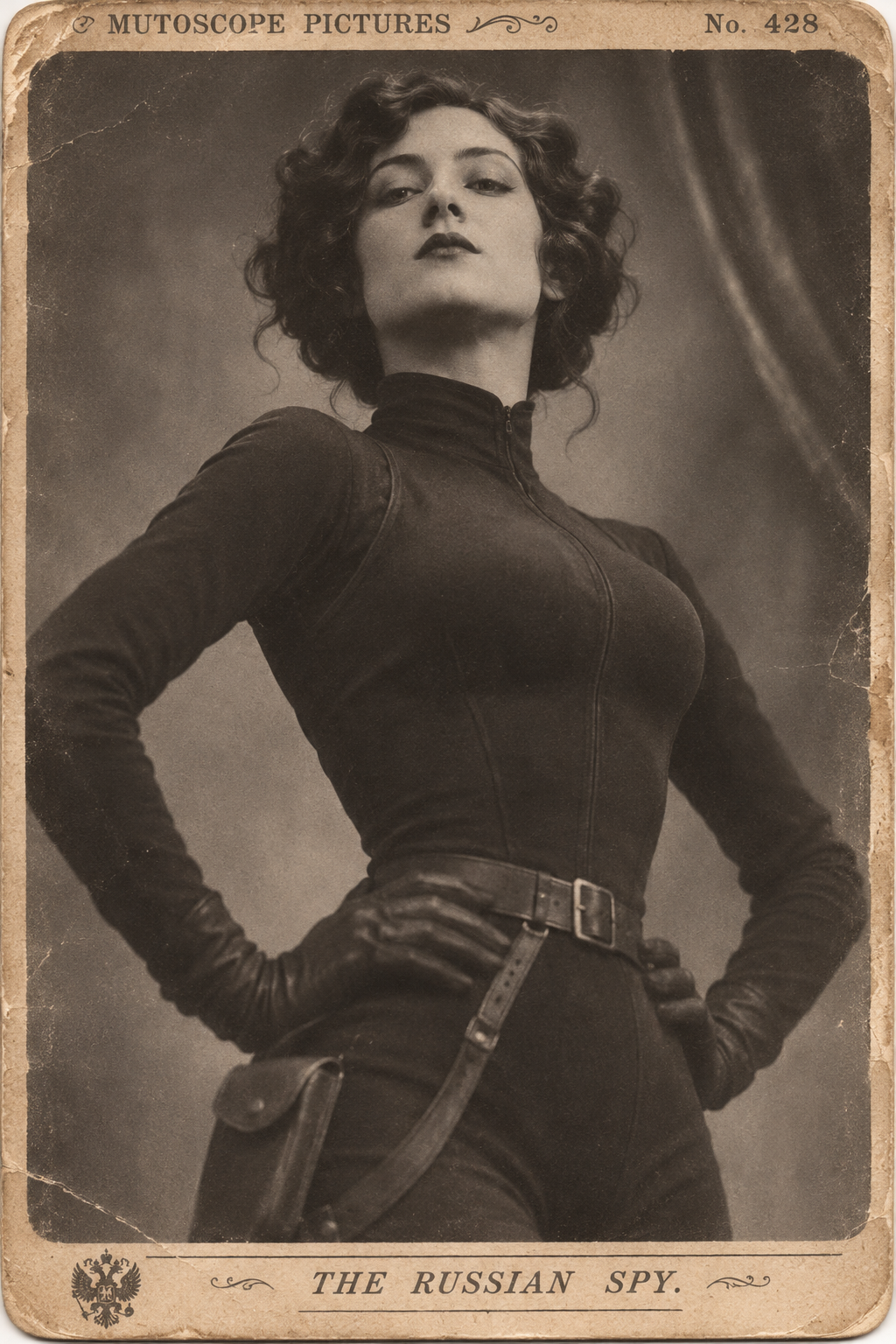
Character Workspace Generator
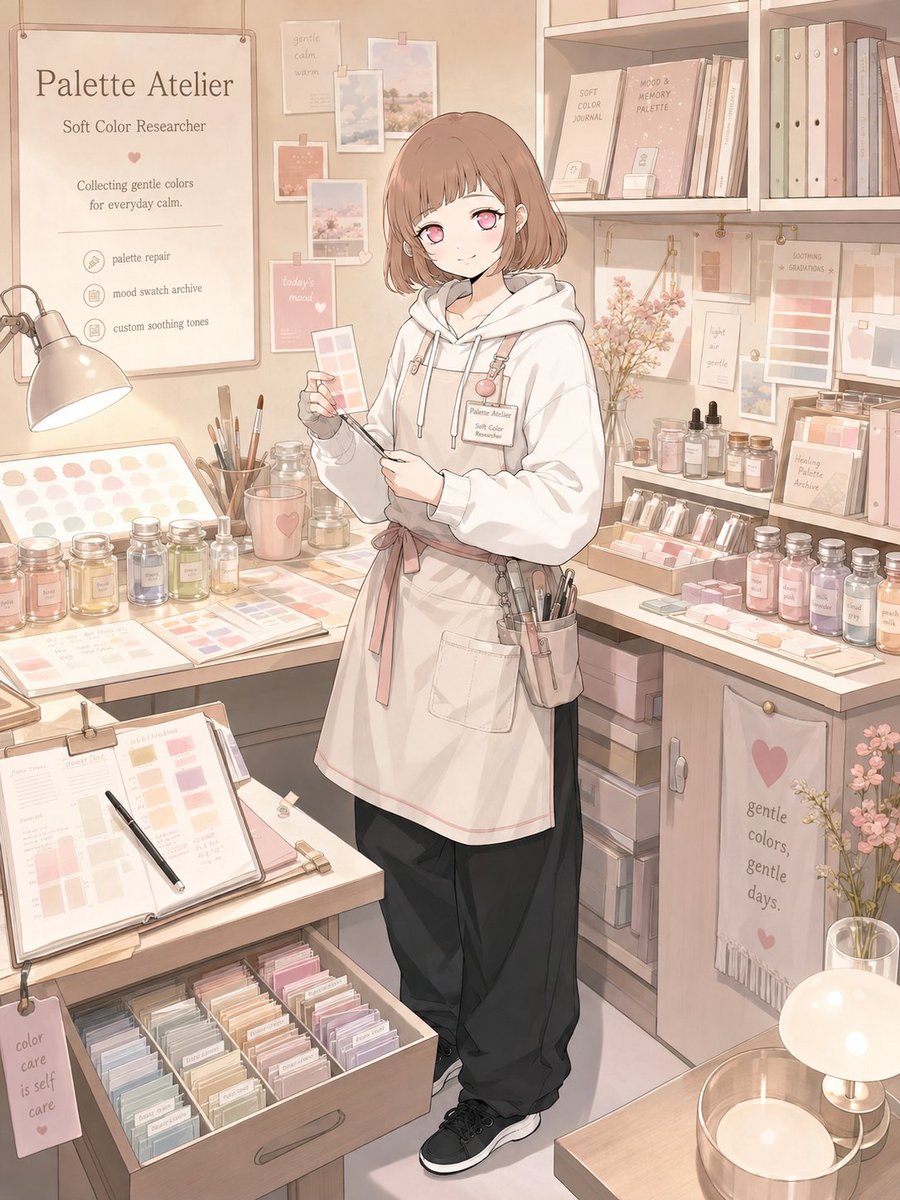
Character Workspace Generator

prompt

[Mode] character_workspace_synthesis [Input] 1 reference character image [Output] 1 final image only [Core Binding] Bind identity to source-character tokens: - face topology - eye geometry / iris color - hair shape / color mapping / accent placement - body proportion - age read - costume mood - signature accessories - source rendering logic if non-photographic [Latent Derivation] Infer vocation-language from observable signals only: chromatic cues, expression tone, styling logic, silhouette character, object affinity, atmospheric read. Do not assign a generic real-world office role by default. Translate the observed signals into one character-specific fictional occupation. Prefer interpretive divergence across different characters. [Occupation Synthesis] Create one original job that feels naturally owned by the character. The vocation may be creative, fantastical, artisan, research-based, service-based, archival, atmospheric, or semi-magical, as long as it remains visually legible. The role must feel specific rather than broad. Examples of acceptable directionality: memory repairer, dream courier, color researcher, sound archivist, moonlight florist, relic conservator, weather note keeper. Avoid overused defaults such as “barista”, “idol”, or “office worker” unless the reference strongly supports them. [Workspace Assembly] Construct a believable dedicated workplace for that vocation: workbench / desk / storage / tools / display surfaces / task materials / lighting / signage / wall elements / small process artifacts. The environment must communicate the job through object selection and spatial planning. Include traces of ongoing work. Not messy-chaotic. Not showroom-sterile. The space should feel functional, inhabited, and tailored to the character. [Costume Adaptation] Allow wardrobe adjustment only as needed to support the fictional job. Preserve identity lock while adapting into work-appropriate styling: apron, coat, gloves, utility accessories, badge, tool belt, or other profession-linked details if relevant. Do not erase the source character’s core visual identity. [Framing] Character present inside the workspace as main subject. Environment must remain readable and clearly tied to the vocation. Single character only. Approx framing: knees-up to full figure. Face visibility priority high. [Text Budget | optional] workplace name job title short copy up to 3 micro-profile or service cues Keep sparse and readable. [Result Goal] Stylish character-workspace reveal image with strong lifestyle, profession, and worldbuilding value. The viewer should feel: “this job was designed specifically for this character.” [Canvas] vertical 3:4

Fonctionne avec 21 modèles

  • Flux
  • Flux 2
  • Flux Kontext
  • GPT-4o Image
  • GPT Image
  • GPT Image 2
  • GPT Image 2.5
  • GPT Image 2.6
  • Grok Imagine
  • Ideogram V3
  • Imagen 4
  • Kling
  • +9 Plus

Résultats de ce prompt

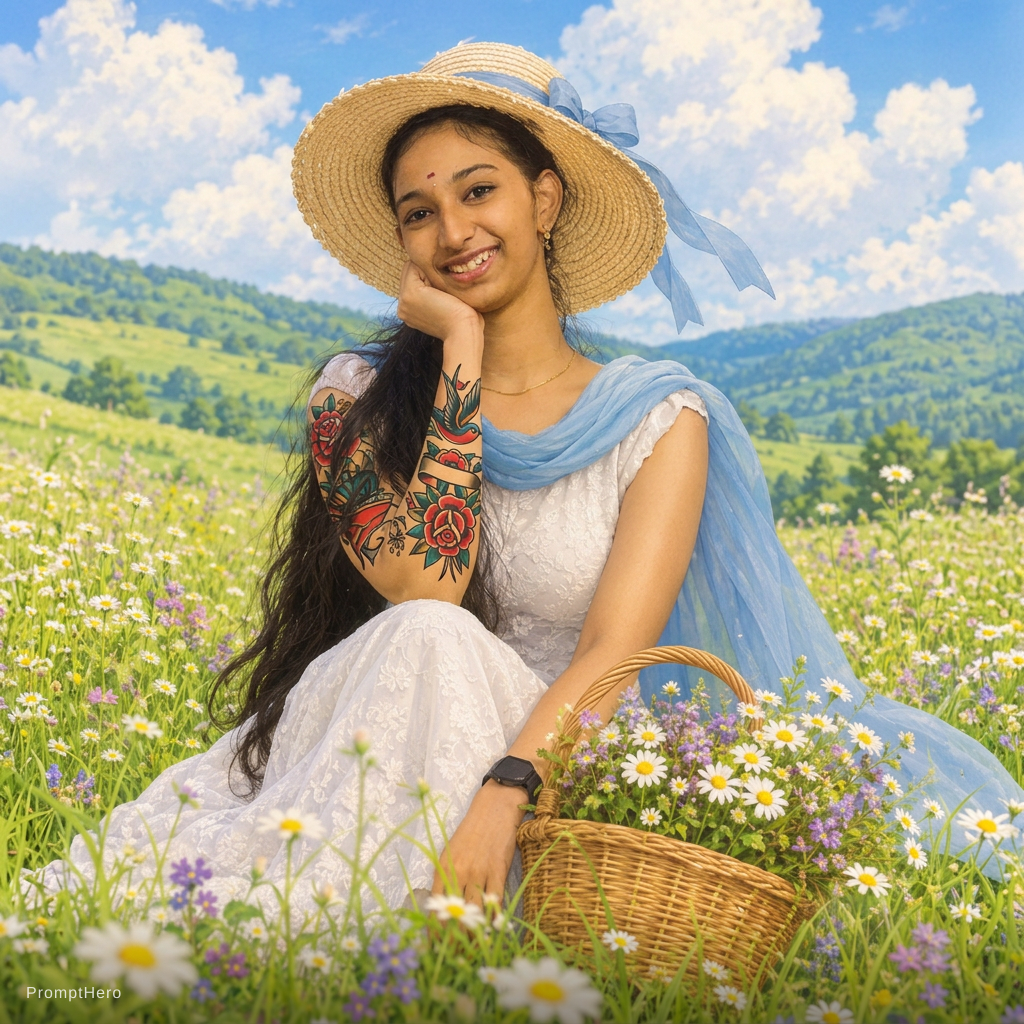
Nano Banana prompt: Kavya covering full bicep, bold American style wit Non précisé nano-banana-2.1
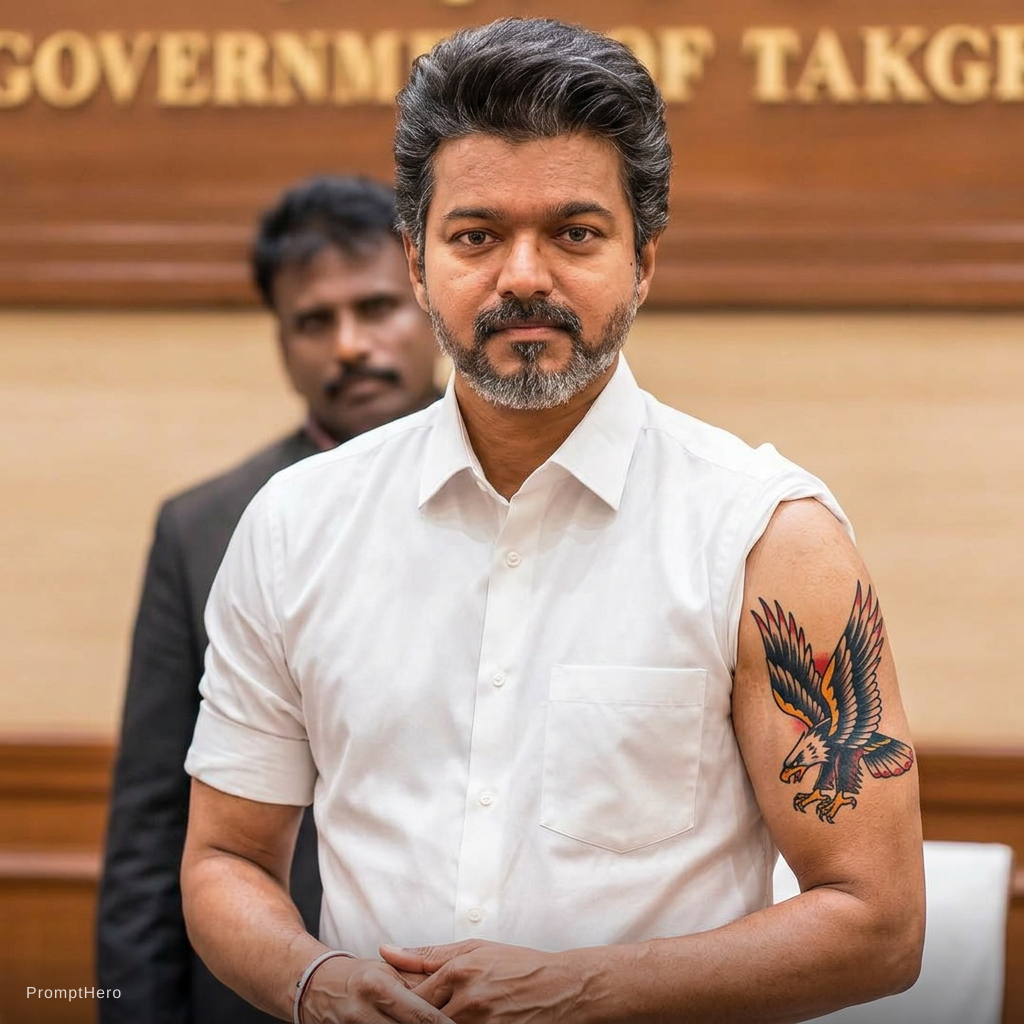
Nano Banana prompt: traditional eagle covering full bicep, bold Americ... Non précisé nano-banana-2.1
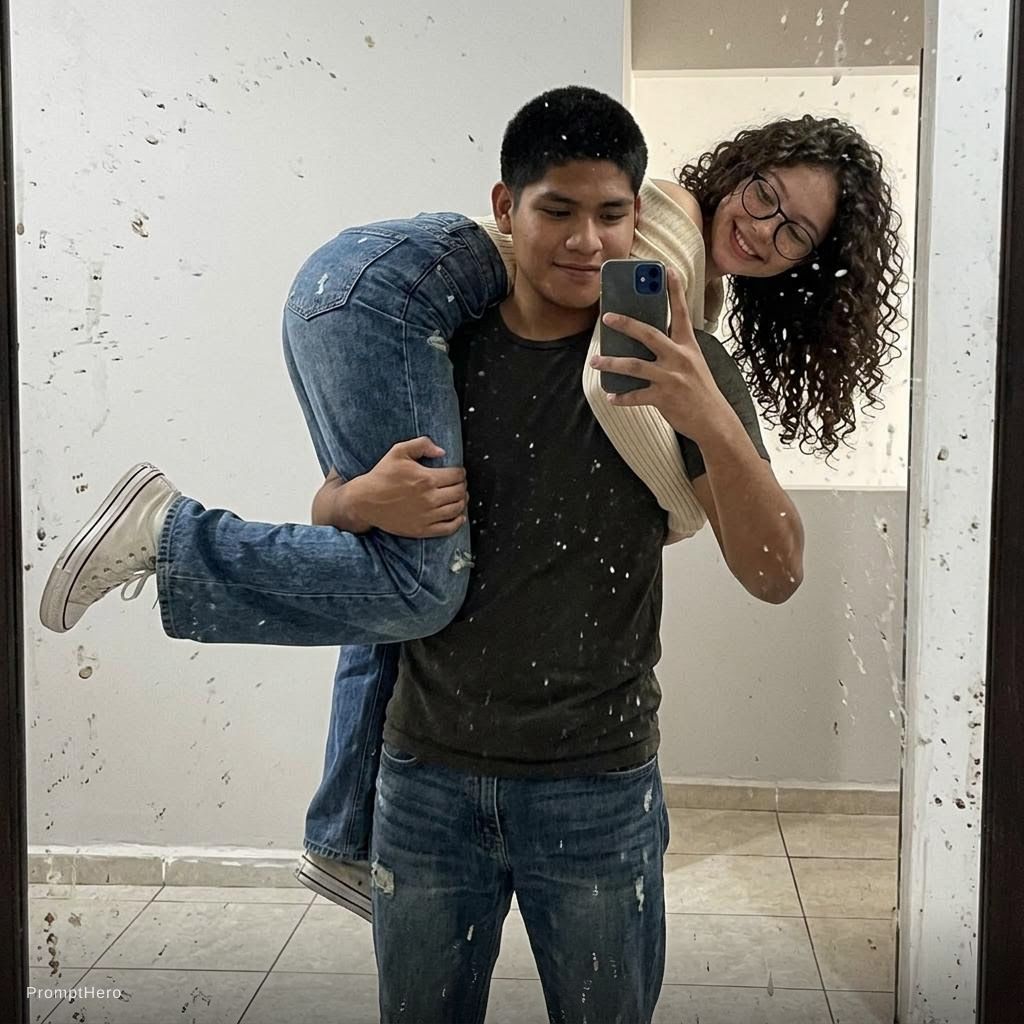
Hero prompt: nos podrias hacer una foto con la pose de la prime... Non précisé 1.0
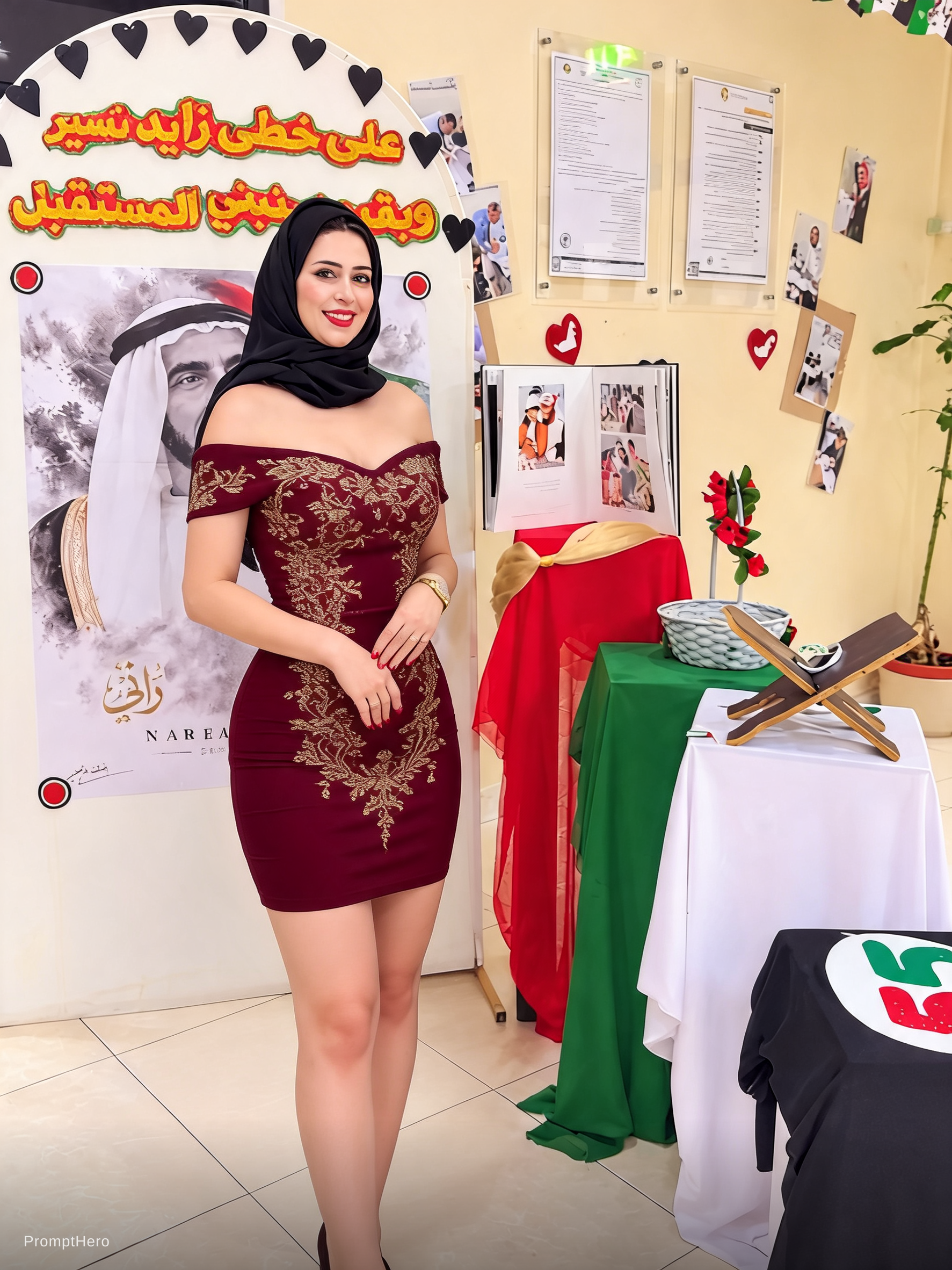
Seedream 5 prompt: Hot dress Non précisé v2
Nano Banana prompt: Match the same pose from the 1st image Non précisé nano-banana-2.1
Seedream 5 prompt: Modern minimalist mobile app icon logo design for ... Non précisé seedream-5-pro

Run ce prompt avec le API

le request below sends ce prompt, avec its default values filled in, to le first modèle it runs on. Swap le modèle name pour any other modèle listed above.

Documentation de l’API prompt
/api/v1/gpt_image_2/text_to_image
curl -X POST https://runapi.ai/api/v1/gpt_image_2/text_to_image \
  -H "Authorization: Bearer $RUNAPI_API_KEY" \
  -H "Content-Type: application/json" \
  --data-binary @- <<'JSON'
{
  "model": "gpt-image-2",
  "prompt": "[Mode] character_workspace_synthesis\n[Input] 1 reference character image\n[Output] 1 final image only\n\n[Core Binding]\nBind identity to source-character tokens:\n- face topology\n- eye geometry / iris color\n- hair shape / color mapping / accent placement\n- body proportion\n- age read\n- costume mood\n- signature accessories\n- source rendering logic if non-photographic\n\n[Latent Derivation]\nInfer vocation-language from observable signals only:\nchromatic cues, expression tone, styling logic, silhouette character, object affinity, atmospheric read.\nDo not assign a generic real-world office role by default.\nTranslate the observed signals into one character-specific fictional occupation.\nPrefer interpretive divergence across different characters.\n\n[Occupation Synthesis]\nCreate one original job that feels naturally owned by the character.\nThe vocation may be creative, fantastical, artisan, research-based, service-based, archival, atmospheric, or semi-magical, as long as it remains visually legible.\nThe role must feel specific rather than broad.\nExamples of acceptable directionality:\nmemory repairer, dream courier, color researcher, sound archivist, moonlight florist, relic conservator, weather note keeper.\nAvoid overused defaults such as “barista”, “idol”, or “office worker” unless the reference strongly supports them.\n\n[Workspace Assembly]\nConstruct a believable dedicated workplace for that vocation:\nworkbench / desk / storage / tools / display surfaces / task materials / lighting / signage / wall elements / small process artifacts.\nThe environment must communicate the job through object selection and spatial planning.\nInclude traces of ongoing work.\nNot messy-chaotic. Not showroom-sterile.\nThe space should feel functional, inhabited, and tailored to the character.\n\n[Costume Adaptation]\nAllow wardrobe adjustment only as needed to support the fictional job.\nPreserve identity lock while adapting into work-appropriate styling:\napron, coat, gloves, utility accessories, badge, tool belt, or other profession-linked details if relevant.\nDo not erase the source character’s core visual identity.\n\n[Framing]\nCharacter present inside the workspace as main subject.\nEnvironment must remain readable and clearly tied to the vocation.\nSingle character only.\nApprox framing: knees-up to full figure.\nFace visibility priority high.\n\n[Text Budget | optional]\nworkplace name\njob title\nshort copy\nup to 3 micro-profile or service cues\nKeep sparse and readable.\n\n[Result Goal]\nStylish character-workspace reveal image with strong lifestyle, profession, and worldbuilding value.\nThe viewer should feel:\n“this job was designed specifically for this character.”\n\n[Canvas] vertical 3:4"
}
JSON

Essayer a prompt