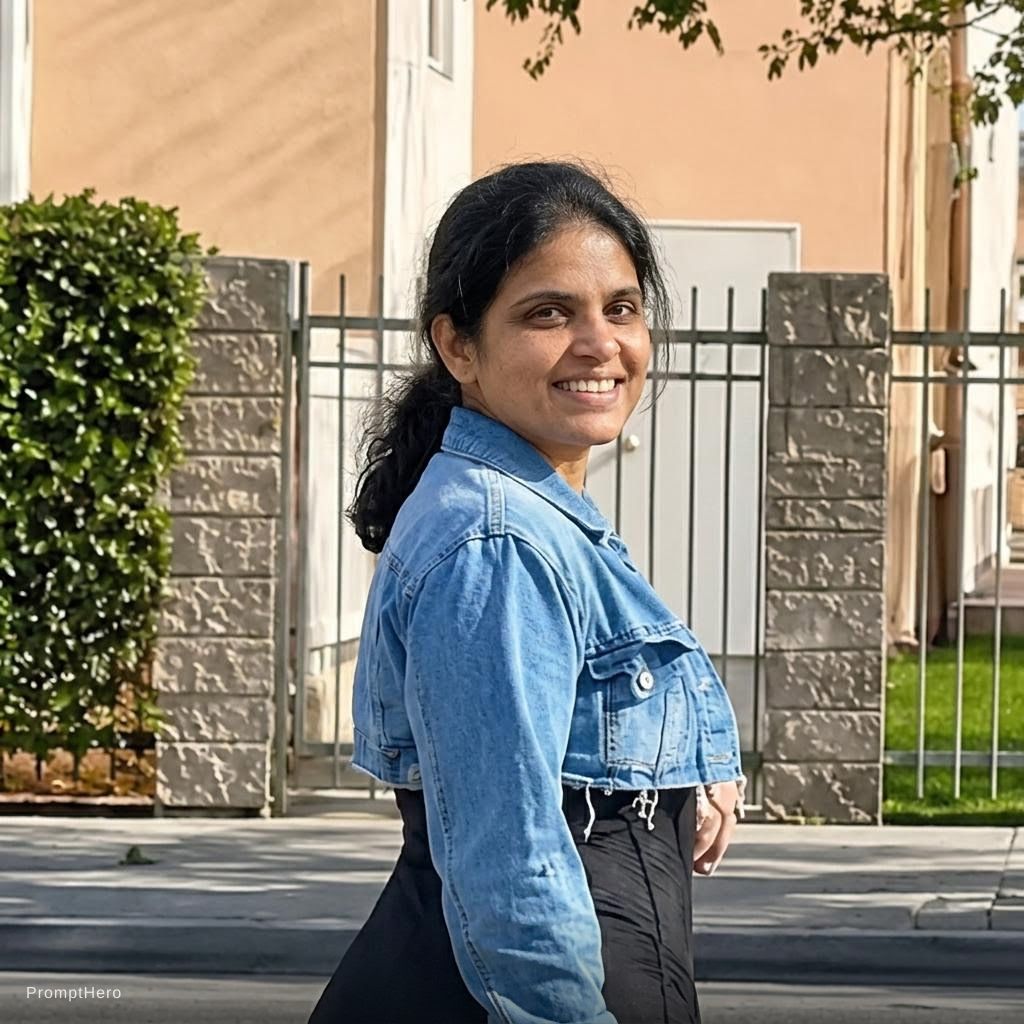
Impasto Oil Miniature Painting Style
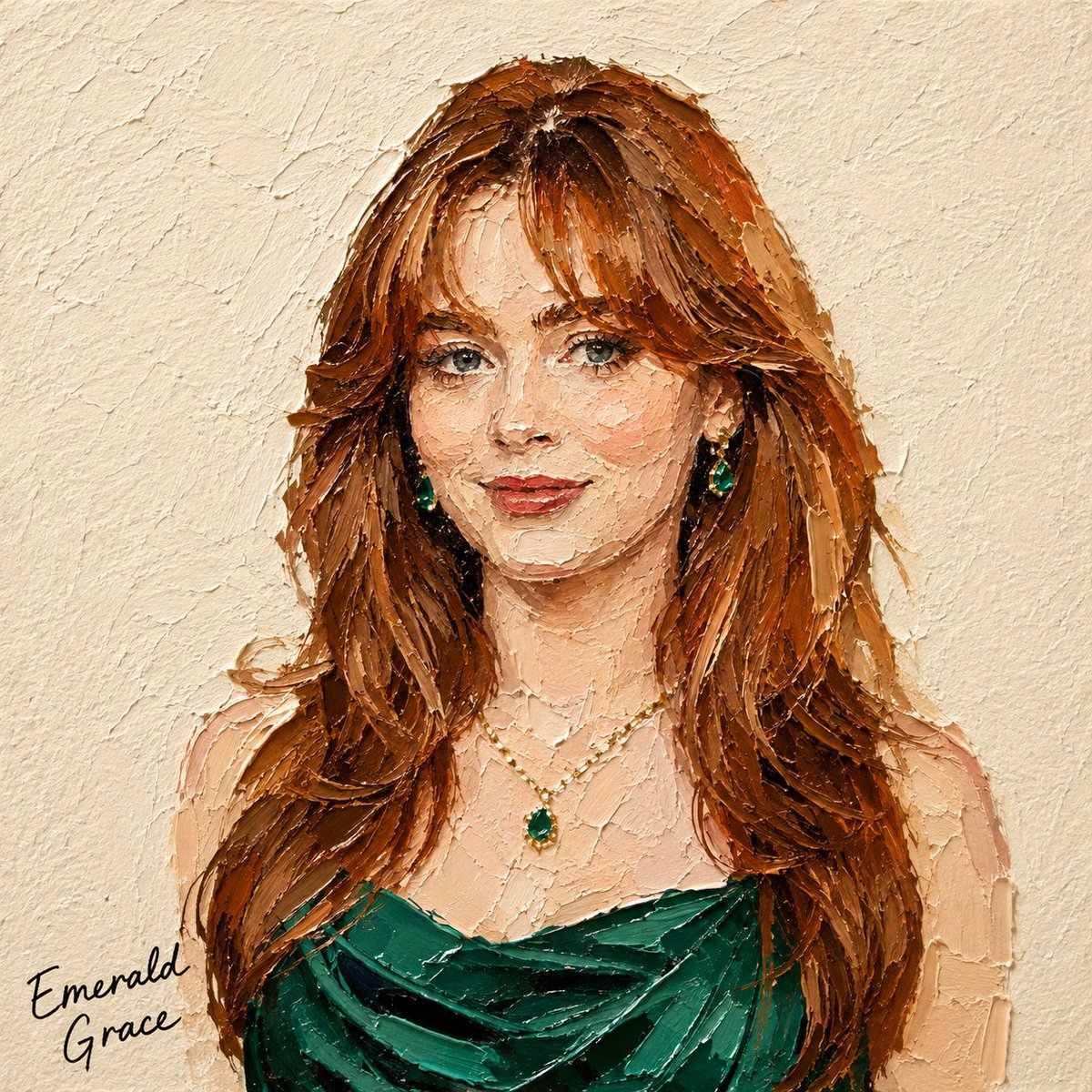
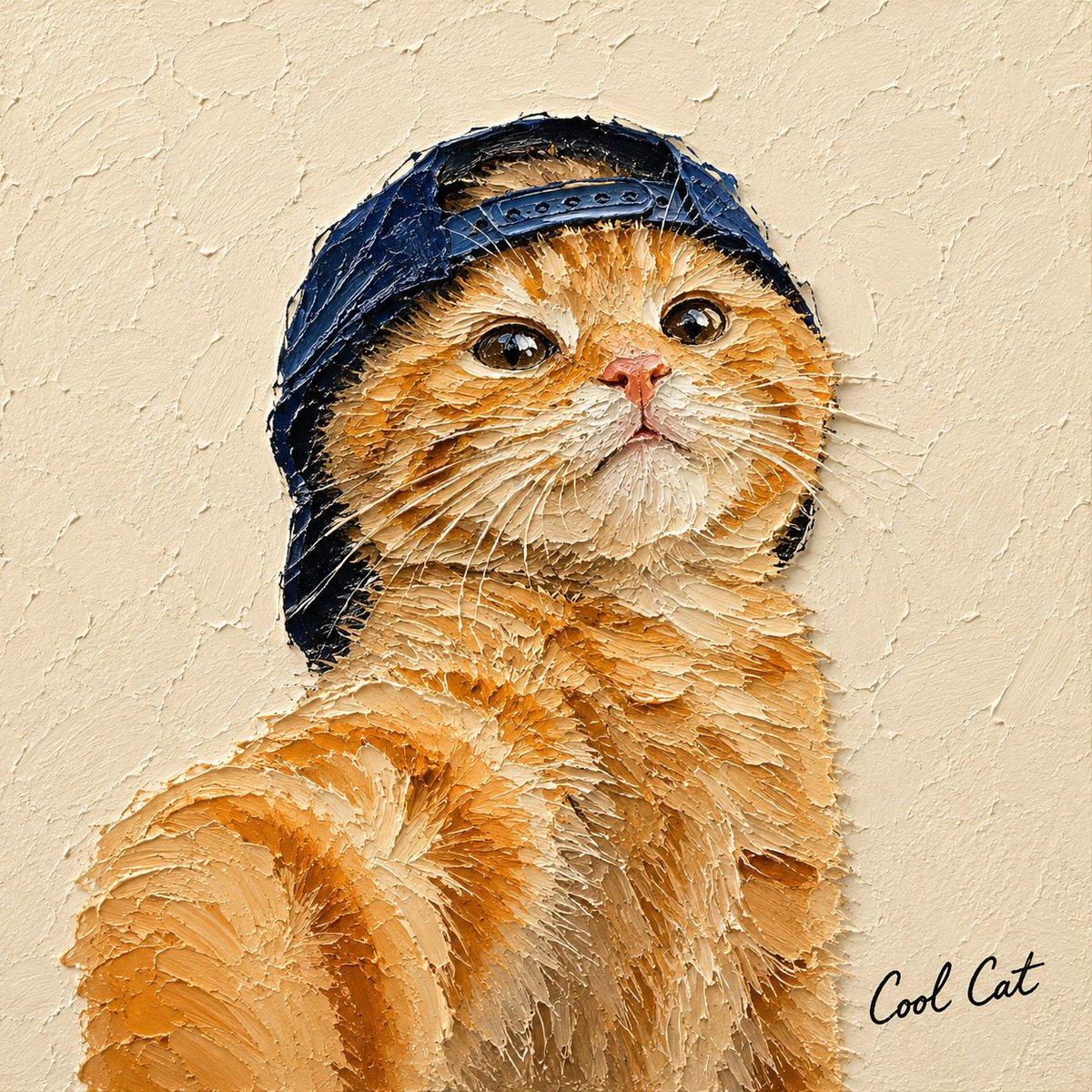
Impasto Oil Miniature Painting Style
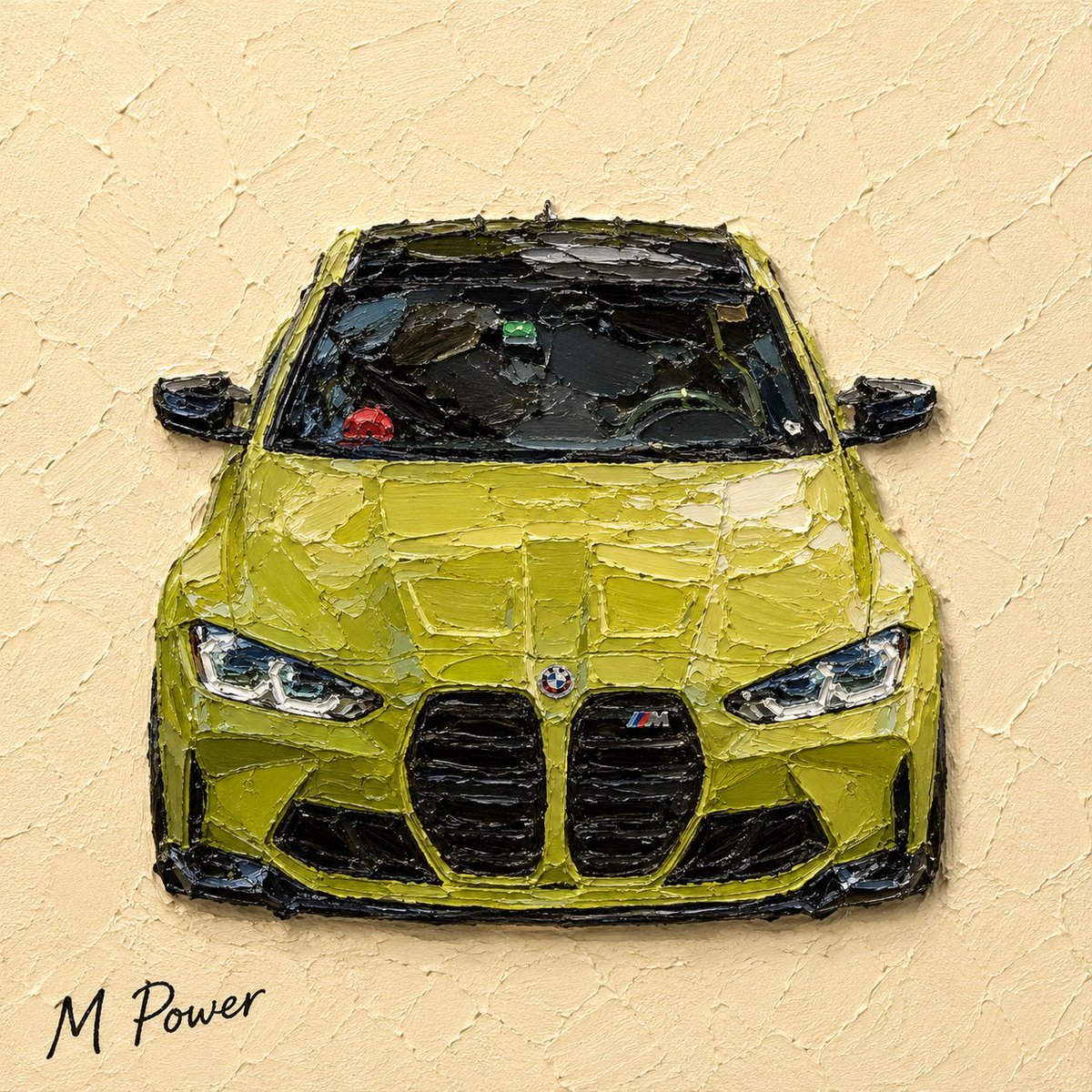
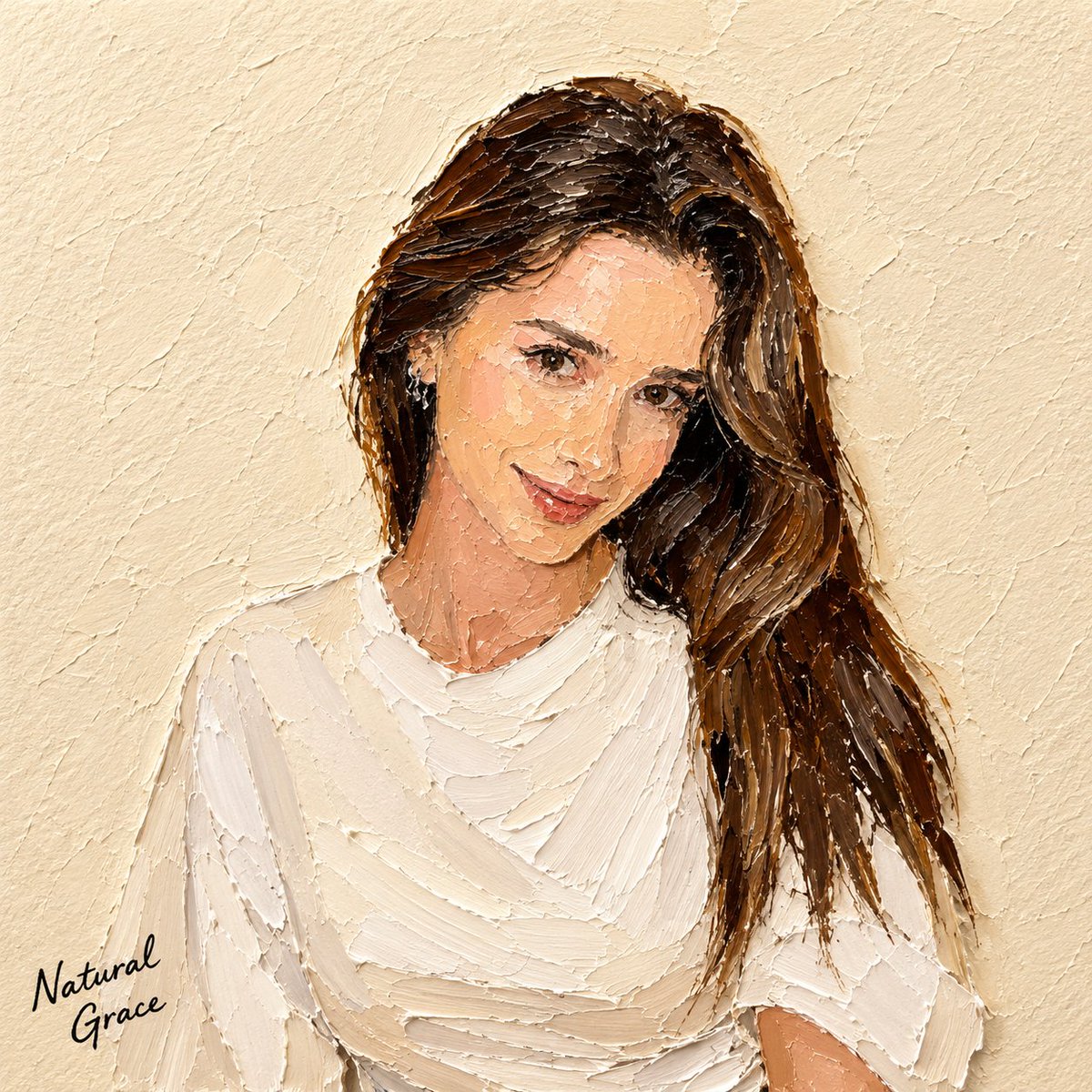

prompt

Transform the subject in the attached photo into a square miniature painting in a palette-knife impasto oil-painting style. [Style — Emphasize 3D Texture] Use bold, thick impasto paint applied with a palette knife, raised approximately 3–5 mm from the surface. Each paint mass should show clear directional knife marks, including visible grooves and ridges. Assume lighting from the upper left. Add bright highlights to raised paint and distinct shadows to recessed or overlapping areas, creating strong light-and-shadow contrast like a real oil-paint surface. Add subtle shadows along paint edges so each color mass appears layered and built up at different depths, rather than flat. Preserve the subject’s silhouette, colors, and composition from the original photo, but avoid realistic rendering. Simplify the form using thick masses of paint. Keep the texture controlled and not overly detailed. The subject should remain recognizable through a limited number of bold, dimensional palette-knife strokes. [Background] Use a fixed warm ivory/cream watercolor-paper background with a subtle, slightly bumpy texture. Keep the background flat to contrast with the dimensional subject. [Text] Add a black handwritten caption in a corner along the bottom or wherever there is the most empty space. Automatically determine the caption based on the subject: Food/drink → menu name (e.g., “Pancake,” “Earl Grey Cake”) Product → product name or category Person → a short descriptive phrase or name-like text Animal → animal name or species Landscape → place name or a short word describing the scene The handwriting should look naturally imperfect, slightly uneven, and tactile—not like a clean digital font. Text color must remain black. [Composition] Aspect ratio: 1:1 Place the subject in the center with generous negative space. Show only the main subject, with no additional props or distracting elements.

Działa z 21 modelami

  • Flux
  • Flux 2
  • Flux Kontext
  • GPT-4o Image
  • GPT Image
  • GPT Image 2
  • GPT Image 2.5
  • GPT Image 2.6
  • Grok Imagine
  • Ideogram V3
  • Imagen 4
  • Kling
  • +9 Więcej

Wynik tego promptu

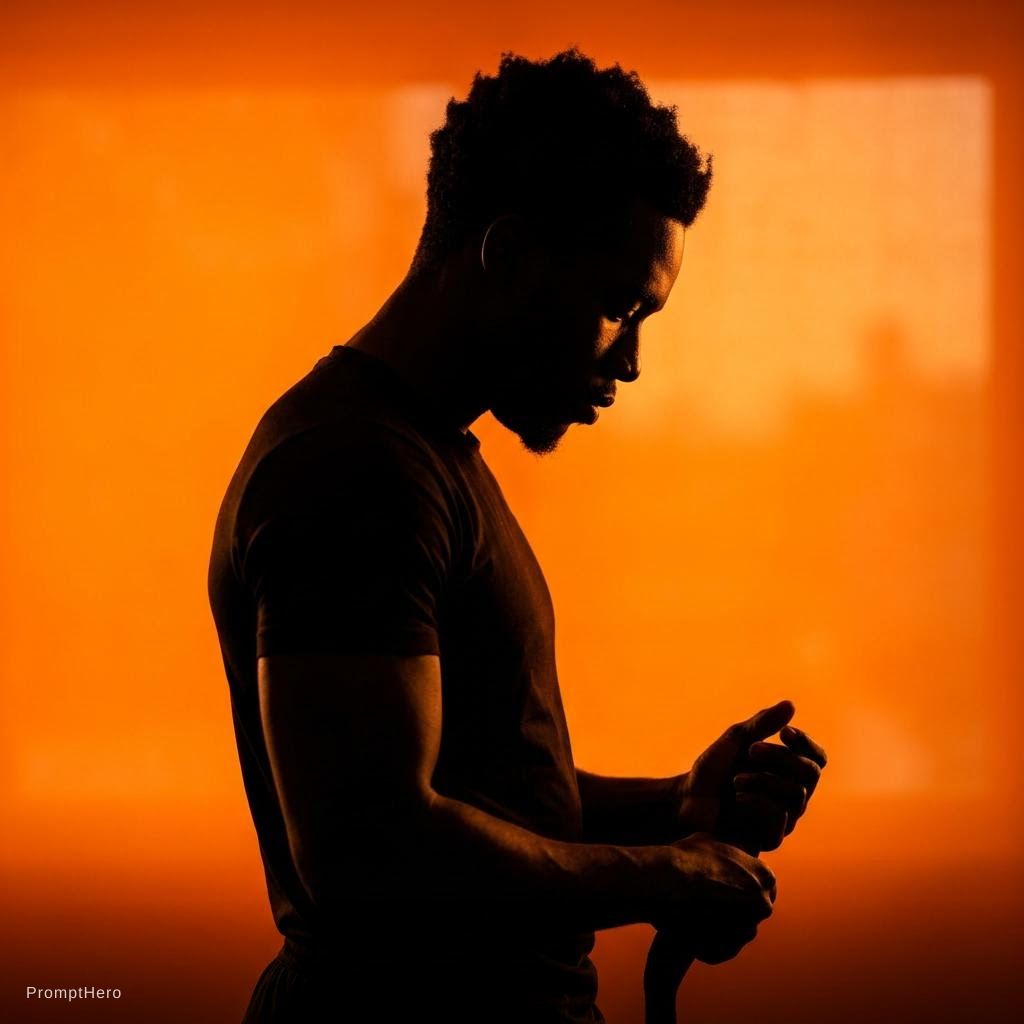
Hero prompt: photography, portrait of contrast, profile silhoue... Nie określono 1.0
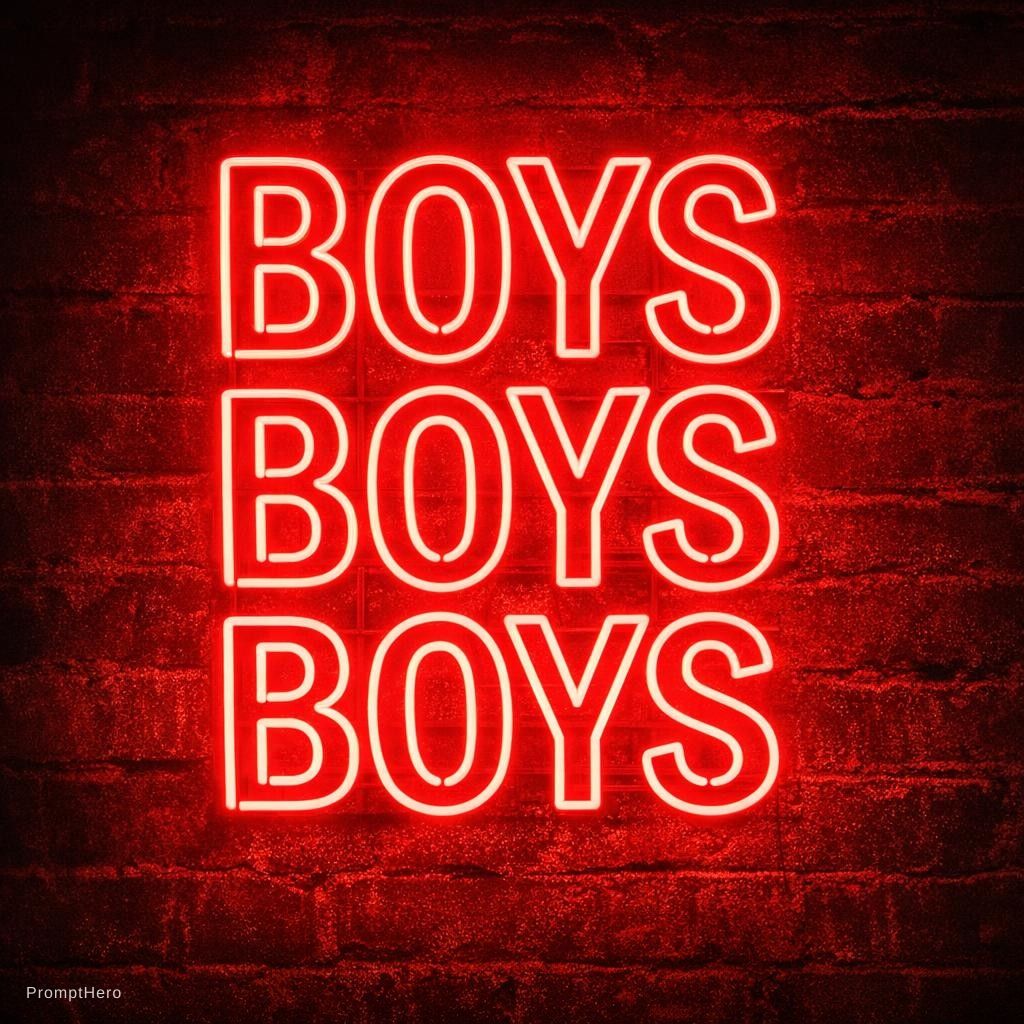
ChatGPT Image prompt: red neon sign that says 'BOYS BOYS BOYS' Nie określono v1
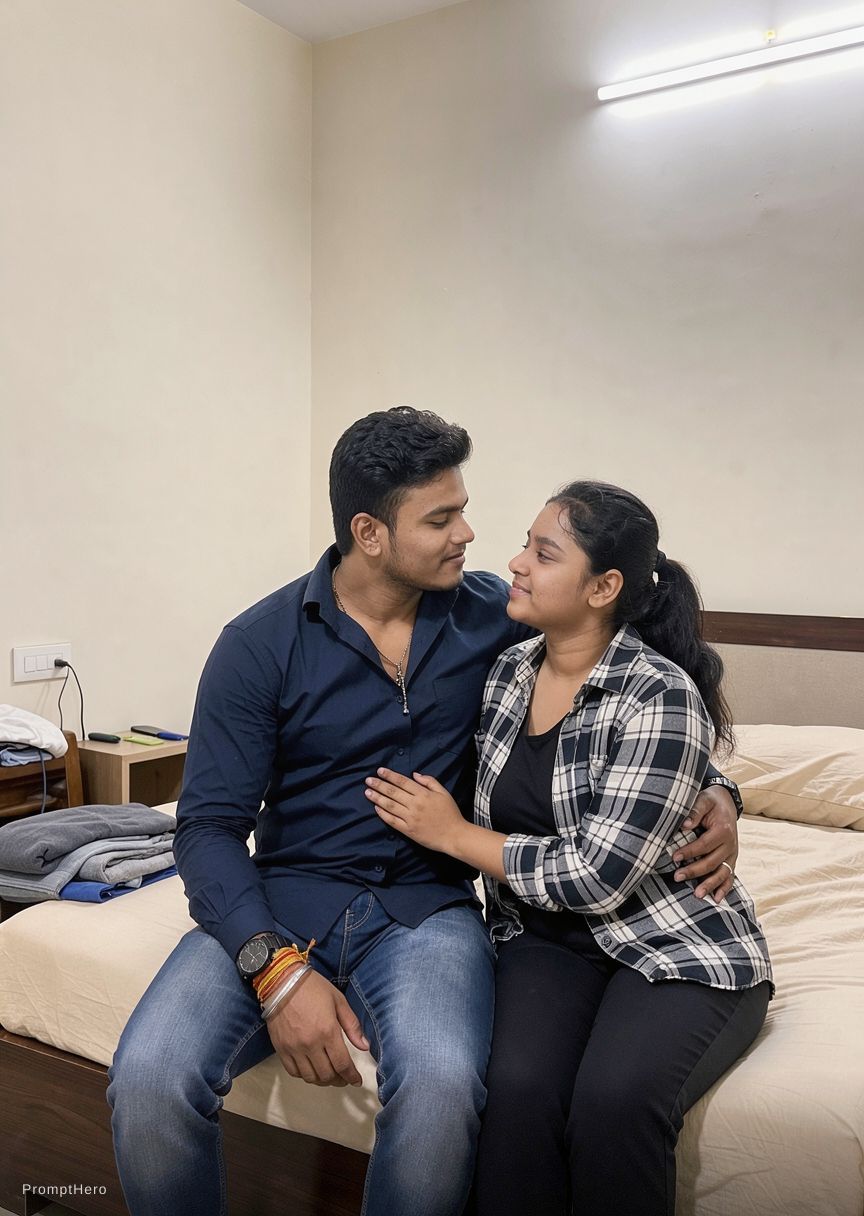
FLUX prompt: Romantic couple in love with each other in a priva Nie określono flux-3
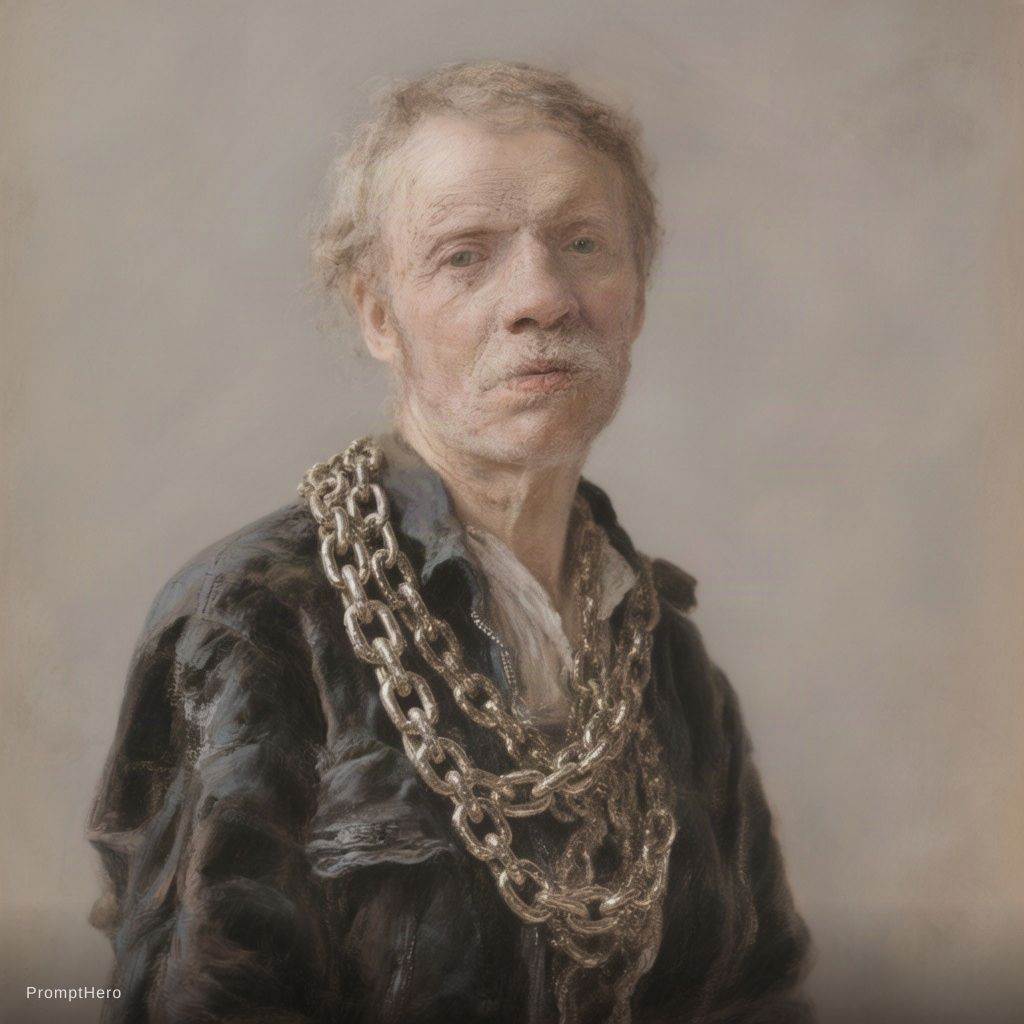
Hunyuan  prompt: chained Nie określono hunyuan-3
Seedream 5 prompt: you can change the outfit if thats a better match ... Nie określono seedream-5-pro
Hunyuan  prompt: این موجود با اون دستی که روی زمین گذاشته و کنار پا... Nie określono hunyuan-3

Run ten prompt z ten API

Poniższe żądanie wysyła ten monit z wypełnionymi wartościami domyślnymi do pierwszego modelu, na którym działa. Zamień nazwę modelu na dowolny inny model wymieniony powyżej.

Dokumentacja prompt API
/api/v1/gpt_image_2/text_to_image
curl -X POST https://runapi.ai/api/v1/gpt_image_2/text_to_image \
  -H "Authorization: Bearer $RUNAPI_API_KEY" \
  -H "Content-Type: application/json" \
  --data-binary @- <<'JSON'
{
  "model": "gpt-image-2",
  "prompt": "Transform the subject in the attached photo into a square miniature painting in a palette-knife impasto oil-painting style.\n\n[Style — Emphasize 3D Texture]\n\nUse bold, thick impasto paint applied with a palette knife, raised approximately 3–5 mm from the surface.\n\nEach paint mass should show clear directional knife marks, including visible grooves and ridges.\n\nAssume lighting from the upper left. Add bright highlights to raised paint and distinct shadows to recessed or overlapping areas, creating strong light-and-shadow contrast like a real oil-paint surface.\n\nAdd subtle shadows along paint edges so each color mass appears layered and built up at different depths, rather than flat.\n\nPreserve the subject’s silhouette, colors, and composition from the original photo, but avoid realistic rendering. Simplify the form using thick masses of paint.\n\nKeep the texture controlled and not overly detailed. The subject should remain recognizable through a limited number of bold, dimensional palette-knife strokes.\n\n[Background]\n\nUse a fixed warm ivory/cream watercolor-paper background with a subtle, slightly bumpy texture.\n\nKeep the background flat to contrast with the dimensional subject.\n\n[Text]\n\nAdd a black handwritten caption in a corner along the bottom or wherever there is the most empty space.\n\nAutomatically determine the caption based on the subject:\n\nFood/drink → menu name (e.g., “Pancake,” “Earl Grey Cake”)\n\nProduct → product name or category\n\nPerson → a short descriptive phrase or name-like text\n\nAnimal → animal name or species\n\nLandscape → place name or a short word describing the scene\n\nThe handwriting should look naturally imperfect, slightly uneven, and tactile—not like a clean digital font.\n\nText color must remain black.\n\n[Composition]\n\nAspect ratio: 1:1\n\nPlace the subject in the center with generous negative space.\n\nShow only the main subject, with no additional props or distracting elements."
}
JSON

Wypróbuj a prompt