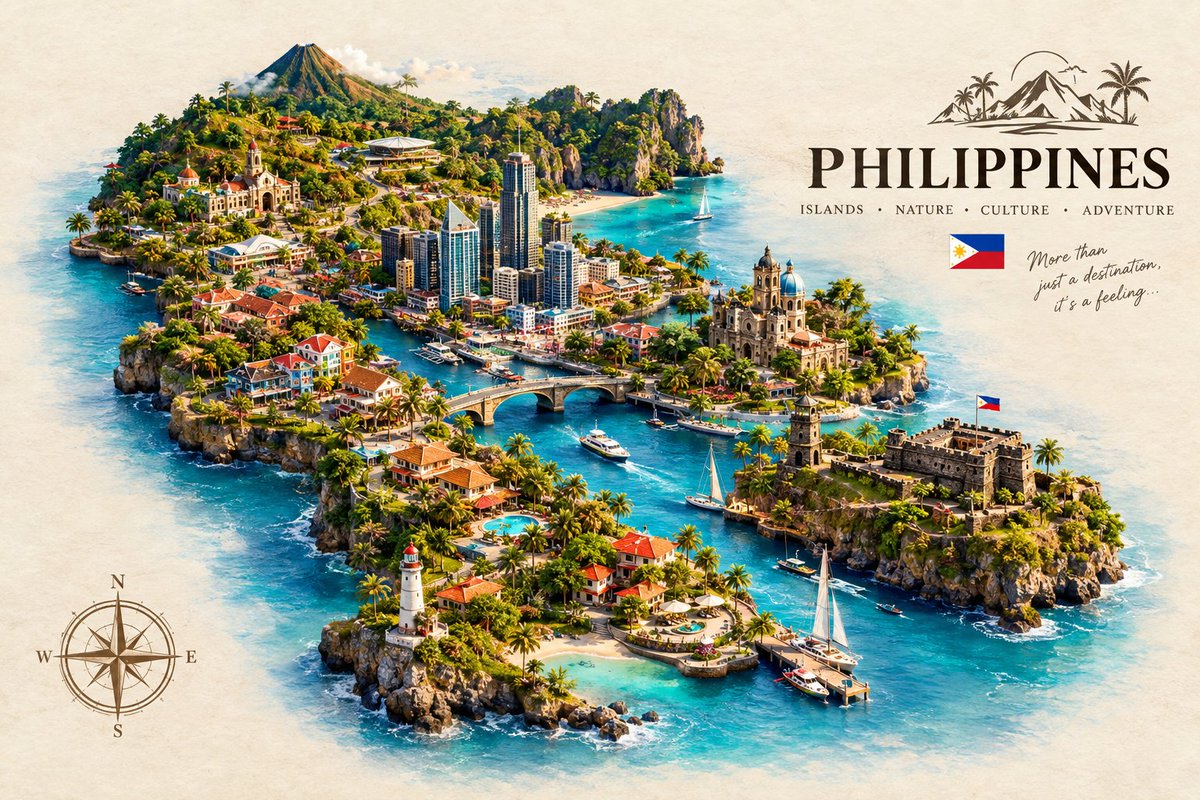
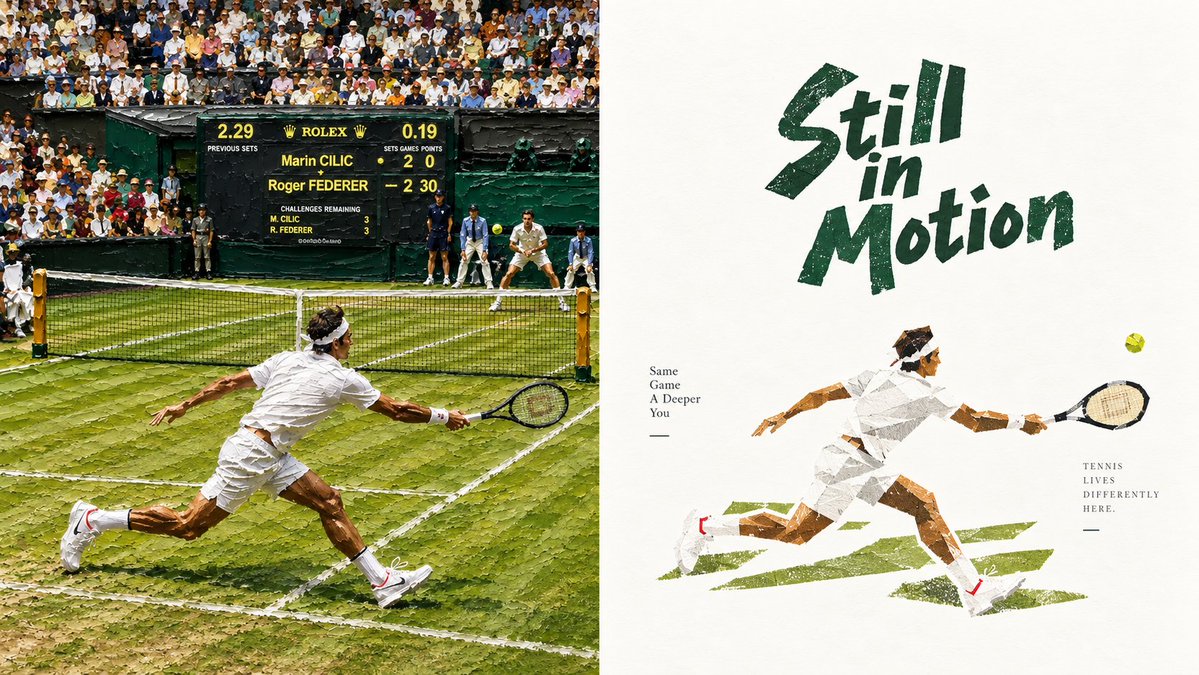
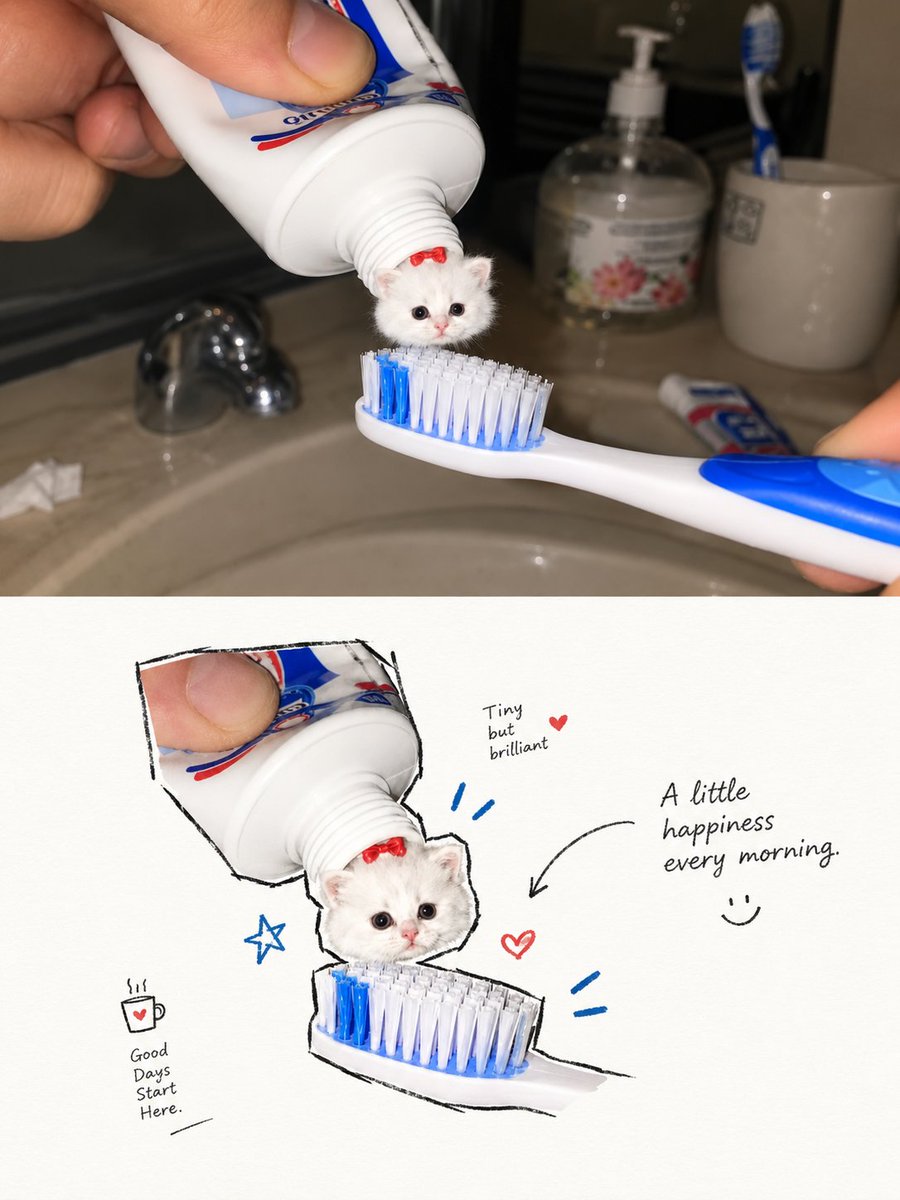
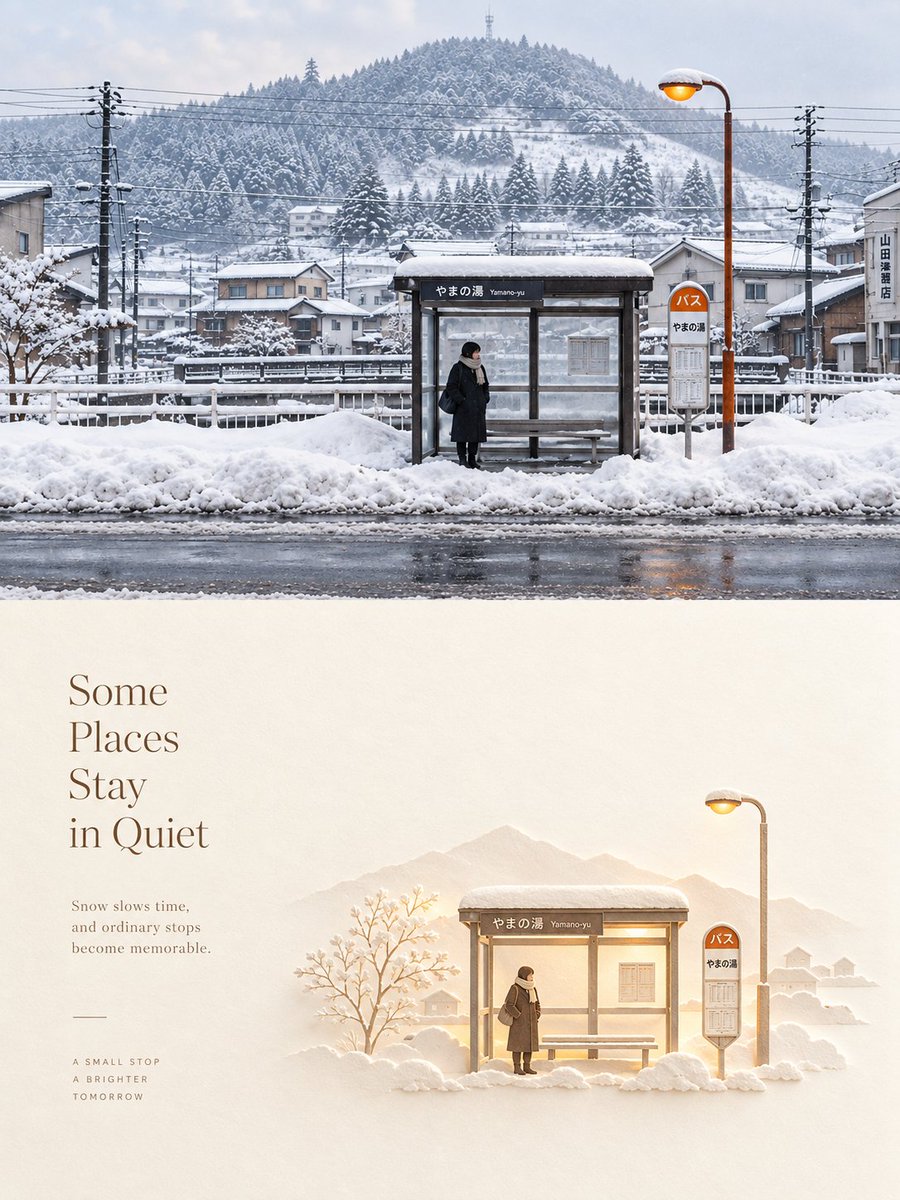
Vintage Editorial Poster from Photo
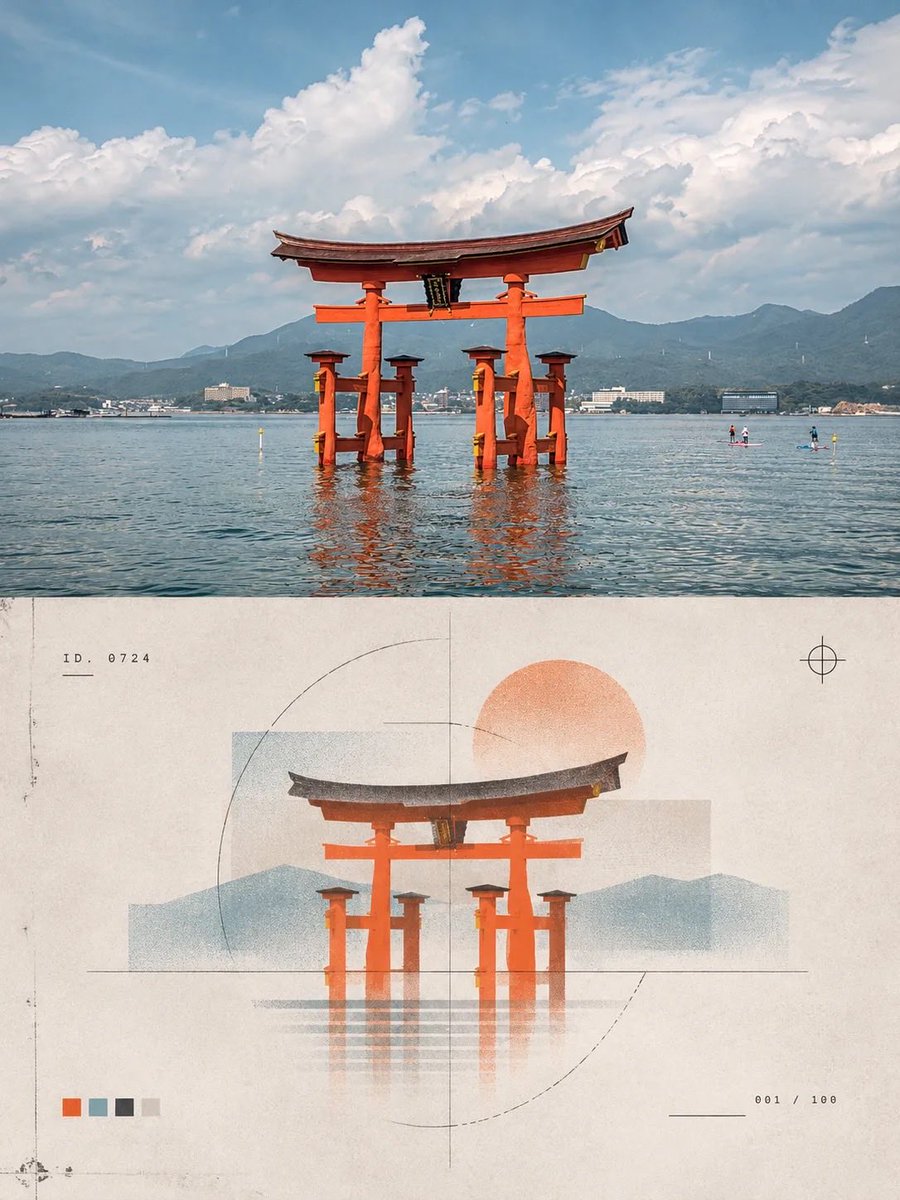
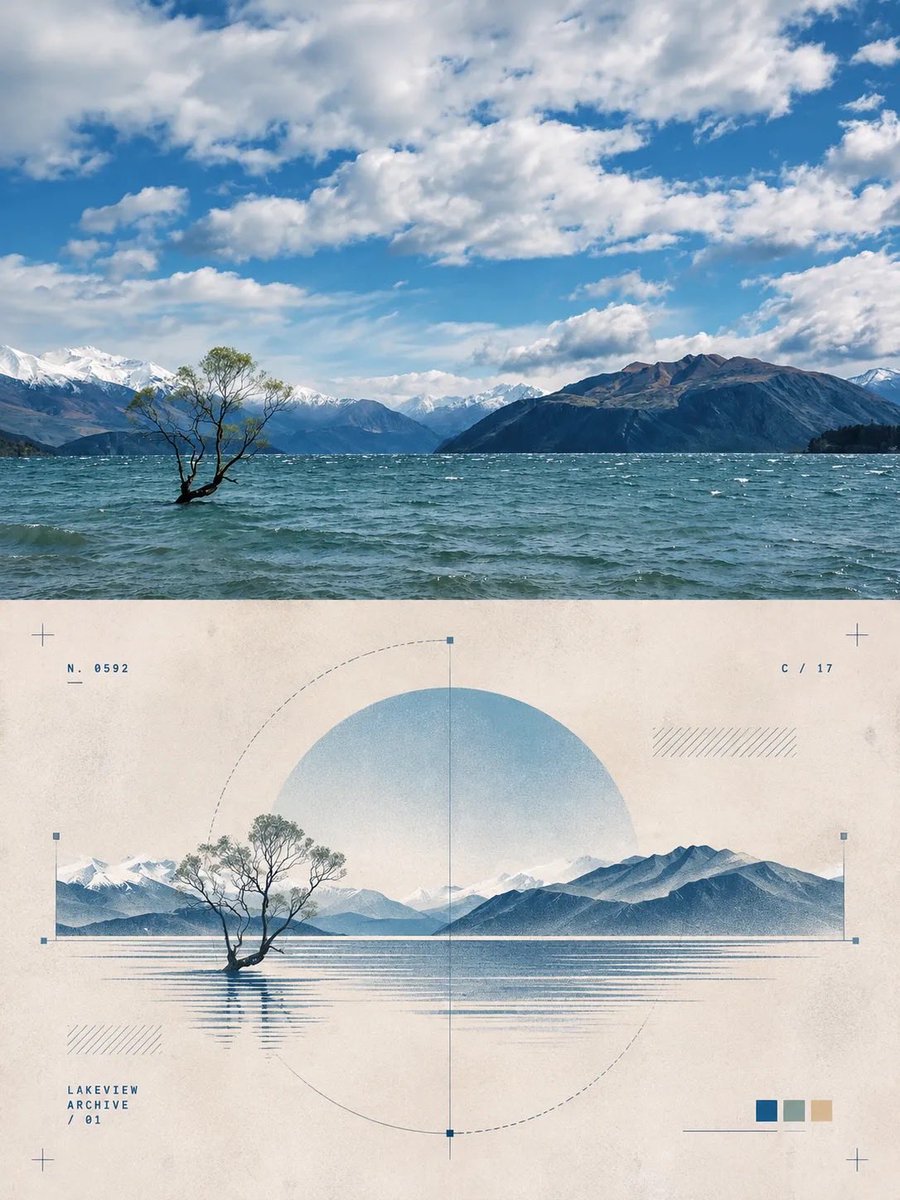
Vintage Editorial Poster from Photo

prompt

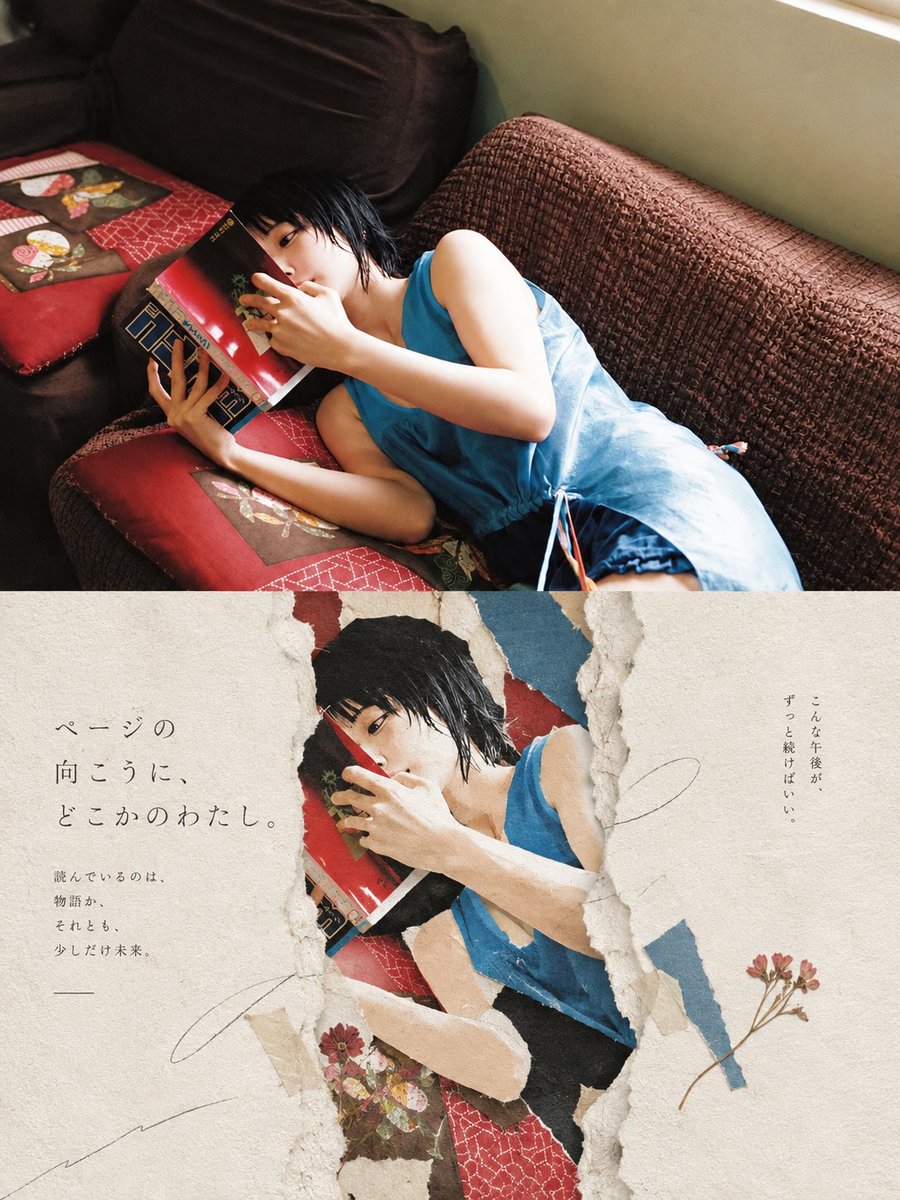
Transform the uploaded reference photograph into a sophisticated vintage editorial photography poster, following the exact visual aesthetic of the provided examples. Create a vertical 2:3 split-layout composition. Place the original photograph in the upper half, preserving its original colors, subject, camera angle, perspective, framing, and details. In the lower half, recreate the exact same scene as a minimalist, geometric, vintage-inspired 2D illustration. Use a refined Swiss graphic design and Bauhaus-inspired editorial aesthetic. Apply a muted, earthy color palette featuring warm beige, cream, charcoal black, dusty grey, muted blue-grey, and subtle brown tones. Simplify the subjects and surroundings into clean geometric shapes, bold silhouettes, angular forms, and flat color blocks while maintaining the original scene’s composition and recognizable details. Add a subtle aged paper texture, fine grain, distressed vintage print effects, and slightly faded ink. Incorporate delicate graphic design elements such as thin circular arcs, vertical and horizontal alignment guides, intersecting lines, dotted lines, small square markers, and minimal geometric grids around the illustrated scene. Include small editorial typography in a typewriter-style font, with a numbered photographic series label in the upper-left corner of the illustrated section. Add a small sequence number in the bottom-right corner and a minimal three-color palette swatch along the lower-left edge. Maintain generous negative space, precise alignment, balanced proportions, and an elegant museum-quality art direction. IMPORTANT: Preserve the original photograph in the upper section without changing the scene. The lower illustration must represent the exact same photograph, including the same subjects, positions, perspective, architecture, objects, and background. Do not introduce new elements or change the original composition. Overall aesthetic: vintage photography journal, Swiss editorial graphic design, minimalist architectural illustration, retro art direction, sophisticated print design, and timeless visual storytelling. High resolution, crisp details, vertical poster format.

21 modelde çalışır

  • Flux
  • Flux 2
  • Flux Kontext
  • GPT-4o Image
  • GPT Image
  • GPT Image 2
  • GPT Image 2.5
  • GPT Image 2.6
  • Grok Imagine
  • Ideogram V3
  • Imagen 4
  • Kling
  • +9 Daha fazla

Bu prompt ne üretir

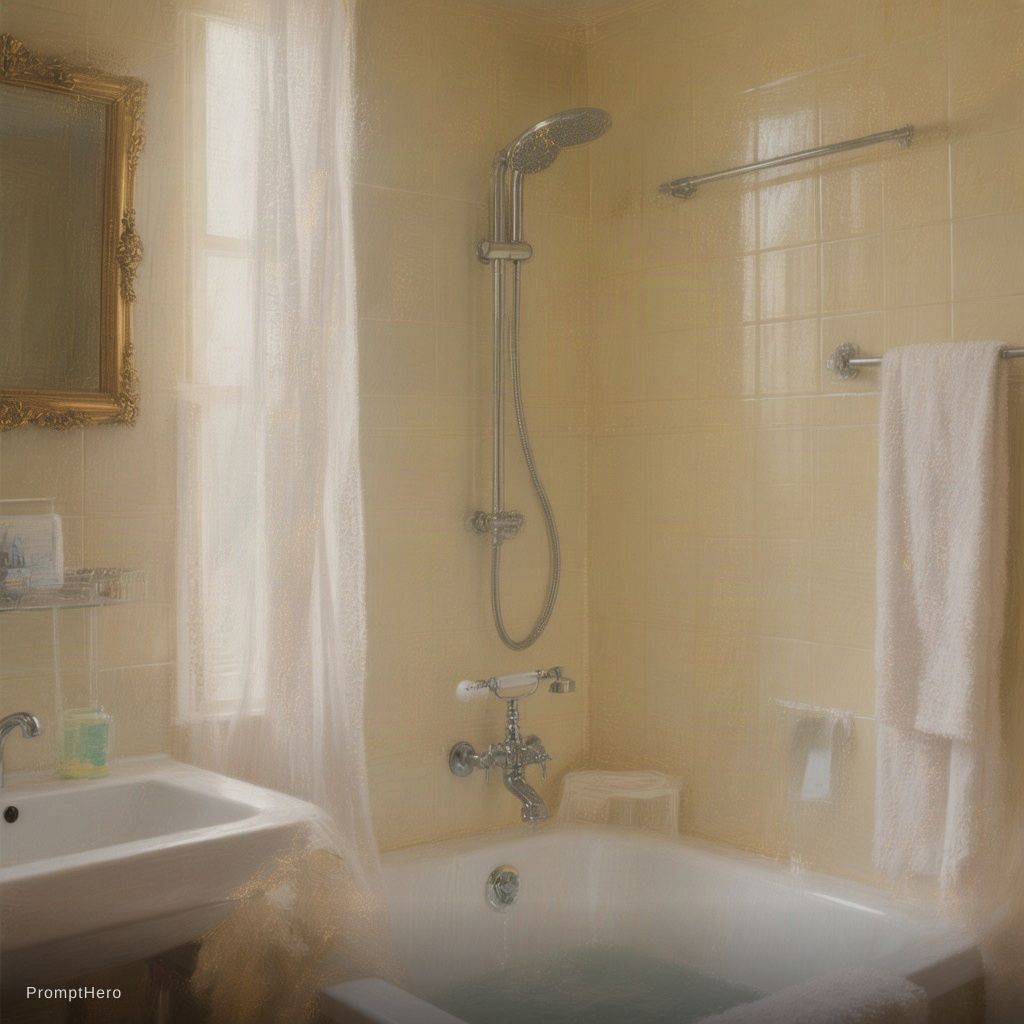
Hunyuan  prompt: Bathroom Belirtilmedi hunyuan-3
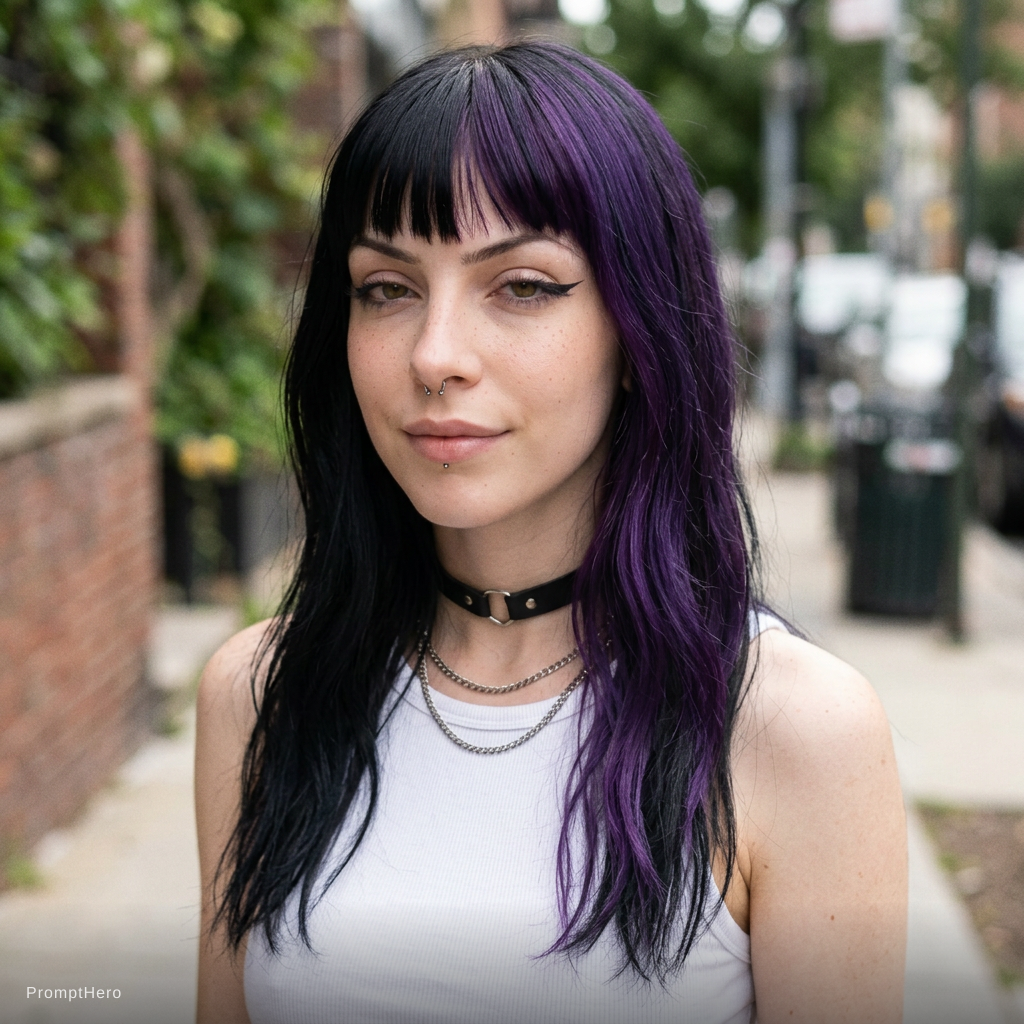
Nano Banana prompt: She is wearing this outfit(white top ) given in im... Belirtilmedi nano-banana-2.1
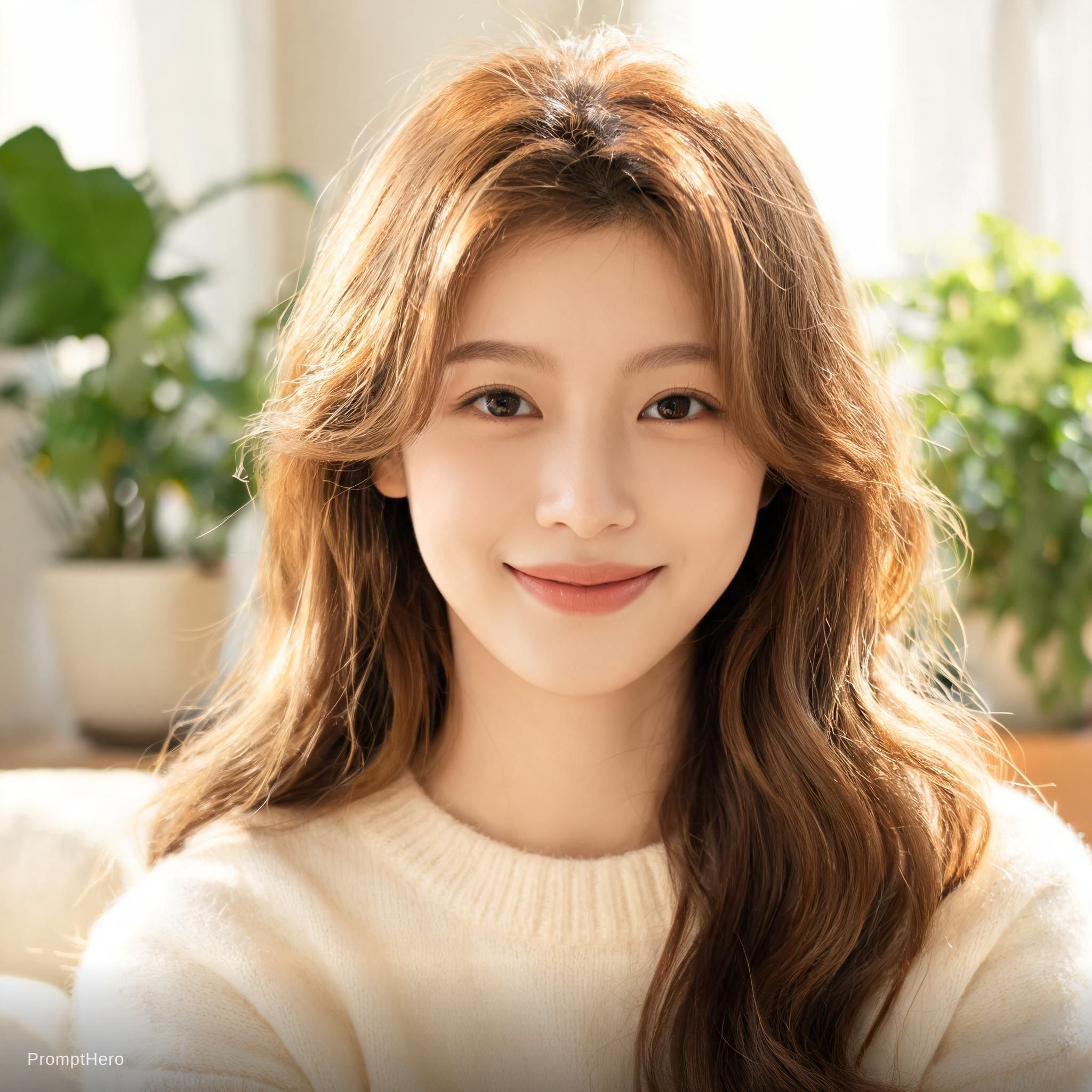
Seedream 5 prompt: woman Belirtilmedi v2
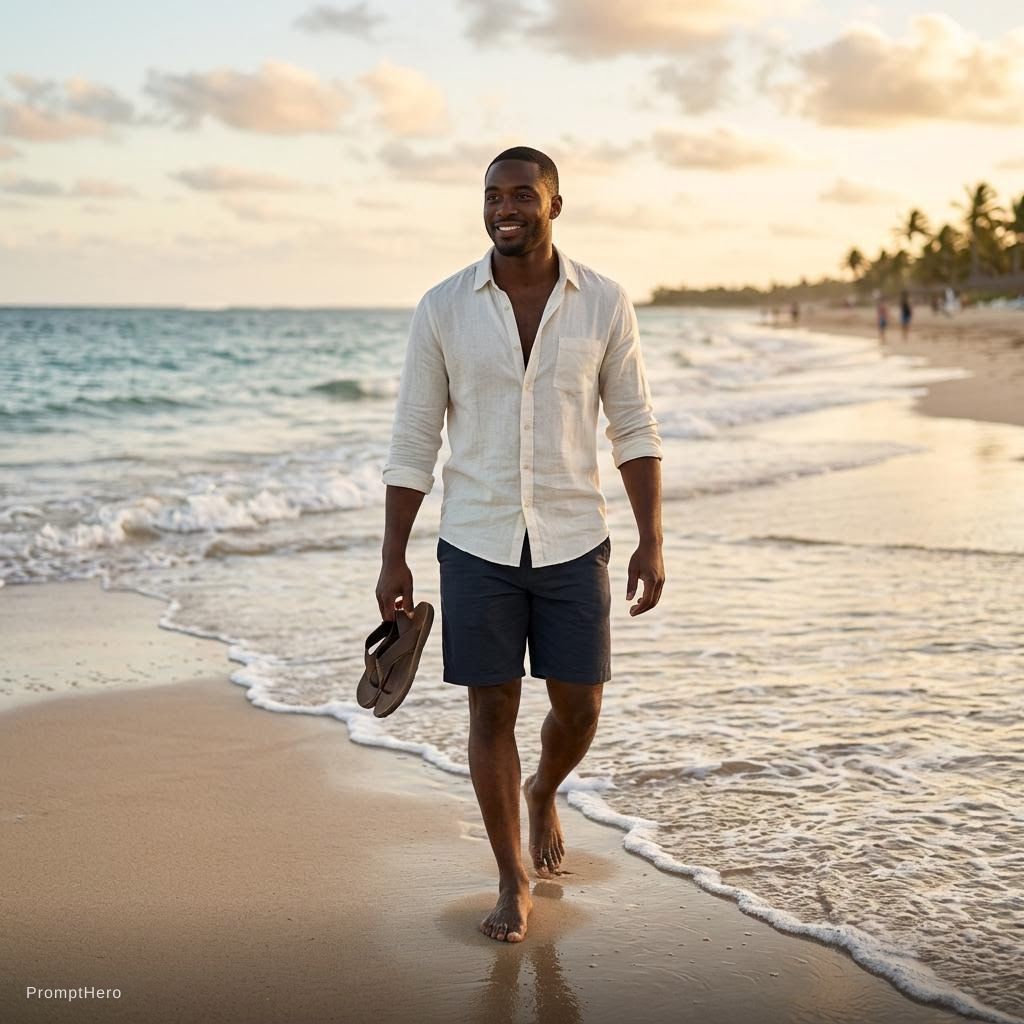
Hero prompt: مع رجل اسود على شاطى البحر Belirtilmedi 1.0
FLUX prompt: می‌خوام برام یک مداد طلایی ته بنفش تیره رو که داره... Belirtilmedi flux-2-pro

Run bu prompt ile bu API

bu request below sends bu prompt, ile its default values filled in, to bu first model it runs on. Swap bu model name için any other model listed above.

prompt API belgeleri
/api/v1/gpt_image_2/text_to_image
curl -X POST https://runapi.ai/api/v1/gpt_image_2/text_to_image \
  -H "Authorization: Bearer $RUNAPI_API_KEY" \
  -H "Content-Type: application/json" \
  --data-binary @- <<'JSON'
{
  "model": "gpt-image-2",
  "prompt": "Transform the uploaded reference photograph into a sophisticated vintage editorial photography poster, following the exact visual aesthetic of the provided examples.\n\nCreate a vertical 2:3 split-layout composition. Place the original photograph in the upper half, preserving its original colors, subject, camera angle, perspective, framing, and details. In the lower half, recreate the exact same scene as a minimalist, geometric, vintage-inspired 2D illustration.\n\nUse a refined Swiss graphic design and Bauhaus-inspired editorial aesthetic. Apply a muted, earthy color palette featuring warm beige, cream, charcoal black, dusty grey, muted blue-grey, and subtle brown tones. Simplify the subjects and surroundings into clean geometric shapes, bold silhouettes, angular forms, and flat color blocks while maintaining the original scene’s composition and recognizable details.\n\nAdd a subtle aged paper texture, fine grain, distressed vintage print effects, and slightly faded ink. Incorporate delicate graphic design elements such as thin circular arcs, vertical and horizontal alignment guides, intersecting lines, dotted lines, small square markers, and minimal geometric grids around the illustrated scene.\n\nInclude small editorial typography in a typewriter-style font, with a numbered photographic series label in the upper-left corner of the illustrated section. Add a small sequence number in the bottom-right corner and a minimal three-color palette swatch along the lower-left edge.\n\nMaintain generous negative space, precise alignment, balanced proportions, and an elegant museum-quality art direction.\n\nIMPORTANT: Preserve the original photograph in the upper section without changing the scene. The lower illustration must represent the exact same photograph, including the same subjects, positions, perspective, architecture, objects, and background. Do not introduce new elements or change the original composition.\n\nOverall aesthetic: vintage photography journal, Swiss editorial graphic design, minimalist architectural illustration, retro art direction, sophisticated print design, and timeless visual storytelling. High resolution, crisp details, vertical poster format."
}
JSON

Dene a prompt