Google Pixel 10 IMAX Simulation

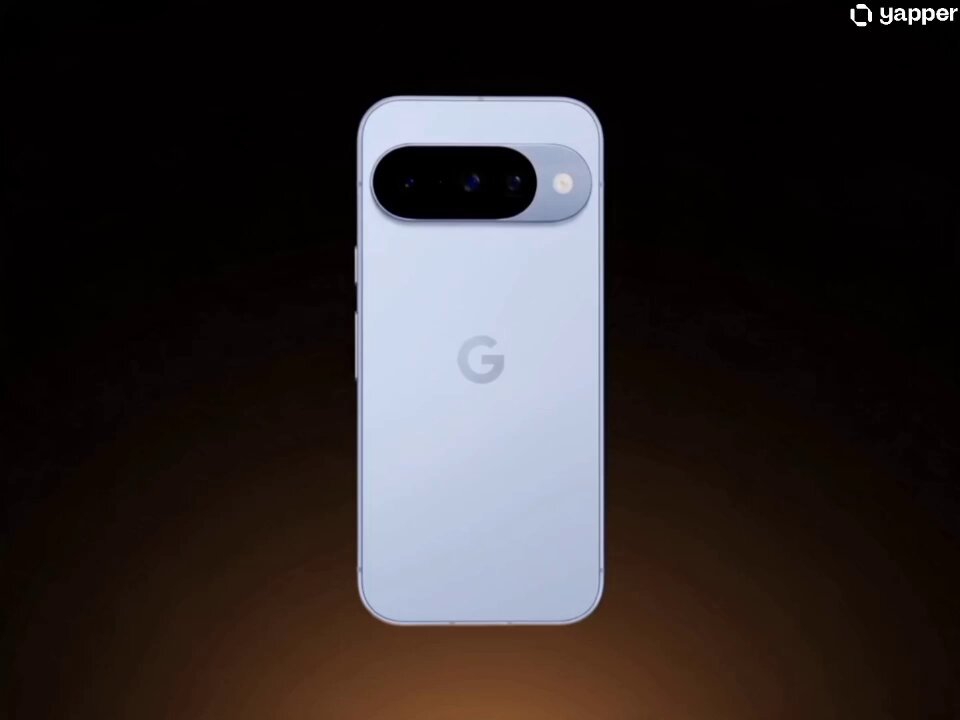
A highly detailed technical prompt for a 7-second continuous shot of a Google Pixel 10 exploding and reassembling.
Google Pixel 10 IMAX Simulation

Prompt

Camera Simulation: 65mm IMAX film, macro-capable Panavision anamorphic lens. Strong film grain throughout. Horizontal anamorphic lens flares triggered by reflections on glass, polished aluminium, and internal component surfaces. Warm-neutral key light from above camera-right — clean, approachable, matching Pixel’s brand tone. Deep black void. Subtle warm rim light lifts dark components from background. Single continuous 7-second shot. No cuts. The camera faces the Pixel, flies through the exploding internals, rotates 180°, and watches them reassemble from the front. 00:00–00:01 — The Break A Google Pixel 10 floats in the void, rotating slowly. Every seam illuminates with a thin white light — a beat of silence — then the phone erupts apart. Every component separates outward along its assembly axis in a controlled explosion. Speed ramps to 180%. 00:01–00:03 — The Fly-Through The camera accelerates into the expanding cloud. It threads between the aluminium frame, camera modules, processor, memory stacks, ribbon cables, haptic motor, fingerprint sensor, and USB-C housing — each piece flashing bright as the camera passes. It flies directly between two camera bar lens elements, close enough to catch the anti-reflective coating shimmering purple and green. 00:03–00:04 — The Turn Speed drops to 40%. The camera executes a smooth 180° whip turn — component highlights streaking into horizontal motion blur. It settles facing the entire field of suspended components simultaneously. A wide anamorphic flare streaks across from the brightest internal reflection. 00:04–00:06 — The Rebuild Speed ramps to 200%. Every component reverses and accelerates inward. Motherboard arrives first, battery slides flat, camera bar lens stack and seat with mechanical precision, frame rails connect at their corners. Speed drops to 30% for final moments — the back glass descends and presses flush with a micro burst of dust. The display floats in, seats, and illuminates on contact. 00:06–00:06.5 — Product Hold Speed drops to 20%. Camera settles into a classic three-quarter angle. The camera bar catches a clean horizontal line. Screen glows. Void falls to pure black. Hold. 00:06.5–00:07 — End Card Smash cut to black. Google “G” logo fades in centred, full colour. Below it: “Pixel 10 — built for every moment”. Film grain. Hold.

Runs on 13 models

  • Gemini Omni
  • Grok Imagine
  • Hailuo
  • HappyHorse
  • HeyGen Video
  • Kling
  • LTX Video
  • MiniMax H3
  • PixVerse
  • Runway
  • Seedance
  • Veo 3.1
  • +1 more

What this prompt produces

Continuous Time Journey Cinematic Video Not specified seedance-2.5
Cinematic Samurai Japanese Visuals Not specified grok-imagine
Dark Lava Creature Transformation Prompt Not specified seedance-2.0
Multi-Shot Classroom Action Timeline Not specified seedance-2.0
Hospital Corridor Horror Jumpscare Not specified seedance-2.0
Top-Down Product Zoom Video Prompt Not specified nano-banana-pro

Run this prompt with the API

The request below sends this prompt, with its default values filled in, to the first model it runs on. Swap the model name for any other model listed above.

Prompt API docs
/api/v1/seedance/text_to_video
curl -X POST https://runapi.ai/api/v1/seedance/text_to_video \
  -H "Authorization: Bearer $RUNAPI_API_KEY" \
  -H "Content-Type: application/json" \
  --data-binary @- <<'JSON'
{
  "model": "seedance-2.0",
  "prompt": "Camera Simulation: 65mm IMAX film, macro-capable Panavision anamorphic lens. Strong film grain throughout. Horizontal anamorphic lens flares triggered by reflections on glass, polished aluminium, and internal component surfaces. Warm-neutral key light from above camera-right — clean, approachable, matching Pixel’s brand tone. Deep black void. Subtle warm rim light lifts dark components from background.\nSingle continuous 7-second shot. No cuts. The camera faces the Pixel, flies through the exploding internals, rotates 180°, and watches them reassemble from the front.\n00:00–00:01 — The Break\nA Google Pixel 10 floats in the void, rotating slowly. Every seam illuminates with a thin white light — a beat of silence — then the phone erupts apart. Every component separates outward along its assembly axis in a controlled explosion. Speed ramps to 180%.\n00:01–00:03 — The Fly-Through\nThe camera accelerates into the expanding cloud. It threads between the aluminium frame, camera modules, processor, memory stacks, ribbon cables, haptic motor, fingerprint sensor, and USB-C housing — each piece flashing bright as the camera passes. It flies directly between two camera bar lens elements, close enough to catch the anti-reflective coating shimmering purple and green.\n00:03–00:04 — The Turn\nSpeed drops to 40%. The camera executes a smooth 180° whip turn — component highlights streaking into horizontal motion blur. It settles facing the entire field of suspended components simultaneously. A wide anamorphic flare streaks across from the brightest internal reflection.\n00:04–00:06 — The Rebuild\nSpeed ramps to 200%. Every component reverses and accelerates inward. Motherboard arrives first, battery slides flat, camera bar lens stack and seat with mechanical precision, frame rails connect at their corners. Speed drops to 30% for final moments — the back glass descends and presses flush with a micro burst of dust. The display floats in, seats, and illuminates on contact.\n00:06–00:06.5 — Product Hold\nSpeed drops to 20%. Camera settles into a classic three-quarter angle. The camera bar catches a clean horizontal line. Screen glows. Void falls to pure black. Hold.\n00:06.5–00:07 — End Card\nSmash cut to black. Google “G” logo fades in centred, full colour. Below it: “Pixel 10 — built for every moment”. Film grain. Hold."
}
JSON

Try a prompt

Estimated: $0.24 / second

Sign in to generate with RunAPI.

Sign in to generate

Sign in to start generating with your available language models.