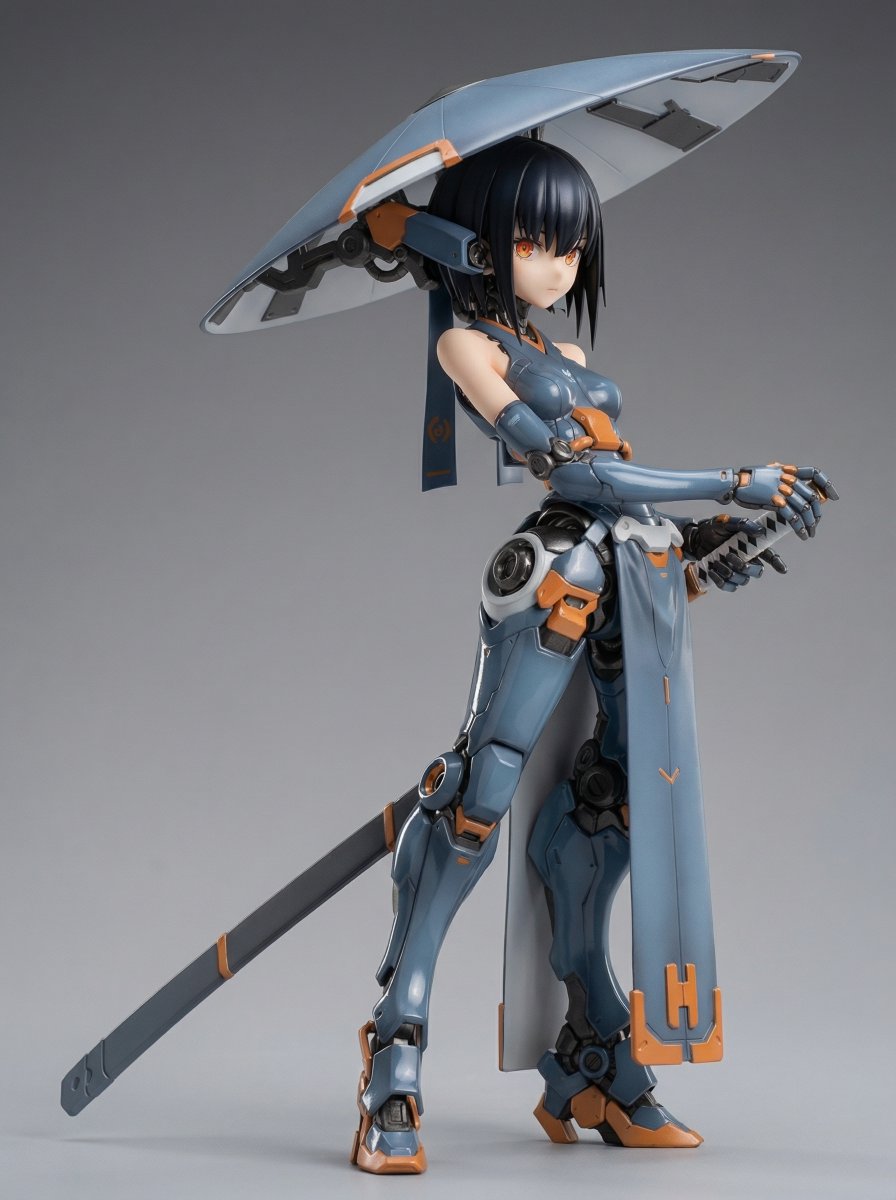
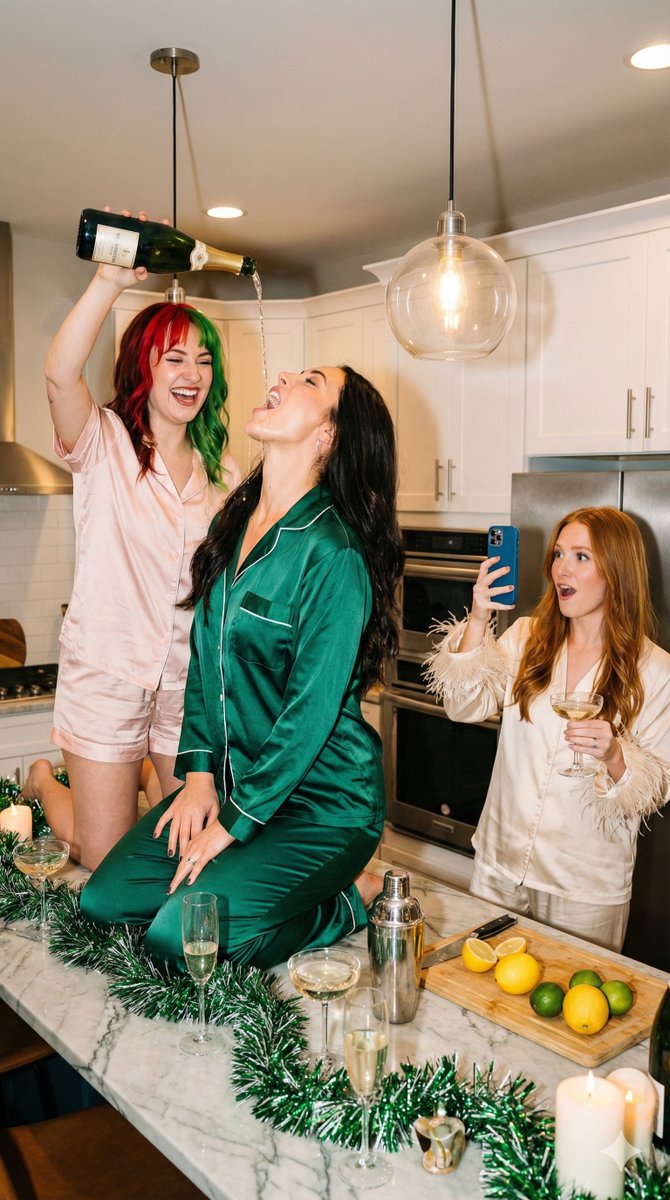
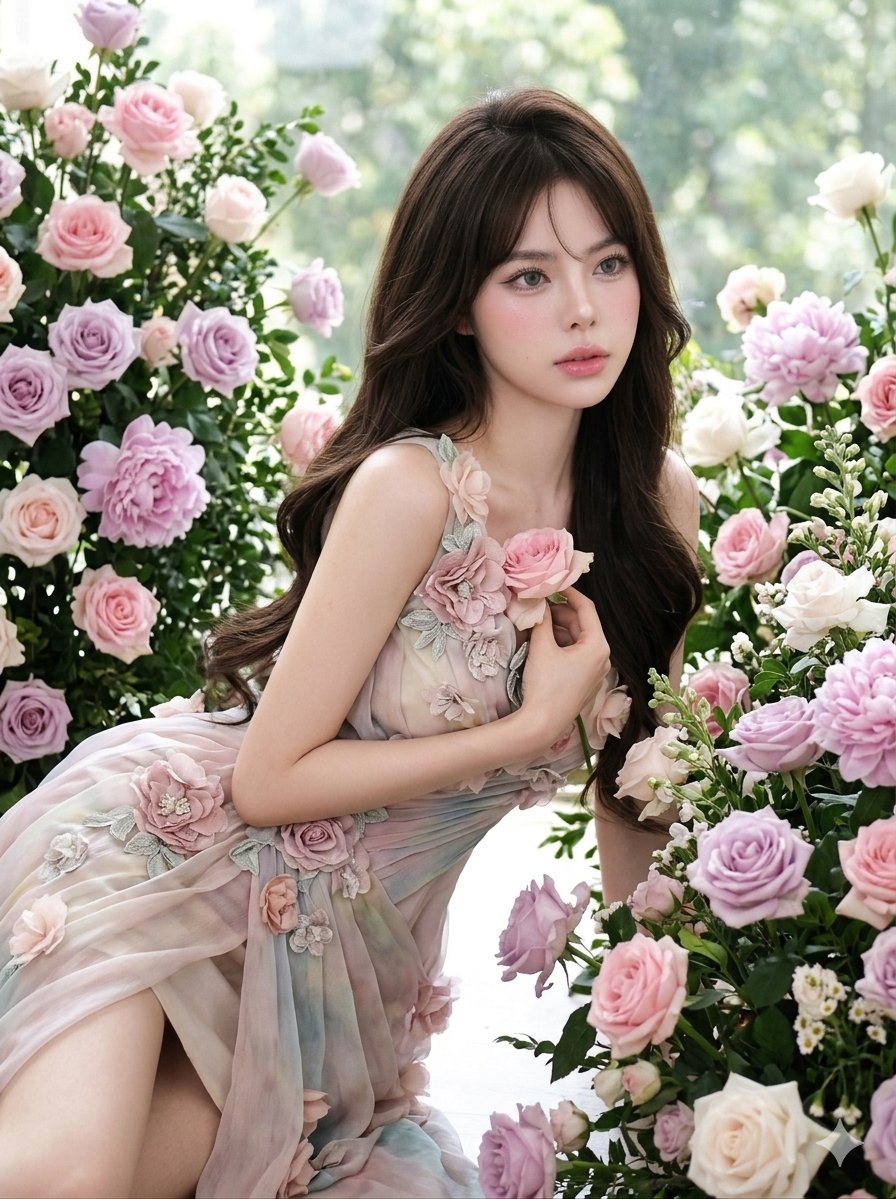
- chibi
- colored pencil
- crayon
Create a cute hand-drawn Japanese chibi illustration of two characters interacting in a sweet, playful moment. Use a soft traditional colored-pencil and crayon drawing style, with visible sketchy pencil strokes, slightly rough imperfect outlines, gentle pastel coloring, and a handmade children’s storybook feel. Characters should have oversized heads, tiny bodies, simple oval black eyes, tiny smiling mouths, rosy cheeks, and expressive innocent faces. Give them natural, adorable poses and interactions, with clothing and hairstyles matching the requested scene. Keep the composition clean and minimal on a plain white background, with plenty of negative space. Add small hand-drawn decorative elements such as hearts, sparkles, or motion lines around the characters where appropriate. Soft pastel palette, subtle paper texture, delicate linework, slightly imperfect coloring, cozy wholesome romantic atmosphere, full-body composition, centered characters, high-quality illustration. For different scenes Replace this part: “two characters interacting in a sweet, playful moment” with whatever you want, e.g.: •“a couple holding hands while walking” •“a boy surprising a girl with flowers” •“two friends laughing together” •“a couple sitting together under an umbrella” •“a girl teasing a shy boy” •“two characters taking a cute selfie”
- editorial
- illustration
- japanese
Transform the uploaded reference image into a beautiful, premium editorial illustration poster. Composition: Create a vertical 4:5 split-layout design. The upper half should display the original photograph in its realistic photographic style, preserving the subject's exact appearance, facial features, hairstyle, outfit, pose, and expression. The lower half should feature a beautifully stylized 2D illustration of the exact same subject, recreating the original photograph's pose, expression, clothing, and composition. Convert the subject into a charming, hand-painted digital illustration with soft brush textures, clean shapes, delicate outlines, warm skin tones, and beautiful artistic details. Background Design: Transform the original background into a creative illustrated environment. Add minimal geometric architecture, abstract shapes, subtle plants, soft natural elements, and a complementary color palette inspired by the original photograph. Poster Layout: Place the illustration inside a clean rectangular artwork frame, surrounded by a warm ivory or cream-colored background. Add a large elegant uppercase headline beneath the illustration, with a small complementary subtitle and a subtle decorative line. Typography: Use thin, sophisticated, widely spaced uppercase lettering. Choose a short title that matches the mood of the photograph, with a smaller minimalist tagline underneath. Art Direction: Modern Japanese editorial poster design, contemporary lifestyle illustration, soft pastel colors, warm sunlight, minimalist graphic design, artistic storytelling, premium magazine aesthetic. Important: Maintain the original person's identity and recognizable features. The illustrated version must clearly resemble the person in the original photograph. Keep the top photograph realistic and the bottom illustration artistic. Ensure both versions match perfectly in pose and composition. High-quality details, balanced layout, elegant negative space, professional art direction, 4:5 portrait poster.
- abstract
- geometric
- minimal
Transform my uploaded photo into a standalone, premium-quality 3:4 vertical design poster. Divide the entire canvas into two perfectly equal horizontal sections: the top half (50%) and the bottom half (50%). The upper section should feature realistic photography, while the lower section should present an abstract visual symbol derived from the core identity of the subject. TOP HALF – REALISTIC PHOTOGRAPHY Preserve the original subject's structure, realistic textures, natural lighting, shadows, and original color atmosphere. Apply only subtle, sophisticated color grading to achieve the aesthetic of fine-art photography and independent editorial publications. The background may be naturally extended to fit the canvas, but never stretch, distort, or alter the original subject. BOTTOM HALF – ABSTRACT VISUAL IDENTITY Extract the photograph's essential visual characteristics: the subject's silhouette, structure, posture, and narrative relationships. Do not recreate the entire object. Instead, reduce it into a recognizable abstract visual symbol. Use geometric deconstruction, modular shapes, structured lines, negative space, and symbolic elements to create a central visual identity inspired by premium branding and experimental design systems. Focus on the subject's core character rather than minor details. Even with minimal geometric elements, the abstract symbol must remain visually connected to the original photograph. VISUAL STYLE & DESIGN LANGUAGE Post-digital graphic design, deconstructed Swiss design, generative symbol systems, and diagrammatic abstraction. Build a systematic visual language using geometric modules, fine lines, circular trajectories, grids, micro-symbols, numerical indexing, and abstract nodes. Create visual tension between: - Order × Imperfection - Precision × Handmade Traces - Digital × Analog - Rationality × Emotion Achieve strong visual recognition using the fewest possible elements. Keep everything minimal and avoid unnecessary complexity. COMPOSITION & LAYOUT Maintain a highly restrained composition. The abstract symbol must be the sole visual focal point, positioned centrally or slightly off-center, surrounded by generous negative space. Avoid excessive icons, decorative elements, or infographic-style layouts. The overall aesthetic should resemble the core visual identity of contemporary art institutions, architectural studios, experimental creative labels, and premium design brands. TYPOGRAPHY & DETAILS Typography should function only as a supporting system component, never as a dominant headline. You may incorporate extremely small numbers, letters, or short phrases that interact with the abstract symbol through indexing and reference relationships. Use refined, restrained typography with the subtle annotation aesthetic of archival documents and experimental art publications. COLOR SYSTEM Extract the signature colors from the original photograph and reinterpret them as a cohesive brand color system. Introduce a small number of distinctive accent colors as functional visual codes, such as teal, blue, magenta, or orange, combined with gray-white or warm-white backgrounds for contrast. Colors should function as systematic identifiers rather than decoration. Avoid chaotic color combinations, cheap neon effects, and generic commercial gradients. PRINT TEXTURE & MATERIALITY Incorporate subtle material effects inspired by: - Xerox texture - Risograph grain - Print registration errors - Scanner noise - Subtle paper texture Add delicate printing misalignment, fine grain, scanning noise, and slightly imperfect edges to give the digital symbols the tactile quality of physical print. FINAL OBJECTIVE Extract an independent and self-contained visual DNA from the original photograph. The final result should feel like a sophisticated, minimal, culturally meaningful abstract logo with a strong visual identity and systematic design language.
- azulejo
- baroque scroll border
- cobalt blue
Hand-painted azulejo tile mural in traditional blue and white: a small wooden sardine fishing boat with a tall prow and a coiled net rows out of a harbor at dawn, two fishermen at the oars, seagulls overhead, whitewashed houses with tiled roofs and a church tower on the hill behind, and gentle rolling waves in the foreground. Painted in cobalt blue glaze on a white tin-glazed ceramic ground, composed across a visible grid of square tiles with thin grout lines, slight glaze pooling, tiny crazing cracks, hand-brushed line work and soft wash shading, framed by an ornate blue baroque scroll border with acanthus leaves. Glossy ceramic sheen with a soft reflected highlight, viewed straight on in even daylight as a wall mural, landscape 4:3. No text, no lettering, no signature, no modern objects.
- deep indigo
- ebru
- hand made
Traditional Turkish ebru paper marbling artwork: a bouquet of three red-and-white tulips, two purple hyacinths and a few slender green leaves floating on a swirled deep indigo and teal marbled ground, created entirely with the ebru technique of dropping ox-gall paints onto thickened water and shaping them with a stylus and horsehair brush. The tulip petals show the characteristic soft-edged, pulled-teardrop shapes of ebru flowers, with fine white veins dragged through the red; the hyacinths are built from clusters of tiny lilac dots; the background shows classic battal and gelgit combed patterns in indigo, teal, ochre and cream, with organic flowing lines and tiny paint speckles. Slightly irregular, hand-made look, matte paper texture visible, soft natural daylight, viewed straight on as a flat artwork filling the frame, portrait 3:4. No text, no signature, no frame, no people, no hands.
- blue palette
- comic illustration
- crt monitor
Create a stylized 2D Western animated illustration of a mysterious young male hacker sitting at a vintage desktop computer in a cramped retro computer room. He has short black hair with a sharp white fringe, an angular pale face, a large expressive side-profile eye, an oversized dark jacket with geometric markings, and long slender fingers typing on a chunky mechanical keyboard. Extreme low-angle fisheye perspective from desk level, oversized hands dominating the foreground, bulky CRT monitor on the left, curved tiled ceiling, scattered wall posters, and strong architectural depth. Preserve the character's focused typing pose, distinctive facial expression, dramatic camera angle, and coherent spatial arrangement. Render in a sophisticated stylized Western 2D animation aesthetic with delicate hand-drawn comic illustration techniques and refined graphic character design. Thin, confident dark navy ink outlines with subtle organic irregularities, natural line-weight variation, expressive flowing contours, selectively broken edges, and precise facial linework. Simplified geometric anatomy, exaggerated but believable proportions, angular character construction, and distinctive silhouettes. Large uninterrupted flat color regions, clean two-tone cel shading, sharply defined angular shadow blocks, simplified geometric highlights, minimal gradients, and carefully balanced graphic shapes. Subtle short pencil hatching, restrained dry-brush marks along selected edges, imperfect freehand contours, and crisp matte color fills. Sophisticated 2D animation keyframe aesthetics, cinematic spatial perspective, bold editorial illustration composition, expressive character acting, and elegant visual simplicity. Strictly use a cohesive cool blue color palette of cornflower blue, dusty cobalt, slate blue, muted periwinkle, powder blue, pale icy cyan, and deep navy, complemented by tiny muted golden-yellow accents. The ceiling and walls use layered desaturated blues, the CRT monitor displays a flat pale icy-blue screen, the character's clothing is deep navy with angular cobalt shadow planes, and the keyboard uses muted blue-gray tones. Soft cool blue ambient lighting unifies the entire composition, with small warm yellow details creating restrained visual contrast. Harmonious blue-on-blue color separation, strong tonal hierarchy, matte surfaces, and clean graphic lighting. Apply refined localized gradient halftone shading only within selected cel-shaded shadow regions, especially along the character's fingers, cheek shadows, jacket folds, and occasional architectural shadow boundaries. Use extremely fine, tightly arranged halftone microdots in colors matching the underlying shadows, gradually decreasing in size and opacity toward the illuminated areas. The halftone creates elegant soft tonal transitions within small, organically shaped shadow zones, naturally dissolving into clean flat colors. The pattern must be clearly recognizable as delicate traditional comic-print halftone shading at close inspection, never as large individual decorative circles. Keep all other surfaces perfectly clean and solid, without any global texture. Preserve strong cinematic depth through exaggerated fisheye perspective, overlapping graphic shapes, and precise architectural construction rather than realistic lighting gradients. High-end stylized animated film frame, expressive character silhouette, sophisticated handcrafted linework, refined flat-color shading, and cohesive visual design.
- autumn trees
- cutaway illustration
- mobile library
A storybook cutaway illustration of a vintage cream-and-dark-green mobile library bus parked under autumn trees at dusk, landscape 4:3. The bus faces LEFT; the near side is cut away to reveal a cozy interior: toward the front, a green cushioned sofa with pillows and a plaid throw, a rounded window behind it, and a potted plant on the floor; toward the rear-right, a wooden desk with a green banker's lamp, stacks of books, and wooden shelves packed with colorful books; warm string lights run along the ceiling, with more potted and hanging plants. Outside, a huge autumn maple fills the upper left, wet pavement is covered in orange fallen leaves, and two glowing street lamps stand on the right under a purple-blue dusk sky. Inviting, detailed cutaway style. No readable book titles, no logos, no people, no watermarks.
Rainy alley, one neon kanji sign half-out, female Japanese figure wearing cropped jacket tank top, pleated mini-skirt, patent high-heeled over-the-knee boots, under a clear umbrella that catches magenta light. Camera low. No face shown. Mood: waiting for a reply that isn't coming. Soft grain, no film logo. Optional prefix for extra punch: Cel Shaded Art,
Digital animation style illustration. beautiful blue wolfcut hair girl, space planet background, alien spacecraft, funny moment, wide Extreme perspective effect, lens distortion, strong sense of depth, minimalist vibe, text "${background_text:STARDUST}" in the background, featuring strong circular barrel distortion. The edges of the frame bend drastically inward while the center bulges out, delivering an extreme 180-degree fisheye perspective, cinematic lighting, and deep shadows. --chaos 50 --ar 1:2 --raw --stylize 400 --hd
A detailed cutaway illustration of a cozy three-level treehouse library built inside the trunk of a giant oak tree at dusk, landscape 4:3. The trunk is cut open to show three warm, lamp-lit rooms. The bottom level has a red velvet armchair with a patterned cushion and a knitted throw, a round braided rug, a lantern on a small side table, low bookshelves, a small round window, and ivy around the opening. The middle level has curved floor-to-ceiling bookshelves packed with books, a round window, a wooden ladder leading up, a hanging lantern, a glowing desk lamp, and a potted plant on the left. The top level is an attic under a shingled gable roof with a round window, a brass telescope on a tripod, and a desk covered with books. Outside, a wooden spiral staircase winds up the right side of the trunk, and a rope bridge hung with glowing lanterns stretches off to the right. Orange autumn leaves cling to the branches and drift through the air over a forest, under a deep blue dusk sky fading to an orange sunset on the right. Storybook style, fine ink lines, warm painted colors. No people, no text, no logos.
- art nouveau
- camellia flowers
- misty
An Art Nouveau poster illustration of a tea picker harvesting leaves on a misty tea plantation, tall portrait 3:4, with no text. A young woman stands in profile facing left in the center, her dark hair in a low bun with a small yellow flower, wearing a long pale green robe-like dress with flowing sleeves and swirling leaf patterns, and carrying a woven wicker basket full of fresh tea leaves on her back by a leather shoulder strap as she reaches out to pick leaves from the bushes. A large golden sun disc with fine radiating rays glows behind her head. Rows of rounded tea bushes fill the foreground, and terraced tea hills and layered blue-green mountains fade into soft mist behind her. Large red and white camellia flowers with golden centers and glossy leaves bloom in both lower corners. An ornate border of curling green vines and leaves frames the whole poster, with a small gilded ornament at the top and an empty arched cartouche across the top. Flat muted greens, cream, gold, and red, fine ink outlines, vintage lithograph paper texture. No text, no lettering, no logos.
- cobalt blue
- delft blue
- dutch village
A hand-painted Delft blue tile panel showing a three-masted sailing ship on choppy waves beside a shore of tulip fields and a small Dutch village, wide landscape 16:9. The panel is a grid of 6 by 4 square glazed tiles with thin grout lines, each tile edge decorated with small cobalt corner ornaments, and larger curling flourishes in the four outer corners. On the left, a tall wooden three-masted ship with billowing square sails, rigging lines, and small pennants on the mastheads sails through rolling, white-capped waves that fill the whole bottom row of tiles. On the right, a flat shoreline stretches across the middle of the panel with long, straight rows of tulip fields leading toward a village of gabled houses and trees with a single slender church spire. Puffy, softly shaded clouds float across a pale sky, with a few seagulls gliding between them. Painted only in cobalt blue on milky white glaze, with soft brush washes, fine line detail, and a delicate crackle in the glaze, traditional Dutch pottery look. No text, no lettering, no logos.