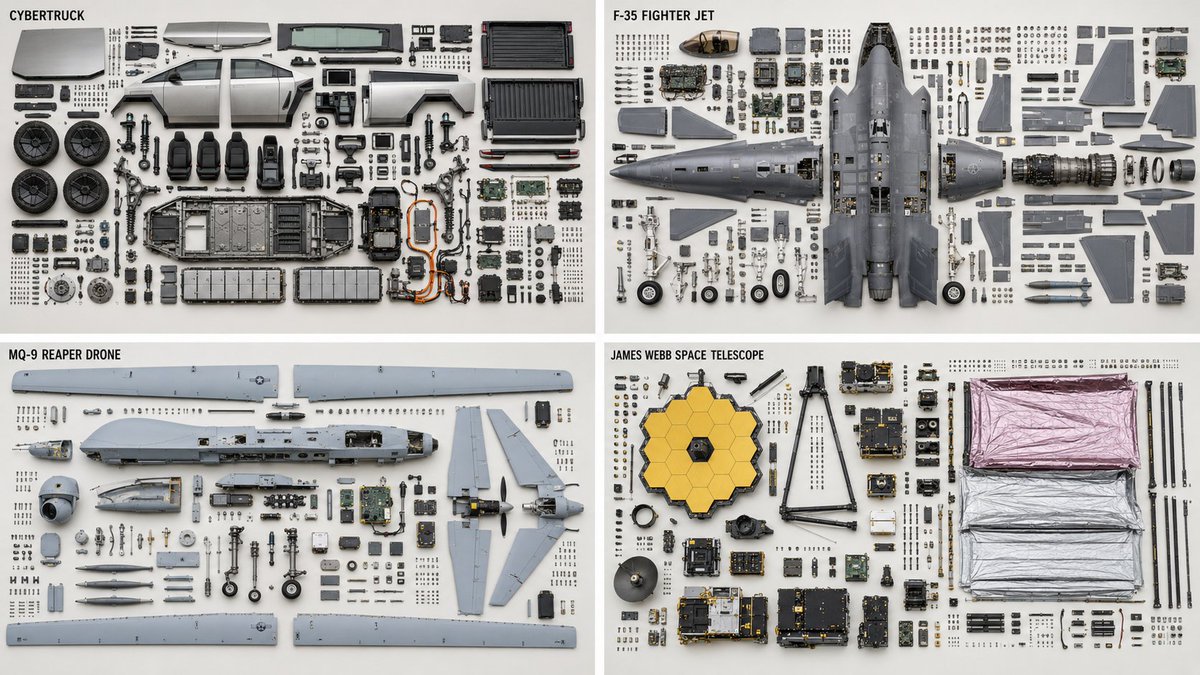
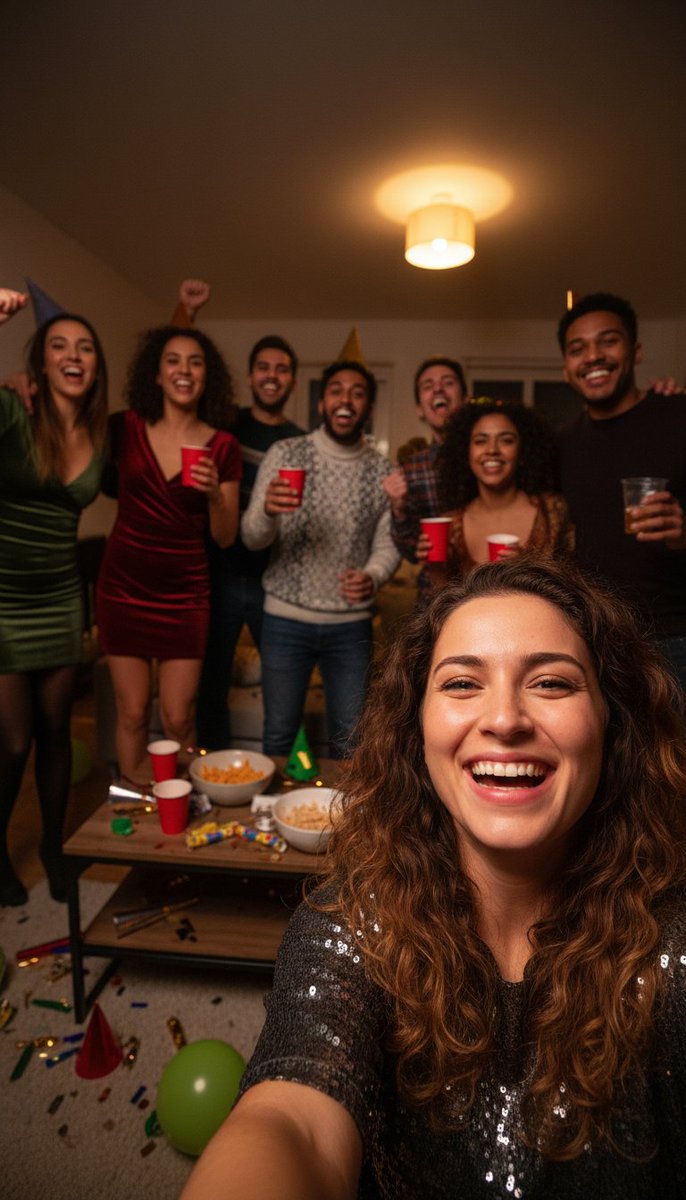
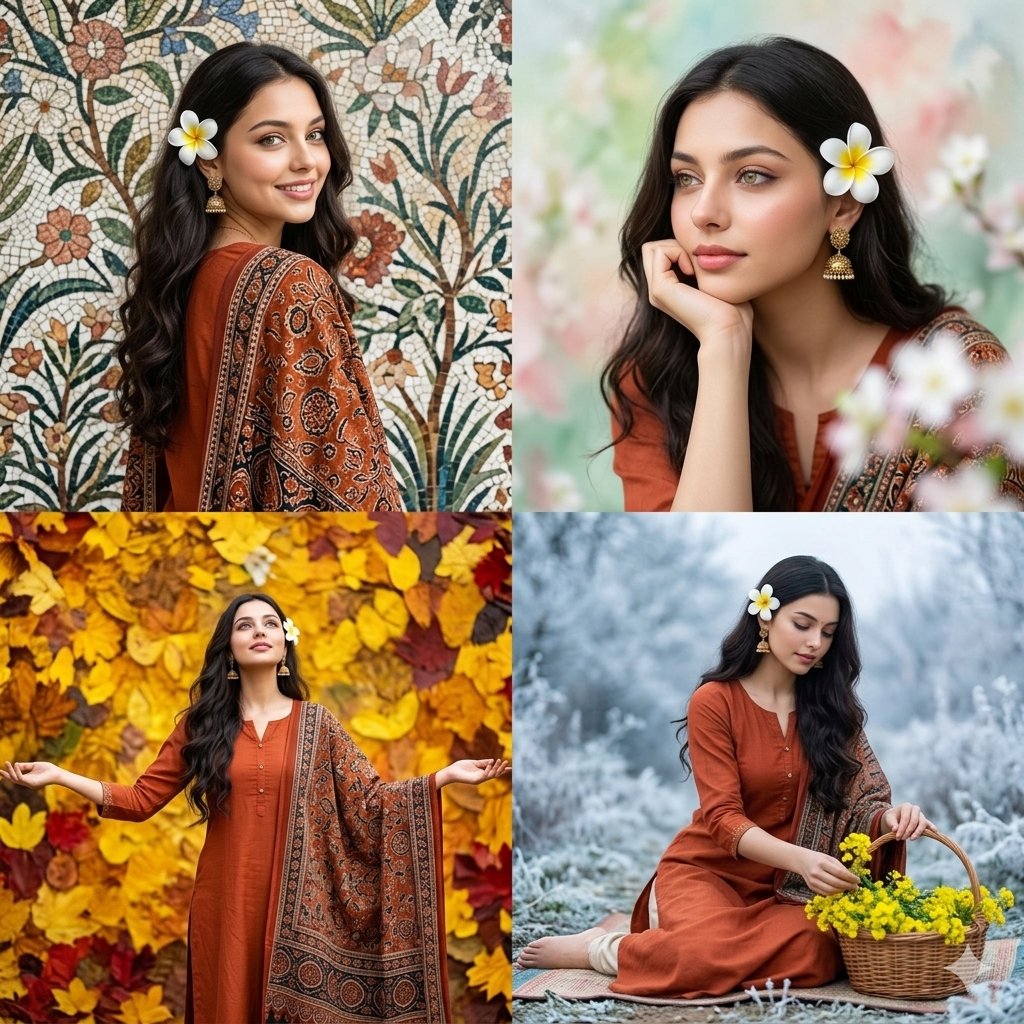
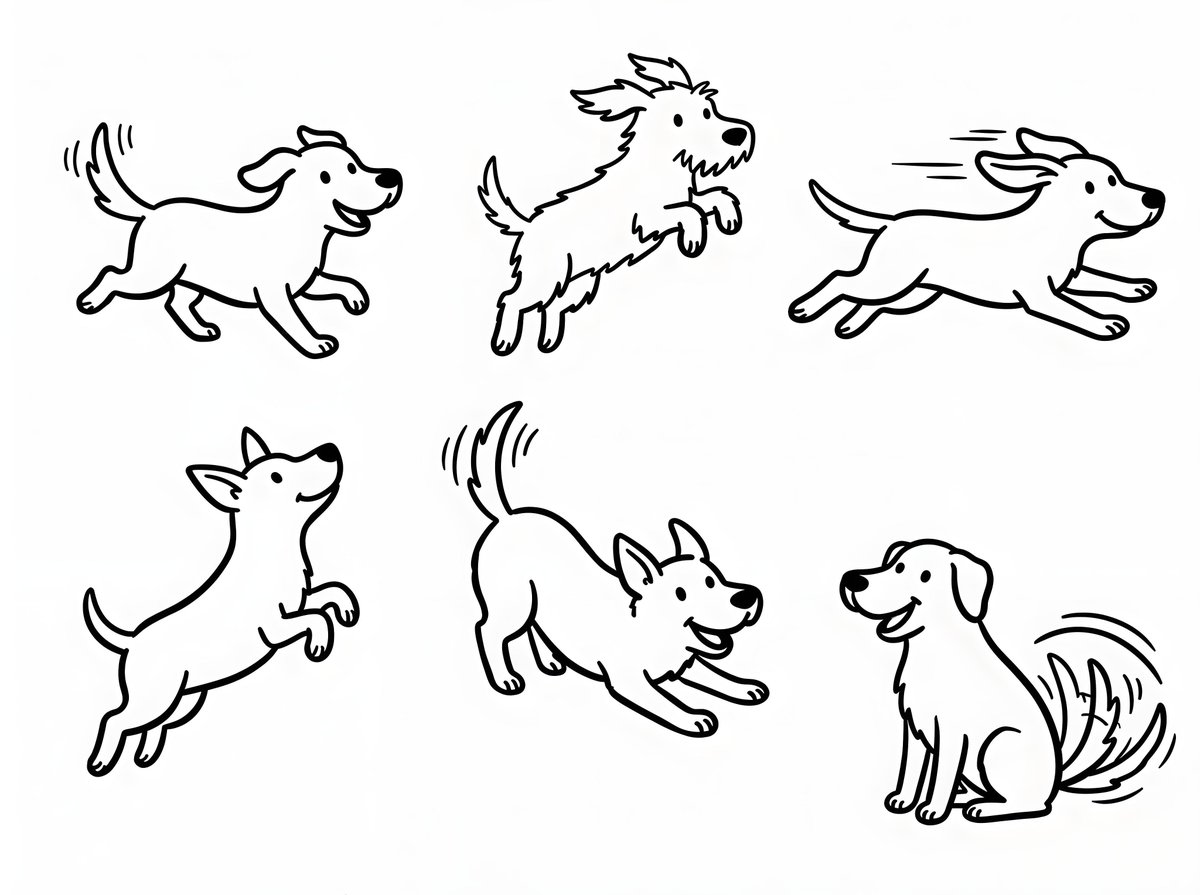
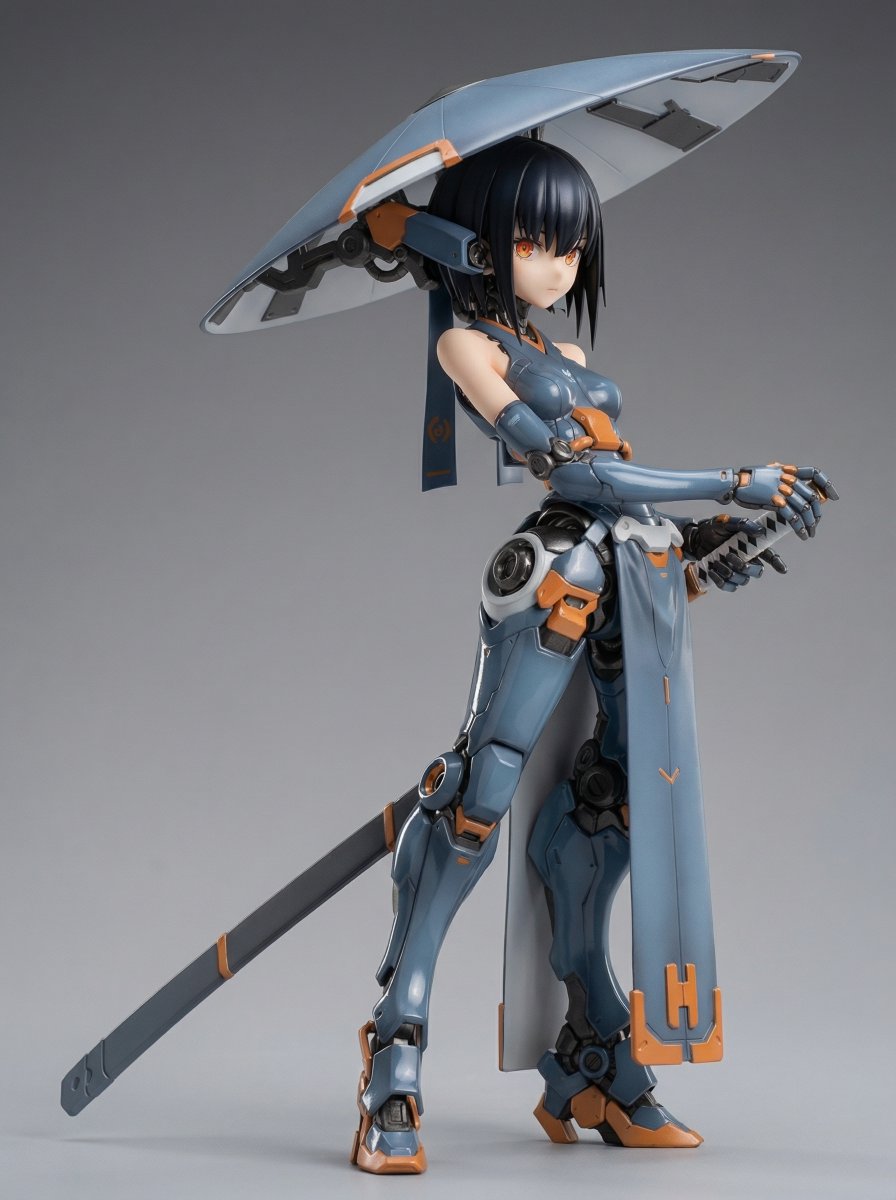
- cinematic
- cobalt blue
- mechanical
{ "aspect_ratio": "3:4", "style": "premium Hollywood sci-fi superhero theatrical poster, photorealistic CGI, clean cinematic composition, IMAX production quality, sophisticated visual storytelling", "prompt": "Create an extraordinary original Hollywood blockbuster movie poster titled VYKRON: RISE OF THE LAST TITAN. A powerful adult female superhero stands in the center foreground, shown full body from head to toe. She wears an iconic futuristic metallic cobalt-blue and silver battle suit with elegant orange illuminated energy details, sophisticated mechanical armor, sculpted shoulder protection and advanced robotic gauntlets. Her appearance is confident, stylish and intimidating. Her face is clearly visible and beautifully detailed.\n\nDirectly behind her stands ONE enormous futuristic mechanical Titan, towering over the city. Its distinctive silhouette features massive armored shoulders, powerful mechanical arms, an illuminated circular chest reactor and an angular futuristic head. The Titan should look magnificent, intimidating and incredibly expensive to build.\n\nBACKGROUND DESIGN: A beautiful futuristic megacity stretching across the horizon, with elegant skyscrapers and a dramatic atmospheric sky. A large glowing blue energy ring appears behind the Titan, creating a powerful visual focal point. A few distant orange lights illuminate the architecture. The skyline should remain clean, organized and visually calm. No chaotic destruction.\n\nCOMPOSITION: Heroine occupies the central lower foreground. The gigantic Titan fills the middle background. The glowing circular energy structure frames the upper background. Every subject must be clearly separated and instantly recognizable.\n\nCOLOR GRADING: Rich cobalt blue, polished silver, electric cyan and carefully placed warm orange highlights. Bright attractive colors, balanced exposure, beautiful cinematic reflections and premium atmospheric lighting.\n\nIMPORTANT VISUAL RULES: Minimal background clutter, no excessive explosions, no flying debris, no random aircraft, no multiple robots, no crowded buildings, no excessive smoke, no visual noise, no unnecessary objects. Maintain clean negative space and strong subject separation.\n\nAt the top write:\n\nTHE LAST ERA BEGINS.\n\nAt the bottom display a huge bold metallic movie title:\n\nVYKRON\n\nBelow it write:\n\nRISE OF THE LAST TITAN\n\nProfessional Hollywood theatrical typography, beautiful poster hierarchy, premium cinematic finish, exceptional clarity, original character and original machine design, no existing franchise references, no watermark." }
Retexture the image attached based on the JSON aesthetic below { "style": "photorealistic 3D render", "material": "glass with transparent and iridescent effects", "surface_texture": "smooth, polished with subtle reflections and refractive effects", "lighting": { "type": "studio HDRI", "intensity": "high", "direction": "angled top-left key light and ambient fill", "accent_colors": ["blue", "green", "purple"], "reflections": true, "refractions": true, "dispersion_effects": true, "bloom": true }, "color_scheme": { "primary": "transparent with iridescent blue, green, and purple hues", "secondary": "crystal-clear with subtle chromatic shifts", "highlights": "soft, glowing accents reflecting rainbow-like effects", "rim_light": "soft reflective light around edges" }, "background": { "color": "black", "vignette": true, "texture": "none" }, "post_processing": { "chromatic_aberration": true, "glow": true, "high_contrast": true, "sharp_details": true } }
- 3d diorama
- coffee roastery
- cutaway illustration
An isometric cutaway illustration of a busy corner coffee roastery at dawn, landscape 4:3. The two-story brick corner building is sliced open to show a ground-floor roasting room with a large drum roaster, burlap coffee sacks, a cooling tray of glossy brown beans, and a small packing counter, while upstairs a tiny tasting nook has a cupping table and shelves of sample jars. Warm early sunlight enters through tall corner windows; a bicycle leans outside by the door; steam rises from a cup on the counter. Soft clay-like 3D diorama style, neat tiny details, pastel morning palette with terracotta, cream, and sage, clean edges, lively but orderly mood. No readable text, no logos, no watermarks, no brand names on bags or signs.
- collectible
- glossy plastic
- lego minifigure
{ "prompt": { "title": "Personalized LEGO Minifigure Collectible Generator", "concept": "Transform the person in the reference image into a premium, highly detailed, classic LEGO minifigure collectible. The result must look like a professionally manufactured physical LEGO toy photographed in a high-end product photography studio.", "reference_image_analysis": { "instruction": "Analyze the reference photograph before designing the minifigure.", "identify_and_preserve": [ "Distinctive facial characteristics", "Face shape and proportions", "Hair color, hairstyle, and hair volume", "Eyebrows and characteristic expression", "Glasses and eyewear", "Facial hair, beard, and moustache", "Original clothing and dominant colors", "Logos, typography, and recognizable clothing graphics", "Jewelry, watches, bags, and personal accessories", "Other distinctive visual characteristics" ], "identity_priority": "The resulting minifigure should be immediately recognizable as the person in the reference image, despite the simplified LEGO facial design." }, "character_construction": { "design_language": "Authentic classic LEGO minifigure construction with premium collectible detailing.", "head": { "shape": "Classic cylindrical LEGO minifigure head", "material": "Glossy injection-molded plastic", "color": "Traditional LEGO yellow or appropriate LEGO skin-tone color", "face": "Printed LEGO facial graphics", "eyes": "Classic expressive LEGO eyes with black pupils and white highlights", "eyebrows": "Printed eyebrows matching the subject", "expression": "Friendly, confident, natural expression", "facial_hair": "Precisely printed stubble, beard, or moustache when present" }, "hair": { "construction": "Separate molded LEGO hairpiece", "material": "Glossy ABS plastic", "style": "Reproduce the reference hairstyle using recognizable molded hair geometry", "details": "Individual molded hair sections, realistic plastic reflections, accurate hair color" }, "eyewear": { "instruction": "Reproduce glasses and sunglasses as separate miniature LEGO-compatible accessories when present.", "style": "Accurate frame shape, color, and proportions." }, "torso": { "shape": "Classic LEGO minifigure torso", "clothing": "Reproduce the original outfit using clean printed graphics.", "graphics": "Preserve recognizable logos, lettering, color combinations, pockets, collars, and clothing details.", "texture": "Smooth plastic with printed designs. Never use realistic fabric textures.", "finish": "Premium glossy molded plastic." }, "arms": { "shape": "Classic cylindrical LEGO arms", "proportions": "Authentic minifigure dimensions", "color": "Match the reference clothing" }, "hands": { "shape": "Traditional C-shaped LEGO hands", "color": "Match the minifigure head color" }, "legs": { "shape": "Classic rigid LEGO minifigure legs", "proportions": "Short, blocky, connected LEGO legs", "details": "Printed trousers, shoes, and other recognizable clothing details where appropriate" }, "accessories": { "instruction": "Recreate recognizable personal accessories as miniature molded LEGO elements.", "examples": [ "Glasses", "Watches", "Headphones", "Backpacks", "Bags", "Hats", "Jewelry", "Professional equipment", "Personal objects" ], "rule": "Only include accessories supported by the reference photograph." } }, "material_and_rendering": { "material": "High-quality injection-molded ABS plastic", "surface": "Smooth, polished, glossy plastic", "reflections": "Subtle controlled studio reflections", "edges": "Precise molded edges and authentic LEGO geometry", "printing": "Sharp, clean, high-resolution printed graphics", "realism": "Photorealistic physical toy rendering", "quality": "Premium collectible product visualization" }, "composition": { "subject_count": 1, "position": "Precisely centered in the frame", "pose": "Standing upright in a natural neutral minifigure pose", "orientation": "Front-facing with a subtle three-quarter angle", "framing": "Complete character visible from hair to feet", "scale": "Character occupies approximately 75 to 85 percent of the image height", "symmetry": "Balanced composition with equal visual breathing room", "camera": "Professional product photography, slightly elevated three-quarter perspective" }, "background": { "type": "Pure white seamless studio background", "color": "#FFFFFF", "environment": "No scenery, no diorama, no LEGO bricks, no furniture, no props", "shadows": "Very subtle natural contact shadow beneath the character", "distractions": "Absolutely none" }, "lighting": { "style": "Premium commercial studio lighting", "key_light": "Large softbox positioned at 45 degrees", "fill_light": "Soft frontal fill light", "rim_light": "Subtle highlights around the hair and shoulders", "shadows": "Soft realistic shadows", "exposure": "Bright, balanced, clean exposure" }, "miniature_effect": { "concept": "The character must look like a real, tiny physical collectible toy photographed using professional macro photography.", "camera_style": "Macro product photography", "lens": "90mm to 105mm macro lens aesthetic", "depth_of_field": "Moderately shallow depth of field, keeping the entire minifigure sharp.", "focus": "Sharp focus on the face, hair, torso, and clothing details.", "perspective": "Natural miniature toy photography perspective", "scale_illusion": "Subtle optical characteristics that communicate physical miniature scale without distorting the character.", "background_blur": "Not applicable to the pure white seamless background." }, "visual_consistency": { "priority_1": "Authentic LEGO minifigure anatomy", "priority_2": "Recognizable personal identity", "priority_3": "Accurate clothing and accessories", "priority_4": "Premium glossy plastic materials", "priority_5": "Consistent studio product photography", "rule": "Never convert the character into a realistic human, action figure, Funko Pop, or generic cartoon character." }, "negative_prompt": [ "Realistic human anatomy", "Human skin texture", "Photorealistic human face", "Funko Pop proportions", "Action figure anatomy", "Soft organic body shapes", "Long human-like legs", "Realistic fabric", "Cloth wrinkles", "Oversized hands", "Deformed LEGO parts", "Missing accessories", "Incorrect hairstyle", "Unrecognizable facial characteristics", "Extra limbs", "Multiple characters", "Background scenery", "LEGO diorama", "Colored background", "Text outside the character", "Watermarks", "Packaging", "Display stands", "Cropped feet", "Cropped hair" ], "output_settings": { "format": "Photorealistic 3D render", "aspect_ratio": "2:3", "resolution": "High resolution", "background": "Pure white", "subject": "One complete centered LEGO minifigure", "presentation": "Premium collectible studio product photograph" } } }
- black cat
- copper cauldron
- green potion
A cozy isometric 3D cutaway of a small witch's potion shop with a black cat asleep on a stool: two wooden plank walls and a grey stone-tile floor on a plain dark teal background, square 1:1. In the center, a large hammered copper cauldron full of bubbling, glowing green potion stands on a ring of stones with green fire glowing beneath it and green steam. Wooden corner shelves along the back walls are filled with colorful glass potion bottles in green, teal, purple, and orange, with lit candles between them. Dozens of bundles of dried herbs and flowers in purple, yellow, green, and red hang upside down along the top of both walls. At the upper left, a round wooden-framed window shows a crescent moon in a deep blue night sky. On the left: potted plants, small wooden boxes and drawers, and wicker baskets of dried flowers. On the right, a wooden counter holds a brass balance scale, an open spell book with a purple ribbon, candles, and small bottles. In the front right, a black cat sleeps curled up on a round wooden stool. Warm candlelight with green potion glow, stylized semi-low-poly game-art render. No people, no text, no logos.
- claymation
- diorama
- lantern
A cozy claymation stop-motion diorama of a tiny ramen stall on a rainy night, in a square 1:1 frame, everything sculpted from plasticine with visible fingerprints and soft handmade textures. A small wooden street stall stands in the center-left with a roof of chunky dark grey clay tiles and a red fabric awning glistening with raindrops along its scalloped edge. Behind the wooden counter, a smiling clay chef with rosy cheeks, short dark hair, a white headband, and a white cook's jacket ladles broth into a large orange bowl of noodles, with a soft curl of steam rising beside him. Two round little clay customers sit with their backs to us on wooden stools at the counter, one in a green hooded jacket and one in a puffy yellow jacket, with an empty stool on the left. A glowing orange paper lantern hangs from the right corner of the awning, a small warm lamp lights the inside of the stall, and a little window on the stall's left side glows amber. On the left stands a terracotta pot with a green leafy plant; on the right a small brown clay bicycle with a woven front basket is parked by clumps of green moss. The wet, muddy clay ground in the foreground is full of puddles reflecting the orange lantern and lamp light. Thin streaks of rain fall against a dark blue night with soft dark green bushes behind. Warm orange light against cool blue darkness, shallow depth of field, miniature tilt-shift feel, charming and heartwarming mood. No readable text, no signs, no logos.