Advanced Physics Paradox Infographic

A luxury vertical infographic grid visualizing advanced physics theorems like Bell's theorem or Hawking radiation with a museum-grade scientific aesthetic.
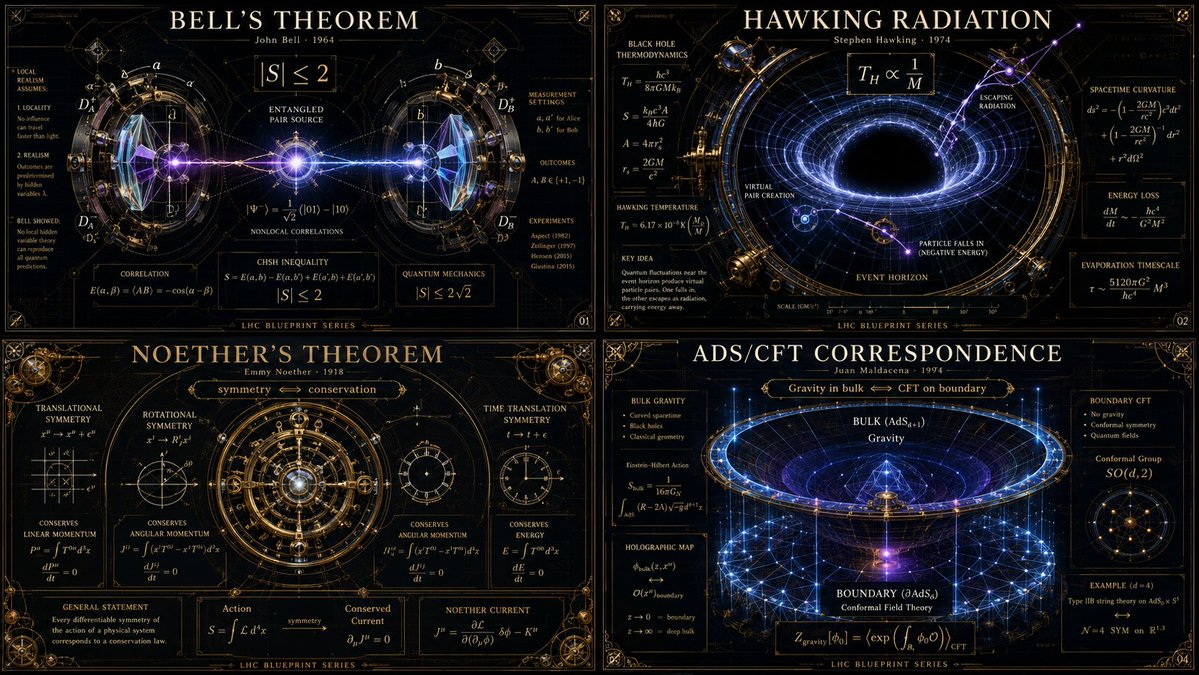
Advanced Physics Paradox Infographic

Prompt

16:9 -> class theoretical_physics_infographic_dna: def __init__(self): self.subject = "[4 distinct advanced physics theorems or paradoxes (e.g., bell's theorem, hawking radiation, string theory)]" self.parents = { "composition_parent": "large hadron collider blueprints — hyper-complex radial symmetry, intersecting particle beam rings, millimeter-precise drafting", "atmosphere_parent": "deep space observatory photography — pitch black voids, glowing ultraviolet radiation, high-contrast laser illumination", "graphic_parent": "chalkboard maximalism — elegant, dense mathematical notation floating as glowing white vectors", "detail_parent": "victorian brass optical instruments — finely milled prisms, glass lenses, and mirrored refraction planes" } self.mutations = { "medium_mutation": "the mathematical formulas solidify into glowing, three-dimensional glass sculptures bending the light around them", "information_mutation": "particle collision tracks are woven like fine gold thread through the dark background", "semantic_mutation": "the invisible physical law is rendered as a massive, tangible, gravitational machine distorting the grid of the poster itself" } def generate_grid(self): instruction = """ generate a 2x2 grid of vertical luxury infographic posters giving physical form to the chosen [subject]s. invent a magnificent scientific machine or optical diorama for each. explode the layers to show quantum states, gravitational warping, equations, and subatomic scale. the design must feel like a classified schematic from a hyper-advanced, aesthetically obsessed civilization. semantic inference must make the invisible laws of physics breathtakingly visible. """ return render( instruction, format="2x2 grid, vertical luxury posters, conceptual scientific infographic", typography=""" large title: [name of theorem/paradox] subtitle: [the physicist / the era] microtext: [the core equation / metric tensor / explanatory blazon] """, composition="strict radial or gravitational-well symmetry. razor-sharp fine lines contrasting with deep voids.", lighting="harsh, clinical laser light interacting with pure optical glass and vantablack.", constraints="no cartoon atoms, no clip-art planets, no messy chalkboards. only pristine, museum-grade scientific aesthetic." )

Runs on 18 models

  • Flux
  • Flux 2
  • Flux Kontext
  • GPT-4o Image
  • GPT Image
  • GPT Image 2
  • GPT Image 2.5
  • Grok Imagine
  • Ideogram V3
  • Imagen 4
  • Midjourney
  • Nano Banana
  • +6 more

What this prompt produces

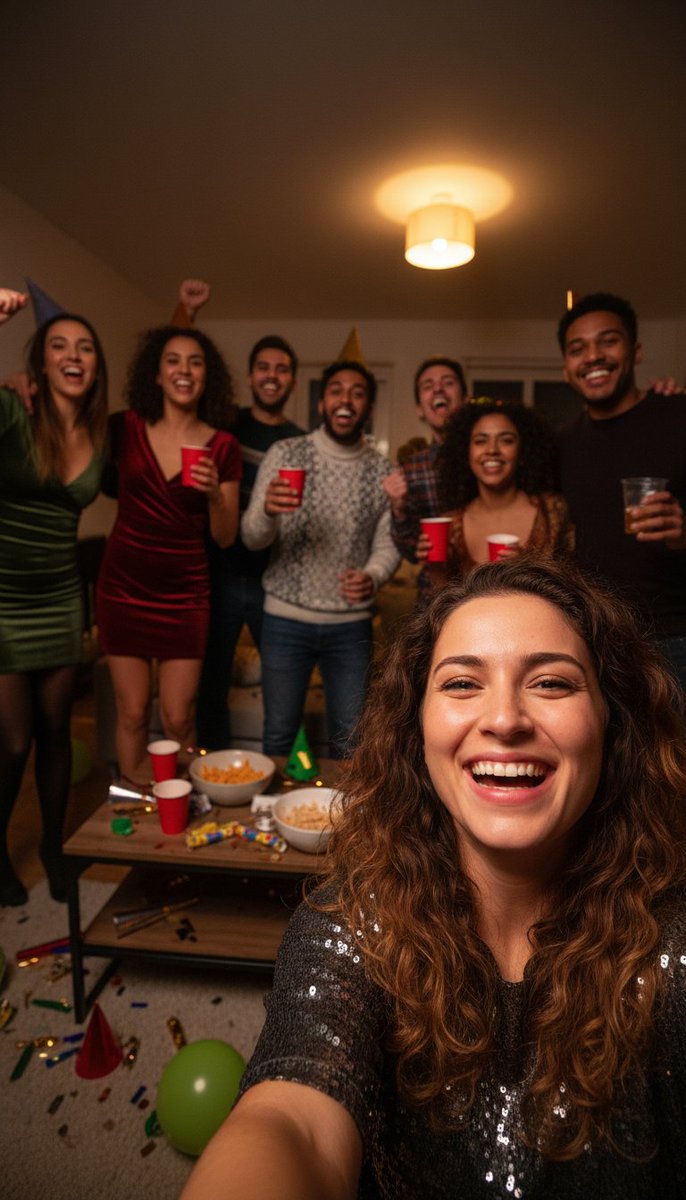
Realistic Group Selfie with Smartphone Flash Effect Not specified nano-banana-pro
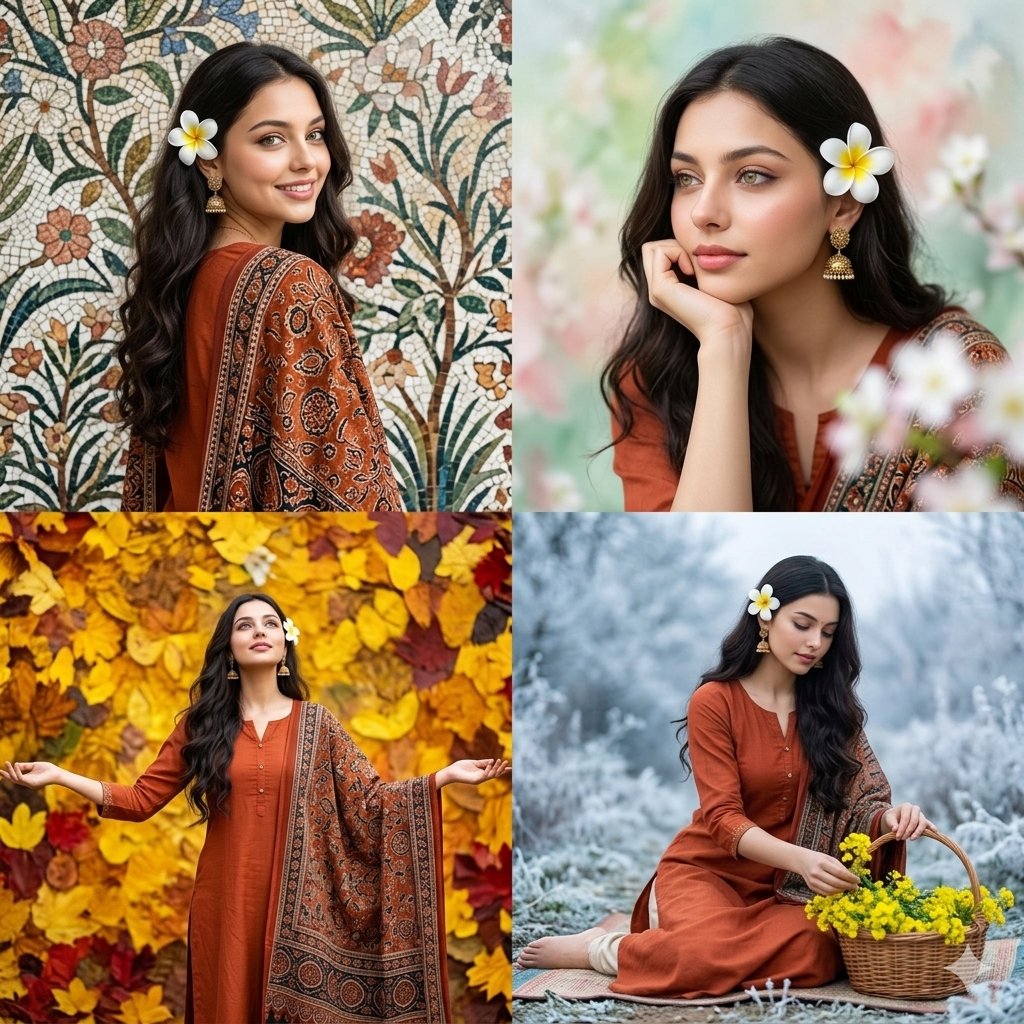
Four Seasons Portrait Collage Not specified nano-banana-pro
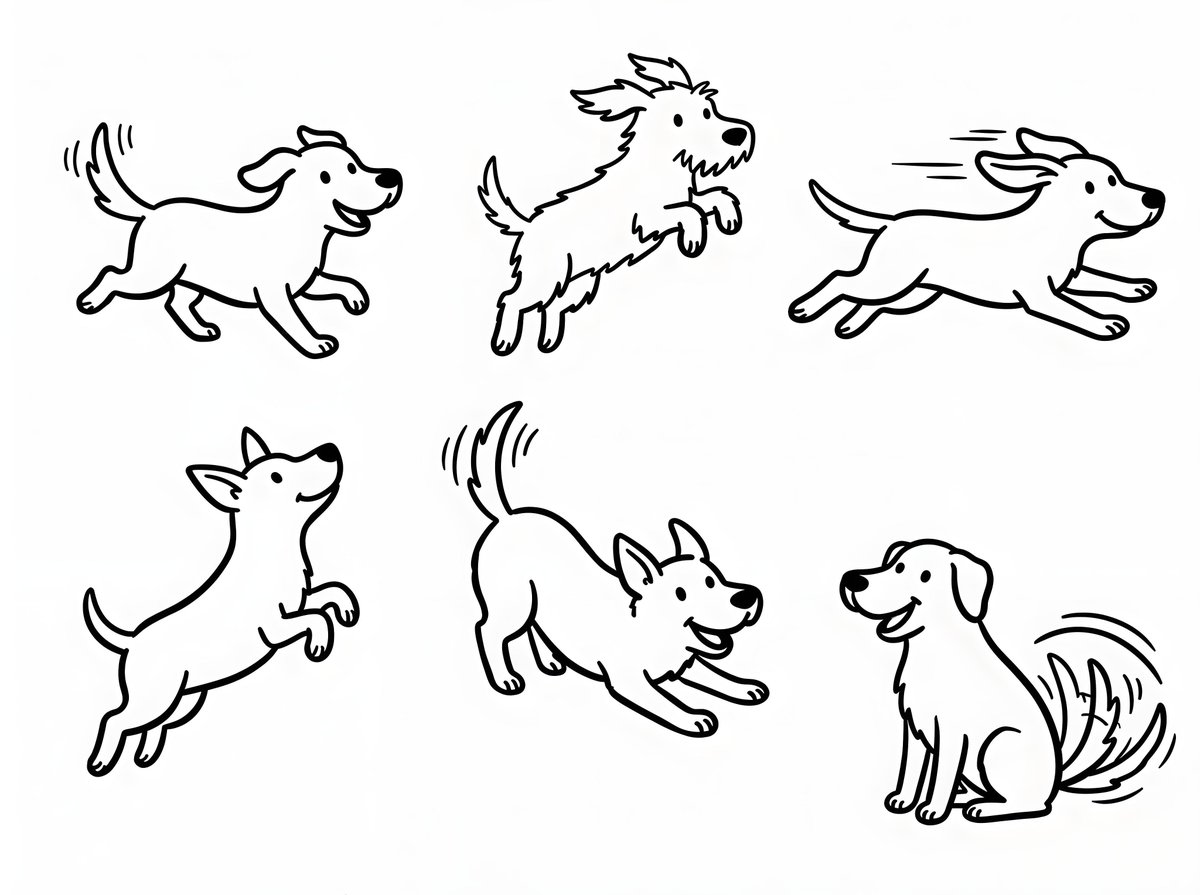
Minimalist Dog Sketch Clipart Not specified nano-banana-pro
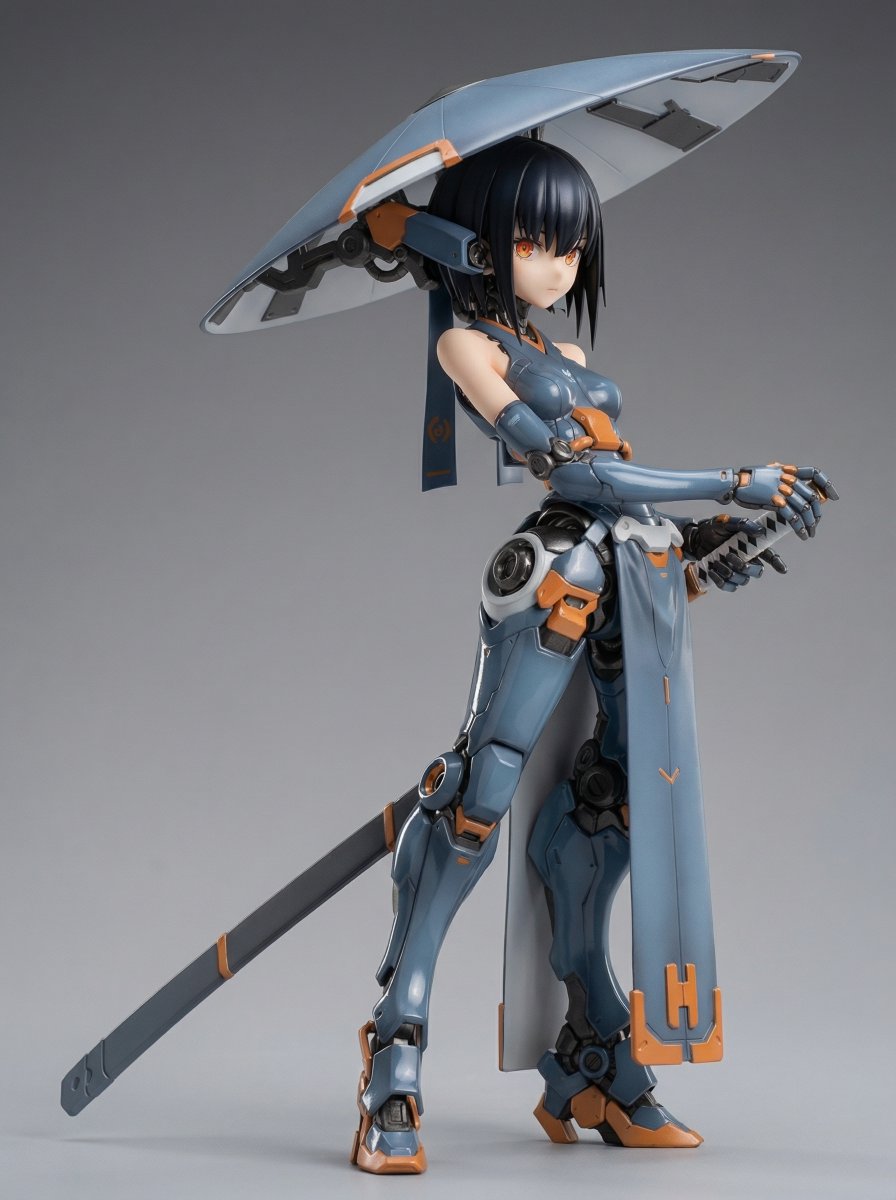
Mecha Girl figure concept generated by Nano Banana Pro Not specified nano-banana-pro
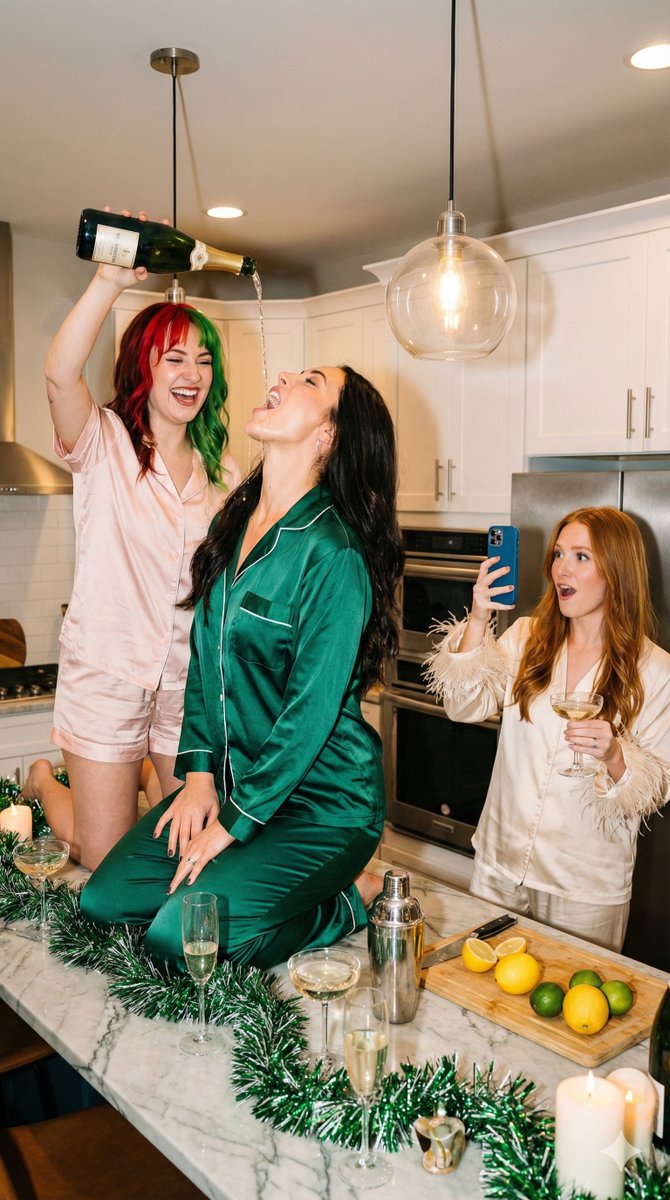
Candid Flash Photography: Chaotic Holiday Party (Duplicate) Not specified nano-banana-pro
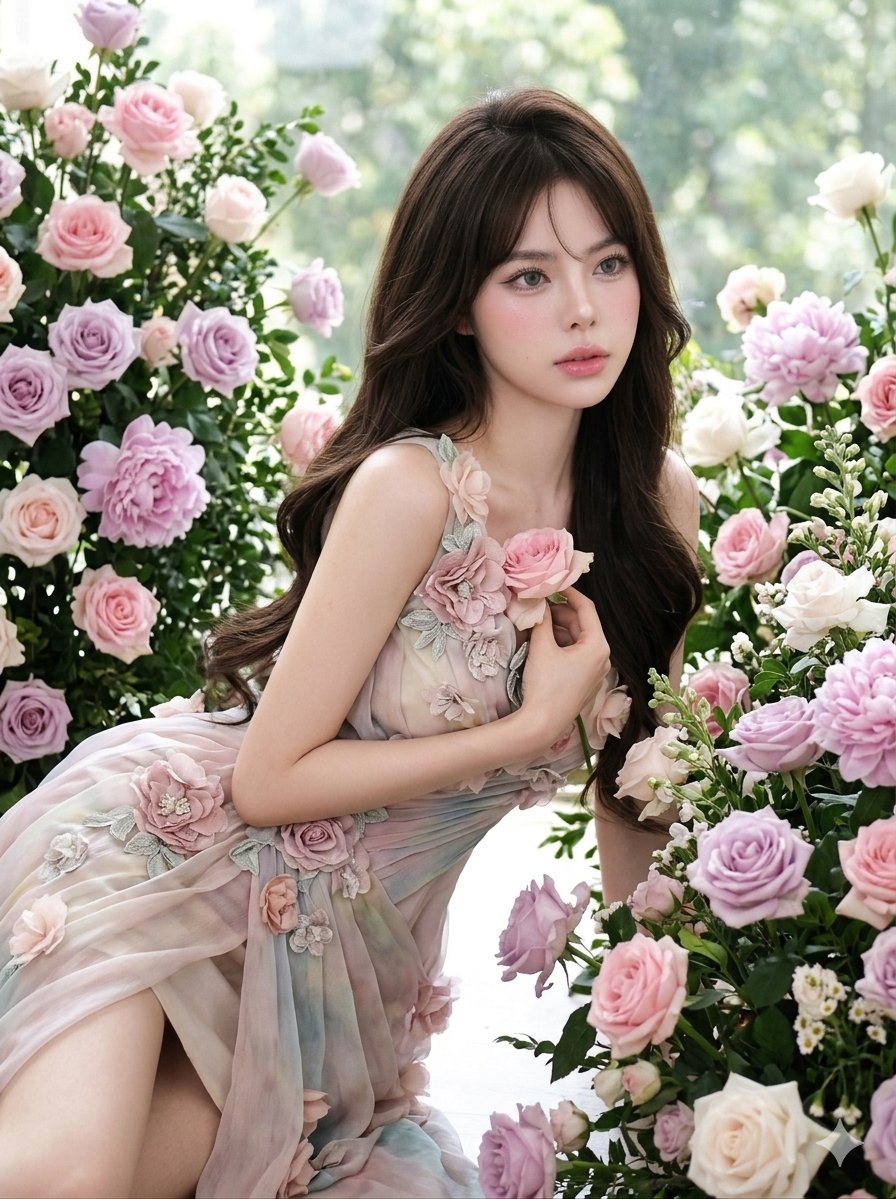
Ethereal Floral Studio Portrait Not specified nano-banana-pro

Run this prompt with the API

The request below sends this prompt, with its default values filled in, to the first model it runs on. Swap the model name for any other model listed above.

Prompt API docs
/api/v1/gpt_image_2/text_to_image
curl -X POST https://runapi.ai/api/v1/gpt_image_2/text_to_image \
  -H "Authorization: Bearer $RUNAPI_API_KEY" \
  -H "Content-Type: application/json" \
  --data-binary @- <<'JSON'
{
  "model": "gpt-image-2",
  "prompt": "16:9 -> class theoretical_physics_infographic_dna: def __init__(self): self.subject = \"[4 distinct advanced physics theorems or paradoxes (e.g., bell's theorem, hawking radiation, string theory)]\" self.parents = { \"composition_parent\": \"large hadron collider blueprints — hyper-complex radial symmetry, intersecting particle beam rings, millimeter-precise drafting\", \"atmosphere_parent\": \"deep space observatory photography — pitch black voids, glowing ultraviolet radiation, high-contrast laser illumination\", \"graphic_parent\": \"chalkboard maximalism — elegant, dense mathematical notation floating as glowing white vectors\", \"detail_parent\": \"victorian brass optical instruments — finely milled prisms, glass lenses, and mirrored refraction planes\" } self.mutations = { \"medium_mutation\": \"the mathematical formulas solidify into glowing, three-dimensional glass sculptures bending the light around them\", \"information_mutation\": \"particle collision tracks are woven like fine gold thread through the dark background\", \"semantic_mutation\": \"the invisible physical law is rendered as a massive, tangible, gravitational machine distorting the grid of the poster itself\" } def generate_grid(self): instruction = \"\"\" generate a 2x2 grid of vertical luxury infographic posters giving physical form to the chosen [subject]s. invent a magnificent scientific machine or optical diorama for each. explode the layers to show quantum states, gravitational warping, equations, and subatomic scale. the design must feel like a classified schematic from a hyper-advanced, aesthetically obsessed civilization. semantic inference must make the invisible laws of physics breathtakingly visible. \"\"\" return render( instruction, format=\"2x2 grid, vertical luxury posters, conceptual scientific infographic\", typography=\"\"\" large title: [name of theorem/paradox] subtitle: [the physicist / the era] microtext: [the core equation / metric tensor / explanatory blazon] \"\"\", composition=\"strict radial or gravitational-well symmetry. razor-sharp fine lines contrasting with deep voids.\", lighting=\"harsh, clinical laser light interacting with pure optical glass and vantablack.\", constraints=\"no cartoon atoms, no clip-art planets, no messy chalkboards. only pristine, museum-grade scientific aesthetic.\" )"
}
JSON

Try a prompt

Estimated: $0.04 / image

Sign in to generate with RunAPI.

Sign in to generate

Sign in to start generating with your available language models.