GPT Image 2 Origami Style Photo-to-Poster Prompt
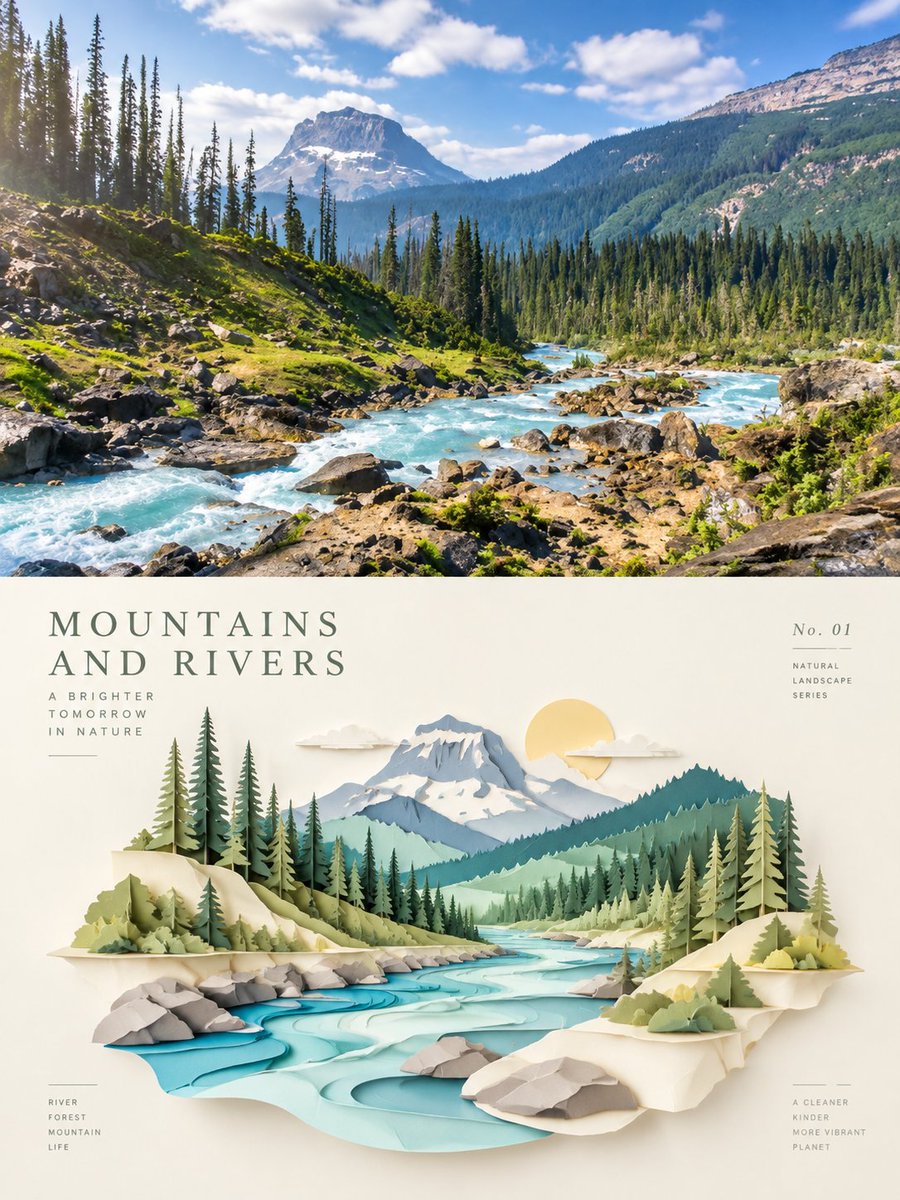
GPT Image 2 Origami Style Photo-to-Poster Prompt

翻译: Prompt

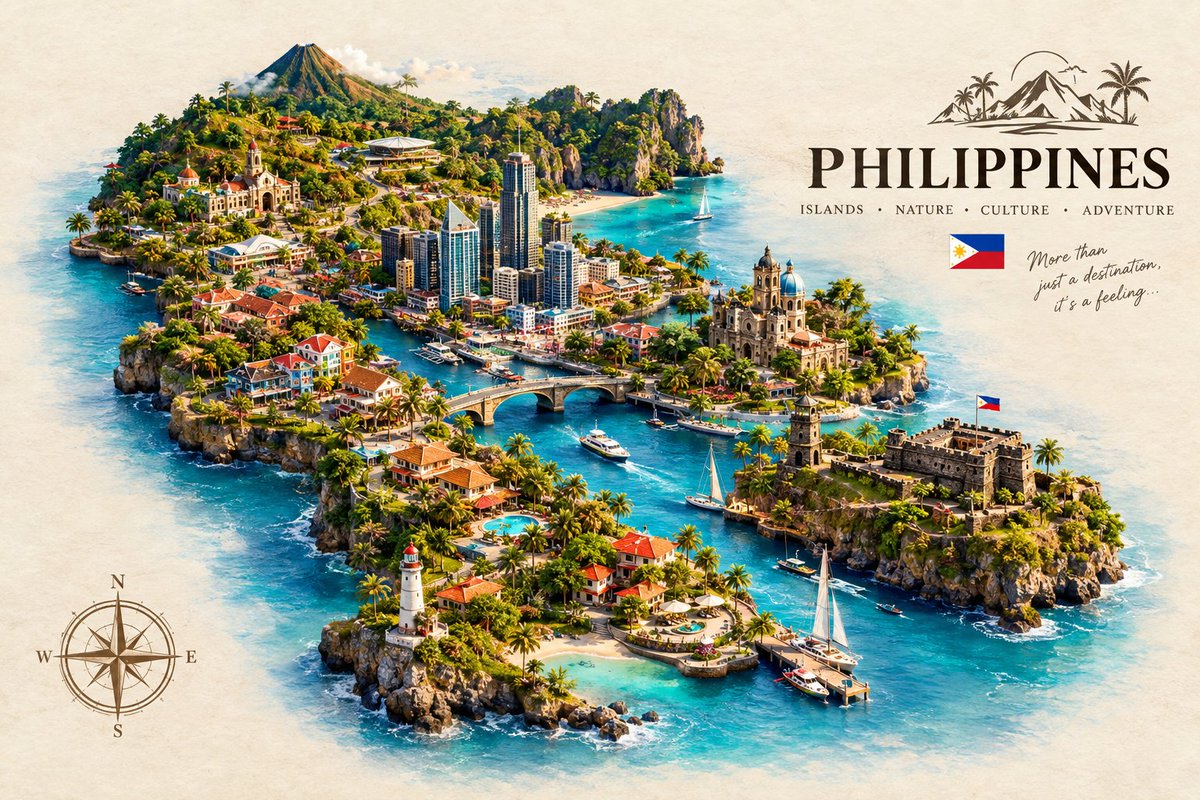
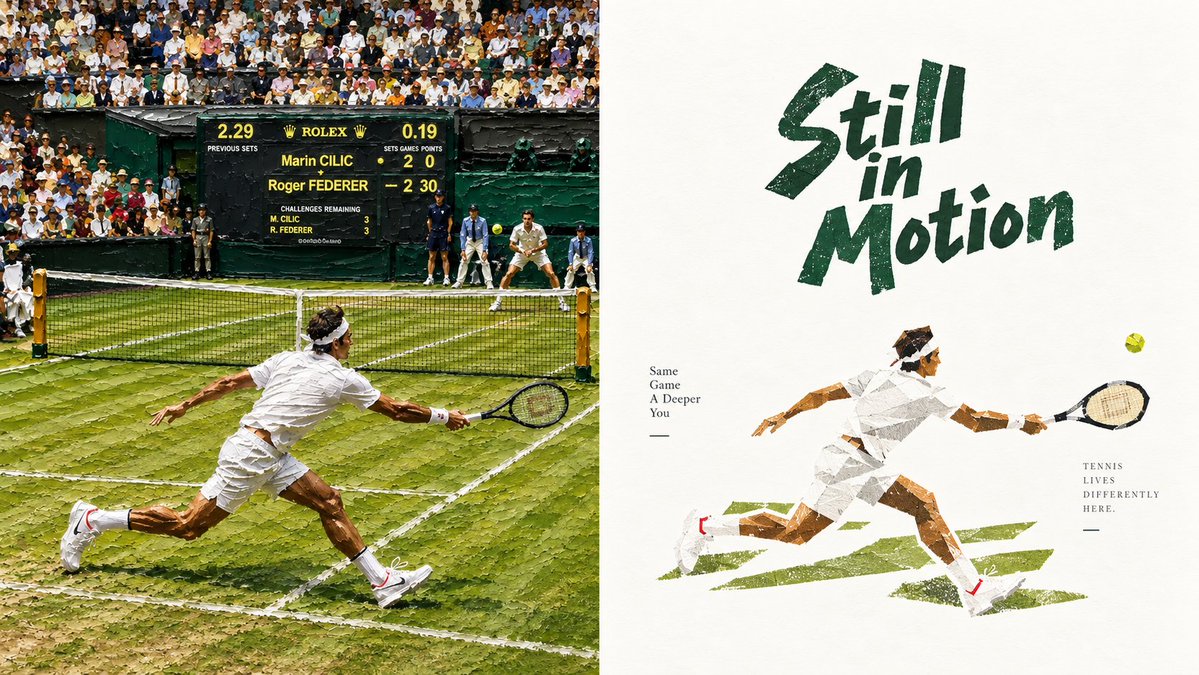
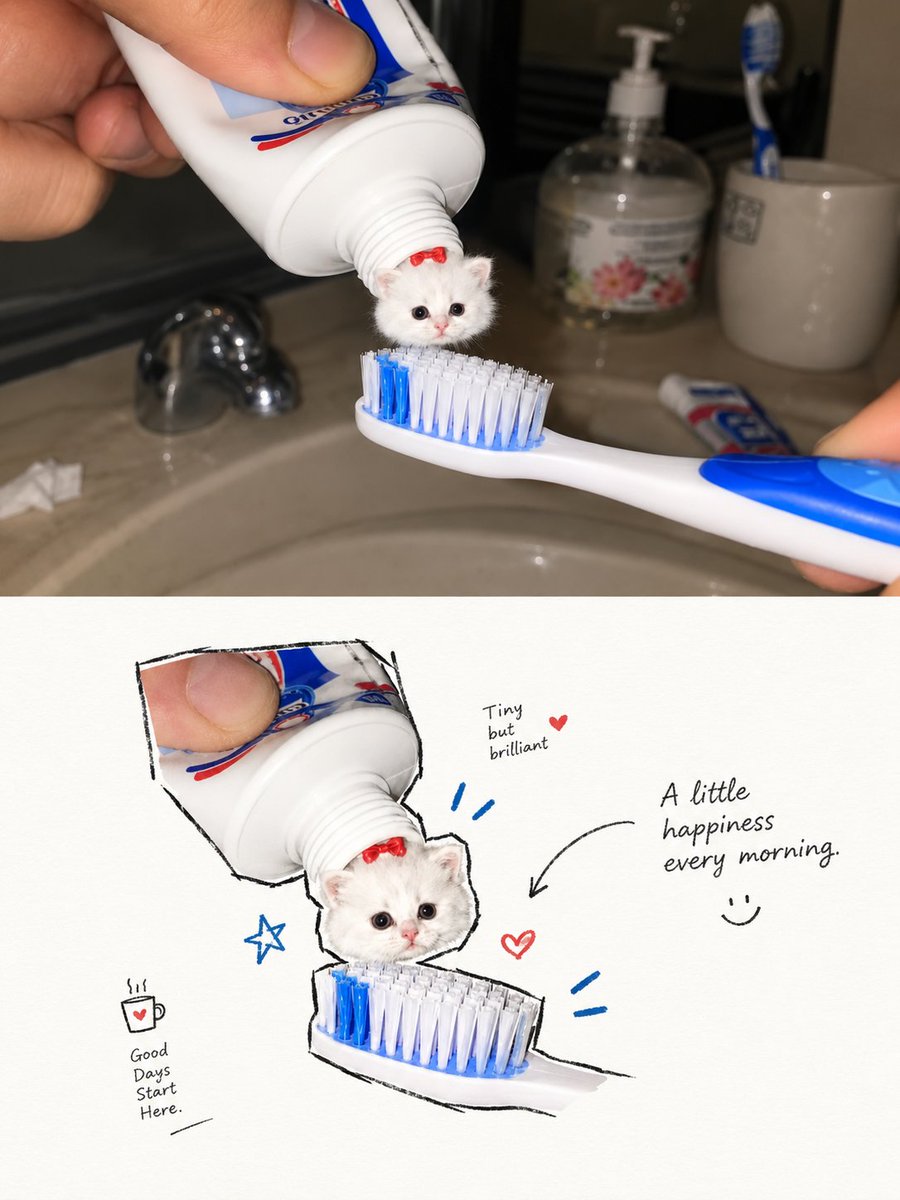
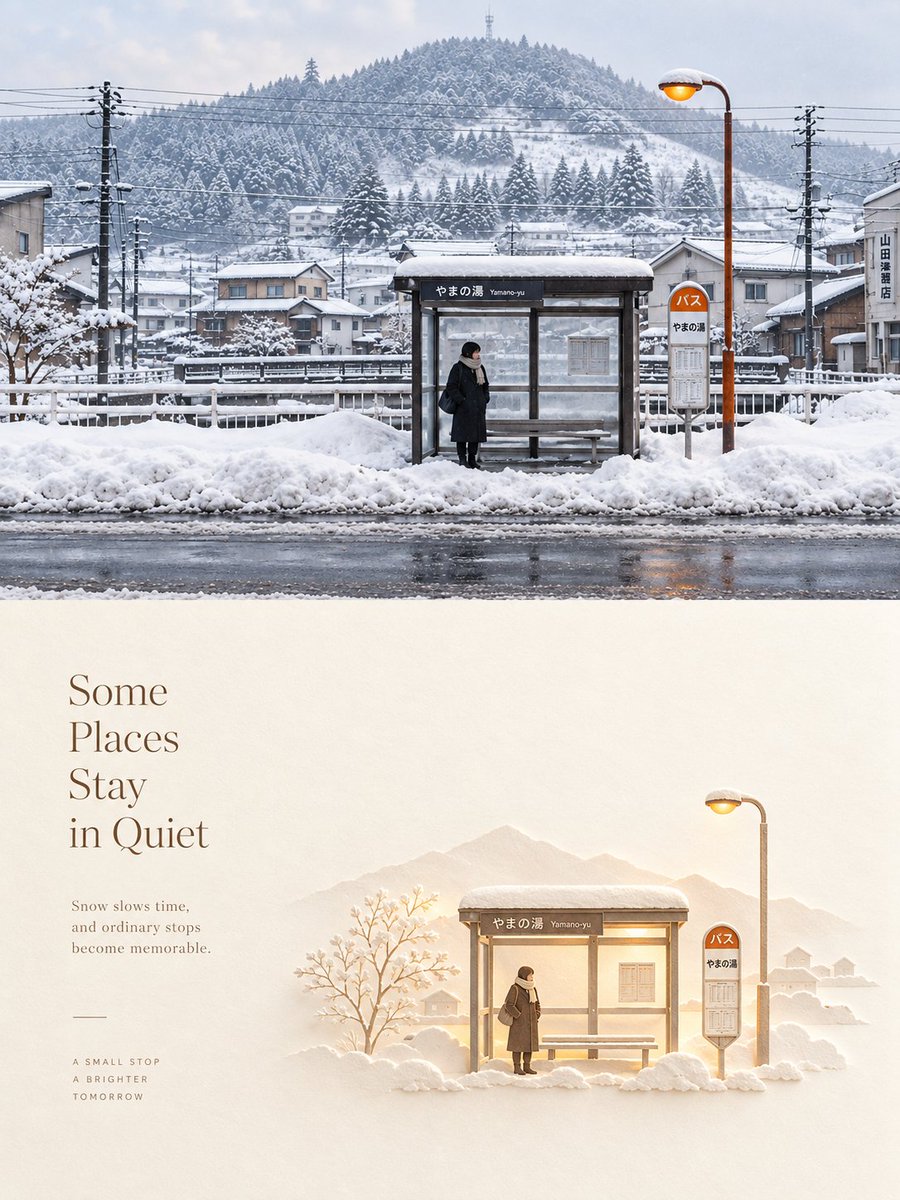
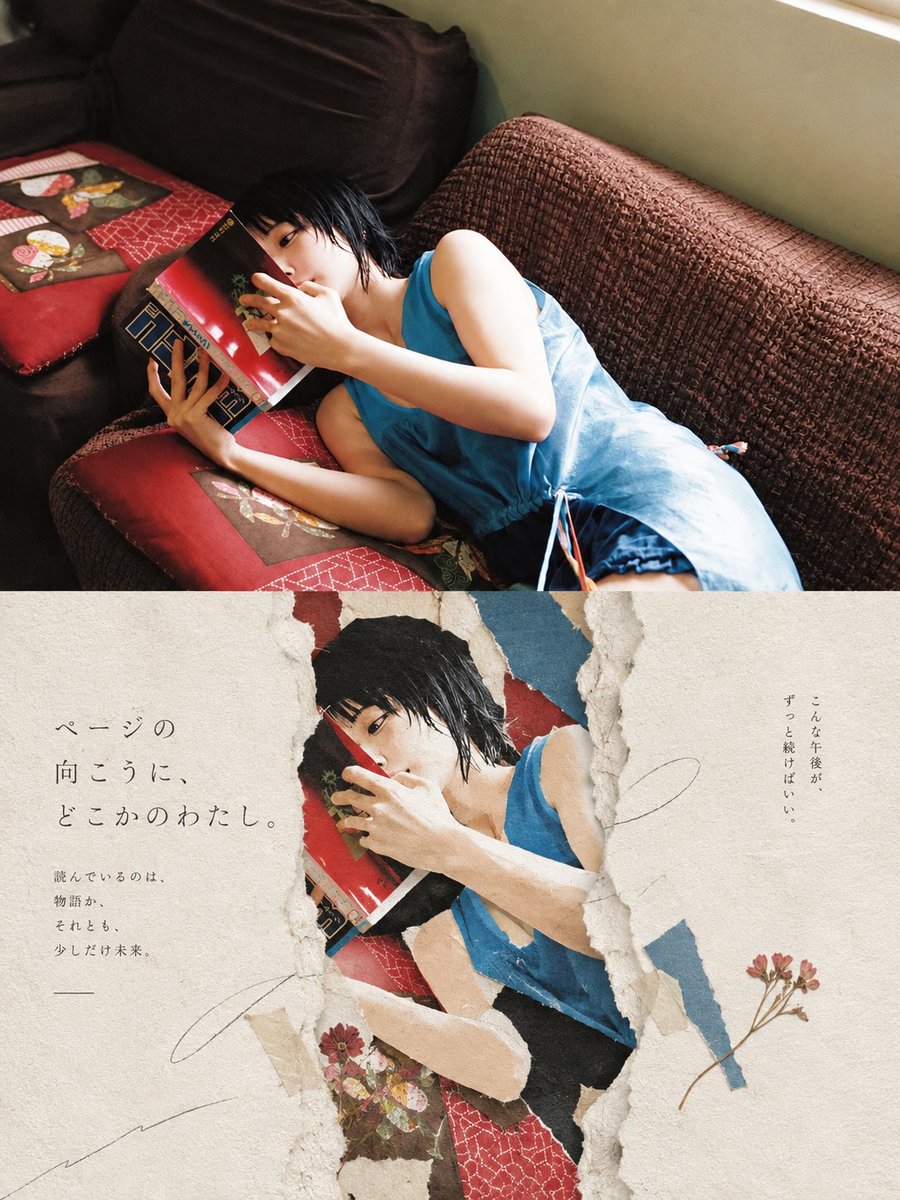
Please transform each of my uploaded photos into a separate high-end minimalist design poster. Do not combine multiple images; output each photo individually. Use an overall 3:4 vertical composition. The upper and lower sections must have strictly equal heights (1:1 ratio), each occupying 50% of the canvas. Upper Section: Retain the original photo. Preserve the main subject's structure, realistic texture, natural lighting, and original color atmosphere. Apply only slight high-end color grading to give it an artistic photography and exhibition visual quality. To fit the aspect ratio, you may naturally extend the environmental background, but do not stretch, distort, or alter the subject. Lower Section: Extract the most recognizable contours, structures, spatial relationships, and narrative features of the subject from the photo. Reconstruct them into a miniature scene in the style of layered paper cut art / 3D papercraft diorama / architectural relief. Do not copy photo details; instead, retain the core visual symbols and re-express them through multi-layered paper pieces, cut contours, hollow structures, and spatial layering, making the subject look like a paper art installation in a modern design exhibition. Use concise structures, precise edges, multi-layered facets, and slight spatial shadows to establish depth. Do not aim for realistic 3D rendering; instead, present a lightweight texture combining paper, architectural models, and art installations. Keep the subject as a single visual center with large areas of negative space and a restrained, balanced composition. Color Palette: Extract the brightest, most vivid, and most lively colors from the upper photo to re-modulate the palette, rather than taking an average. Increase overall brightness and color purity. Use clear sky blues, lake teals, tender greens, warm yellows, coral oranges, peach pinks, and other bright hues derived naturally from the original image. Use ivory white and warm beige as the primary spatial backgrounds, creating a healing feeling through fresh cool-warm contrasts. Main colors should be vibrant but not glaring; use local touches of warm orange, gold, or pink as accent colors. Avoid gray/dirty tones, aged looks, low-saturation Morandi palettes, dark brown filters, fluorescent colors, or cheap candy-like feelings. Typography: Minimal text intervention. Freely generate short titles, numbers, or micro-annotations based on the subject, location, mood, or cultural meaning. Use delicate, restrained modern fonts with an architectural editorial feel, resembling information labels in art exhibition tags or high-end brand visuals, blending naturally with the negative space. Overall Style: Reference international design studios, architectural posters, art exhibition visuals, and high-end brand visual systems. Present paper sculpture spaces, modern Oriental aesthetics, transparent colors, large negative spaces, and a premium craft feel. Avoid realistic CG, plastic textures, childish handicraft looks, complex backgrounds, or templated effects.

翻译: Runs on 21 models

  • Flux
  • Flux 2
  • Flux Kontext
  • GPT-4o Image
  • GPT Image
  • GPT Image 2
  • GPT Image 2.5
  • GPT Image 2.6
  • Grok Imagine
  • Ideogram V3
  • Imagen 4
  • Kling
  • 翻译: +9 more

此 prompt 的输出

Hero prompt: 
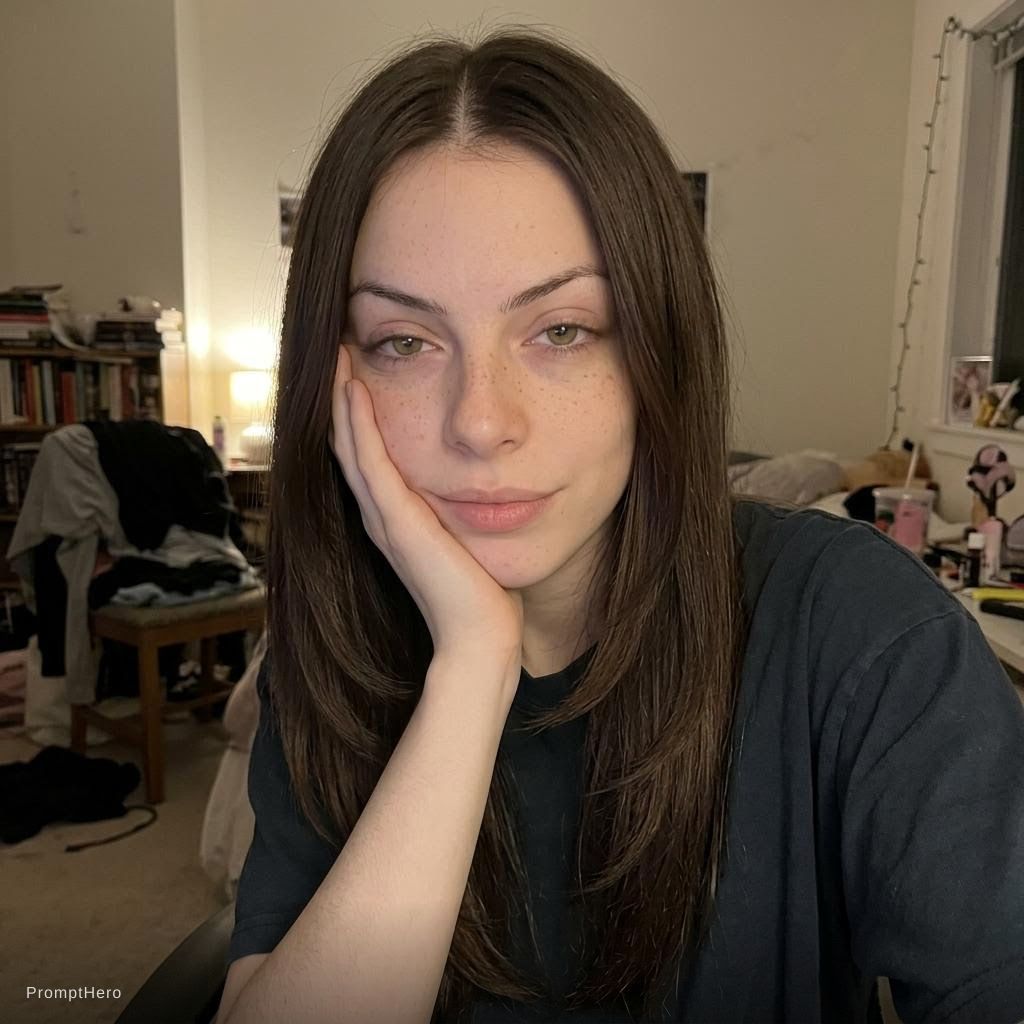
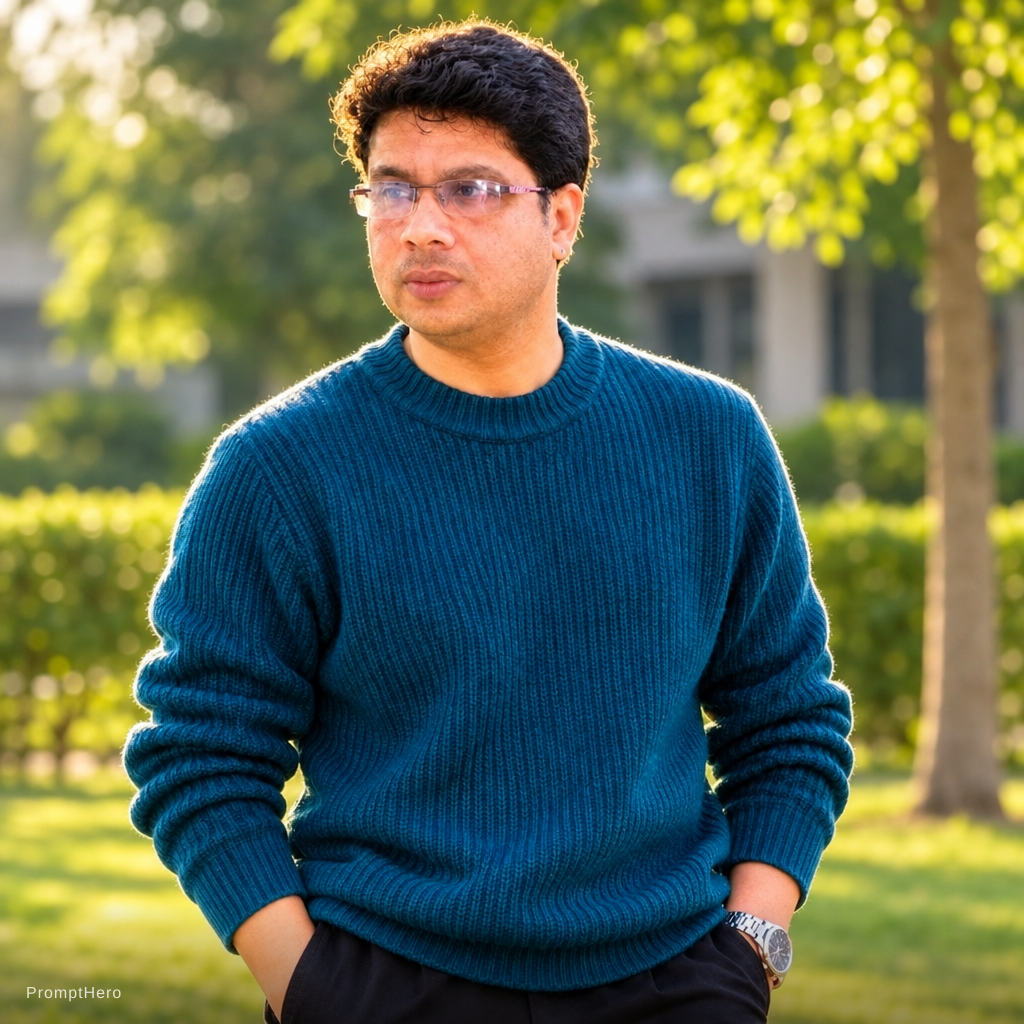
Take the face and natural body proportions from t... 未指定 1.0
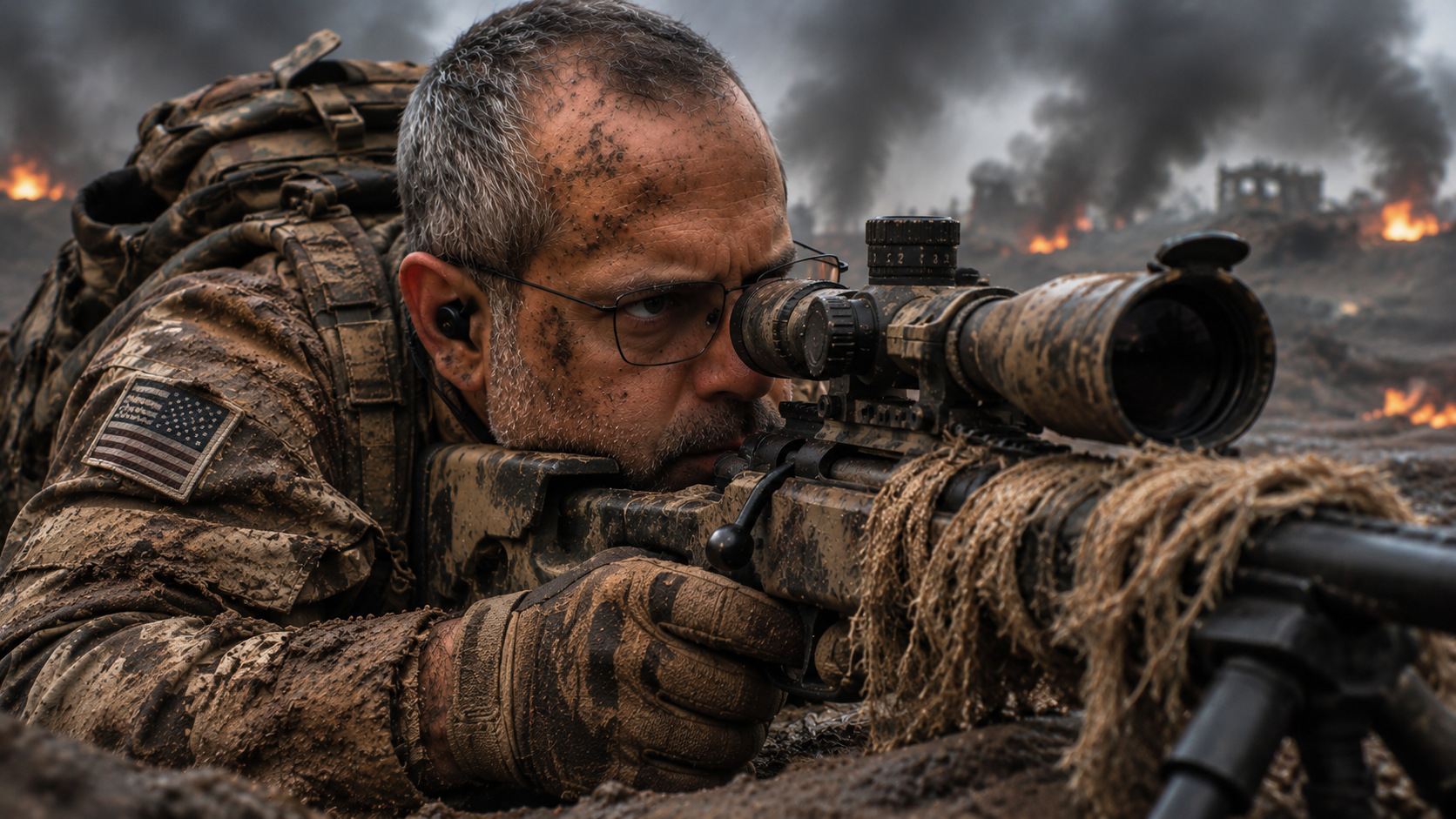
Using the attached image, to recreate a scene feat... 未指定 未指定
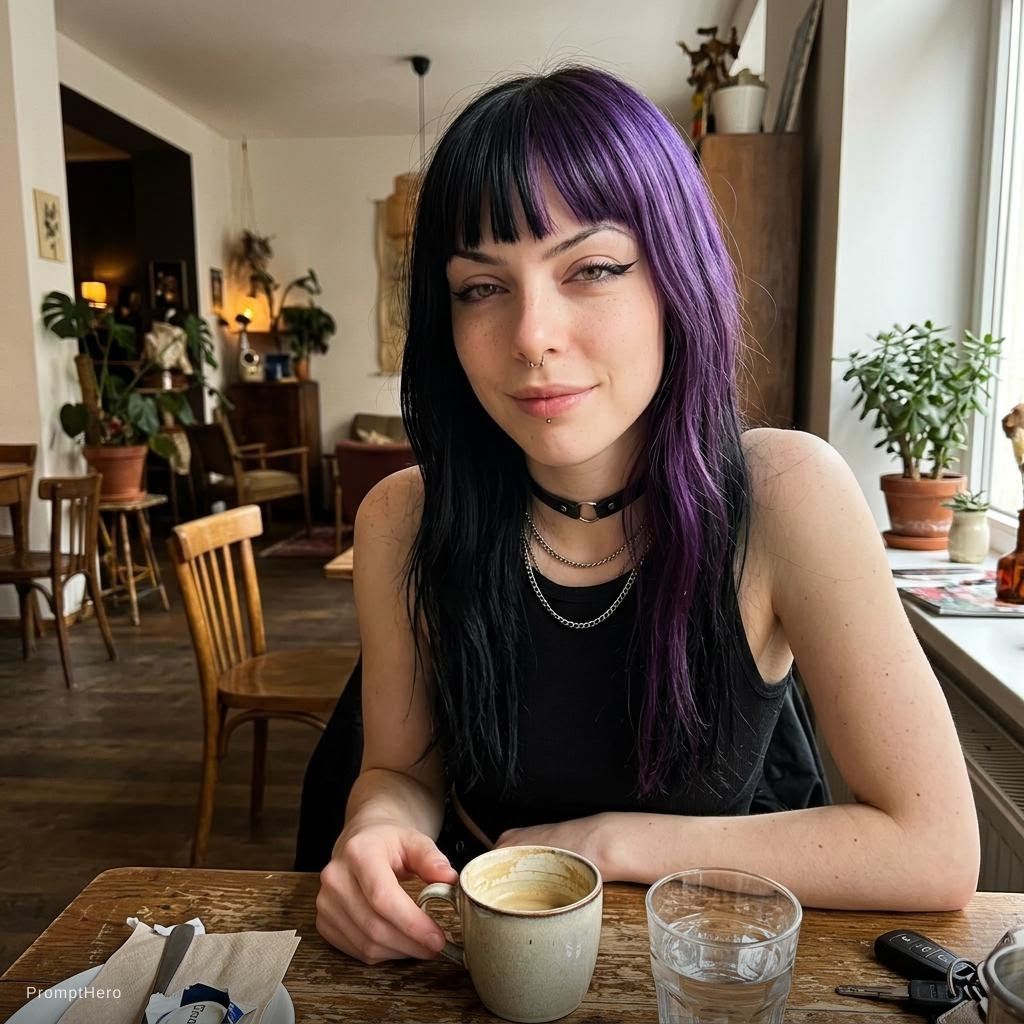
Hero prompt: furniture, softly blurred.

UGC iPhone aesthetic, ... 未指定 1.0
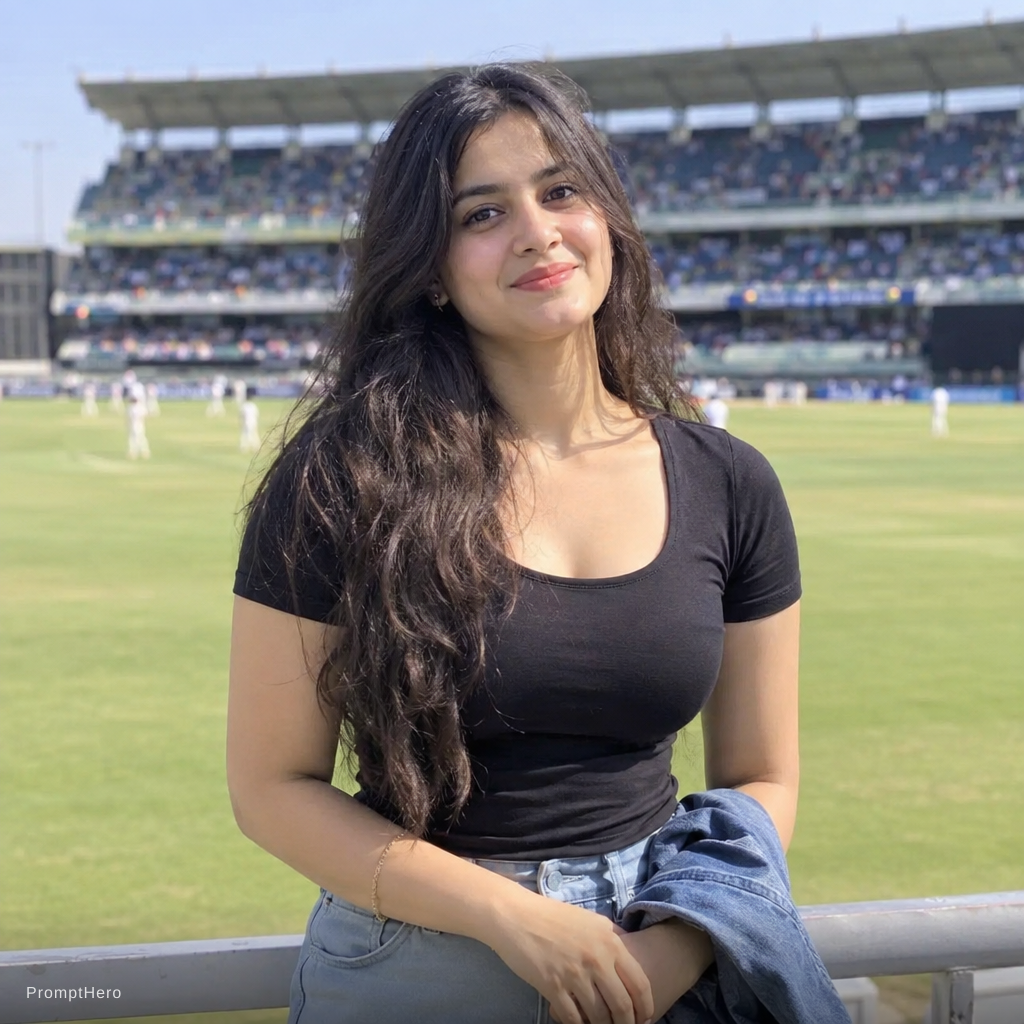
ChatGPT Image prompt: Change background with cricket stadium 未指定 gpt-image-2.6-flare
ChatGPT Image prompt: Make this photo as 3D viewing 未指定 gpt-image-2.6-flare
ChatGPT Image prompt: logo book keeping 未指定 v1

翻译: Run this prompt with the API

翻译: The request below sends this prompt, with its default values filled in, to the first model it runs on. Swap the model name for any other model listed above.

翻译: Prompt API docs
/api/v1/gpt_image_2/text_to_image
curl -X POST https://runapi.ai/api/v1/gpt_image_2/text_to_image \
  -H "Authorization: Bearer $RUNAPI_API_KEY" \
  -H "Content-Type: application/json" \
  --data-binary @- <<'JSON'
{
  "model": "gpt-image-2",
  "prompt": "Please transform each of my uploaded photos into a separate high-end minimalist design poster. Do not combine multiple images; output each photo individually.\nUse an overall 3:4 vertical composition. The upper and lower sections must have strictly equal heights (1:1 ratio), each occupying 50% of the canvas.\n\nUpper Section: Retain the original photo. Preserve the main subject's structure, realistic texture, natural lighting, and original color atmosphere. Apply only slight high-end color grading to give it an artistic photography and exhibition visual quality. To fit the aspect ratio, you may naturally extend the environmental background, but do not stretch, distort, or alter the subject.\n\nLower Section: Extract the most recognizable contours, structures, spatial relationships, and narrative features of the subject from the photo. Reconstruct them into a miniature scene in the style of layered paper cut art / 3D papercraft diorama / architectural relief. Do not copy photo details; instead, retain the core visual symbols and re-express them through multi-layered paper pieces, cut contours, hollow structures, and spatial layering, making the subject look like a paper art installation in a modern design exhibition.\n\nUse concise structures, precise edges, multi-layered facets, and slight spatial shadows to establish depth. Do not aim for realistic 3D rendering; instead, present a lightweight texture combining paper, architectural models, and art installations. Keep the subject as a single visual center with large areas of negative space and a restrained, balanced composition.\n\nColor Palette: Extract the brightest, most vivid, and most lively colors from the upper photo to re-modulate the palette, rather than taking an average. Increase overall brightness and color purity. Use clear sky blues, lake teals, tender greens, warm yellows, coral oranges, peach pinks, and other bright hues derived naturally from the original image. Use ivory white and warm beige as the primary spatial backgrounds, creating a healing feeling through fresh cool-warm contrasts. Main colors should be vibrant but not glaring; use local touches of warm orange, gold, or pink as accent colors. Avoid gray/dirty tones, aged looks, low-saturation Morandi palettes, dark brown filters, fluorescent colors, or cheap candy-like feelings.\n\nTypography: Minimal text intervention. Freely generate short titles, numbers, or micro-annotations based on the subject, location, mood, or cultural meaning. Use delicate, restrained modern fonts with an architectural editorial feel, resembling information labels in art exhibition tags or high-end brand visuals, blending naturally with the negative space.\n\nOverall Style: Reference international design studios, architectural posters, art exhibition visuals, and high-end brand visual systems. Present paper sculpture spaces, modern Oriental aesthetics, transparent colors, large negative spaces, and a premium craft feel. Avoid realistic CG, plastic textures, childish handicraft looks, complex backgrounds, or templated effects."
}
JSON

翻译: Try a prompt