---
title: Macro Diorama Historical Rivalry (Science Wars) — nano-banana-pro Prompt | RunAPI | RunAPI
description: Copy this RunAPI prompt, view agent setup steps, and use API code for nano-banana-pro.
url: https://runapi.ai/prompts/prm_pexzREbkyNPQuZ2X8dMo5lZn.md
canonical: https://runapi.ai/prompts/prm_pexzREbkyNPQuZ2X8dMo5lZn
locale: en
site: RunAPI
image: https://runapi.ai/assets/opengraph-bfaaa0f0.png
prompt_id: 42165
model: nano-banana-pro
modality: image
endpoint: "/api/v1/nano_banana/text_to_image"
---
> HTML version: https://runapi.ai/prompts/prm_pexzREbkyNPQuZ2X8dMo5lZn
> Site index for agents: https://runapi.ai/llms.txt
# Macro Diorama Historical Rivalry (Science Wars)
Copy this RunAPI prompt, view agent setup steps, and use API code for nano-banana-pro.
**Prompts** · Image
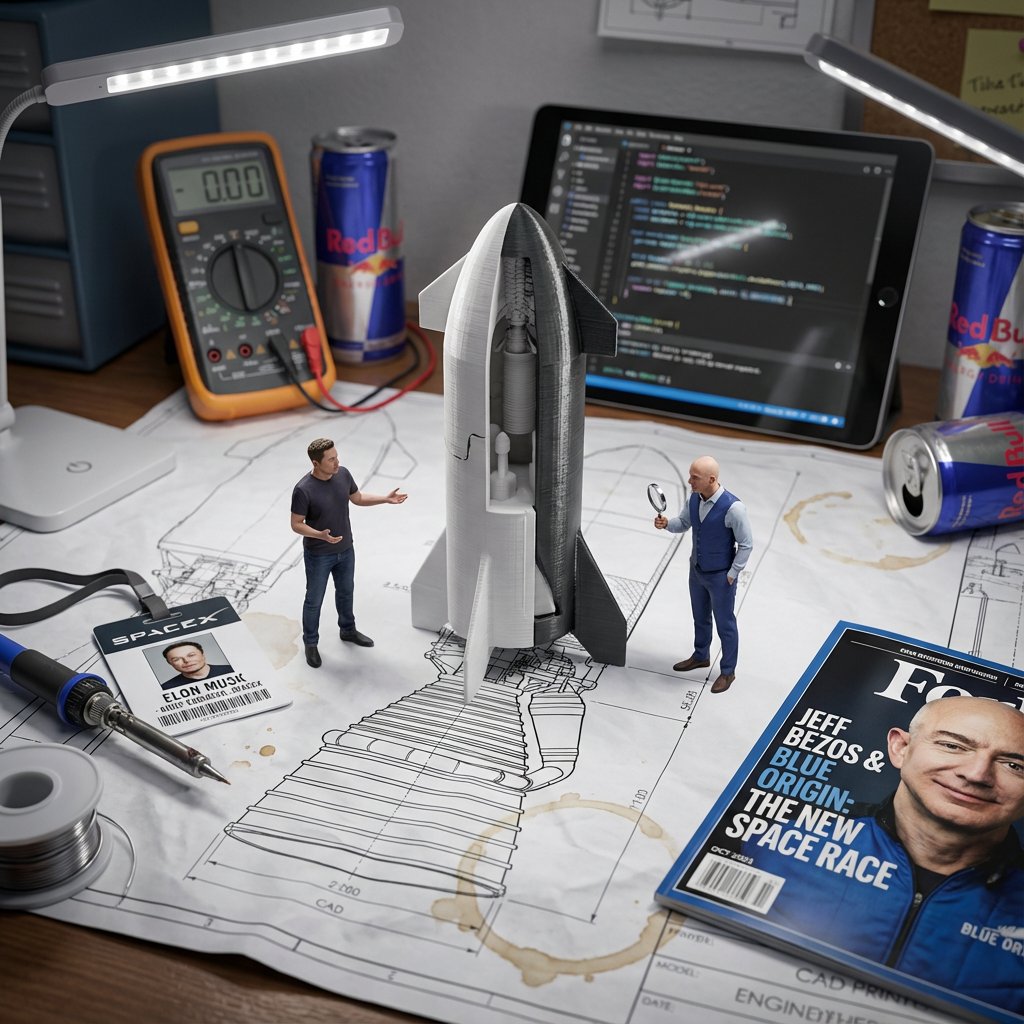
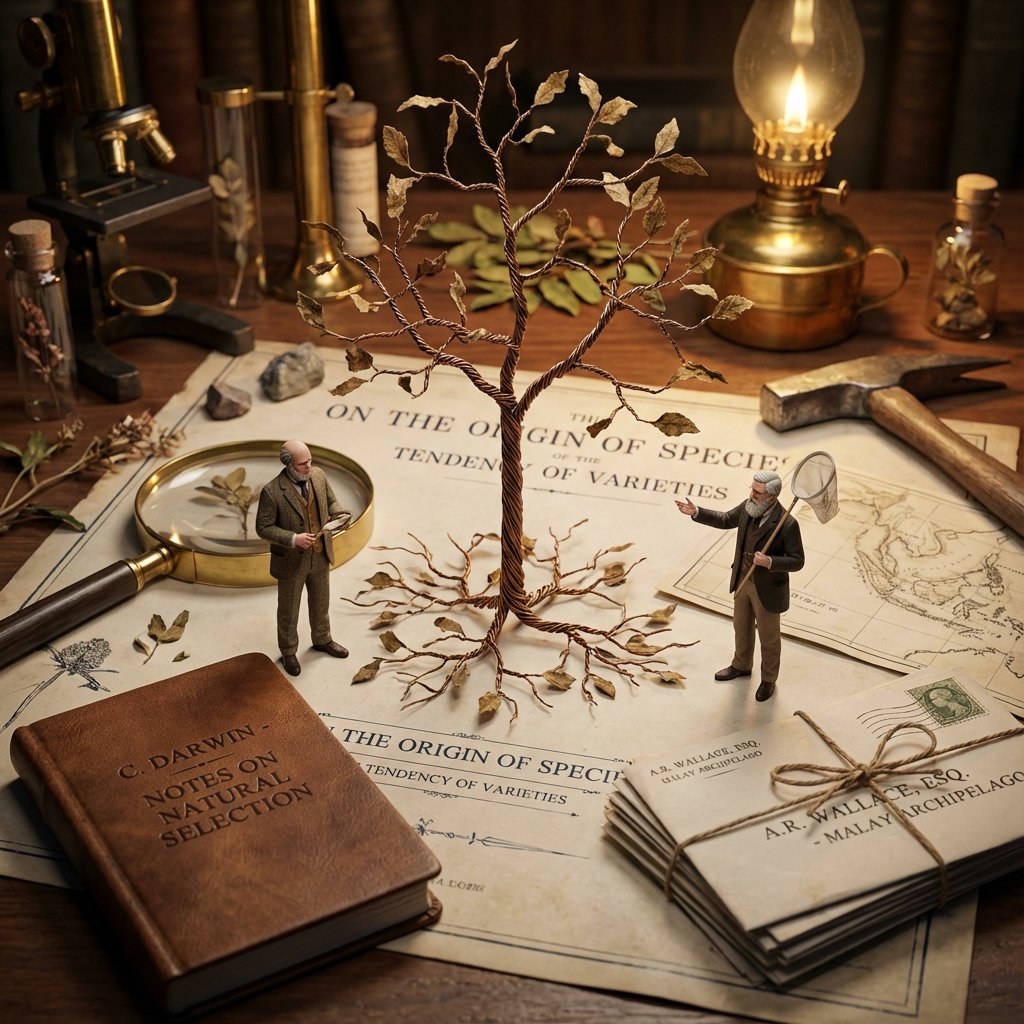
## Example images

## Prompt
```text
Input: Invention/Rivalry = [User Choice]
Phase 1: Chronological Profiling
Ancient (Pre-500 AD): Stone/Papyrus, Oil Lamps. Labeling = Carved symbols or scroll signatures.
Renaissance (1400-1600): Parchment, Candlelight. Labeling = Wax seals, hand-lettered envelopes, book spines.
Industrial (1800-1940): Blueprints, Gaslight. Labeling = Typed Patent headers, Business Cards, Newspaper Headlines.
Modern (1950-Present): Circuit diagrams, Neon. Labeling = ID Badges, Magazine covers, Computer login screens.
Phase 2:
Goal: A hyper-detailed Macro Diorama where the environment identifies the rivals.
1. The Stage (The Document):
The ground is the primary design medium of the era (Clay Tablet, Parchment, Blueprint, or CAD Printout).
The Invention:A 3D Prototype is rising from the center, separating the two figures.
2. The Living Miniatures: Two tiny, hyper-realistic figurines (The Rivals) interact with the invention.
They are dressed strictly in period-accurate clothing.
3. The Identity Anchors (CRITICAL - Labeling):
Instruction: You must seamlessly integrate readable text into the "Giant" props near each figure to identify them to the viewer.
Prop A (Near Rival 1): Place a "Giant" personal item with their name visible. (e.g., A letter addressed to "Mr. T. Edison", a book titled "By C. Darwin", or a security badge reading "S. Jobs").
Prop B (Near Rival 2):Do the same for the second figure. (e.g., A Patent application signed "Nikola Tesla", or a court summons for "Mark Zuckerberg").
Context: These items must look like they were carelessly left on the desk, not floating labels.
4. The "Giant" Atmosphere:
The Tools: Giant-scale era-appropriate tools (Chisels, Quills, Soldering Irons) tower over the figures.
The Clutter: Period-specific debris (Marble dust, Ink spills, Burnt fuses, Empty soda cans).
5. Technical Specs:
Lighting: Era-appropriate source (Fire vs. Filament vs. LED).
Perspective:Tilt-shift macro photography (45-degree angle). focus on the miniatures.
Output: ONE image, 4:5 aspect ratio, photorealistic historical macro photography with legible environmental text.
```
### Generate this prompt
| Model | Nano Banana pro |
|---|---|
| Estimated cost | $0.11 / call |
| Endpoint | `/api/v1/nano_banana/text_to_image` |
[Sign in to generate](https://runapi.ai/login)
Your generated image will appear here
## Prompt Breakdown
### Subject
Macro Diorama Historical Rivalry (Science Wars)
### Atmosphere
historical / Image
### Technical
nano-banana-pro / Nano Banana / Text To Image / /api/v1/nano_banana/text_to_image
### Style
diorama, figurines, historical, invention, macro, photorealistic, rivalry, tilt-shift
## Models That Support This Prompt
| Modality | Model | Price | Try |
|---|---|---|---|
| Image | Qwen 2/qwen-2-text-to-image | $0.04 / image | [Try](https://runapi.ai/models/qwen-2/text-to-image.md) |
| Image | Qwen 3/qwen-3-pro-text-to-image | $0.04-$0.08 / image | [Try](https://runapi.ai/models/qwen-3/pro-text-to-image.md) |
| Image | Qwen 3/qwen-3-text-to-image | $0.03 / image | [Try](https://runapi.ai/models/qwen-3/text-to-image.md) |
| Image | Qwen Image/qwen-image-text-to-image | $0.03 / image | [Try](https://runapi.ai/models/qwen-image/text-to-image.md) |
| Image | Wan/wan-2.7-image | $0.03 / image | [Try](https://runapi.ai/models/wan/2.7-image.md) |
## RUN DETAILS
| Field | Value |
|---|---|
| Model | `nano-banana-pro` |
| Modality | Image |
| Category | historical |
| Tags | diorama, figurines, historical, invention, macro, photorealistic, rivalry, tilt-shift |
## Use with an agent
### Claude Code
1. claude mcp add runapi -s user -- npx -y @runapi.ai/mcp
2. Restart Claude Code
3. Paste this prompt: Generate an image: "
Input: Invention/Rivalry = [User Choice]
Phase 1: Chronological Profiling
Ancient (Pre-500 AD): Stone/Papyrus, Oil Lamps. Labeling = Carved symbols or scroll signatures.
Renaissance (1400-1600): Parchment, Candlelight. Labeling = Wax seals, hand-lettered envelopes, book spines.
Industrial (1800-1940): Blueprints, Gaslight. Labeling = Typed Patent headers, Business Cards, Newspaper Headlines.
Modern (1950-Present): Circuit diagrams, Neon. Labeling = ID Badges, Magazine covers, Computer login screens.
Phase 2:
Goal: A hyper-detailed Macro Diorama where the environment identifies the rivals.
1. The Stage (The Document):
The ground is the primary design medium of the era (Clay Tablet, Parchment, Blueprint, or CAD Printout).
The Invention:A 3D Prototype is rising from the center, separating the two figures.
2. The Living Miniatures: Two tiny, hyper-realistic figurines (The Rivals) interact with the invention.
They are dressed strictly in period-accurate clothing.
3. The Identity Anchors (CRITICAL - Labeling):
Instruction: You must seamlessly integrate readable text into the "Giant" props near each figure to identify them to the viewer.
Prop A (Near Rival 1): Place a "Giant" personal item with their name visible. (e.g., A letter addressed to "Mr. T. Edison", a book titled "By C. Darwin", or a security badge reading "S. Jobs").
Prop B (Near Rival 2):Do the same for the second figure. (e.g., A Patent application signed "Nikola Tesla", or a court summons for "Mark Zuckerberg").
Context: These items must look like they were carelessly left on the desk, not floating labels.
4. The "Giant" Atmosphere:
The Tools: Giant-scale era-appropriate tools (Chisels, Quills, Soldering Irons) tower over the figures.
The Clutter: Period-specific debris (Marble dust, Ink spills, Burnt fuses, Empty soda cans).
5. Technical Specs:
Lighting: Era-appropriate source (Fire vs. Filament vs. LED).
Perspective:Tilt-shift macro photography (45-degree angle). focus on the miniatures.
Output: ONE image, 4:5 aspect ratio, photorealistic historical macro photography with legible environmental text. "
### Codex
1. codex plugin install runapi-mcp@agents
2. Restart Codex
3. Paste this prompt: Generate an image: "
Input: Invention/Rivalry = [User Choice]
Phase 1: Chronological Profiling
Ancient (Pre-500 AD): Stone/Papyrus, Oil Lamps. Labeling = Carved symbols or scroll signatures.
Renaissance (1400-1600): Parchment, Candlelight. Labeling = Wax seals, hand-lettered envelopes, book spines.
Industrial (1800-1940): Blueprints, Gaslight. Labeling = Typed Patent headers, Business Cards, Newspaper Headlines.
Modern (1950-Present): Circuit diagrams, Neon. Labeling = ID Badges, Magazine covers, Computer login screens.
Phase 2:
Goal: A hyper-detailed Macro Diorama where the environment identifies the rivals.
1. The Stage (The Document):
The ground is the primary design medium of the era (Clay Tablet, Parchment, Blueprint, or CAD Printout).
The Invention:A 3D Prototype is rising from the center, separating the two figures.
2. The Living Miniatures: Two tiny, hyper-realistic figurines (The Rivals) interact with the invention.
They are dressed strictly in period-accurate clothing.
3. The Identity Anchors (CRITICAL - Labeling):
Instruction: You must seamlessly integrate readable text into the "Giant" props near each figure to identify them to the viewer.
Prop A (Near Rival 1): Place a "Giant" personal item with their name visible. (e.g., A letter addressed to "Mr. T. Edison", a book titled "By C. Darwin", or a security badge reading "S. Jobs").
Prop B (Near Rival 2):Do the same for the second figure. (e.g., A Patent application signed "Nikola Tesla", or a court summons for "Mark Zuckerberg").
Context: These items must look like they were carelessly left on the desk, not floating labels.
4. The "Giant" Atmosphere:
The Tools: Giant-scale era-appropriate tools (Chisels, Quills, Soldering Irons) tower over the figures.
The Clutter: Period-specific debris (Marble dust, Ink spills, Burnt fuses, Empty soda cans).
5. Technical Specs:
Lighting: Era-appropriate source (Fire vs. Filament vs. LED).
Perspective:Tilt-shift macro photography (45-degree angle). focus on the miniatures.
Output: ONE image, 4:5 aspect ratio, photorealistic historical macro photography with legible environmental text. "
### Cursor
1. npx @runapi.ai/mcp init cursor
2. Restart Cursor
3. Paste this prompt: Generate an image: "
Input: Invention/Rivalry = [User Choice]
Phase 1: Chronological Profiling
Ancient (Pre-500 AD): Stone/Papyrus, Oil Lamps. Labeling = Carved symbols or scroll signatures.
Renaissance (1400-1600): Parchment, Candlelight. Labeling = Wax seals, hand-lettered envelopes, book spines.
Industrial (1800-1940): Blueprints, Gaslight. Labeling = Typed Patent headers, Business Cards, Newspaper Headlines.
Modern (1950-Present): Circuit diagrams, Neon. Labeling = ID Badges, Magazine covers, Computer login screens.
Phase 2:
Goal: A hyper-detailed Macro Diorama where the environment identifies the rivals.
1. The Stage (The Document):
The ground is the primary design medium of the era (Clay Tablet, Parchment, Blueprint, or CAD Printout).
The Invention:A 3D Prototype is rising from the center, separating the two figures.
2. The Living Miniatures: Two tiny, hyper-realistic figurines (The Rivals) interact with the invention.
They are dressed strictly in period-accurate clothing.
3. The Identity Anchors (CRITICAL - Labeling):
Instruction: You must seamlessly integrate readable text into the "Giant" props near each figure to identify them to the viewer.
Prop A (Near Rival 1): Place a "Giant" personal item with their name visible. (e.g., A letter addressed to "Mr. T. Edison", a book titled "By C. Darwin", or a security badge reading "S. Jobs").
Prop B (Near Rival 2):Do the same for the second figure. (e.g., A Patent application signed "Nikola Tesla", or a court summons for "Mark Zuckerberg").
Context: These items must look like they were carelessly left on the desk, not floating labels.
4. The "Giant" Atmosphere:
The Tools: Giant-scale era-appropriate tools (Chisels, Quills, Soldering Irons) tower over the figures.
The Clutter: Period-specific debris (Marble dust, Ink spills, Burnt fuses, Empty soda cans).
5. Technical Specs:
Lighting: Era-appropriate source (Fire vs. Filament vs. LED).
Perspective:Tilt-shift macro photography (45-degree angle). focus on the miniatures.
Output: ONE image, 4:5 aspect ratio, photorealistic historical macro photography with legible environmental text. "
### Windsurf
1. npx @runapi.ai/mcp init windsurf
2. Restart Windsurf
3. Paste this prompt: Generate an image: "
Input: Invention/Rivalry = [User Choice]
Phase 1: Chronological Profiling
Ancient (Pre-500 AD): Stone/Papyrus, Oil Lamps. Labeling = Carved symbols or scroll signatures.
Renaissance (1400-1600): Parchment, Candlelight. Labeling = Wax seals, hand-lettered envelopes, book spines.
Industrial (1800-1940): Blueprints, Gaslight. Labeling = Typed Patent headers, Business Cards, Newspaper Headlines.
Modern (1950-Present): Circuit diagrams, Neon. Labeling = ID Badges, Magazine covers, Computer login screens.
Phase 2:
Goal: A hyper-detailed Macro Diorama where the environment identifies the rivals.
1. The Stage (The Document):
The ground is the primary design medium of the era (Clay Tablet, Parchment, Blueprint, or CAD Printout).
The Invention:A 3D Prototype is rising from the center, separating the two figures.
2. The Living Miniatures: Two tiny, hyper-realistic figurines (The Rivals) interact with the invention.
They are dressed strictly in period-accurate clothing.
3. The Identity Anchors (CRITICAL - Labeling):
Instruction: You must seamlessly integrate readable text into the "Giant" props near each figure to identify them to the viewer.
Prop A (Near Rival 1): Place a "Giant" personal item with their name visible. (e.g., A letter addressed to "Mr. T. Edison", a book titled "By C. Darwin", or a security badge reading "S. Jobs").
Prop B (Near Rival 2):Do the same for the second figure. (e.g., A Patent application signed "Nikola Tesla", or a court summons for "Mark Zuckerberg").
Context: These items must look like they were carelessly left on the desk, not floating labels.
4. The "Giant" Atmosphere:
The Tools: Giant-scale era-appropriate tools (Chisels, Quills, Soldering Irons) tower over the figures.
The Clutter: Period-specific debris (Marble dust, Ink spills, Burnt fuses, Empty soda cans).
5. Technical Specs:
Lighting: Era-appropriate source (Fire vs. Filament vs. LED).
Perspective:Tilt-shift macro photography (45-degree angle). focus on the miniatures.
Output: ONE image, 4:5 aspect ratio, photorealistic historical macro photography with legible environmental text. "
## Generate via API
### curl
```curl
curl -X POST https://runapi.ai/api/v1/nano_banana/text_to_image \
-H "Authorization: Bearer $RUNAPI_API_KEY" \
-H "Content-Type: application/json" \
--data-binary @- <<'JSON'
{
"model": "nano-banana-pro",
"prompt": " \nInput: Invention/Rivalry = [User Choice]\n\nPhase 1: Chronological Profiling\nAncient (Pre-500 AD): Stone/Papyrus, Oil Lamps. Labeling = Carved symbols or scroll signatures.\nRenaissance (1400-1600): Parchment, Candlelight. Labeling = Wax seals, hand-lettered envelopes, book spines.\nIndustrial (1800-1940): Blueprints, Gaslight. Labeling = Typed Patent headers, Business Cards, Newspaper Headlines.\nModern (1950-Present): Circuit diagrams, Neon. Labeling = ID Badges, Magazine covers, Computer login screens.\n\nPhase 2:\nGoal: A hyper-detailed Macro Diorama where the environment identifies the rivals.\n\n1. The Stage (The Document):\n The ground is the primary design medium of the era (Clay Tablet, Parchment, Blueprint, or CAD Printout).\nThe Invention:A 3D Prototype is rising from the center, separating the two figures.\n\n2. The Living Miniatures: Two tiny, hyper-realistic figurines (The Rivals) interact with the invention.\n They are dressed strictly in period-accurate clothing.\n\n3. The Identity Anchors (CRITICAL - Labeling):\nInstruction: You must seamlessly integrate readable text into the \"Giant\" props near each figure to identify them to the viewer.\nProp A (Near Rival 1): Place a \"Giant\" personal item with their name visible. (e.g., A letter addressed to \"Mr. T. Edison\", a book titled \"By C. Darwin\", or a security badge reading \"S. Jobs\").\nProp B (Near Rival 2):Do the same for the second figure. (e.g., A Patent application signed \"Nikola Tesla\", or a court summons for \"Mark Zuckerberg\").\nContext: These items must look like they were carelessly left on the desk, not floating labels.\n\n4. The \"Giant\" Atmosphere:\nThe Tools: Giant-scale era-appropriate tools (Chisels, Quills, Soldering Irons) tower over the figures.\nThe Clutter: Period-specific debris (Marble dust, Ink spills, Burnt fuses, Empty soda cans).\n\n5. Technical Specs:\nLighting: Era-appropriate source (Fire vs. Filament vs. LED).\nPerspective:Tilt-shift macro photography (45-degree angle). focus on the miniatures.\n\nOutput: ONE image, 4:5 aspect ratio, photorealistic historical macro photography with legible environmental text. "
}
JSON
```
### Node.js
```javascript
import { NanoBananaClient } from "@runapi.ai/nano-banana";
const client = new NanoBananaClient({
apiKey: process.env.RUNAPI_API_KEY,
});
const result = await client.textToImage.run({
"model": "nano-banana-pro",
"prompt": " \nInput: Invention/Rivalry = [User Choice]\n\nPhase 1: Chronological Profiling\nAncient (Pre-500 AD): Stone/Papyrus, Oil Lamps. Labeling = Carved symbols or scroll signatures.\nRenaissance (1400-1600): Parchment, Candlelight. Labeling = Wax seals, hand-lettered envelopes, book spines.\nIndustrial (1800-1940): Blueprints, Gaslight. Labeling = Typed Patent headers, Business Cards, Newspaper Headlines.\nModern (1950-Present): Circuit diagrams, Neon. Labeling = ID Badges, Magazine covers, Computer login screens.\n\nPhase 2:\nGoal: A hyper-detailed Macro Diorama where the environment identifies the rivals.\n\n1. The Stage (The Document):\n The ground is the primary design medium of the era (Clay Tablet, Parchment, Blueprint, or CAD Printout).\nThe Invention:A 3D Prototype is rising from the center, separating the two figures.\n\n2. The Living Miniatures: Two tiny, hyper-realistic figurines (The Rivals) interact with the invention.\n They are dressed strictly in period-accurate clothing.\n\n3. The Identity Anchors (CRITICAL - Labeling):\nInstruction: You must seamlessly integrate readable text into the \"Giant\" props near each figure to identify them to the viewer.\nProp A (Near Rival 1): Place a \"Giant\" personal item with their name visible. (e.g., A letter addressed to \"Mr. T. Edison\", a book titled \"By C. Darwin\", or a security badge reading \"S. Jobs\").\nProp B (Near Rival 2):Do the same for the second figure. (e.g., A Patent application signed \"Nikola Tesla\", or a court summons for \"Mark Zuckerberg\").\nContext: These items must look like they were carelessly left on the desk, not floating labels.\n\n4. The \"Giant\" Atmosphere:\nThe Tools: Giant-scale era-appropriate tools (Chisels, Quills, Soldering Irons) tower over the figures.\nThe Clutter: Period-specific debris (Marble dust, Ink spills, Burnt fuses, Empty soda cans).\n\n5. Technical Specs:\nLighting: Era-appropriate source (Fire vs. Filament vs. LED).\nPerspective:Tilt-shift macro photography (45-degree angle). focus on the miniatures.\n\nOutput: ONE image, 4:5 aspect ratio, photorealistic historical macro photography with legible environmental text. "
});
console.log(result.id);
```
### Python
```python
import json
import os
import requests
response = requests.post(
"https://runapi.ai/api/v1/nano_banana/text_to_image",
headers={"Authorization": f"Bearer {os.environ['RUNAPI_API_KEY']}"},
json=json.loads("{\n \"model\": \"nano-banana-pro\",\n \"prompt\": \"\u003cinstructions\u003e \\nInput: Invention/Rivalry = [User Choice]\\n\\nPhase 1: Chronological Profiling\\nAncient (Pre-500 AD): Stone/Papyrus, Oil Lamps. Labeling = Carved symbols or scroll signatures.\\nRenaissance (1400-1600): Parchment, Candlelight. Labeling = Wax seals, hand-lettered envelopes, book spines.\\nIndustrial (1800-1940): Blueprints, Gaslight. Labeling = Typed Patent headers, Business Cards, Newspaper Headlines.\\nModern (1950-Present): Circuit diagrams, Neon. Labeling = ID Badges, Magazine covers, Computer login screens.\\n\\nPhase 2:\\nGoal: A hyper-detailed Macro Diorama where the environment identifies the rivals.\\n\\n1. The Stage (The Document):\\n The ground is the primary design medium of the era (Clay Tablet, Parchment, Blueprint, or CAD Printout).\\nThe Invention:A 3D Prototype is rising from the center, separating the two figures.\\n\\n2. The Living Miniatures: Two tiny, hyper-realistic figurines (The Rivals) interact with the invention.\\n They are dressed strictly in period-accurate clothing.\\n\\n3. The Identity Anchors (CRITICAL - Labeling):\\nInstruction: You must seamlessly integrate readable text into the \\\"Giant\\\" props near each figure to identify them to the viewer.\\nProp A (Near Rival 1): Place a \\\"Giant\\\" personal item with their name visible. (e.g., A letter addressed to \\\"Mr. T. Edison\\\", a book titled \\\"By C. Darwin\\\", or a security badge reading \\\"S. Jobs\\\").\\nProp B (Near Rival 2):Do the same for the second figure. (e.g., A Patent application signed \\\"Nikola Tesla\\\", or a court summons for \\\"Mark Zuckerberg\\\").\\nContext: These items must look like they were carelessly left on the desk, not floating labels.\\n\\n4. The \\\"Giant\\\" Atmosphere:\\nThe Tools: Giant-scale era-appropriate tools (Chisels, Quills, Soldering Irons) tower over the figures.\\nThe Clutter: Period-specific debris (Marble dust, Ink spills, Burnt fuses, Empty soda cans).\\n\\n5. Technical Specs:\\nLighting: Era-appropriate source (Fire vs. Filament vs. LED).\\nPerspective:Tilt-shift macro photography (45-degree angle). focus on the miniatures.\\n\\nOutput: ONE image, 4:5 aspect ratio, photorealistic historical macro photography with legible environmental text. \u003c/instructions\u003e\"\n}")
)
response.raise_for_status()
print(response.json()["id"])
```
### PHP
```php
true,
CURLOPT_HTTPHEADER => [
"Authorization: Bearer " . getenv("RUNAPI_API_KEY"),
"Content-Type: application/json",
],
CURLOPT_POSTFIELDS => "{\n \"model\": \"nano-banana-pro\",\n \"prompt\": \"\u003cinstructions\u003e \\nInput: Invention/Rivalry = [User Choice]\\n\\nPhase 1: Chronological Profiling\\nAncient (Pre-500 AD): Stone/Papyrus, Oil Lamps. Labeling = Carved symbols or scroll signatures.\\nRenaissance (1400-1600): Parchment, Candlelight. Labeling = Wax seals, hand-lettered envelopes, book spines.\\nIndustrial (1800-1940): Blueprints, Gaslight. Labeling = Typed Patent headers, Business Cards, Newspaper Headlines.\\nModern (1950-Present): Circuit diagrams, Neon. Labeling = ID Badges, Magazine covers, Computer login screens.\\n\\nPhase 2:\\nGoal: A hyper-detailed Macro Diorama where the environment identifies the rivals.\\n\\n1. The Stage (The Document):\\n The ground is the primary design medium of the era (Clay Tablet, Parchment, Blueprint, or CAD Printout).\\nThe Invention:A 3D Prototype is rising from the center, separating the two figures.\\n\\n2. The Living Miniatures: Two tiny, hyper-realistic figurines (The Rivals) interact with the invention.\\n They are dressed strictly in period-accurate clothing.\\n\\n3. The Identity Anchors (CRITICAL - Labeling):\\nInstruction: You must seamlessly integrate readable text into the \\\"Giant\\\" props near each figure to identify them to the viewer.\\nProp A (Near Rival 1): Place a \\\"Giant\\\" personal item with their name visible. (e.g., A letter addressed to \\\"Mr. T. Edison\\\", a book titled \\\"By C. Darwin\\\", or a security badge reading \\\"S. Jobs\\\").\\nProp B (Near Rival 2):Do the same for the second figure. (e.g., A Patent application signed \\\"Nikola Tesla\\\", or a court summons for \\\"Mark Zuckerberg\\\").\\nContext: These items must look like they were carelessly left on the desk, not floating labels.\\n\\n4. The \\\"Giant\\\" Atmosphere:\\nThe Tools: Giant-scale era-appropriate tools (Chisels, Quills, Soldering Irons) tower over the figures.\\nThe Clutter: Period-specific debris (Marble dust, Ink spills, Burnt fuses, Empty soda cans).\\n\\n5. Technical Specs:\\nLighting: Era-appropriate source (Fire vs. Filament vs. LED).\\nPerspective:Tilt-shift macro photography (45-degree angle). focus on the miniatures.\\n\\nOutput: ONE image, 4:5 aspect ratio, photorealistic historical macro photography with legible environmental text. \u003c/instructions\u003e\"\n}",
CURLOPT_RETURNTRANSFER => true,
]);
$response = json_decode(curl_exec($ch), true);
curl_close($ch);
echo $response["id"] . PHP_EOL;
```
### Java
```java
import java.net.URI;
import java.net.http.HttpClient;
import java.net.http.HttpRequest;
import java.net.http.HttpResponse;
var request = HttpRequest.newBuilder(URI.create("https://runapi.ai/api/v1/nano_banana/text_to_image"))
.header("Authorization", "Bearer " + System.getenv("RUNAPI_API_KEY"))
.header("Content-Type", "application/json")
.POST(HttpRequest.BodyPublishers.ofString("{\n \"model\": \"nano-banana-pro\",\n \"prompt\": \"\u003cinstructions\u003e \\nInput: Invention/Rivalry = [User Choice]\\n\\nPhase 1: Chronological Profiling\\nAncient (Pre-500 AD): Stone/Papyrus, Oil Lamps. Labeling = Carved symbols or scroll signatures.\\nRenaissance (1400-1600): Parchment, Candlelight. Labeling = Wax seals, hand-lettered envelopes, book spines.\\nIndustrial (1800-1940): Blueprints, Gaslight. Labeling = Typed Patent headers, Business Cards, Newspaper Headlines.\\nModern (1950-Present): Circuit diagrams, Neon. Labeling = ID Badges, Magazine covers, Computer login screens.\\n\\nPhase 2:\\nGoal: A hyper-detailed Macro Diorama where the environment identifies the rivals.\\n\\n1. The Stage (The Document):\\n The ground is the primary design medium of the era (Clay Tablet, Parchment, Blueprint, or CAD Printout).\\nThe Invention:A 3D Prototype is rising from the center, separating the two figures.\\n\\n2. The Living Miniatures: Two tiny, hyper-realistic figurines (The Rivals) interact with the invention.\\n They are dressed strictly in period-accurate clothing.\\n\\n3. The Identity Anchors (CRITICAL - Labeling):\\nInstruction: You must seamlessly integrate readable text into the \\\"Giant\\\" props near each figure to identify them to the viewer.\\nProp A (Near Rival 1): Place a \\\"Giant\\\" personal item with their name visible. (e.g., A letter addressed to \\\"Mr. T. Edison\\\", a book titled \\\"By C. Darwin\\\", or a security badge reading \\\"S. Jobs\\\").\\nProp B (Near Rival 2):Do the same for the second figure. (e.g., A Patent application signed \\\"Nikola Tesla\\\", or a court summons for \\\"Mark Zuckerberg\\\").\\nContext: These items must look like they were carelessly left on the desk, not floating labels.\\n\\n4. The \\\"Giant\\\" Atmosphere:\\nThe Tools: Giant-scale era-appropriate tools (Chisels, Quills, Soldering Irons) tower over the figures.\\nThe Clutter: Period-specific debris (Marble dust, Ink spills, Burnt fuses, Empty soda cans).\\n\\n5. Technical Specs:\\nLighting: Era-appropriate source (Fire vs. Filament vs. LED).\\nPerspective:Tilt-shift macro photography (45-degree angle). focus on the miniatures.\\n\\nOutput: ONE image, 4:5 aspect ratio, photorealistic historical macro photography with legible environmental text. \u003c/instructions\u003e\"\n}"))
.build();
var response = HttpClient.newHttpClient().send(request, HttpResponse.BodyHandlers.ofString());
System.out.println(response.body());
```
### Ruby
```ruby
require "json"
require "net/http"
uri = URI("https://runapi.ai/api/v1/nano_banana/text_to_image")
request = Net::HTTP::Post.new(uri)
request["Authorization"] = "Bearer " + ENV.fetch("RUNAPI_API_KEY")
request["Content-Type"] = "application/json"
request.body = "{\n \"model\": \"nano-banana-pro\",\n \"prompt\": \"\u003cinstructions\u003e \\nInput: Invention/Rivalry = [User Choice]\\n\\nPhase 1: Chronological Profiling\\nAncient (Pre-500 AD): Stone/Papyrus, Oil Lamps. Labeling = Carved symbols or scroll signatures.\\nRenaissance (1400-1600): Parchment, Candlelight. Labeling = Wax seals, hand-lettered envelopes, book spines.\\nIndustrial (1800-1940): Blueprints, Gaslight. Labeling = Typed Patent headers, Business Cards, Newspaper Headlines.\\nModern (1950-Present): Circuit diagrams, Neon. Labeling = ID Badges, Magazine covers, Computer login screens.\\n\\nPhase 2:\\nGoal: A hyper-detailed Macro Diorama where the environment identifies the rivals.\\n\\n1. The Stage (The Document):\\n The ground is the primary design medium of the era (Clay Tablet, Parchment, Blueprint, or CAD Printout).\\nThe Invention:A 3D Prototype is rising from the center, separating the two figures.\\n\\n2. The Living Miniatures: Two tiny, hyper-realistic figurines (The Rivals) interact with the invention.\\n They are dressed strictly in period-accurate clothing.\\n\\n3. The Identity Anchors (CRITICAL - Labeling):\\nInstruction: You must seamlessly integrate readable text into the \\\"Giant\\\" props near each figure to identify them to the viewer.\\nProp A (Near Rival 1): Place a \\\"Giant\\\" personal item with their name visible. (e.g., A letter addressed to \\\"Mr. T. Edison\\\", a book titled \\\"By C. Darwin\\\", or a security badge reading \\\"S. Jobs\\\").\\nProp B (Near Rival 2):Do the same for the second figure. (e.g., A Patent application signed \\\"Nikola Tesla\\\", or a court summons for \\\"Mark Zuckerberg\\\").\\nContext: These items must look like they were carelessly left on the desk, not floating labels.\\n\\n4. The \\\"Giant\\\" Atmosphere:\\nThe Tools: Giant-scale era-appropriate tools (Chisels, Quills, Soldering Irons) tower over the figures.\\nThe Clutter: Period-specific debris (Marble dust, Ink spills, Burnt fuses, Empty soda cans).\\n\\n5. Technical Specs:\\nLighting: Era-appropriate source (Fire vs. Filament vs. LED).\\nPerspective:Tilt-shift macro photography (45-degree angle). focus on the miniatures.\\n\\nOutput: ONE image, 4:5 aspect ratio, photorealistic historical macro photography with legible environmental text. \u003c/instructions\u003e\"\n}"
response = Net::HTTP.start(uri.hostname, uri.port, use_ssl: true) { |http| http.request(request) }
puts JSON.parse(response.body).fetch("id")
```
### Go
```go
package main
import (
"context"
"fmt"
"log"
"net/http"
"os"
"strings"
)
func main() {
body := strings.NewReader("{\"model\":\"nano-banana-pro\",\"prompt\":\" \\nInput: Invention/Rivalry = [User Choice]\\n\\nPhase 1: Chronological Profiling\\nAncient (Pre-500 AD): Stone/Papyrus, Oil Lamps. Labeling = Carved symbols or scroll signatures.\\nRenaissance (1400-1600): Parchment, Candlelight. Labeling = Wax seals, hand-lettered envelopes, book spines.\\nIndustrial (1800-1940): Blueprints, Gaslight. Labeling = Typed Patent headers, Business Cards, Newspaper Headlines.\\nModern (1950-Present): Circuit diagrams, Neon. Labeling = ID Badges, Magazine covers, Computer login screens.\\n\\nPhase 2:\\nGoal: A hyper-detailed Macro Diorama where the environment identifies the rivals.\\n\\n1. The Stage (The Document):\\n The ground is the primary design medium of the era (Clay Tablet, Parchment, Blueprint, or CAD Printout).\\nThe Invention:A 3D Prototype is rising from the center, separating the two figures.\\n\\n2. The Living Miniatures: Two tiny, hyper-realistic figurines (The Rivals) interact with the invention.\\n They are dressed strictly in period-accurate clothing.\\n\\n3. The Identity Anchors (CRITICAL - Labeling):\\nInstruction: You must seamlessly integrate readable text into the \\\"Giant\\\" props near each figure to identify them to the viewer.\\nProp A (Near Rival 1): Place a \\\"Giant\\\" personal item with their name visible. (e.g., A letter addressed to \\\"Mr. T. Edison\\\", a book titled \\\"By C. Darwin\\\", or a security badge reading \\\"S. Jobs\\\").\\nProp B (Near Rival 2):Do the same for the second figure. (e.g., A Patent application signed \\\"Nikola Tesla\\\", or a court summons for \\\"Mark Zuckerberg\\\").\\nContext: These items must look like they were carelessly left on the desk, not floating labels.\\n\\n4. The \\\"Giant\\\" Atmosphere:\\nThe Tools: Giant-scale era-appropriate tools (Chisels, Quills, Soldering Irons) tower over the figures.\\nThe Clutter: Period-specific debris (Marble dust, Ink spills, Burnt fuses, Empty soda cans).\\n\\n5. Technical Specs:\\nLighting: Era-appropriate source (Fire vs. Filament vs. LED).\\nPerspective:Tilt-shift macro photography (45-degree angle). focus on the miniatures.\\n\\nOutput: ONE image, 4:5 aspect ratio, photorealistic historical macro photography with legible environmental text. \"}")
req, err := http.NewRequestWithContext(context.Background(), http.MethodPost, "https://runapi.ai/api/v1/nano_banana/text_to_image", body)
if err != nil {
log.Fatal(err)
}
req.Header.Set("Authorization", "Bearer "+os.Getenv("RUNAPI_API_KEY"))
req.Header.Set("Content-Type", "application/json")
resp, err := http.DefaultClient.Do(req)
if err != nil {
log.Fatal(err)
}
defer resp.Body.Close()
fmt.Println(resp.Status)
}
```
### CLI
```cli
$ runapi generate \
--model nano-banana-pro \
--prompt " \nInput: Invention/Rivalry = [User Choice]\n\nPhase 1: Chronological Profiling\nAncient (Pre-500 AD): Stone/Papyrus, Oil Lamps. Labeling = Carved symbols or scroll signatures.\nRenaissance (1400-1600): Parchment, Candlelight. Labeling = Wax seals, hand-lettered envelopes, book spines.\nIndustrial (1800-1940): Blueprints, Gaslight. Labeling = Typed Patent headers, Business Cards, Newspaper Headlines.\nModern (1950-Present): Circuit diagrams, Neon. Labeling = ID Badges, Magazine covers, Computer login screens.\n\nPhase 2:\nGoal: A hyper-detailed Macro Diorama where the environment identifies the rivals.\n\n1. The Stage (The Document):\n The ground is the primary design medium of the era (Clay Tablet, Parchment, Blueprint, or CAD Printout).\nThe Invention:A 3D Prototype is rising from the center, separating the two figures.\n\n2. The Living Miniatures: Two tiny, hyper-realistic figurines (The Rivals) interact with the invention.\n They are dressed strictly in period-accurate clothing.\n\n3. The Identity Anchors (CRITICAL - Labeling):\nInstruction: You must seamlessly integrate readable text into the \"Giant\" props near each figure to identify them to the viewer.\nProp A (Near Rival 1): Place a \"Giant\" personal item with their name visible. (e.g., A letter addressed to \"Mr. T. Edison\", a book titled \"By C. Darwin\", or a security badge reading \"S. Jobs\").\nProp B (Near Rival 2):Do the same for the second figure. (e.g., A Patent application signed \"Nikola Tesla\", or a court summons for \"Mark Zuckerberg\").\nContext: These items must look like they were carelessly left on the desk, not floating labels.\n\n4. The \"Giant\" Atmosphere:\nThe Tools: Giant-scale era-appropriate tools (Chisels, Quills, Soldering Irons) tower over the figures.\nThe Clutter: Period-specific debris (Marble dust, Ink spills, Burnt fuses, Empty soda cans).\n\n5. Technical Specs:\nLighting: Era-appropriate source (Fire vs. Filament vs. LED).\nPerspective:Tilt-shift macro photography (45-degree angle). focus on the miniatures.\n\nOutput: ONE image, 4:5 aspect ratio, photorealistic historical macro photography with legible environmental text. " \
--wait
```
## More prompts like this
- [Realistic Group Selfie with Smartphone Flash Effect](https://runapi.ai/prompts/prm_pexzREbkyNPQuZ7w8dMo5lZn.md) — `nano-banana-pro`
- [Four Seasons Portrait Collage](https://runapi.ai/prompts/prm_YNKpk5gVDan9iVGO8X6E9Qze.md) — `nano-banana-pro`
- [Minimalist Dog Sketch Clipart](https://runapi.ai/prompts/prm_wRZLNo0a4PPVuaax4XnGk3xJ.md) — `nano-banana-pro`
## Prompt questions
### Can I modify this prompt?
Yes. Use it as a starting point and adjust parameters, add details, or combine it with your own ideas.
### Which model should I choose?
Each model has different strengths. Compare the available models and choose the one that best matches the output you need.
### How much does it cost?
Pricing varies by model. See the estimated cost above the Generate button.
## Building with a team?
We're here to help with enterprise setup, integrations, and technical questions.
[Contact Us](https://runapi.ai/contact.md)
---
## More from RunAPI
- [Home](https://runapi.ai/.md)
### Product
- [Model Catalog](https://runapi.ai/models.md)
- [Pricing](https://runapi.ai/pricing.md)
- [Providers](https://runapi.ai/models#all-models)
- [Prompt Gallery](https://runapi.ai/prompts.md)
### Developers
- [Documentation](https://runapi.ai/docs/guides)
- [SDKs](https://runapi.ai/sdk.md)
- [CLI](https://runapi.ai/cli.md)
- [MCP Server](https://runapi.ai/mcp.md)
- [x402](https://runapi.ai/x402.md)
### Guides
- [Claude Code vs Cursor](https://runapi.ai/claude-code-vs-cursor.md)
- [Cursor API Setup](https://runapi.ai/cursor-api-setup.md)
- [RunAPI vs OpenRouter](https://runapi.ai/openrouter-alternative.md)
### Company
- [Enterprise](https://runapi.ai/contact.md)
- [Contact](https://runapi.ai/contact.md)
### Legal
- [Terms](https://runapi.ai/terms.md)
- [Privacy](https://runapi.ai/privacy.md)
- [Site index for agents](https://runapi.ai/llms.txt)
Contact: contact@runapi.ai
## Structured data
```json
[
{
"@context": "https://schema.org",
"inLanguage": "en",
"@type": "WebSite",
"name": "RunAPI",
"url": "https://runapi.ai/",
"potentialAction": {
"@type": "SearchAction",
"target": {
"@type": "EntryPoint",
"urlTemplate": "https://runapi.ai/models?q={search_term_string}"
},
"query-input": "required name=search_term_string"
}
},
{
"@context": "https://schema.org",
"inLanguage": "en",
"@type": "Organization",
"name": "RunAPI",
"url": "https://runapi.ai/",
"logo": {
"@type": "ImageObject",
"url": "https://runapi.ai/icon.svg"
},
"sameAs": [
"https://github.com/runapi-ai"
]
},
{
"@context": "https://schema.org",
"inLanguage": "en",
"@type": "BreadcrumbList",
"itemListElement": [
{
"@type": "ListItem",
"position": 1,
"name": "Home",
"item": "https://runapi.ai/"
},
{
"@type": "ListItem",
"position": 2,
"name": "Prompts",
"item": "https://runapi.ai/prompts"
},
{
"@type": "ListItem",
"position": 3,
"name": "Image",
"item": "https://runapi.ai/prompts/image"
},
{
"@type": "ListItem",
"position": 4,
"name": "Macro Diorama Historical Rivalry (Science Wars)",
"item": "https://runapi.ai/prompts/prm_pexzREbkyNPQuZ2X8dMo5lZn"
}
]
},
{
"@context": "https://schema.org",
"inLanguage": "en",
"@type": "FAQPage",
"mainEntity": [
{
"@type": "Question",
"name": "Can I modify this prompt?",
"acceptedAnswer": {
"@type": "Answer",
"text": "Yes. Use it as a starting point and adjust parameters, add details, or combine it with your own ideas."
}
},
{
"@type": "Question",
"name": "Which model should I choose?",
"acceptedAnswer": {
"@type": "Answer",
"text": "Each model has different strengths. Compare the available models and choose the one that best matches the output you need."
}
},
{
"@type": "Question",
"name": "How much does it cost?",
"acceptedAnswer": {
"@type": "Answer",
"text": "Pricing varies by model. See the estimated cost above the Generate button."
}
}
]
},
{
"@context": "https://schema.org",
"inLanguage": "en",
"@type": "CreativeWork",
"name": "Macro Diorama Historical Rivalry (Science Wars)",
"text": " \nInput: Invention/Rivalry = [User Choice]\n\nPhase 1: Chronological Profiling\nAncient (Pre-500 AD): Stone/Papyrus, Oil Lamps. Labeling = Carved symbols or scroll signatures.\nRenaissance (1400-1600): Parchment, Candlelight. Labeling = Wax seals, hand-lettered envelopes, book spines.\nIndustrial (1800-1940): Blueprints, Gaslight. Labeling = Typed Patent headers, Business Cards, Newspaper Headlines.\nModern (1950-Present): Circuit diagrams, Neon. Labeling = ID Badges, Magazine covers, Computer login screens.\n\nPhase 2:\nGoal: A hyper-detailed Macro Diorama where the environment identifies the rivals.\n\n1. The Stage (The Document):\n The ground is the primary design medium of the era (Clay Tablet, Parchment, Blueprint, or CAD Printout).\nThe Invention:A 3D Prototype is rising from the center, separating the two figures.\n\n2. The Living Miniatures: Two tiny, hyper-realistic figurines (The Rivals) interact with the invention.\n They are dressed strictly in period-accurate clothing.\n\n3. The Identity Anchors (CRITICAL - Labeling):\nInstruction: You must seamlessly integrate readable text into the \"Giant\" props near each figure to identify them to the viewer.\nProp A (Near Rival 1): Place a \"Giant\" personal item with their name visible. (e.g., A letter addressed to \"Mr. T. Edison\", a book titled \"By C. Darwin\", or a security badge reading \"S. Jobs\").\nProp B (Near Rival 2):Do the same for the second figure. (e.g., A Patent application signed \"Nikola Tesla\", or a court summons for \"Mark Zuckerberg\").\nContext: These items must look like they were carelessly left on the desk, not floating labels.\n\n4. The \"Giant\" Atmosphere:\nThe Tools: Giant-scale era-appropriate tools (Chisels, Quills, Soldering Irons) tower over the figures.\nThe Clutter: Period-specific debris (Marble dust, Ink spills, Burnt fuses, Empty soda cans).\n\n5. Technical Specs:\nLighting: Era-appropriate source (Fire vs. Filament vs. LED).\nPerspective:Tilt-shift macro photography (45-degree angle). focus on the miniatures.\n\nOutput: ONE image, 4:5 aspect ratio, photorealistic historical macro photography with legible environmental text. ",
"image": "https://cdn.runapi.ai/public/prompts/previews/95e0afdce2bb919669e8db44b4c077f3e91d52bcd62ebd3f51fca4ac0835145d-runapi-ai.jpg",
"about": [
"image",
"nano-banana-pro",
"historical"
]
}
]
```